All Saints, Burton Dassett

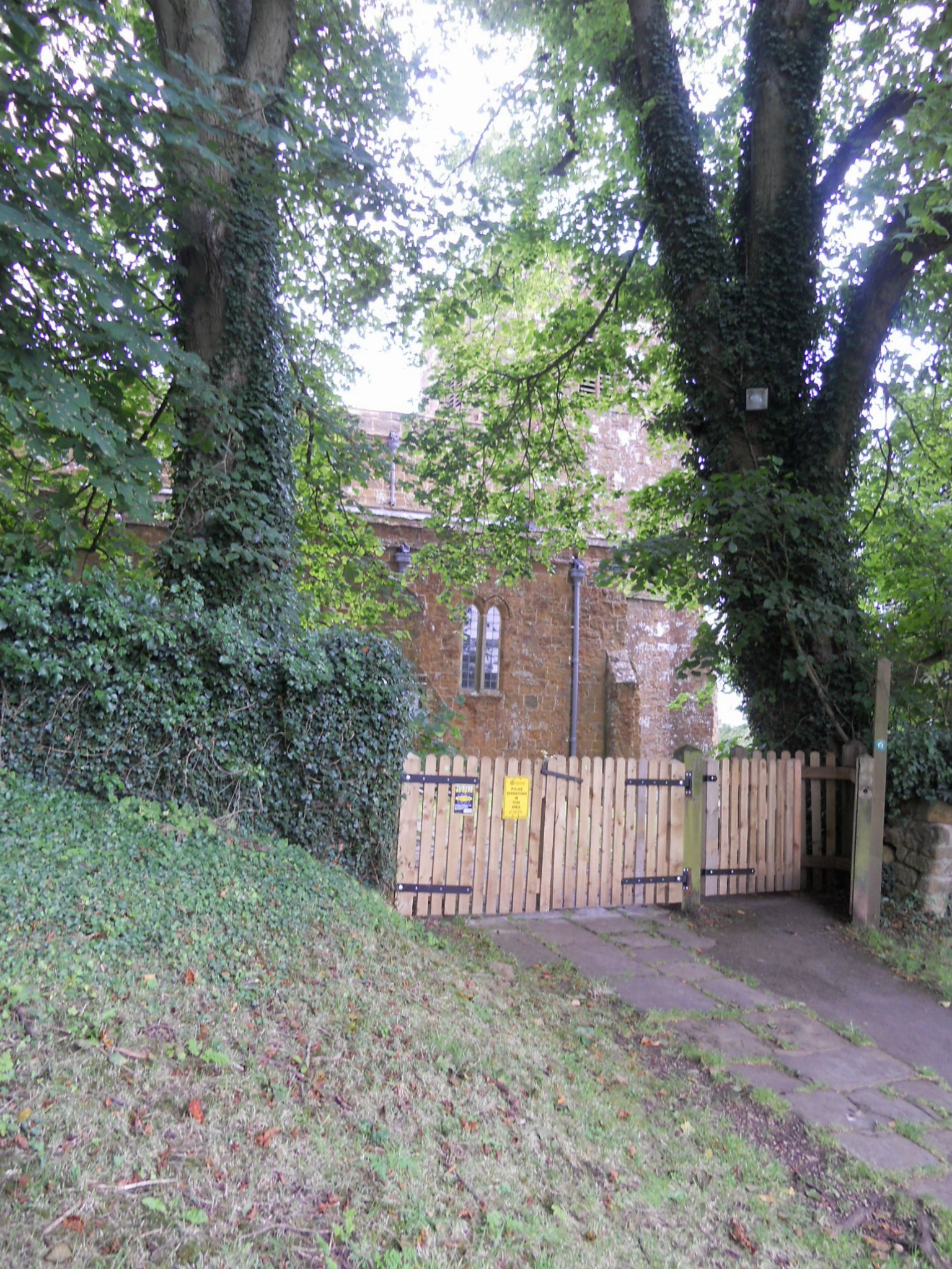 The hills and country park here are plainly visible from the M40 but I had never stopped before. I’m glad I did as this is a place well worth visiting.
There is a Holy Well here, right next to the car park. The building over it is Victorian. The water is rather murky and I wouldn’t want to drink it – but who knows?
The church is on a steeply sloping site and must have been difficult to build in the conventional East West alignment. The floor slopes up quite steeply to the altar.
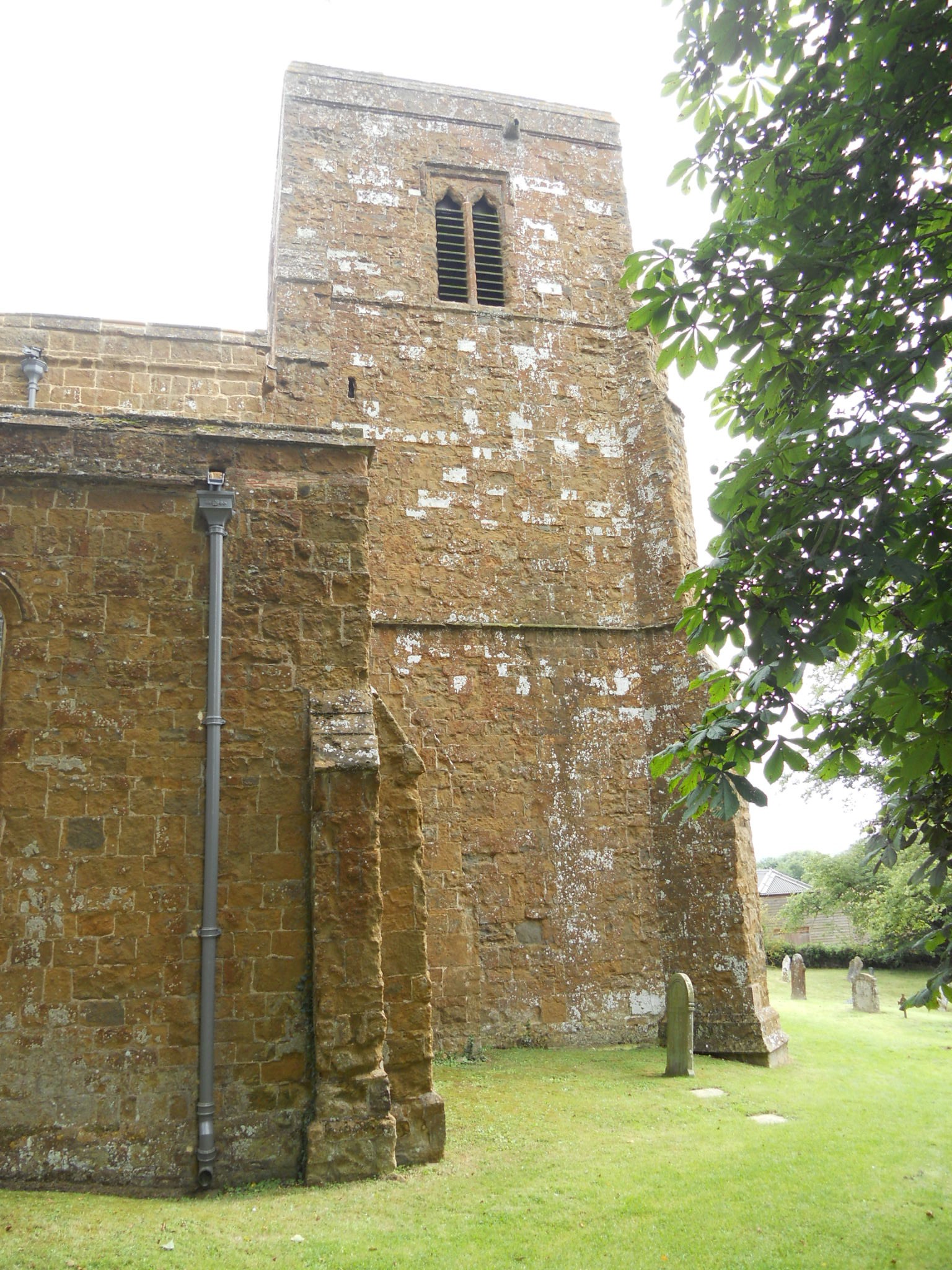
The signs give a good welcome and several people came in whilst I was there. One family were trying to explain the church to their children. It showed that there is still a lot of ignorance around as to what the Church is for, being open and providing explanation and space fro awe and reflection are ever more vital. A ministry to visitors is not an optional extra in my opinion but a necessity.
I found some good leaflets here – ‘Dassett Magna Church Services: What to Expect’ about the church and ‘When someone dies’ both well done. There is a prayer to take away – The Dassett Magna prayer;
‘Come, Holy Spirit:
fill the hearts of your faithful people
and kindle in us the fire of your love.
Strengthen your church here in Dassett Magna;
increase our numbers,
deepen our faith
and pour out your love, through us, on our communities.
We ask these things in Jesus’ name. Amen.’
This church is also in ‘1000 Best Churches’ and a copy of this is left open so that people can read it. There is a footpath map and a history display, which includes the wall paintings here. And a Bible is left open. One moving thing here is a tomb which on which visitors are invited to remember those who have died. It is full of tributes, some of them very moving. A special church with a prayerful atmosphere. I rate it as very good for this study.


St. John the Baptist, Berkswell

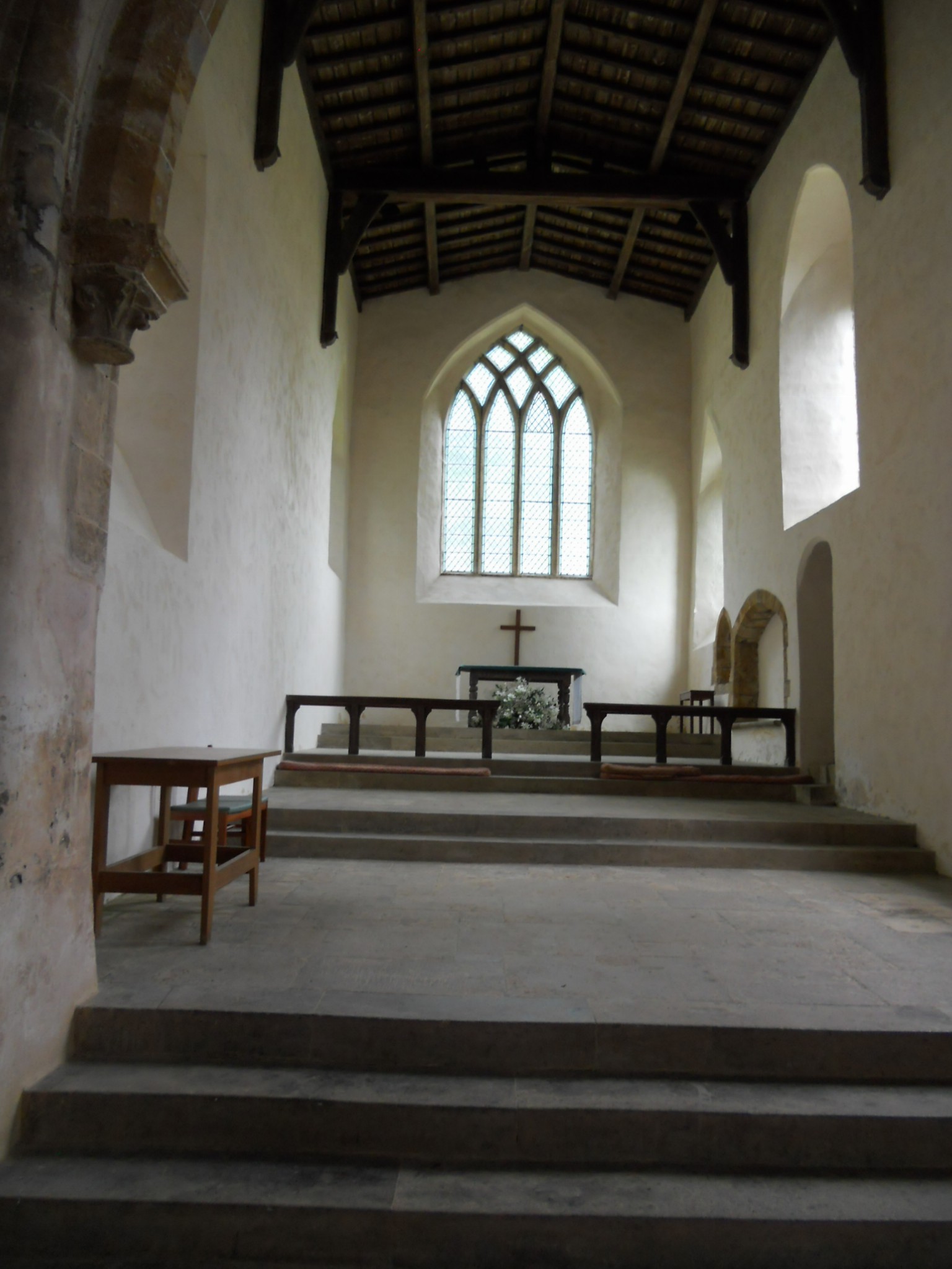
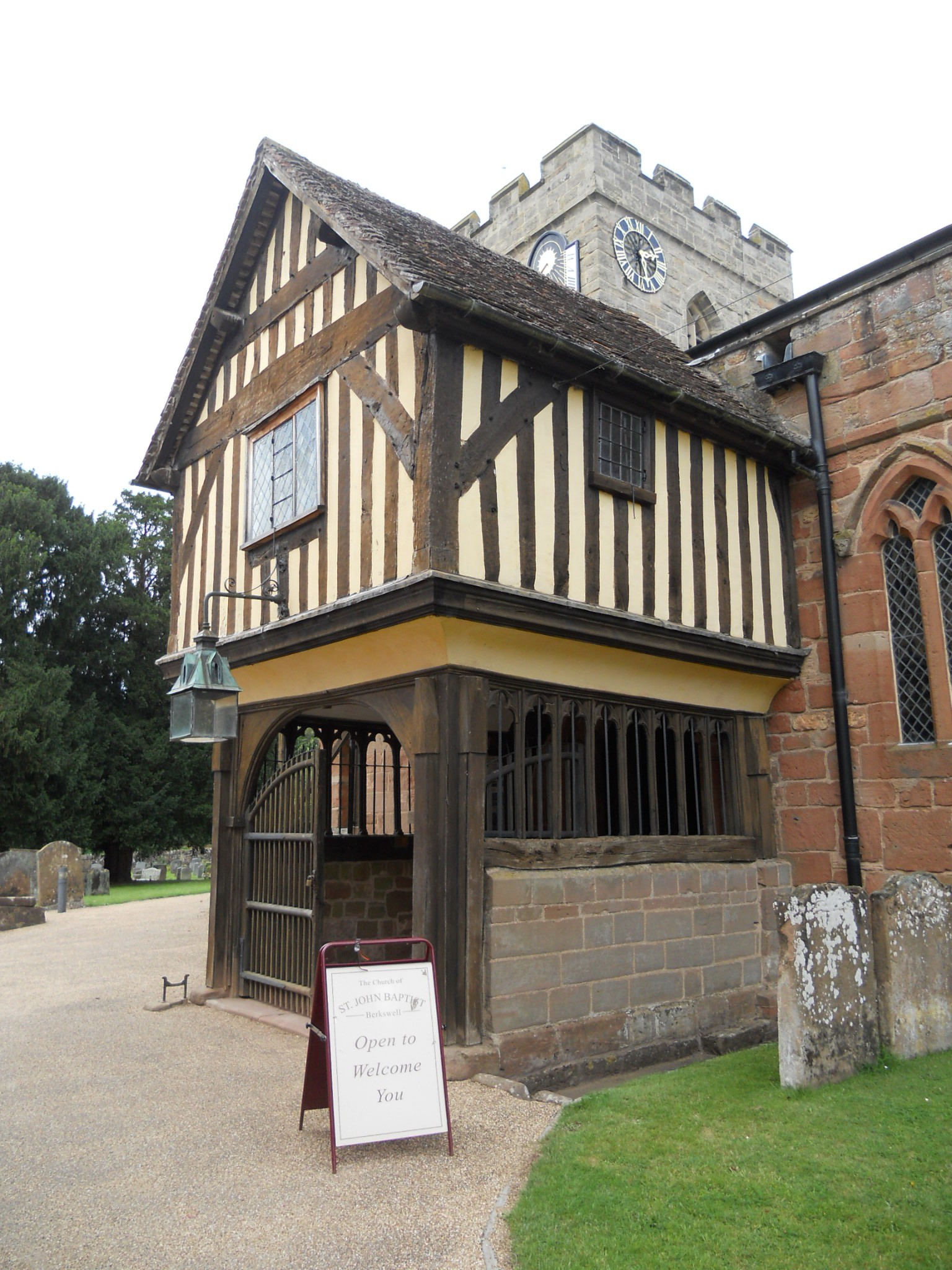 What a lovely church and the perfect antidote to my last visit at Twycross. This church is open and welcomes all very clearly. Inside is unusual as the floor slopes up towards the altar. There is a guide book, some ‘bats’ to carry around, a tower history, post cards, cards and book marks. The visitors book shows 17 entries in July but it must be many more.
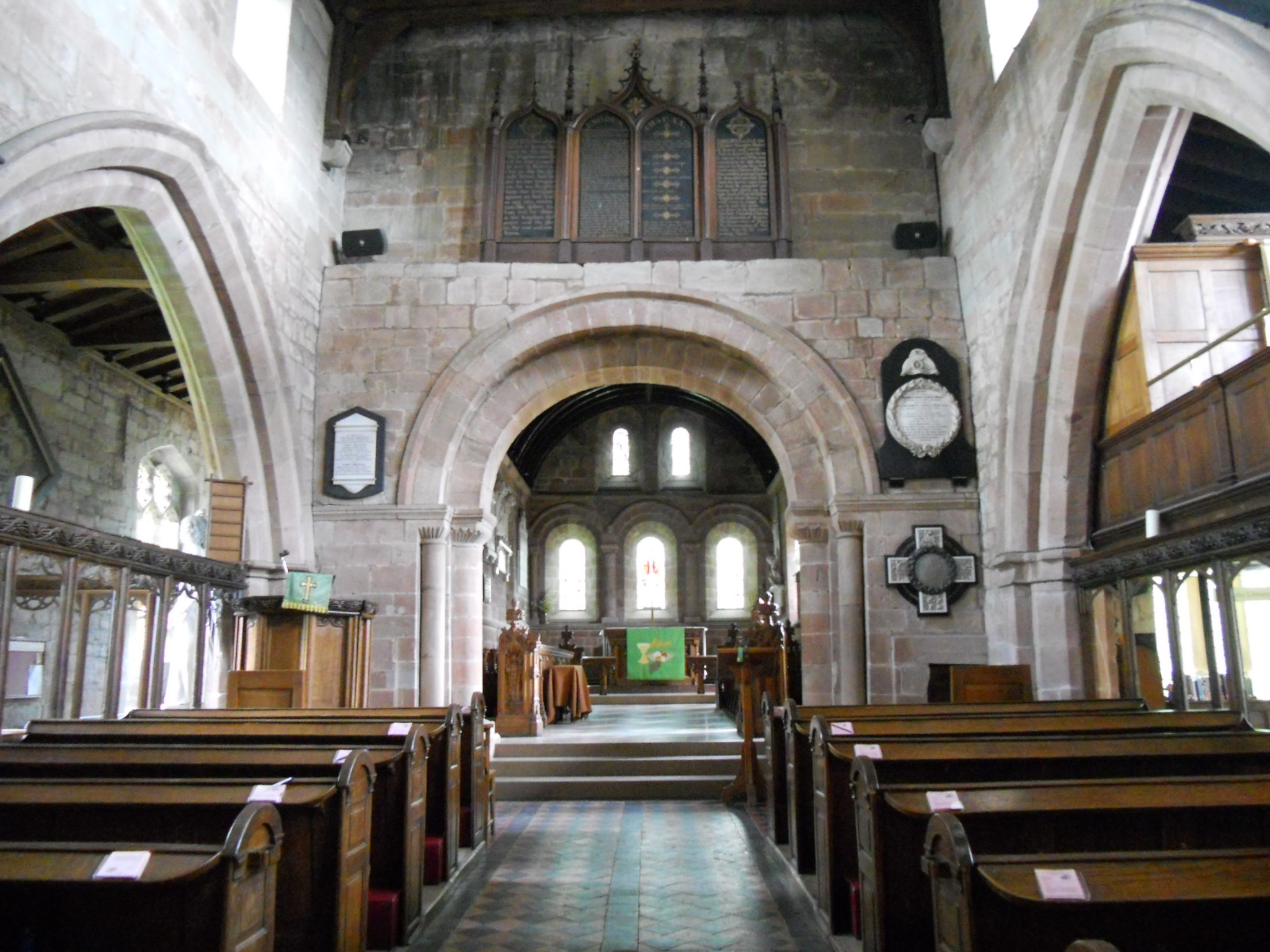 Much goes on here as well as there are pictures of the Village Fete and of the congregation – who seem a happy bunch! It is good to show the Church in action that it is not about doing this or doing that (though some churches do make our faith into a set of rules) but is about relationships, with God and with each other – here endeth the lesson. I hope you get my point. The folder of pictures here ‘Life in the Church in Berkswell’ makes this plain without words. This must be a good church to be a part of is the message that come out loud and clear.
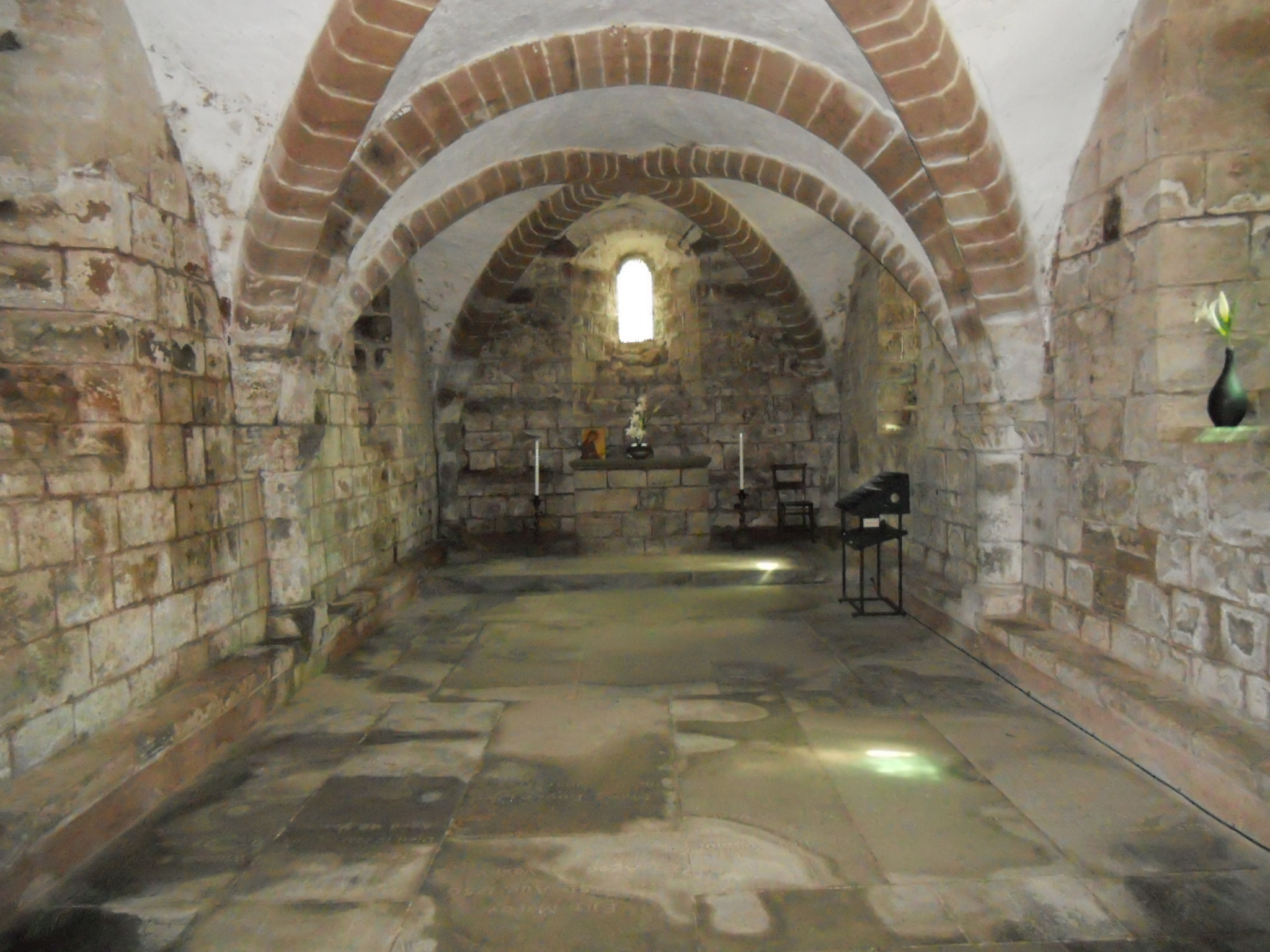
You can also go down the crypt where there is a votive stand – that might be better in the church but as it is full exquisite carving I can understand why. It does limit its usefulness and accessibility though. St. John’s is in ‘1000 Best Churches’ because of this Norman crypt and the carving. There is a good website at http://www.berkswellchurch.org.uk/ with plenty of visitor information on it as well as general church ‘stuff’. I rate St. John’s as very good – go and have a look!
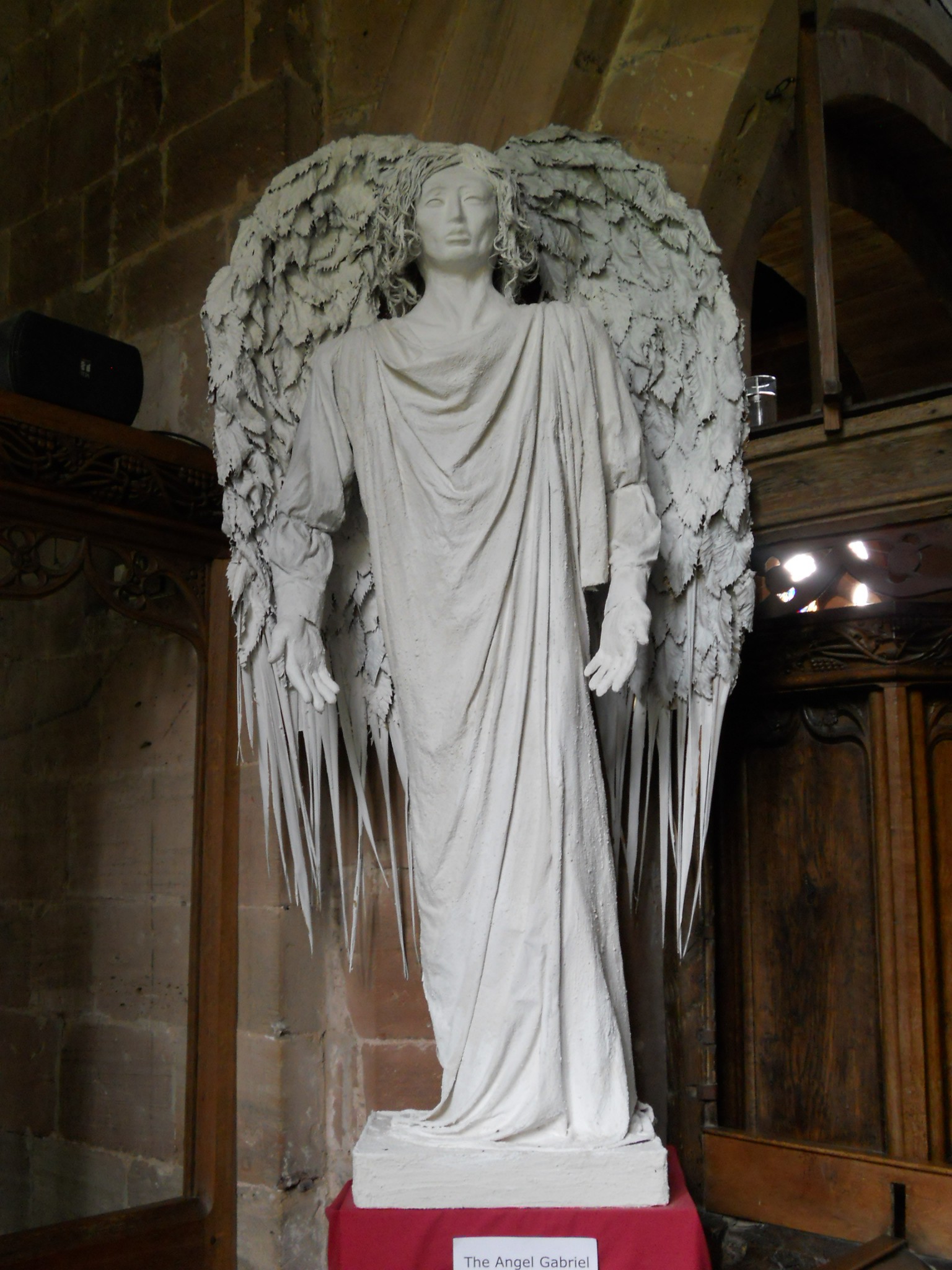
A wonderful angel by James Hand – it reminds me of Dr Who!
St. Jame’s, Twycross
 St. Jame’s is in ‘1000 Best Churches’ so I thought it worth a look as it was easy to come that way. Simon Jenkins says; ‘There is little to bring us to Twycross village and only one thing to its church. This is the North Midlands at its least exciting.’ I agree. And, to make things worse, St. James was firmly locked up! The best thing at St. James’ is some French glass rescued from the Revolution by George iii and given to friends and cronies – including the Howes who put it in their local church. The notice board says about the services but gives no indication as to how to gain access.
There is a Benefice website on http://www.marketbosworthbenefice.co.uk/ which gives a bit of visitor information for some of the churches but not for St. James. The site proudly proclaims ‘Change your life today’ – ‘We have an exciting programme of development to ensure the church plays a full part in the life and health of our communities.’ Is this meant to be ironic? Or doesn’t this apply to the good people of Twycross?
This is all very poor and doesn’t do any good for the mission of the Church – open the door and let people in!
St. Helen’s, Ashby De La Zouch
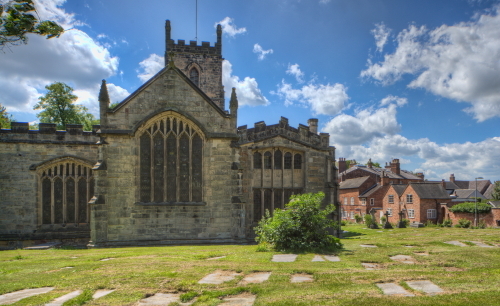
 St. Helen’s is just off the High Street in this bustling Leicestershire town. The church website is at http://www.sthelensashby.co.uk/ and features a guide to the church.
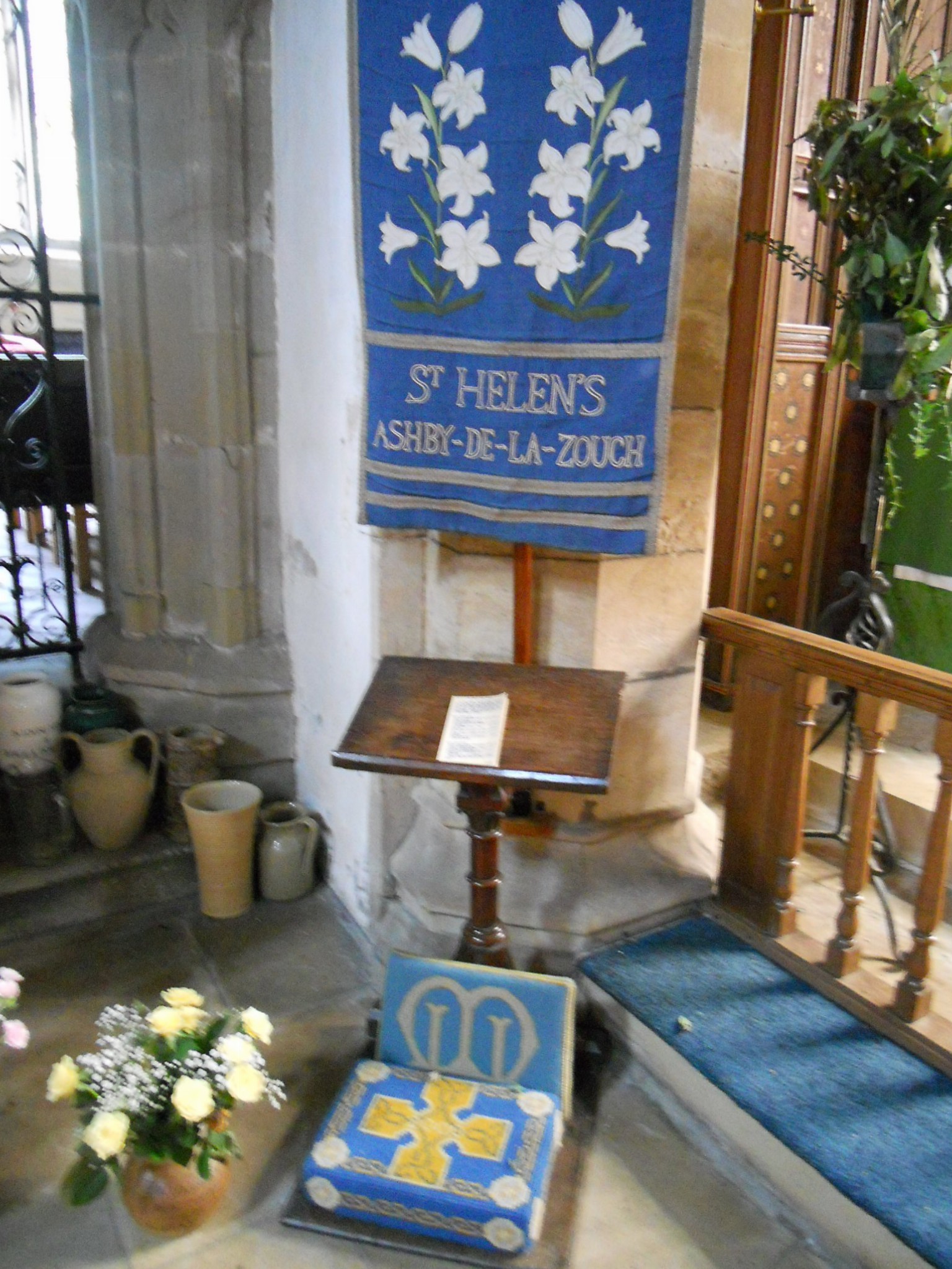
The signage is very good with a good welcome. An A frame had been put outside the door as well saying that the church was open. Inside there didn’t seem to be a guide nor a visitors book. A display shows the churches mission links and some children’s work is on show. There is a small prayer tree, which is tucked away in a dark corner. A prayer desk was put in from of the Mothers Union banner and had a simple card on how to pray on it. This does give mixed messages. Are we to pray for the MU? It is all a bit half hearted but at least the church is open.

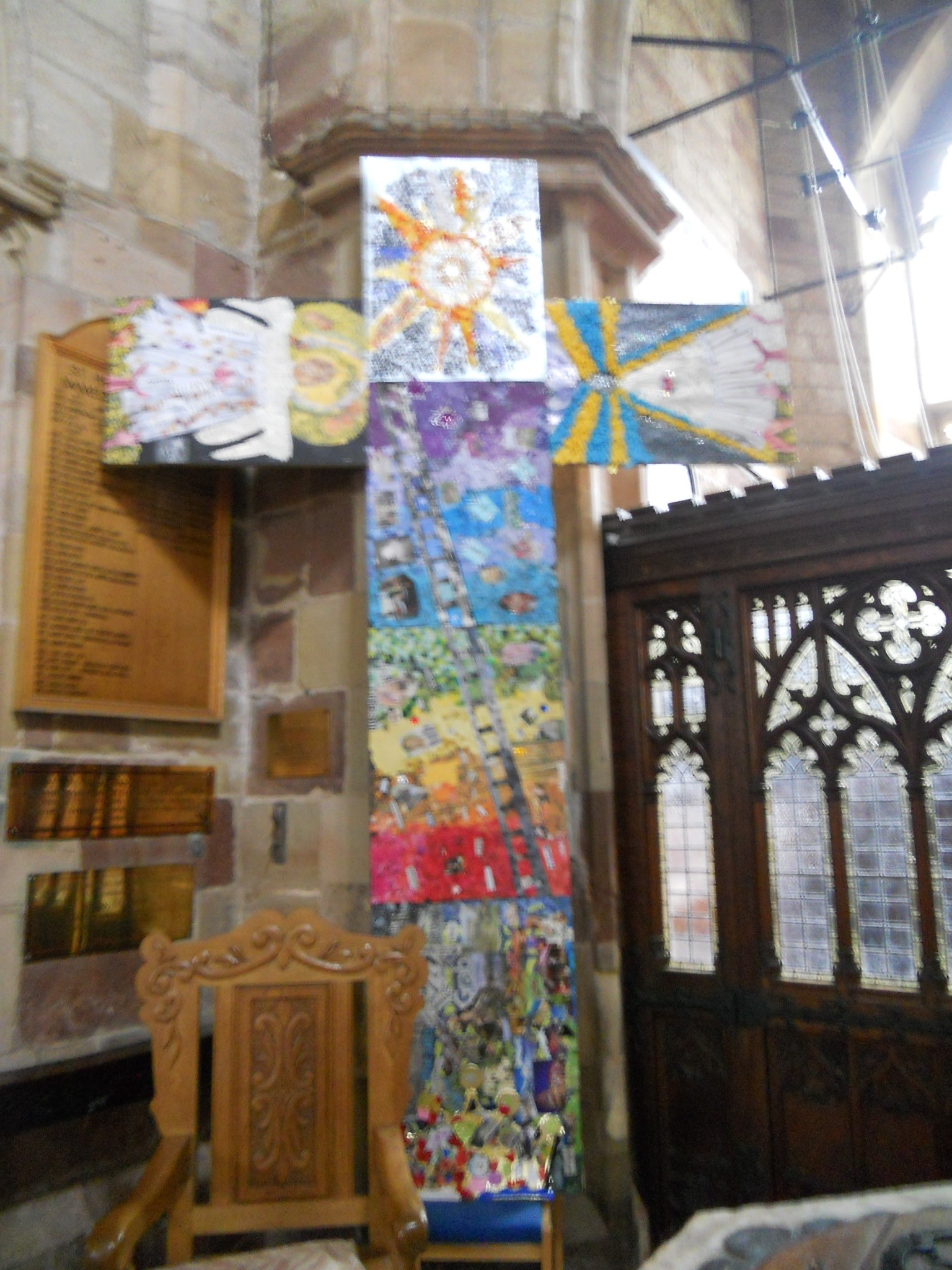
At the back is a large cross but this isn’t labelled as to what it is about or why it is here – I assume it was a children’s project but why not say so?
All in all there is room for improvement here – it is an interesting church to visit, the castle is nearby so there is the potential for a good visitor ministry here. As it is I have to rate it as poor for this study.
Priory Church of St. Mary & St. Hardulph, Breedon on the Hill
 On my way home from Derbyshire I took the opportunity to visit a few other churches. This church stands in a very prominent position on top of a hill and can be seen for miles. What we see here now is the remnants of an Augustinian Priory. It is well signposted off the main road far below. It is open every day and is a quirky place with a long history that is worth exploring.
 But who was St. Hardulph? It is a unique dedication. Nobody really knows, he could have been an Anglo Saxon King who was made a saint. There is also a story about a holy man who rescued 2 women from drowning as they brought him a book he had forgotten. We will probably never know.
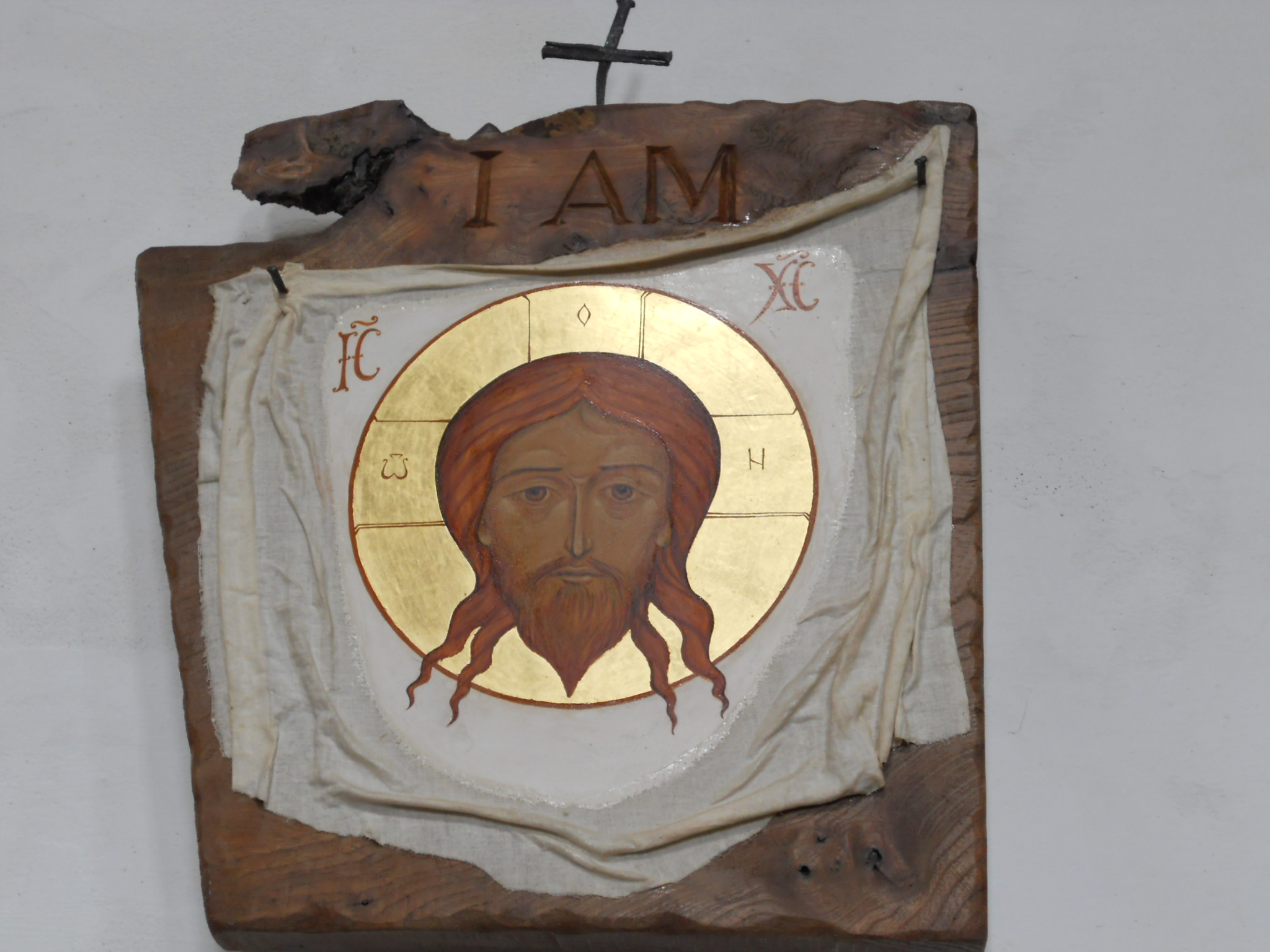
Inside I found a guide book (a very good one) for £3, some prayer posters at £1 each which is something I have not seen before. Some ‘bats’ to carry about as well as a laminated guide sheet and a ‘bat ‘ about he modern icon ‘Icon of the Holy Face’. Children have an area with colouring in and there are some books to borrow.
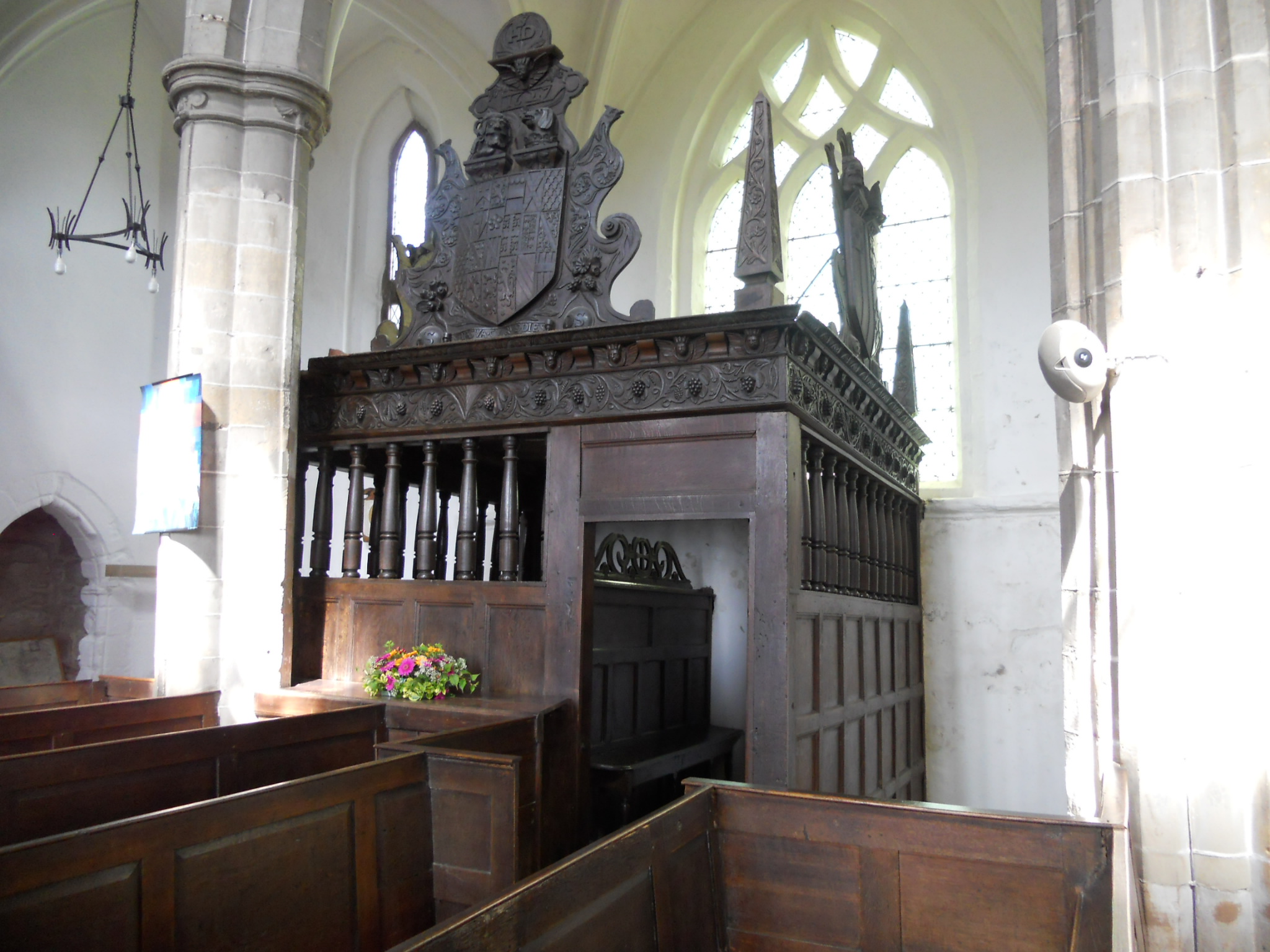
The Shirley Pew
There is a rather bizarre family pew – The Shirley Pew, which can only be accessed by going through the right box pew. I can imagine a lot of shuffling around when the family turned up to use it. Currently it house some good children’s work on St. Hardulph.
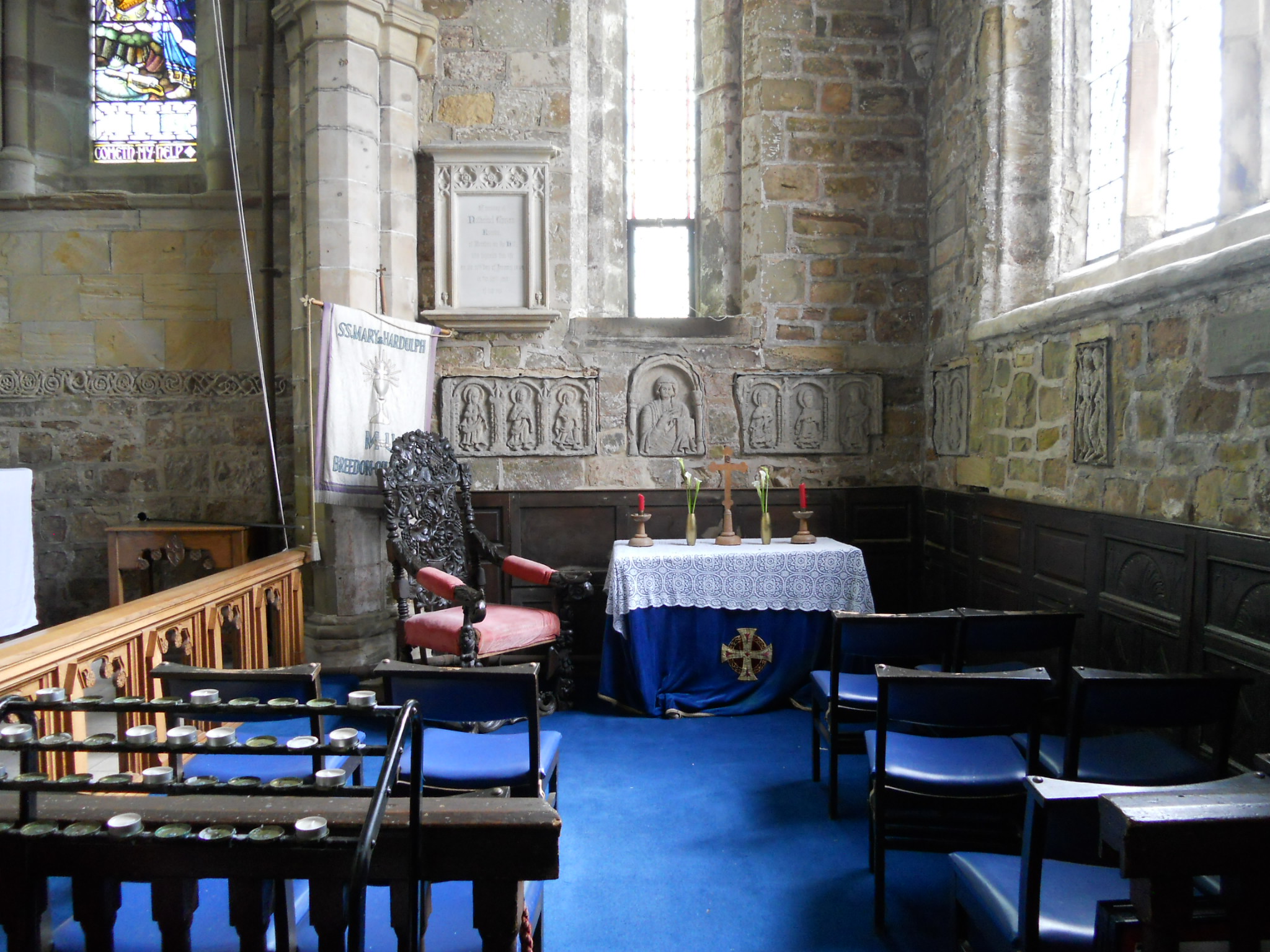

A prayer board can be used and there is a votive stand too. The visitors book is a loose leaf folder with lots of entries in it. They are not all dated so cannot be counted. The church also features some crude carvings. The modern Icon – ‘Icon of the Holy Face’ is a moving one.
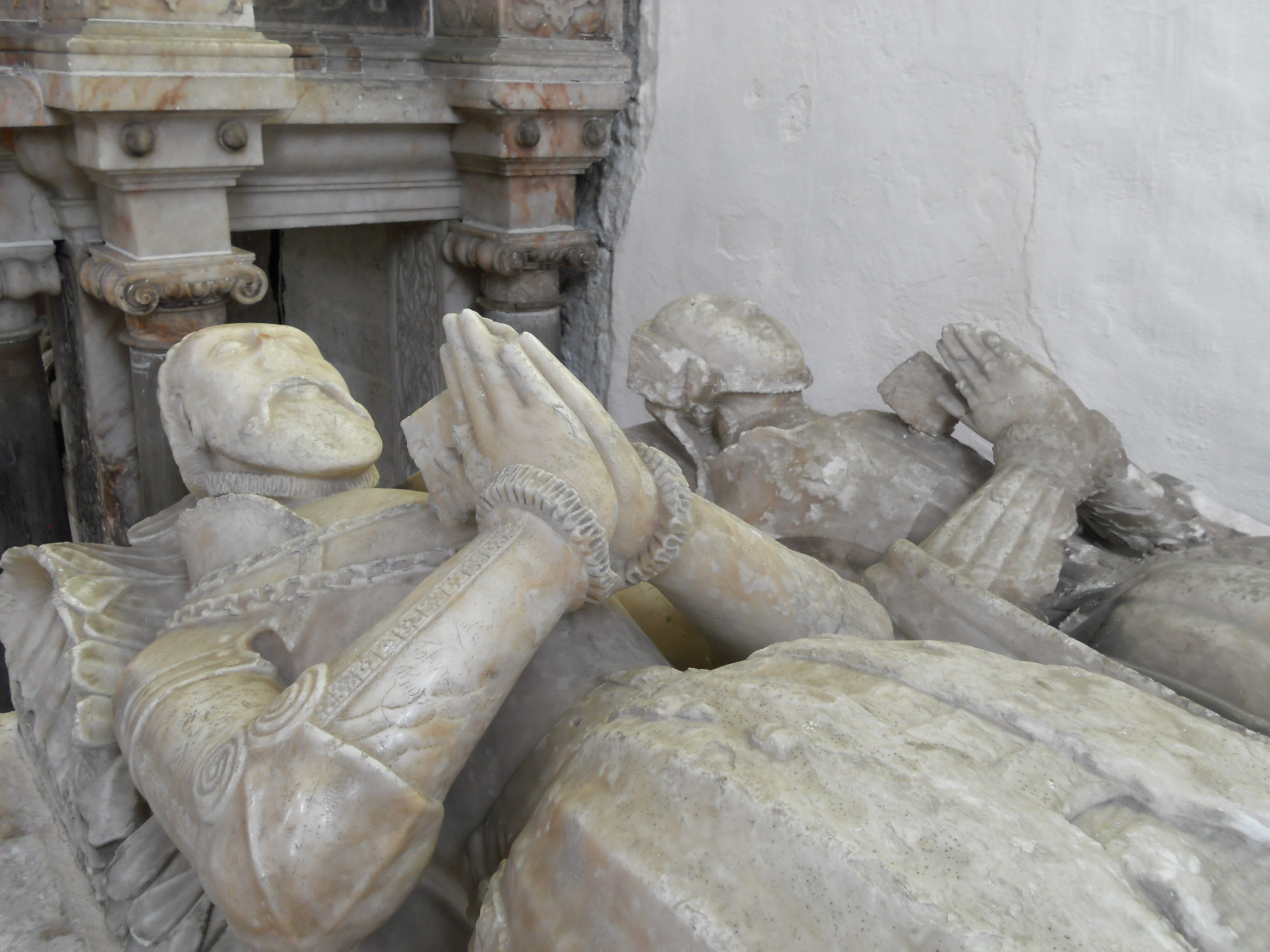
There is a rather gruesome memorial made of alabaster to a Shirley, as well as others for the same family.
The church website is at http://www.benefice.org.uk/breedon_church/ and this gives clear visitor information. I rate the Priory church as very good for the purposes of this study.

Melbourne Parish Church (St. Michael & St. Mary)
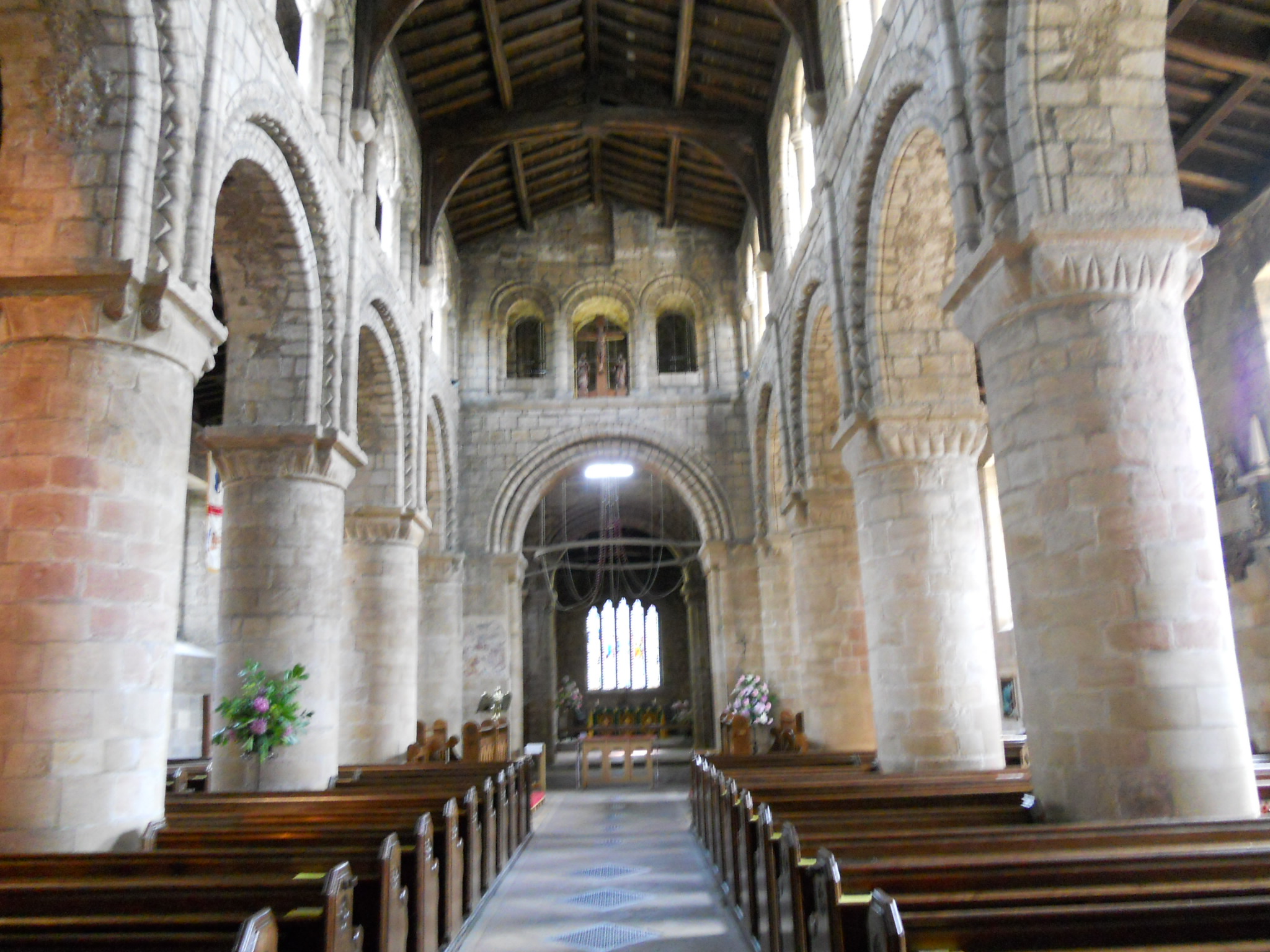
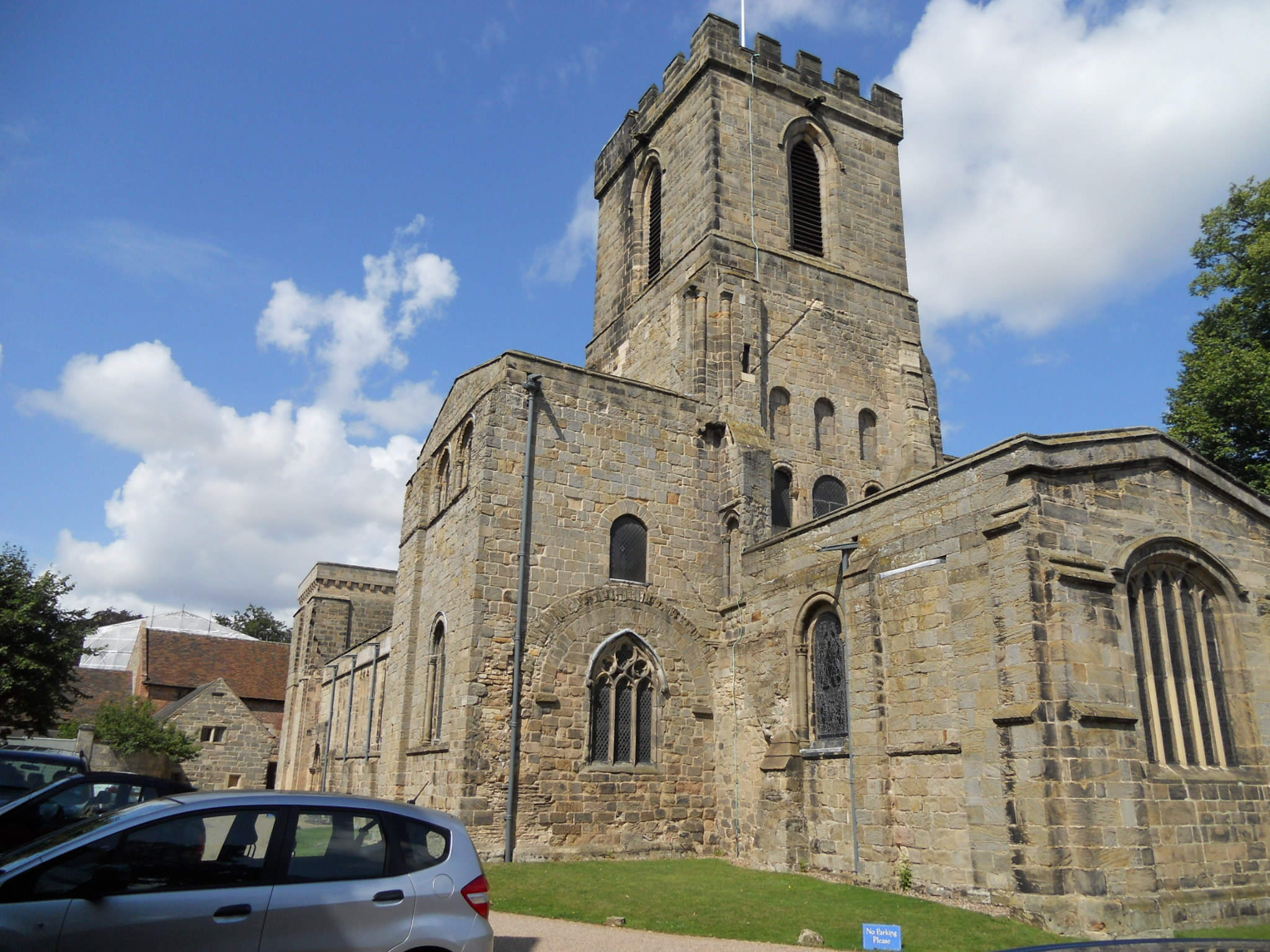 This is a magnificent church next to Melbourne Hall. It is well worth a visit. The church website at http://melbourneparishchurch.co.uk/ gives a lot of information and the welcome video makes it clear that this is a place which values it’s visitors – they are not just potential congregants.
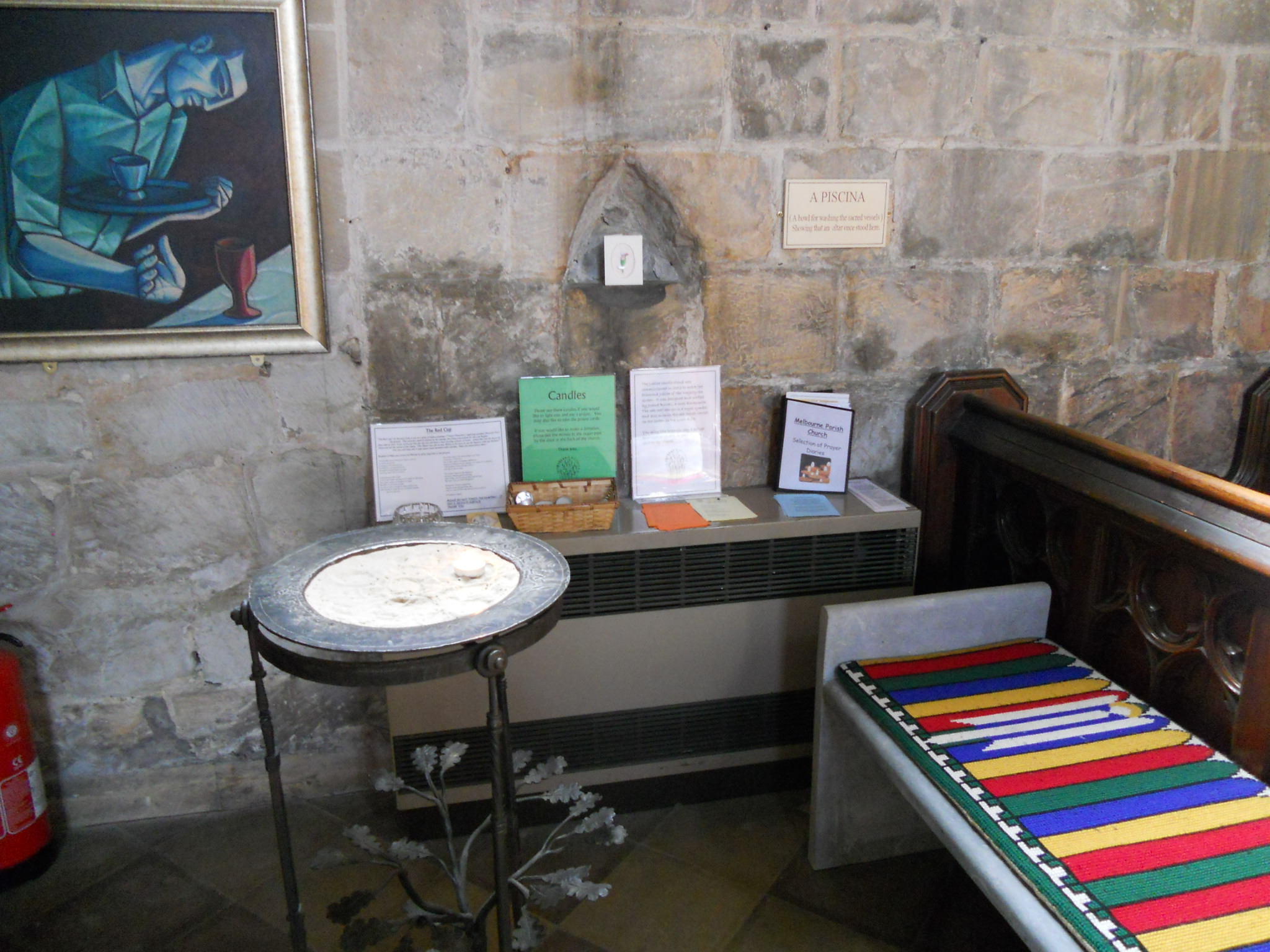
The church is open each day and there is one of the Diocese of Derby banners hung outside – ‘Church open to experience and explore’. You will not be disappointed here. There is so much to see here that it is a job to know where to start. There are prayer cards, leaflets about the music and the choir., bellringing leaflets (the church has a peal of 12 bells), a ‘Ten things to see before you leave Melbourne Parish Church today’ leaflet as well as a very good welcome one. There are resources to help you pray, with simple prayer leaflets to take away and guidance about what to pray when you light a candle at the votive stand. Children are also catered for with colouring sheets, pencils and puzzles all laid out inviting use. There is a guide book a heritage trail, cards, Tim Tiley prayer cards and a selection of Gospel Imprint leaflets. A library where books can be borrowed – it implies that a visitor could borrow a book and bring it back one day and a display of children’s work. A really comprehensive selection which shows the thought and care that has gone into ministering to those who are curious, seeking history, stumbling towards God or whatever else it is that motivates someone to open the ancient door into this holy place. There is no pressure to give financially but there is a discrete offering box. It is as it should be. This is one of the best churches I have visited from the point of view of the average visitor (if there is such a thing) and recommend it highly. This is a good church for people from other churches to visit to gain ideas and inspiration. I rate it excellent – and this is just a parish church in a small rural town. What could you do at yours?
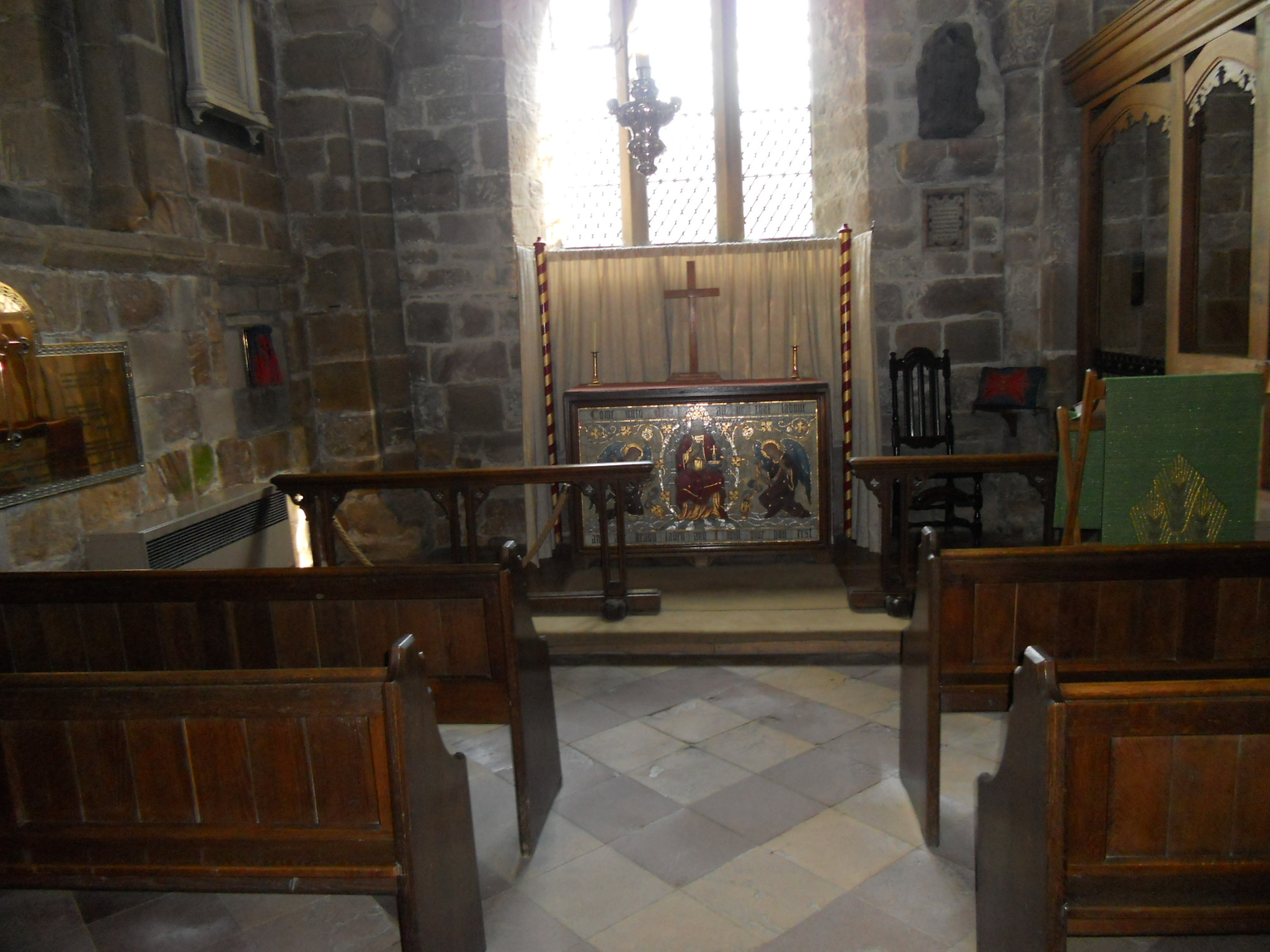
St. Alkmund, Duffield
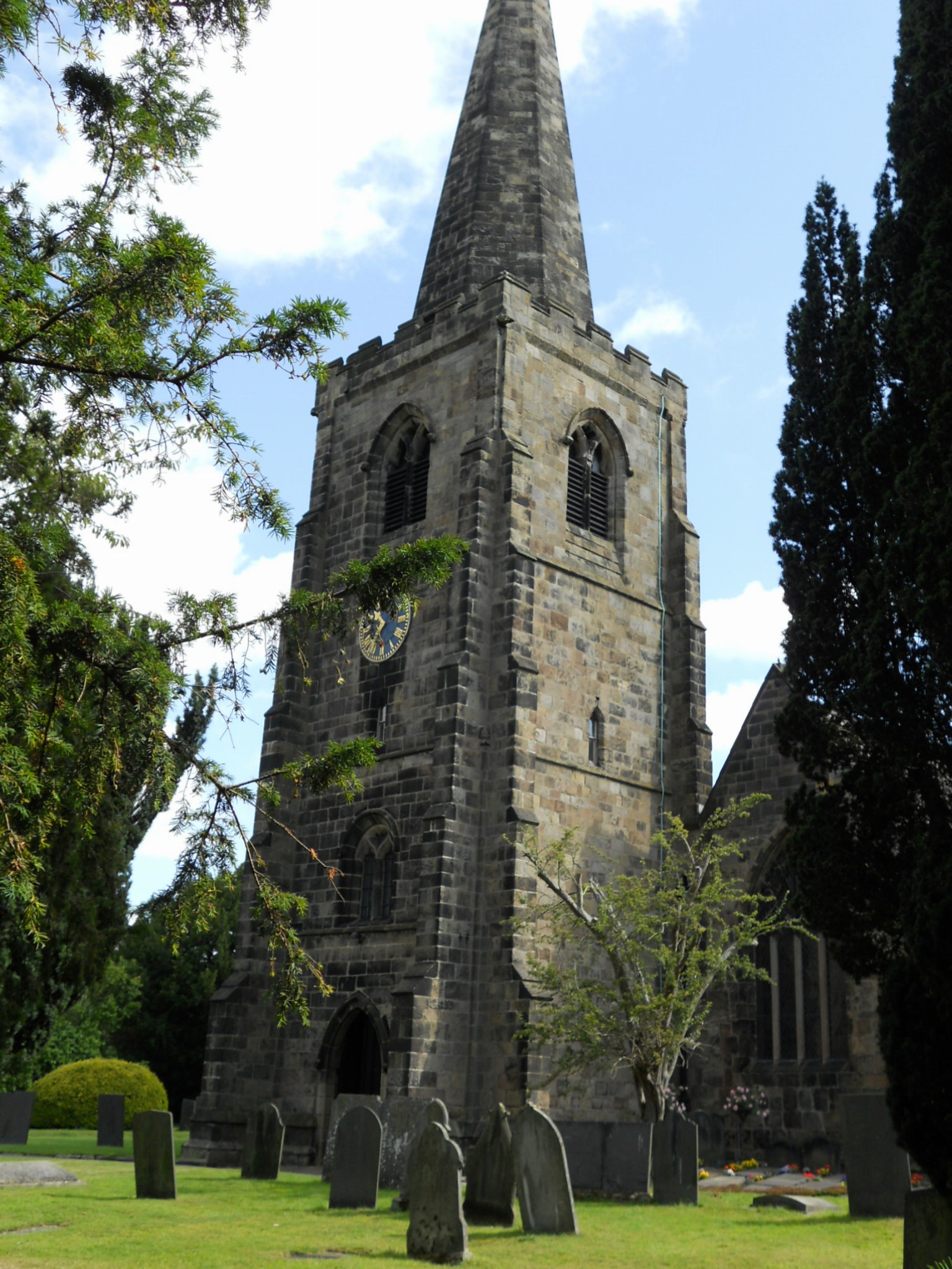 A church in a lovely spot beside the River Derwent. The churchyard is very well kept. It is open each day – the sign outside mentions the Sunday services only. There is a lot going on at this church. The website – http://stalkmundsduffield.co.uk/ gives a lot of information and a history but nothing on visiting in the week.
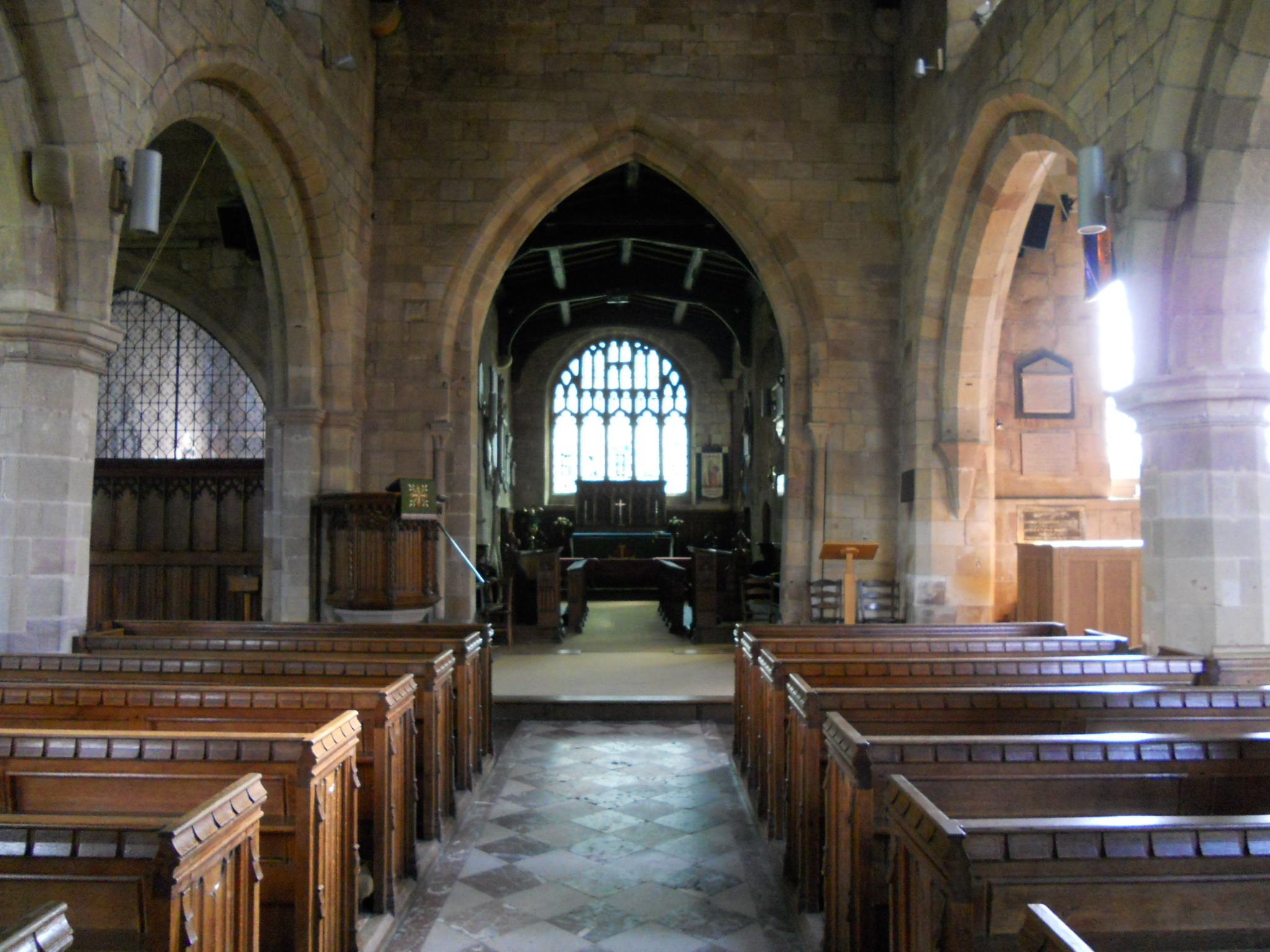
There is a guide book a leaflet on the memorial to Anthonie Bradshawe, prayer cards and some St. Luke’s Gospels for visitors. A small library cum bookstall is at the back and there is a prayer request box as well (this could be better labelled so it gets used more). In the entrance is some glasses and fresh water which is a nice touch. There is no visitors book. A nice prayer area is set up in a side chapel with a display about praying for Syria. Another well kept church which is worth a visit. I rate it as OK for this study.

Christchurch, Belper
 A Victorian church built in 1850 and situated next door to Belper Town Football Club. It is open every day. The signs outside are very good with the Diocese of Derby banner being used once more. Inside I found some hand made cards a guide book and a folder on the colourful kneelers which are a feature of Christchurch. There isn’t a visitors book.

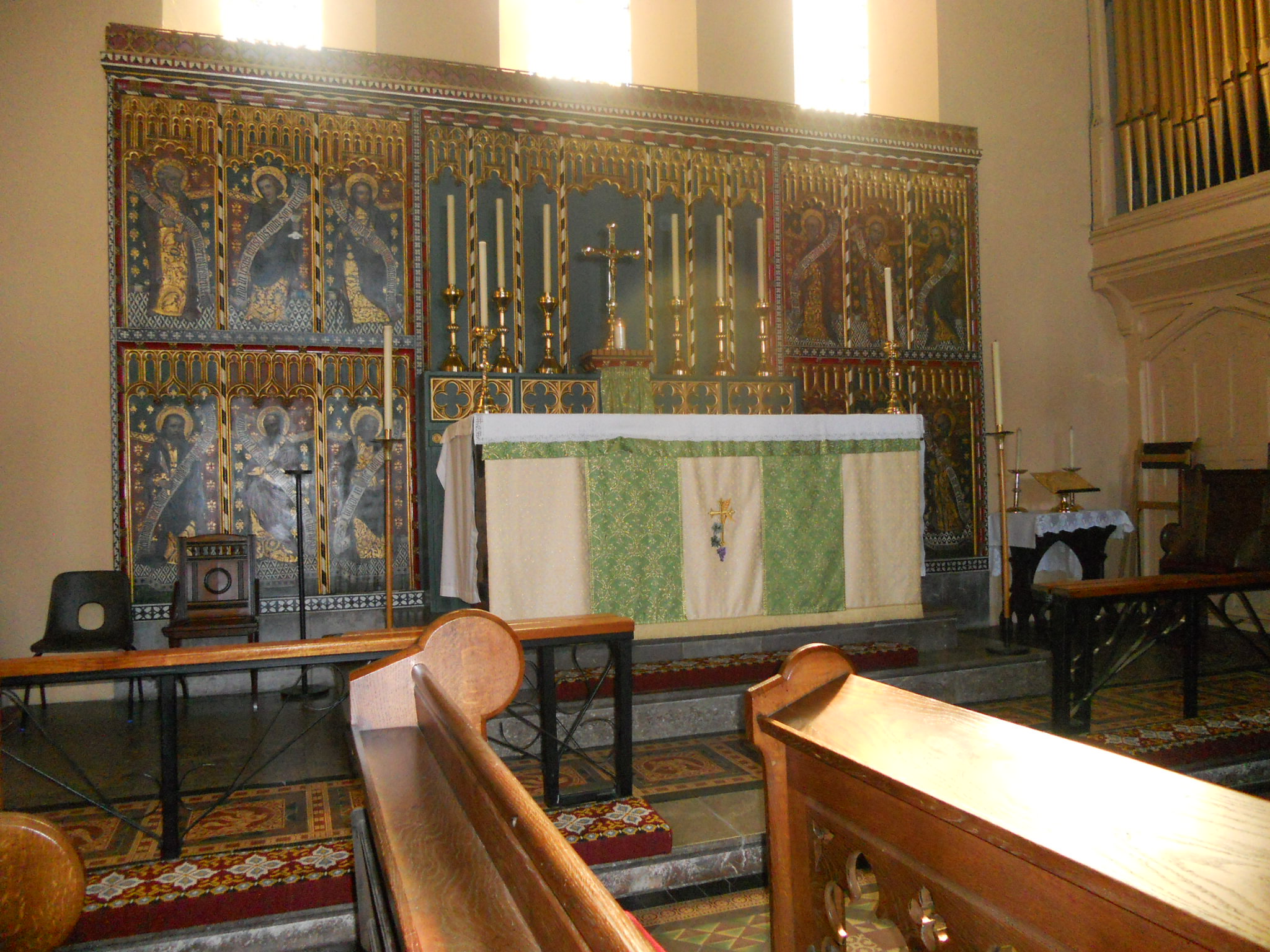
A light comes on when you enter the church. The church is immaculate and well cared for and loved, as many are in Derbyshire. A votive stand can be used but it would be good to see somewhere for prayer requests to be left.. This is an atmospheric church which I rate as OK for the purposes of this study. There is a church website on http://www.christchurchbelper.co.uk/


Christchurch, King Sterndale

 A small church down a narrow lane in a very quiet area. There is a good welcome notice on the door which gives a little bit of history. The sign outside gives details of the services here and the clergy. There had been 9 entries in the visitors book in July.
I found a few books for sale, including a History of King Sterndale by Joyce Critchlow who used to live here. There are also prayer cards and book marks. There is a small basket of books to keep children amused.
This is a small and delightful church. There is a Parish Room opposite and it would make a great venue for a quiet day or to join The Small Pilgrim Places Network.
I rate Christchurch as OK but so much more could be done here to make this a more attractive place for visitors. There is a story to be told, of the Pickfords who built this place, and of the community around. Well worth seeking out. One oddity was a windowsill covered with pebbles with names on them – what was this about? There is a Friends of Kings Sterndale who have an informative website at http://www.kingsterndale.org/ which gives a lot of information about the church.


St. Thomas a Becket, Chapel-en-le-Frith
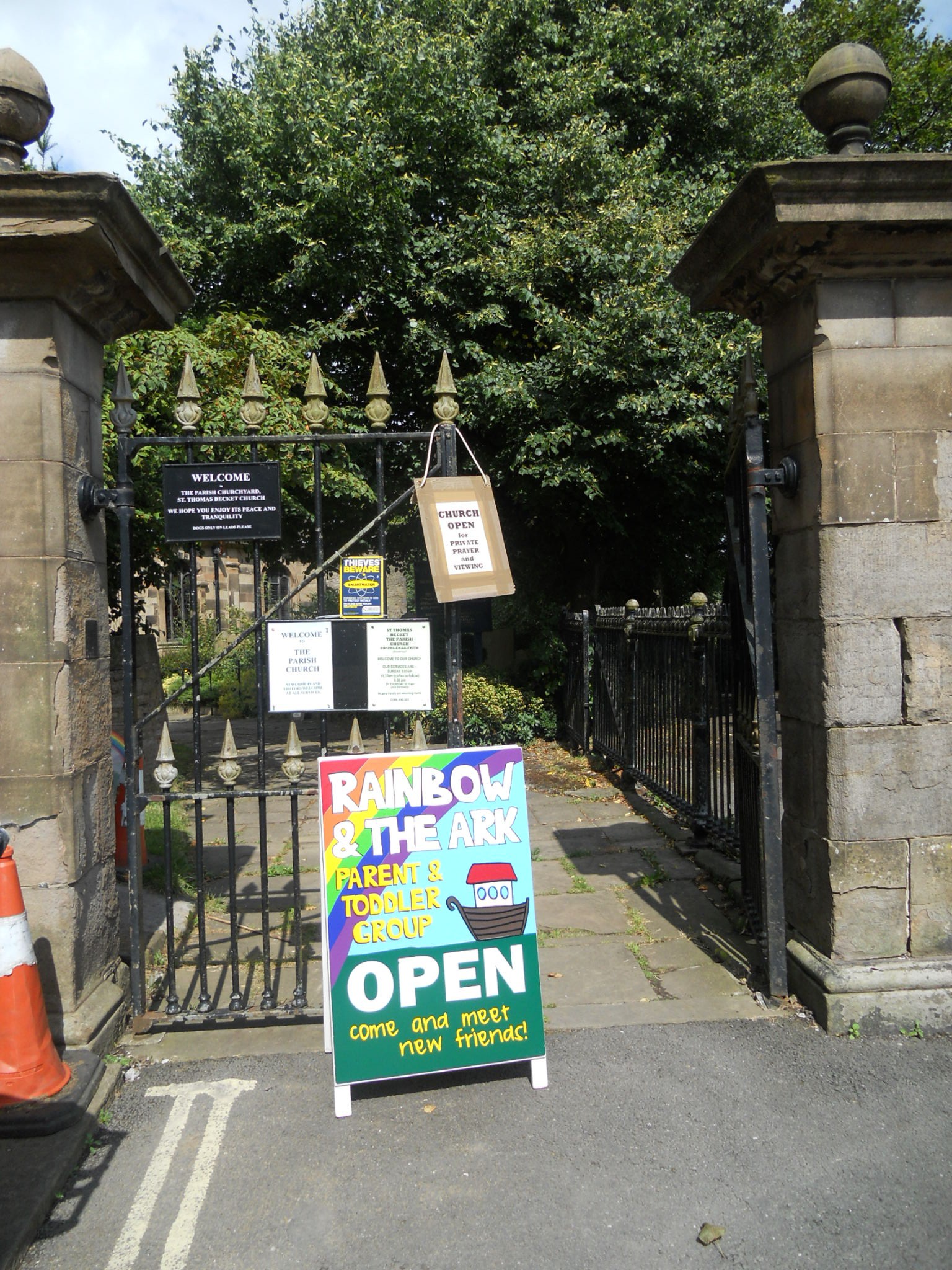
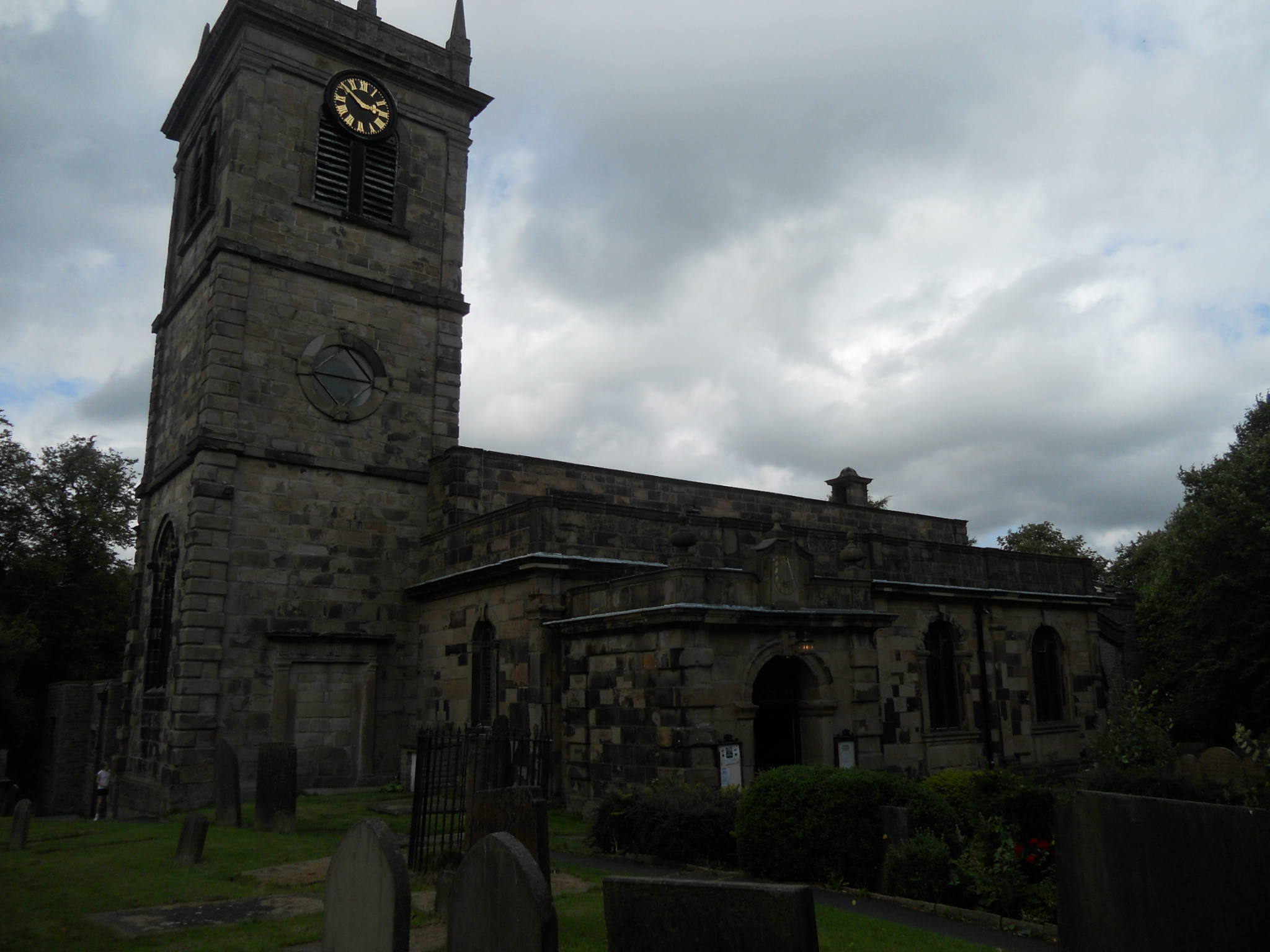 This was originally a chapel of ease but became a parish church way back in 1317 as the town expanded. Much of the church was rebuilt in the 1730’s and restored in the 1890’s.
The signs outside proclaim that St. Thomas is open and there were several visitors when I was there. A very friendly steward was on duty who showed me around and knew a lot of the history of the church. She told me how the church was used as a temporary prison in 1648 for 1,500 prisoners after the battle at Ribblesdale Moor. These unfortunates were imprisoned from 11th Sept to 30th September. 44 died and were buried here.
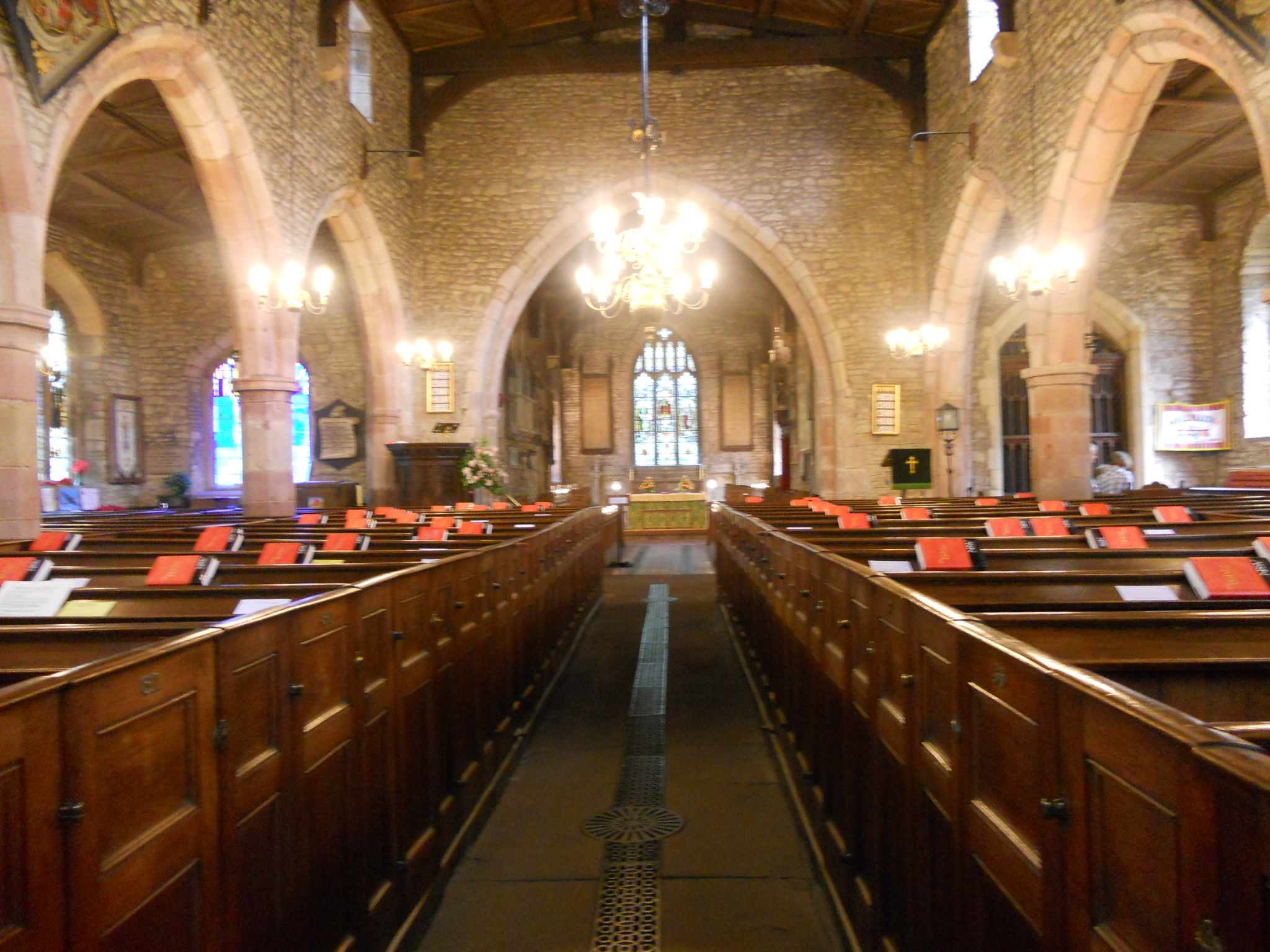 The church interior features box pews which date from 1834. The steward told me how attached some of the congregation are to these but they are rather cramped with not much leg room. It wouldn’t do to have a long service here.
There is a guide and some bats to carry around also some folders re the stained glass here – there is a nice modern window which was put in after an arson attack destroyed the original. Also a small display about those serving in the armed forces. I didn’t count the visitors book but my guide told me that they get quite a few people coming along. I rate St. Thomas’s as OK for the purposes of this study. There doesn’t seem to be a website.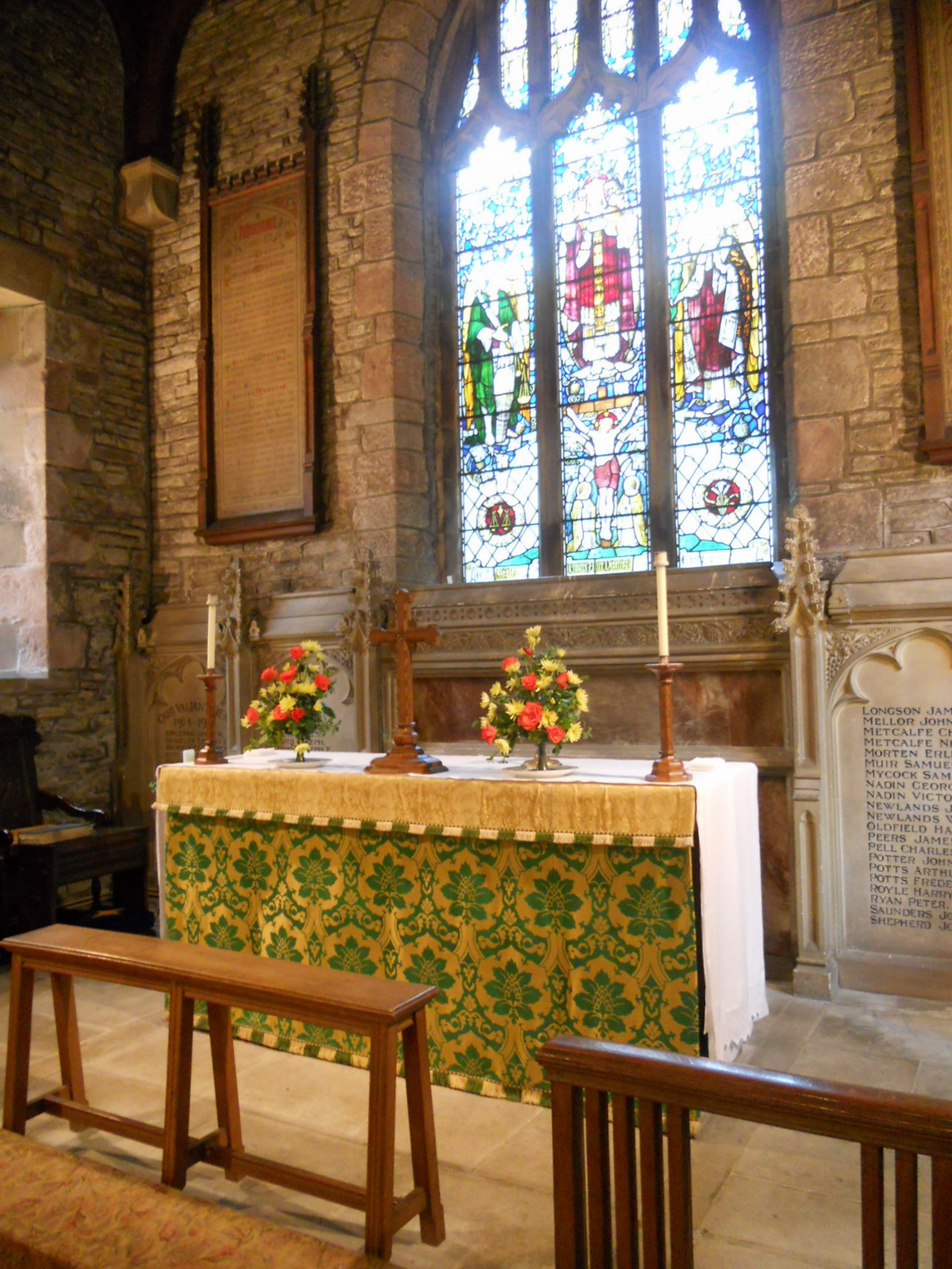
 churchtourismstudy