St. Anne’s, Buxton
 The only church open in Buxton during the week is this one. It is tucked behind the Swan pub in the high Street. As I arrived the last few people were coming out after a funeral there. I met a friendly man who told me quite a bit about the church, and put the lights on for me as it is quite dark inside. It is thought to be the oldest building in Buxton but nobody can be sure. There had been a chapel to St . Anne in the town which was associated with the healing powers of the Holy Wells from which the famous Buxton water flows. This was suppressed at the Reformation and this church was built. Originally it was dedicated to St. John the Baptist. By the eighteenth century the church had fallen into disrepair and was used converted into a school, being this until 1841 when it was restored at the expense of the Duke of Devonshire and used as a church again. It is small and well loved.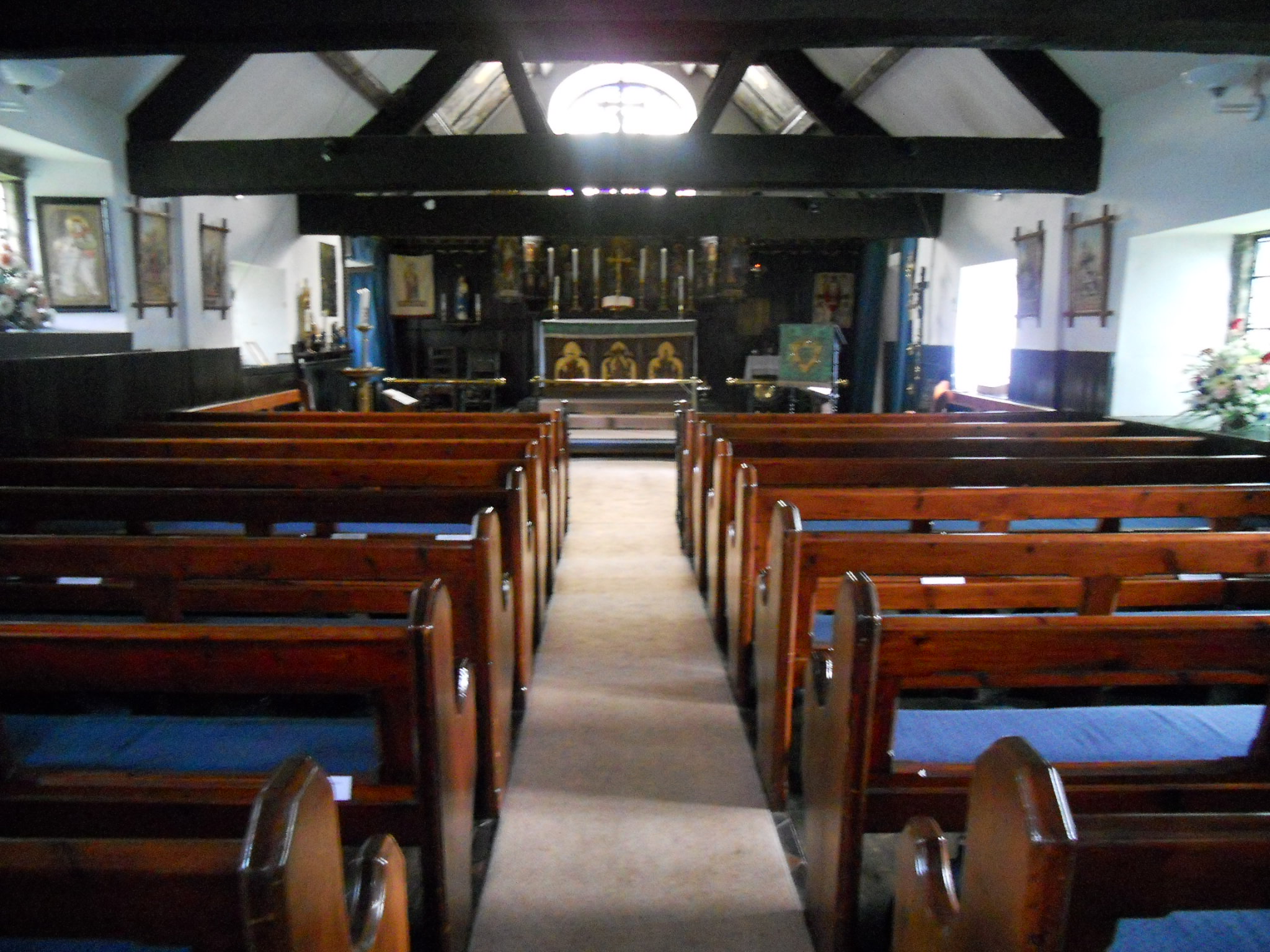
There is a simple sign outside which gives details of Sunday worship only. There is a guide, a photocopied one which is informative but a bit scruffy. This could be much better if it was re done. The text is fine.

Their is a real atmosphere attached to this little church. A votive stand is available to use, and there are some prayer ideas. It is a quirky place but a delightful place of peace and quiet in what is a bustling town. It is a pity that other churches can’t be opened up here. I rate St. Anne’s as OK for this study.

St. John the Baptist, Tideswell
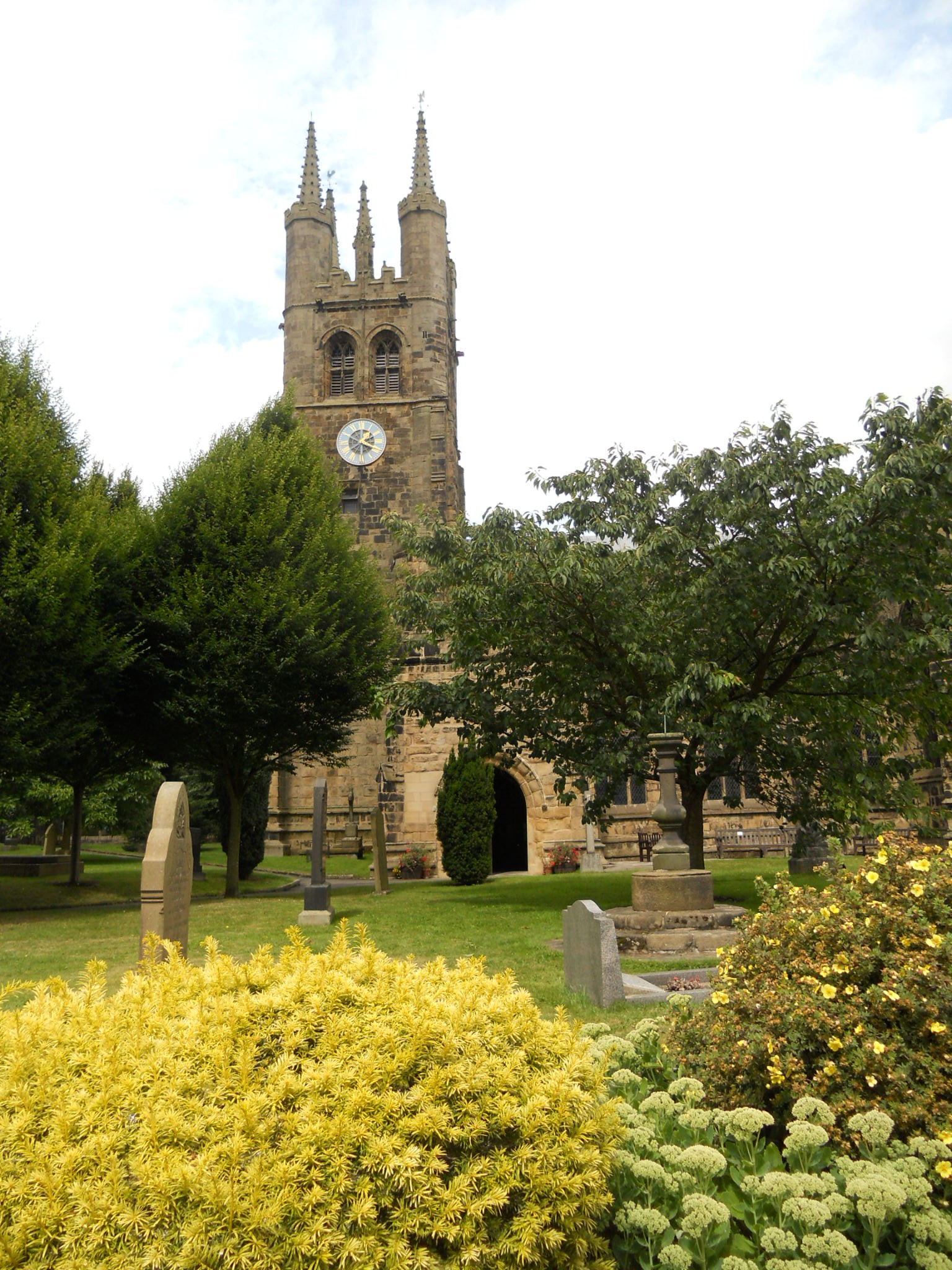
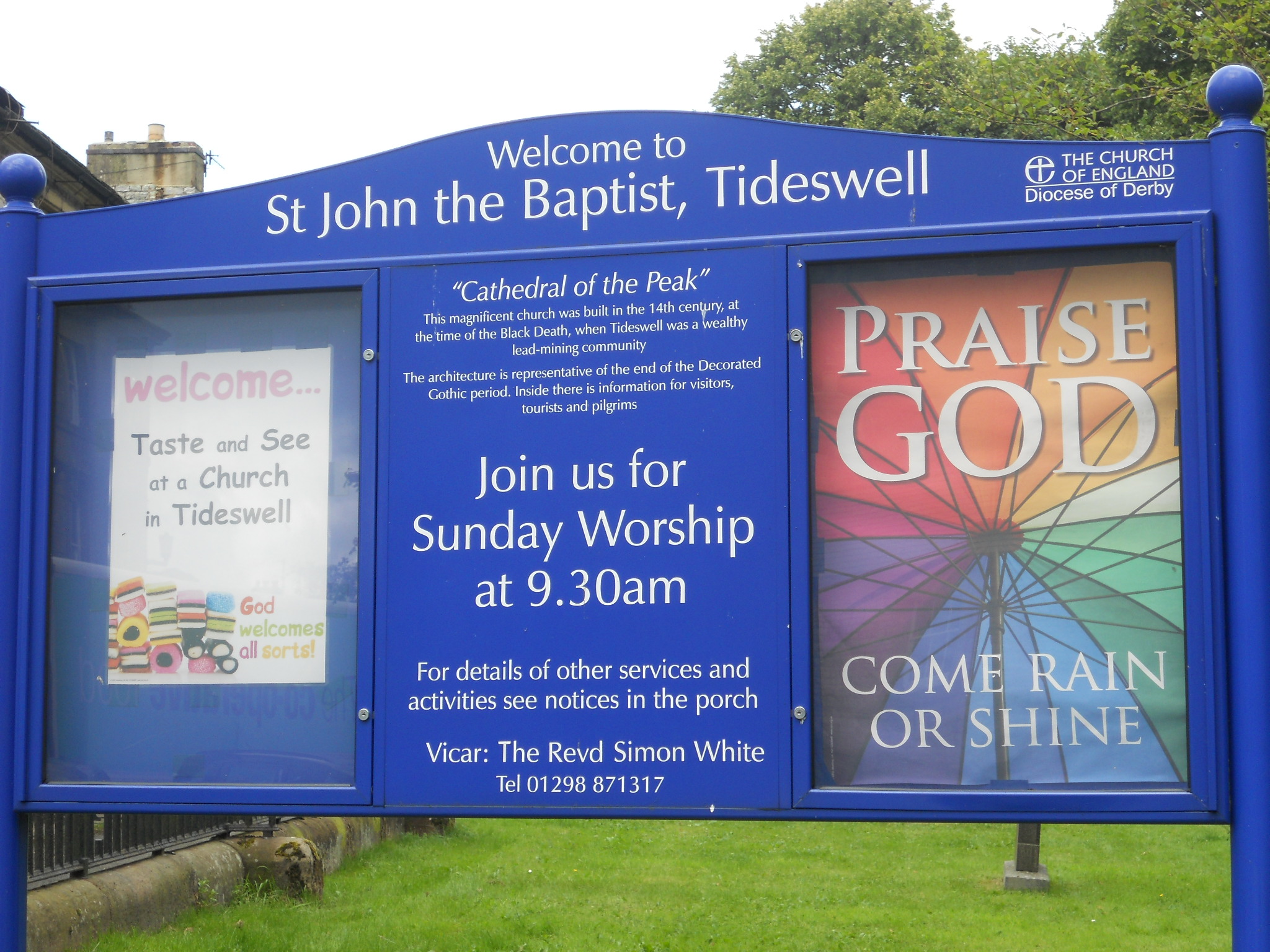 St. John’s is known as ‘The Cathedral of the Peak’, with very good cause. It is a magnificent church. The sign outside welcomes people. This church is in ‘1000 best churches’ and with good reason.
There is a bookstall here and guides, cards and multi lingual welcome leaflets are available. Also some gospels. There are some childrens books as well and some of the UCB Bible reading guides. The visitors book is a loose leaf binder and showed 39 entries in the last 5 1/2 days – those were all the pages in it.
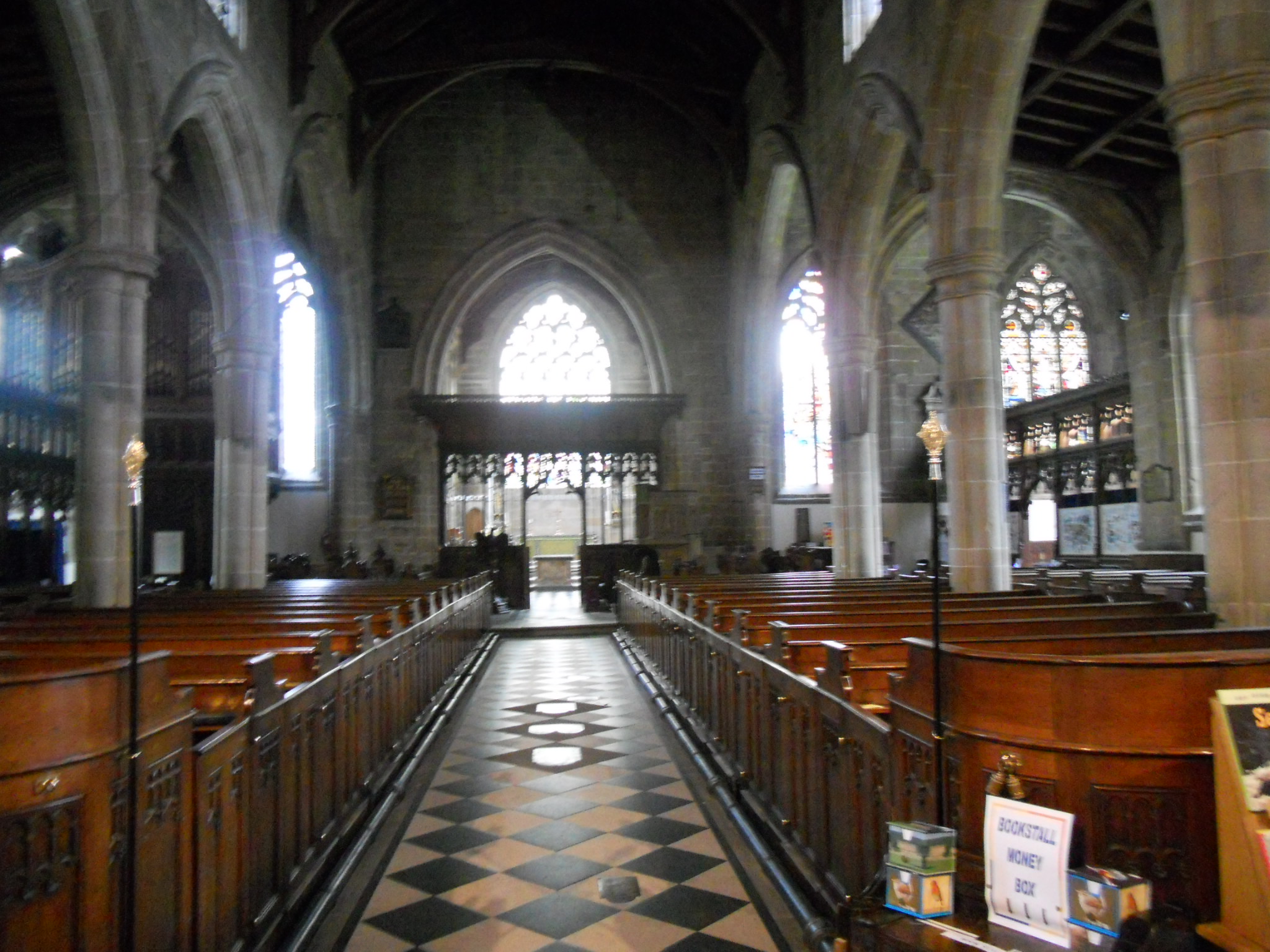
This is s stunning church. The rich interior could be an East Anglian church. The choir stall had been made by Suffolk craftsmen and bear comparison with places like Long Melford and Lavenham. A side chapel houses a local history display which was interesting several visitors at the time I was there, as well as a World War 1 display and some ‘prayer poppies’.
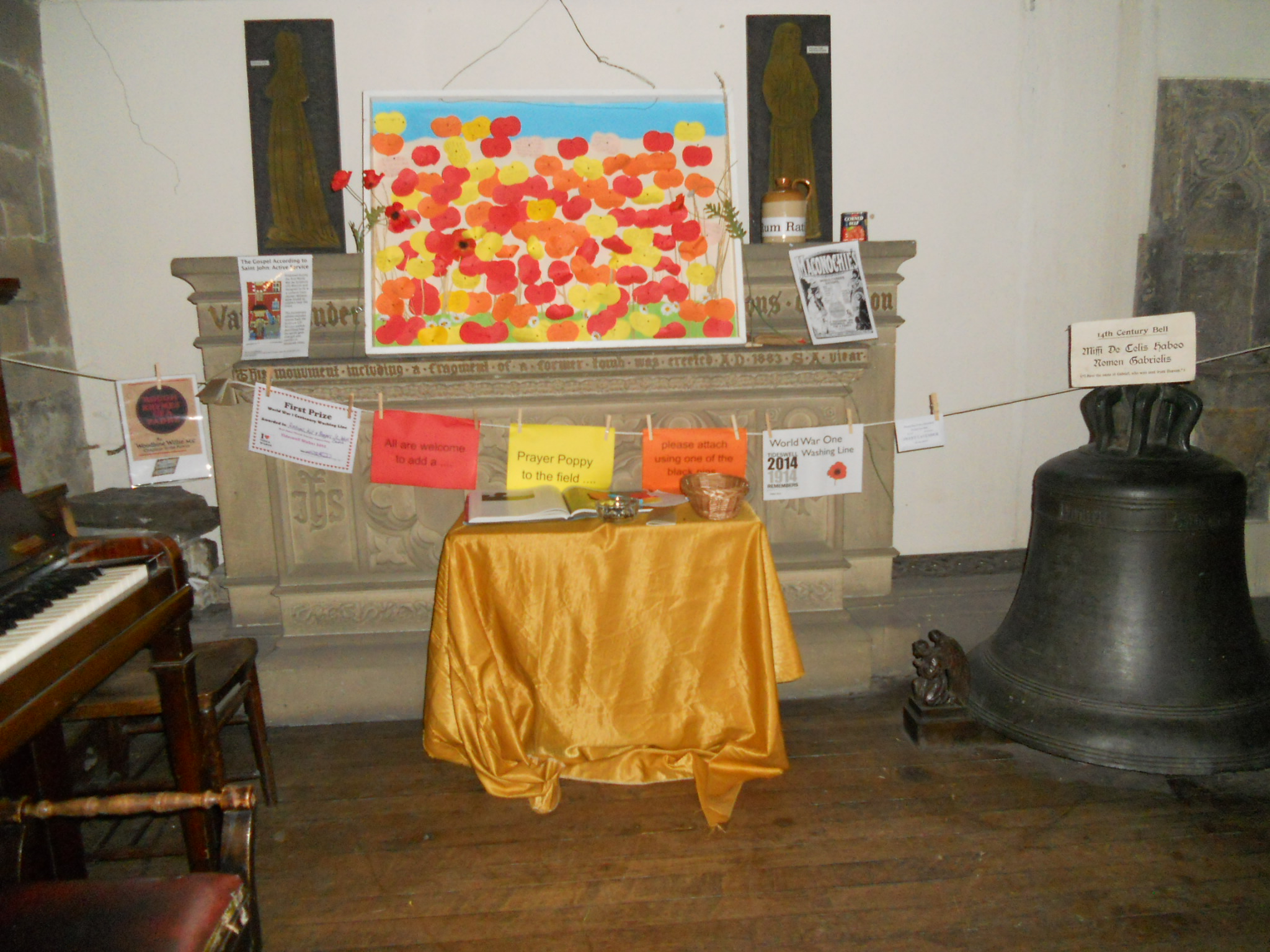
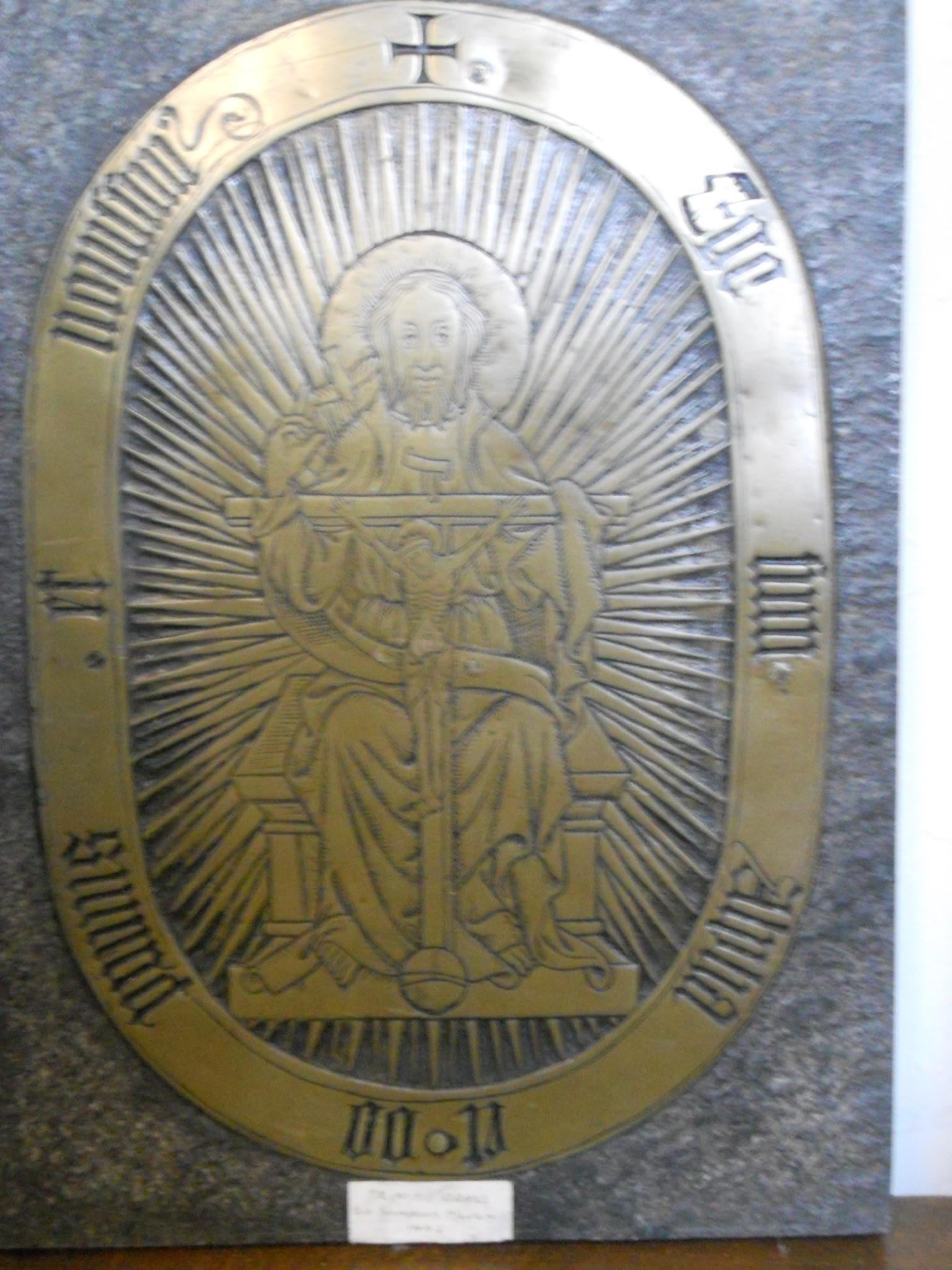 The church also houses the Tideswell embroided map. This is a very interesting church to visit with plenty to see.
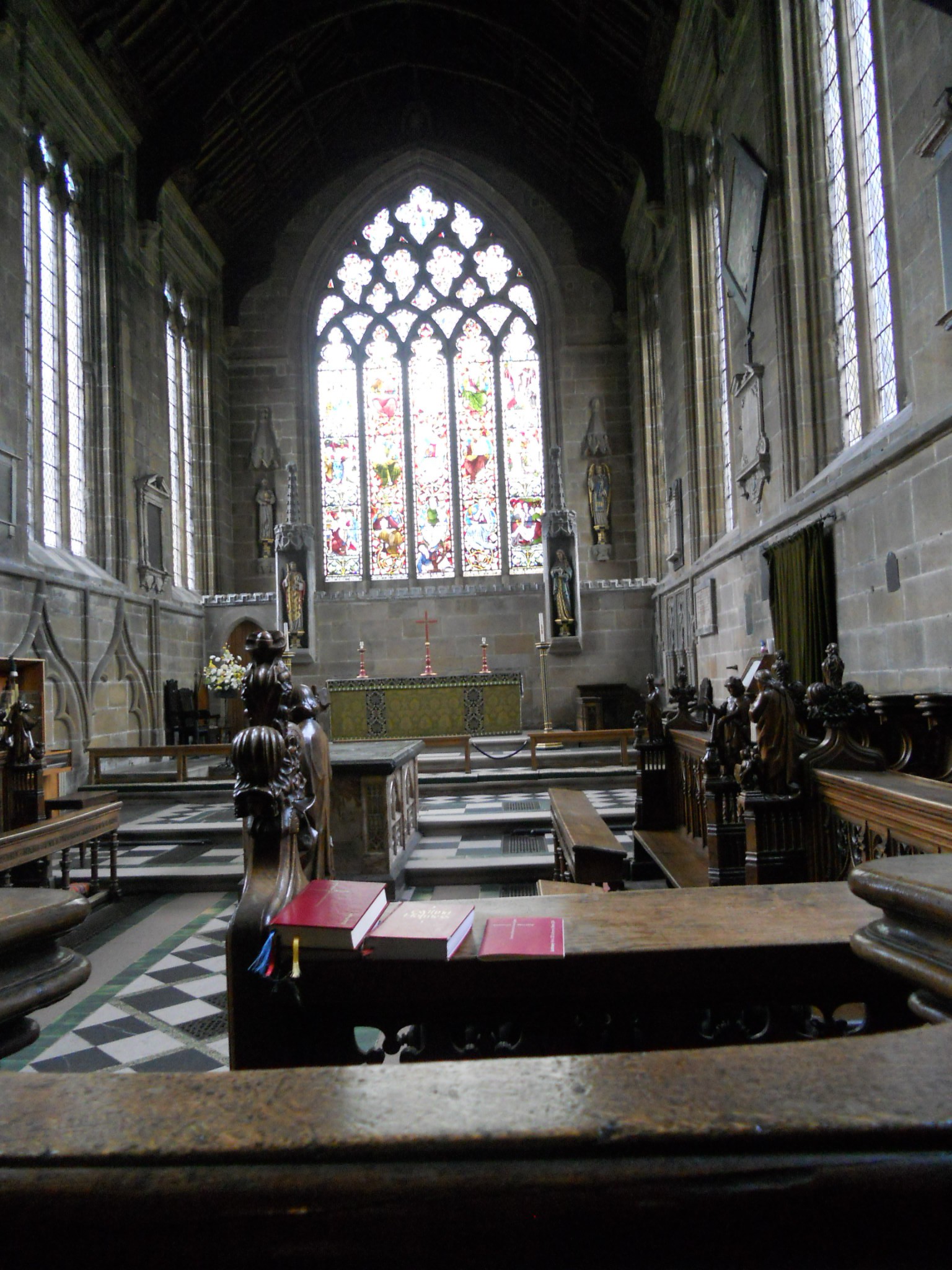 This is more than a historic building though as it has a ‘prayed in’ atmosphere about it. A ‘Daily Prayer’, ‘Exciting Holiness’ and a Lectionary left out show that here is a place where regular prayer is offered.
In the Lady Chapel is a good reflection on the cost and waste of war as well as a good statue of our Lady.
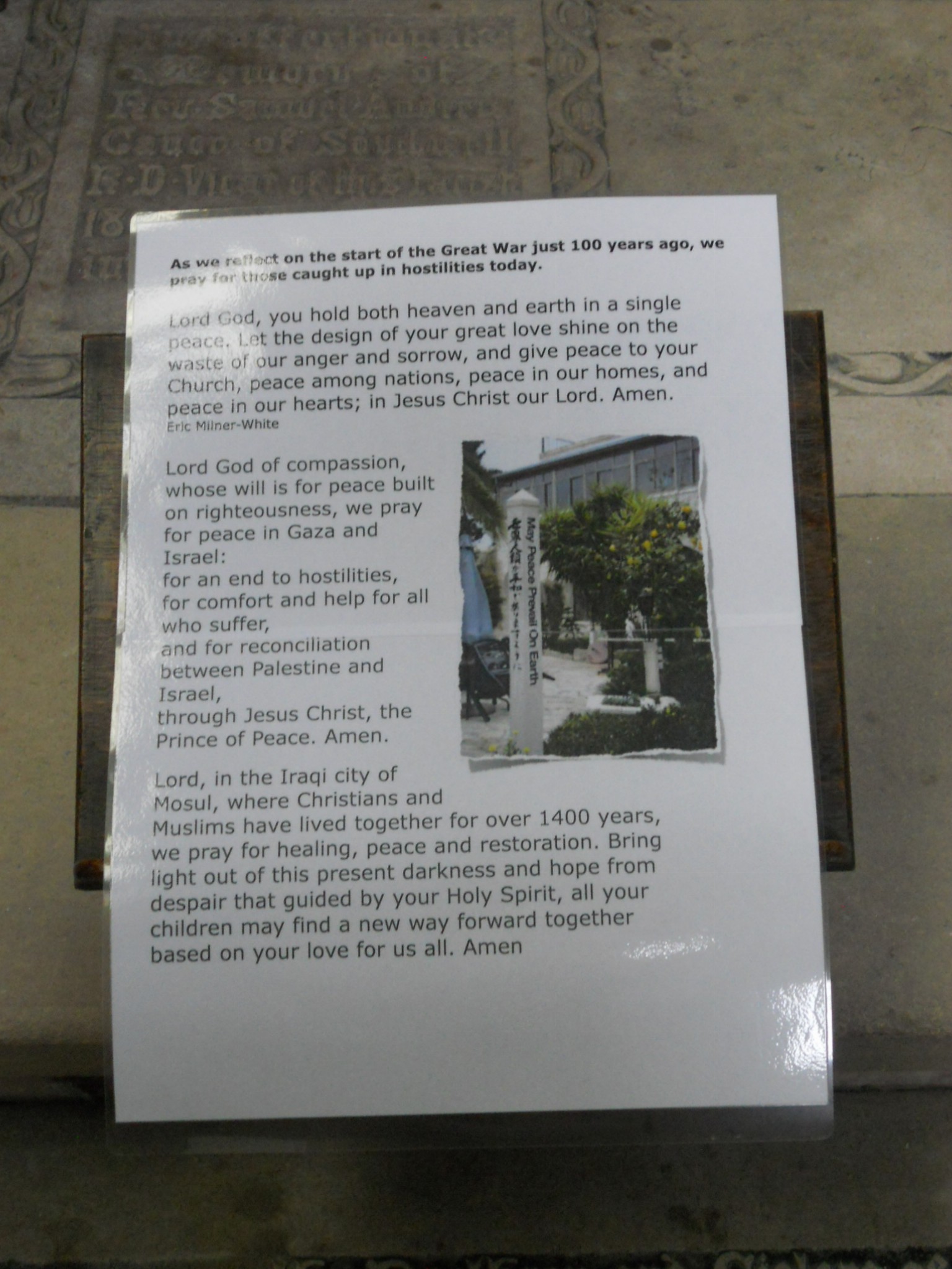
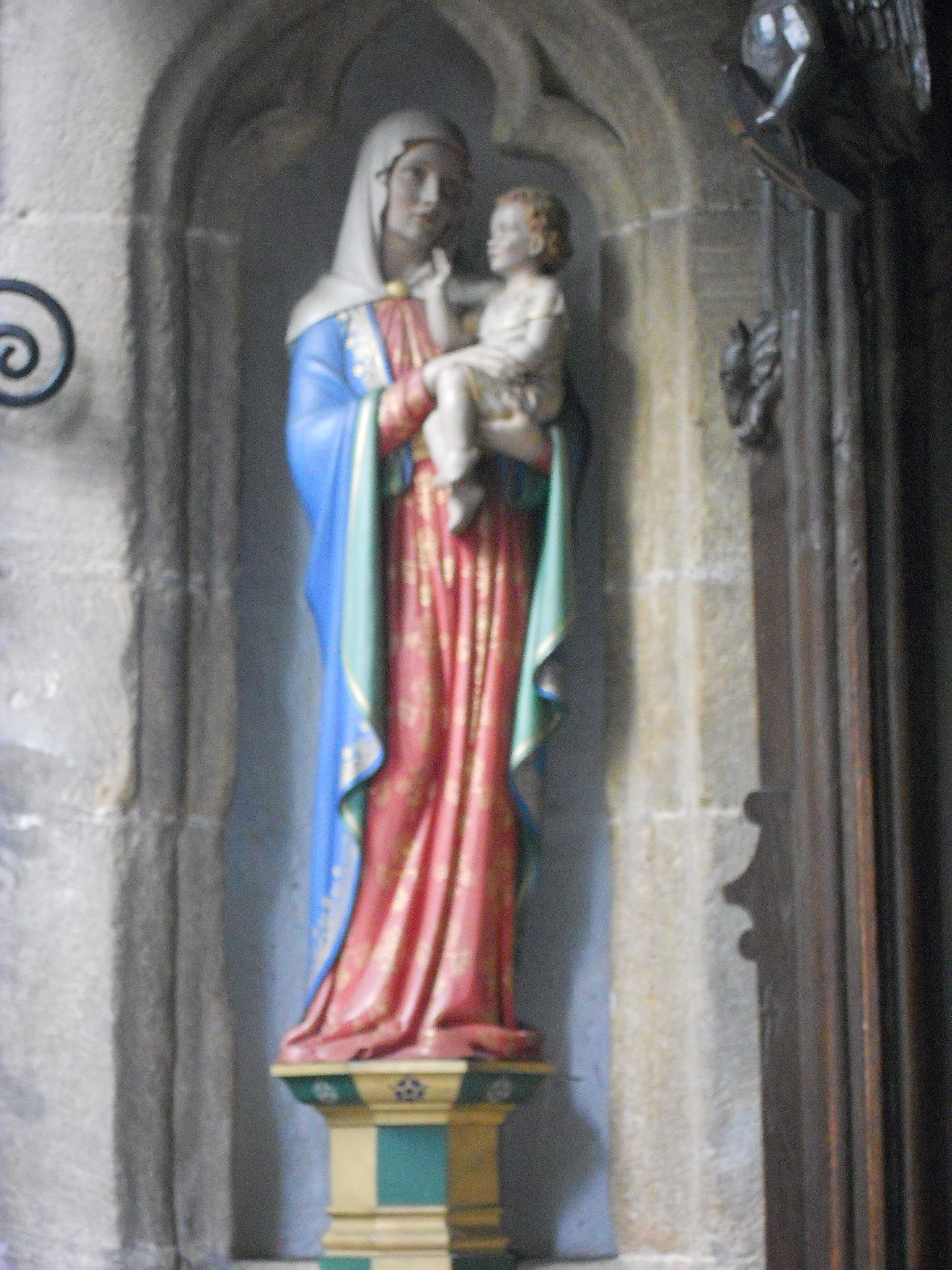
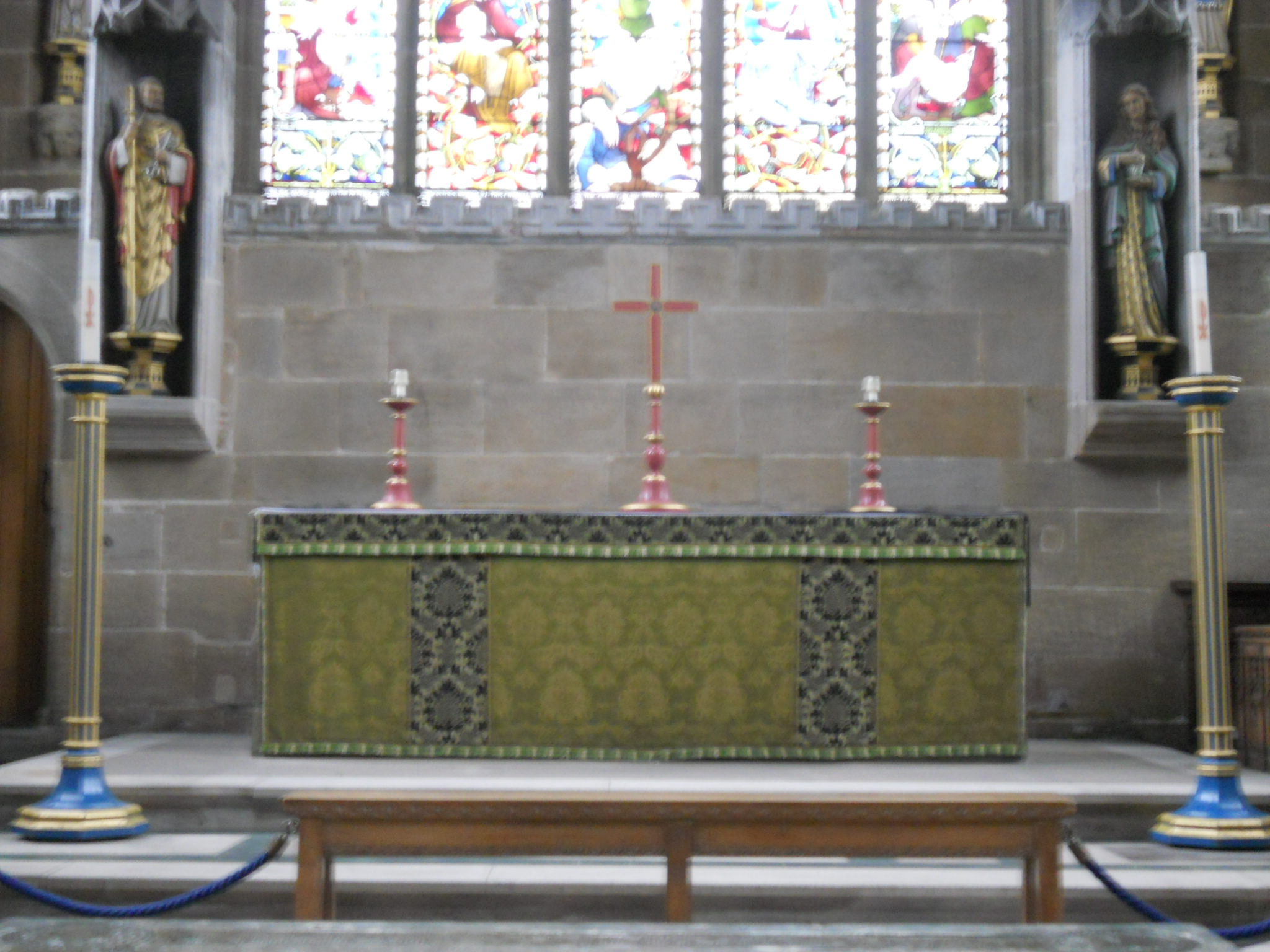
I rate this church as very good – some way of enabling visitors to offer prayers would be good as would something aimed at children but this is certainly a church that any visitor to the Peak District must see.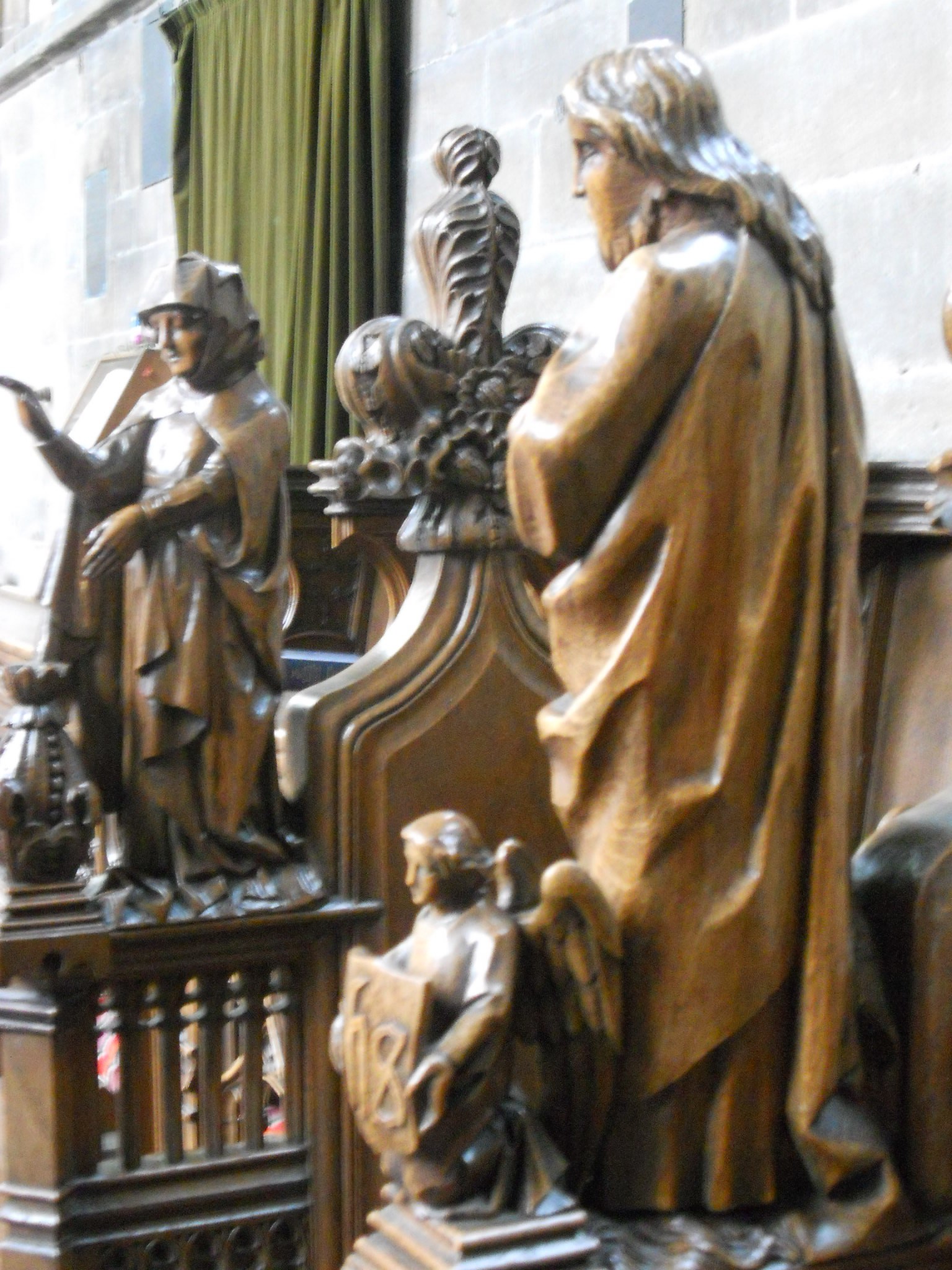
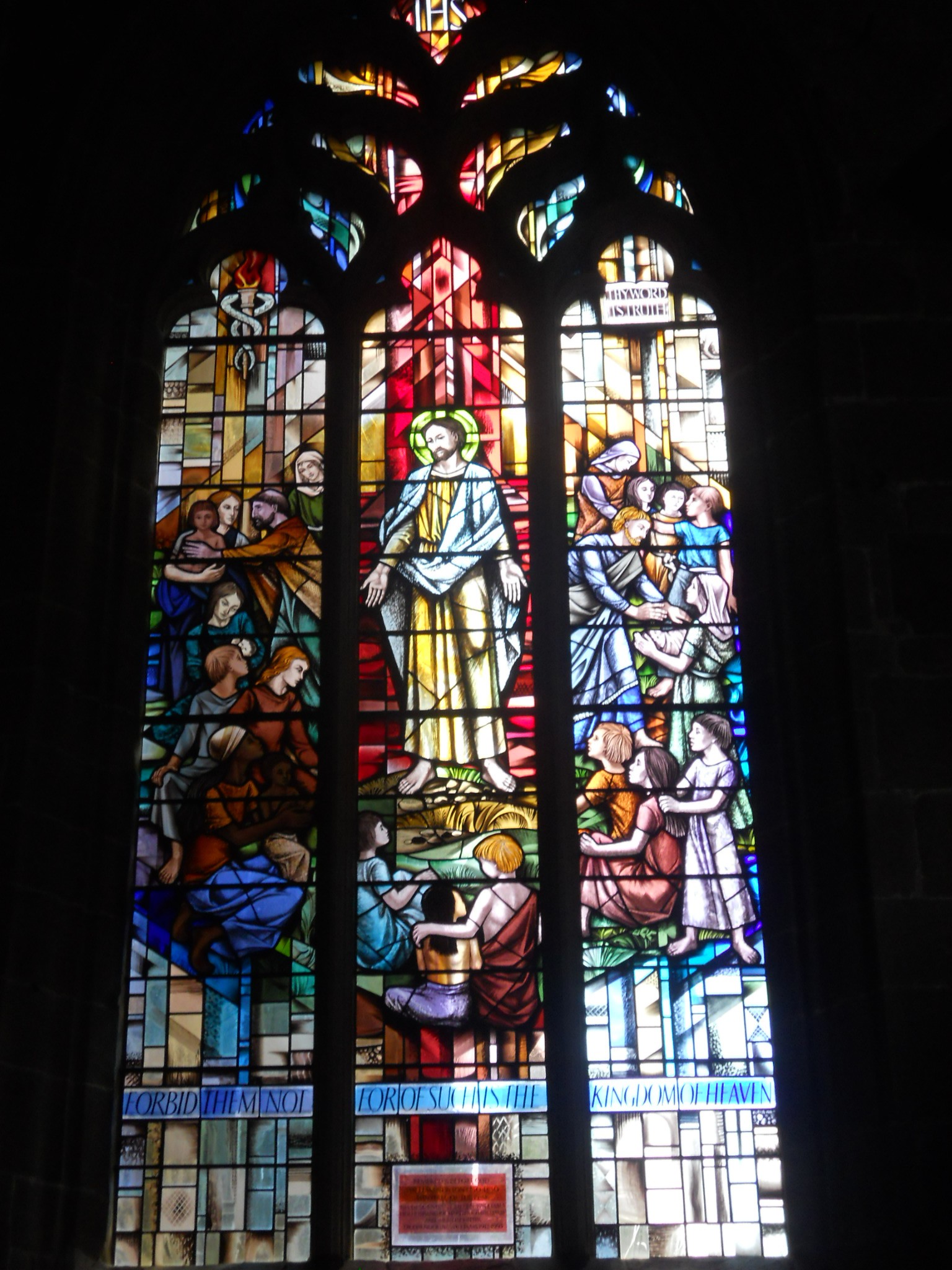
William Newton window
St. Barnabas, Bradwell
 Climbing out of Castleton on a narrow and very steep lane it doesn’t take long to drop into Bradwell. I was lucky enough to hit upon it during the Gala Week. There were several events going on, including well dressing. The Methodist church was serving lunches and the Anglicans had an art and craft exhibition on. They were also serving good cakes and tea. The church is normally open each day.

Another Victorian building, dating from the 1860’s (the tower was added some 30 years later), St. Barnabas presents a well cared for appearance. There were some good crafts and art on show, from different age groups. There was a simple history of the church and some cards were on sale. The visitors books showed 57 names in the last 6 days.
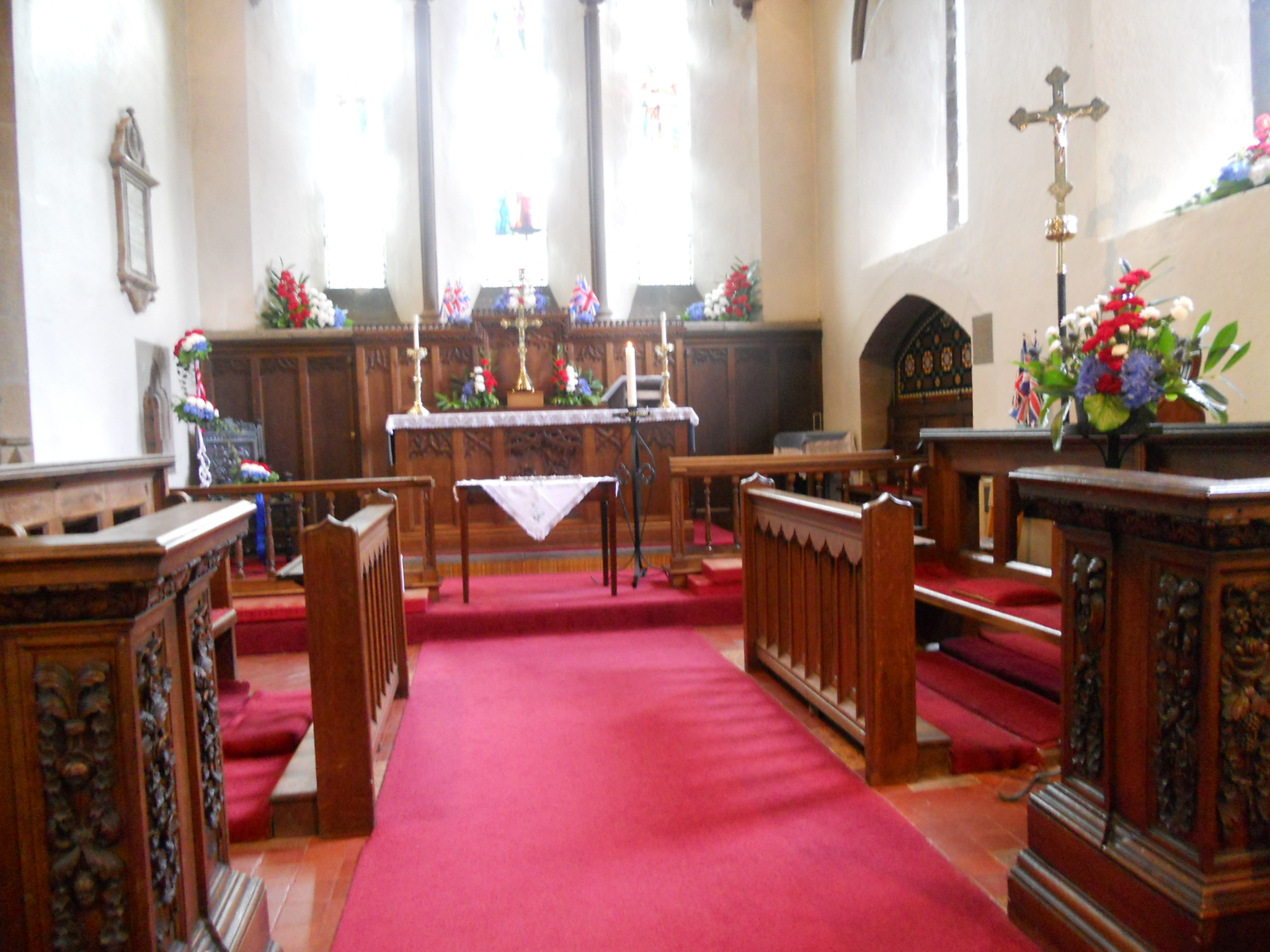
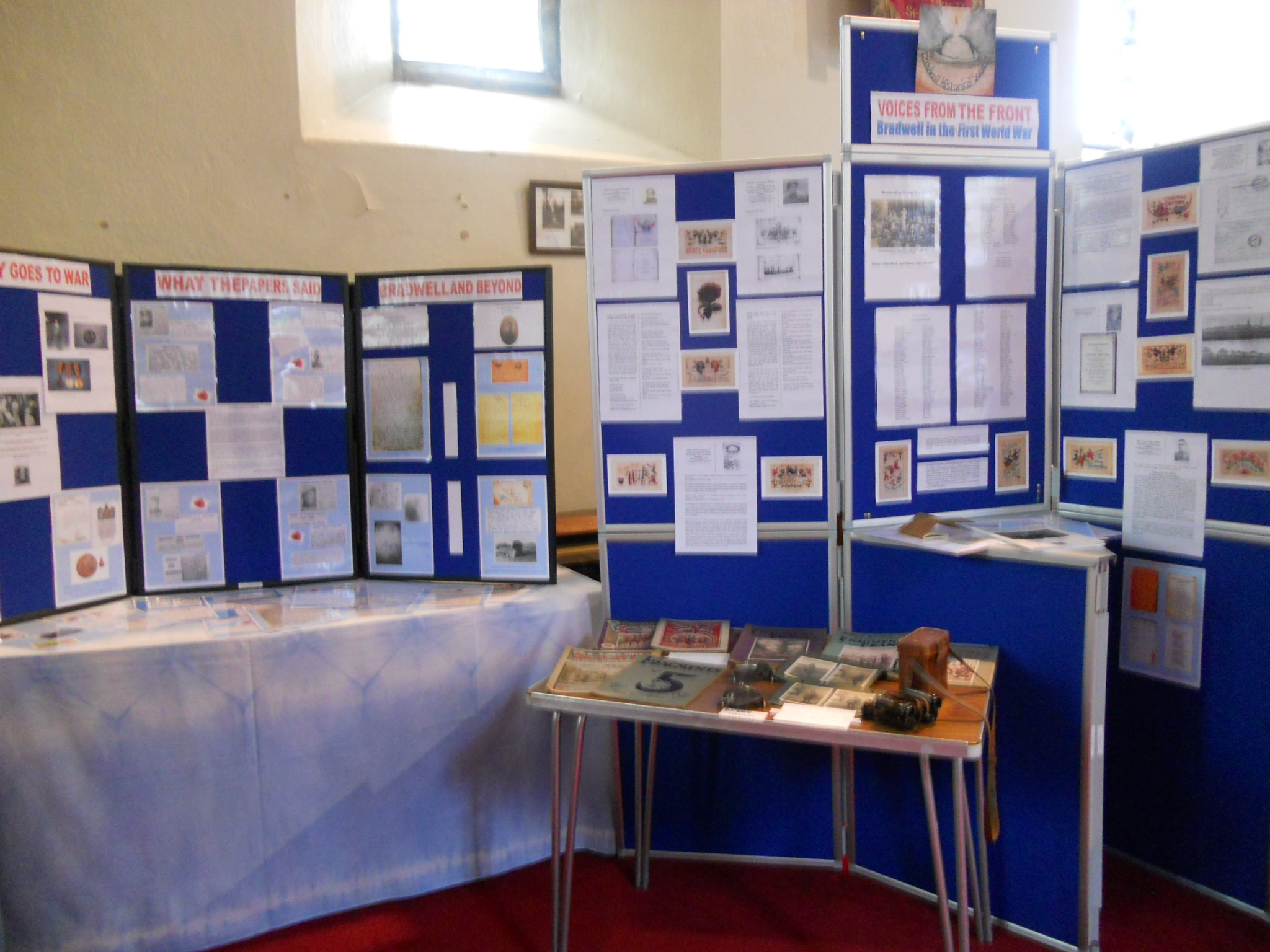
A prayer cross had been set up near the pulpit and prayers could be written on ‘post its’ and stuck on it. Quite a few people had done this. A World War 1 display emphasised the local links that affected many in the village in all sorts of ways.
I rate St. Barnabas as OK for this study. Worth a look.
St. Edmund, Castleton
 The village of Castleton was busy the day I went. St. Edmunds was getting it’s fair share of visitors too. Here is another interesting church. It is open each day and there were 245 entries in the visitors book for July. That means a substantial number come here. Outside the notice board only mentions the services held here but there is a good welcome notice on the door – dogs are also welcome.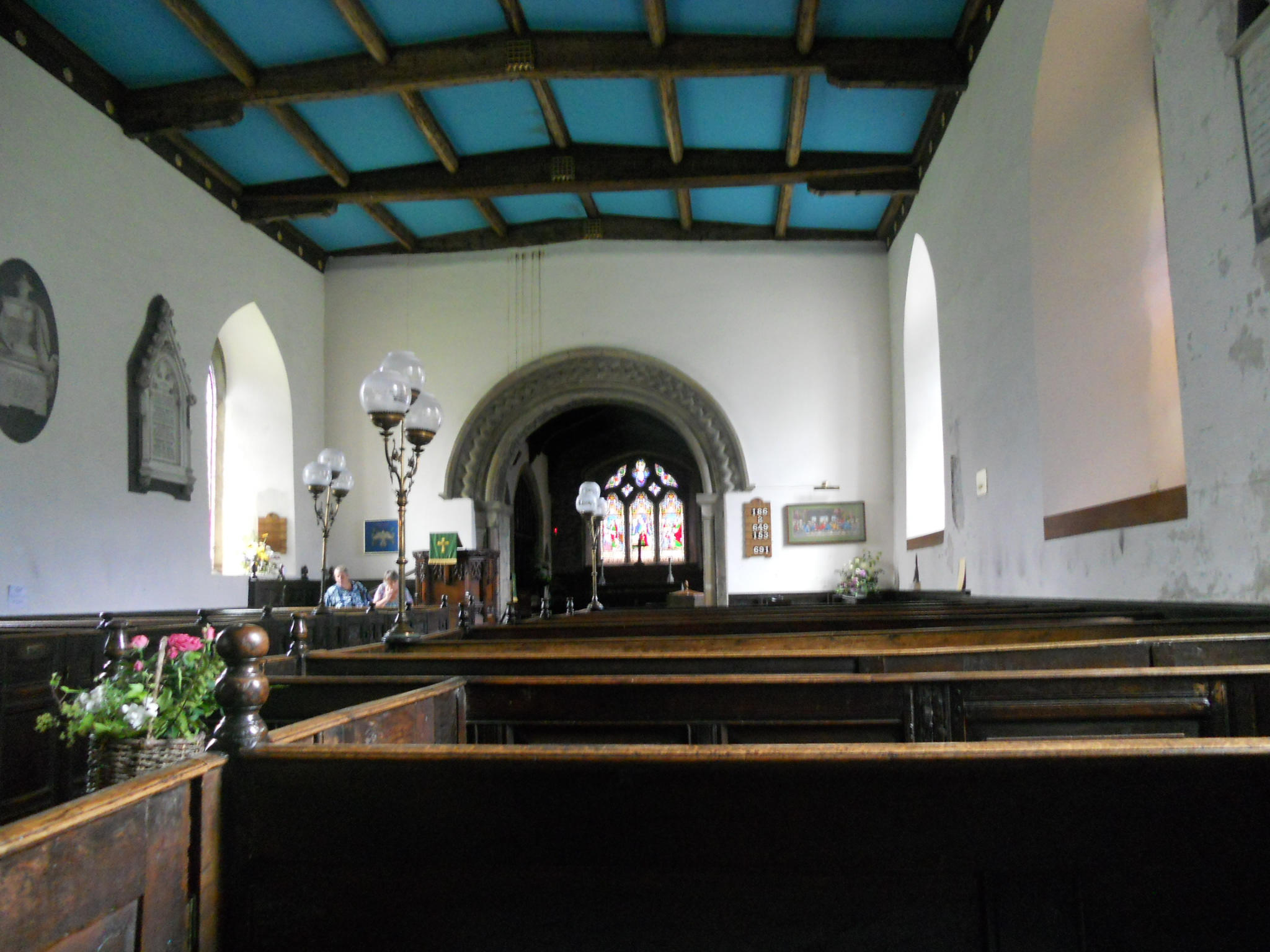
I found a pryer request book, a guide book, book marks, cards and prayer cards for sale as well as secondhand books which were being well browsed. There are some timed lights for visitors to put on too. The box pews here give an old fashioned look to the interior.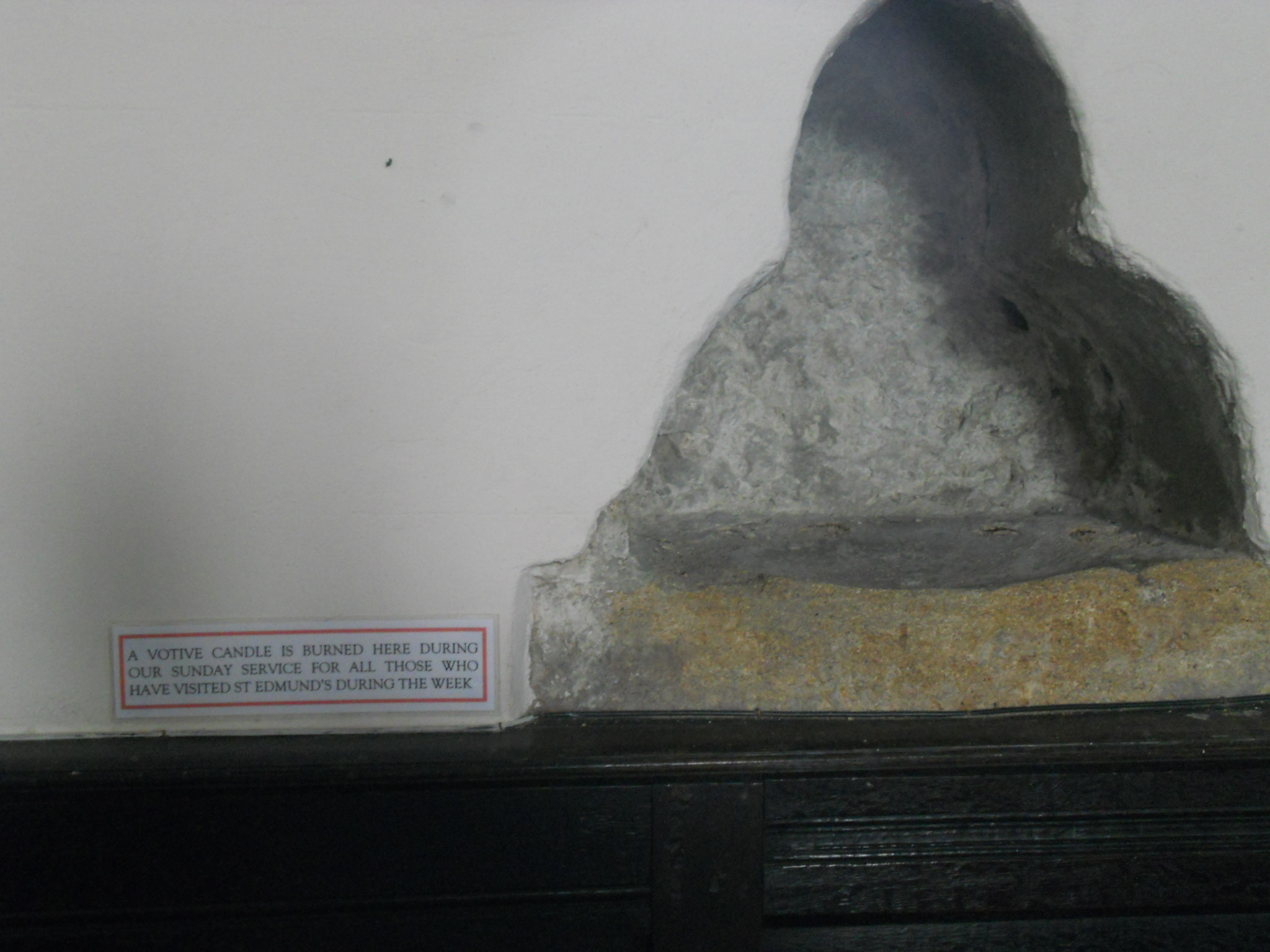
A votive candle is burnt each Sunday – an unusual idea but several people remarked on it whilst I was there. There is also a history of the church display , a ‘Vinegar Bible’ and a ‘Breeches Bible’ in a case and some children’s work is on show as well. All in all, I rate St. Edmund’s as good for the purposes of this study. There doesn’t seem to be a church website but the achurchnearyou entry is a good one and starts by saying that visitors and dogs are very welcome.

St. Michael and All Angels, Hathersage

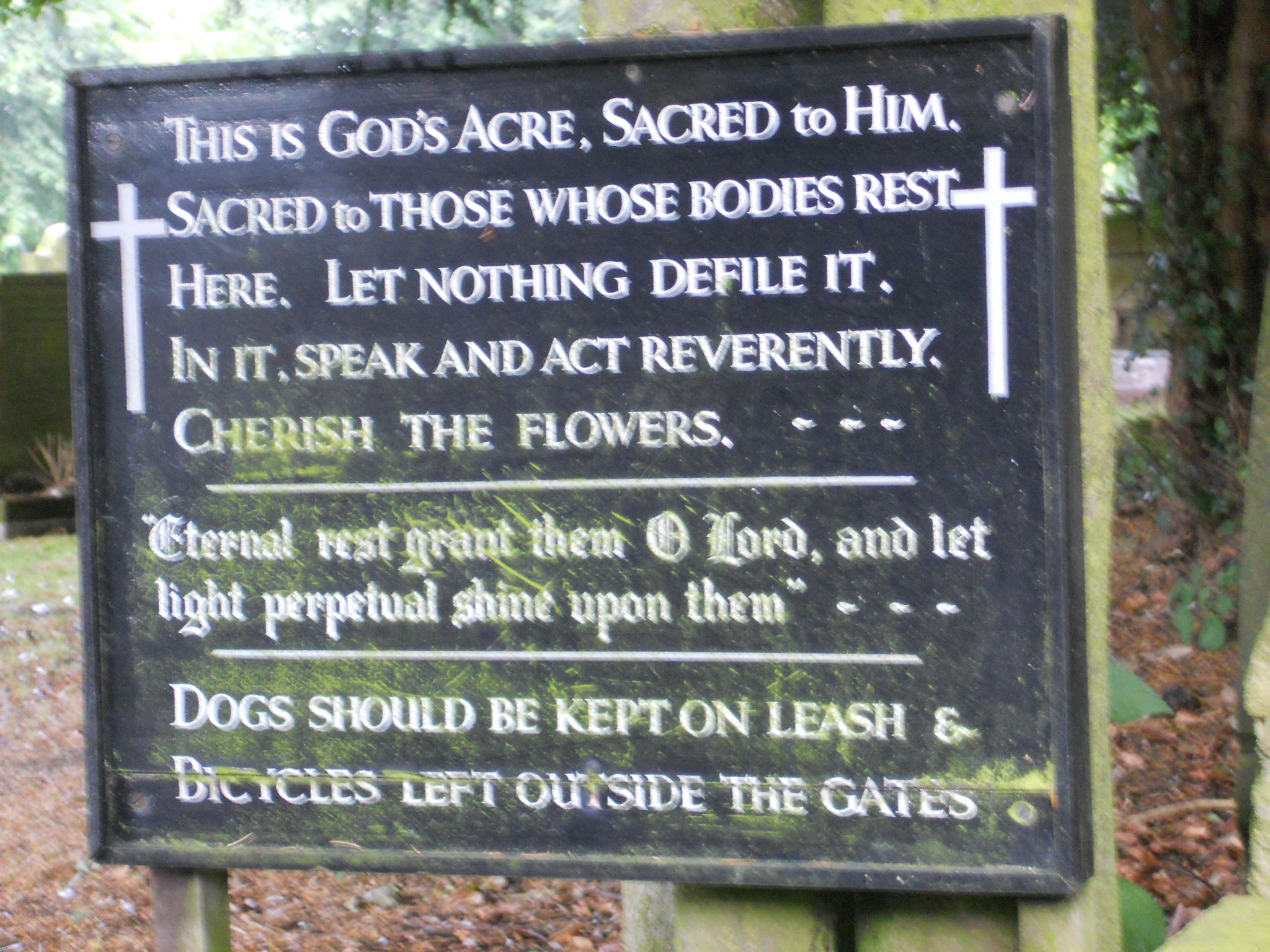
This church features one of the Diocese of Derby banners – ‘Church open to experience and explore’. It is open each day.There is a guide book, local information books, guided walks, post cards, Christian books and local history books. There is even a children’s guide which is very good. So few churches bother with these. This one is in a cartoon style and was obviously a labour of love by Kathleen Tetley who wrote and drew it. It also explains the villages link with Charlotte Bronte.

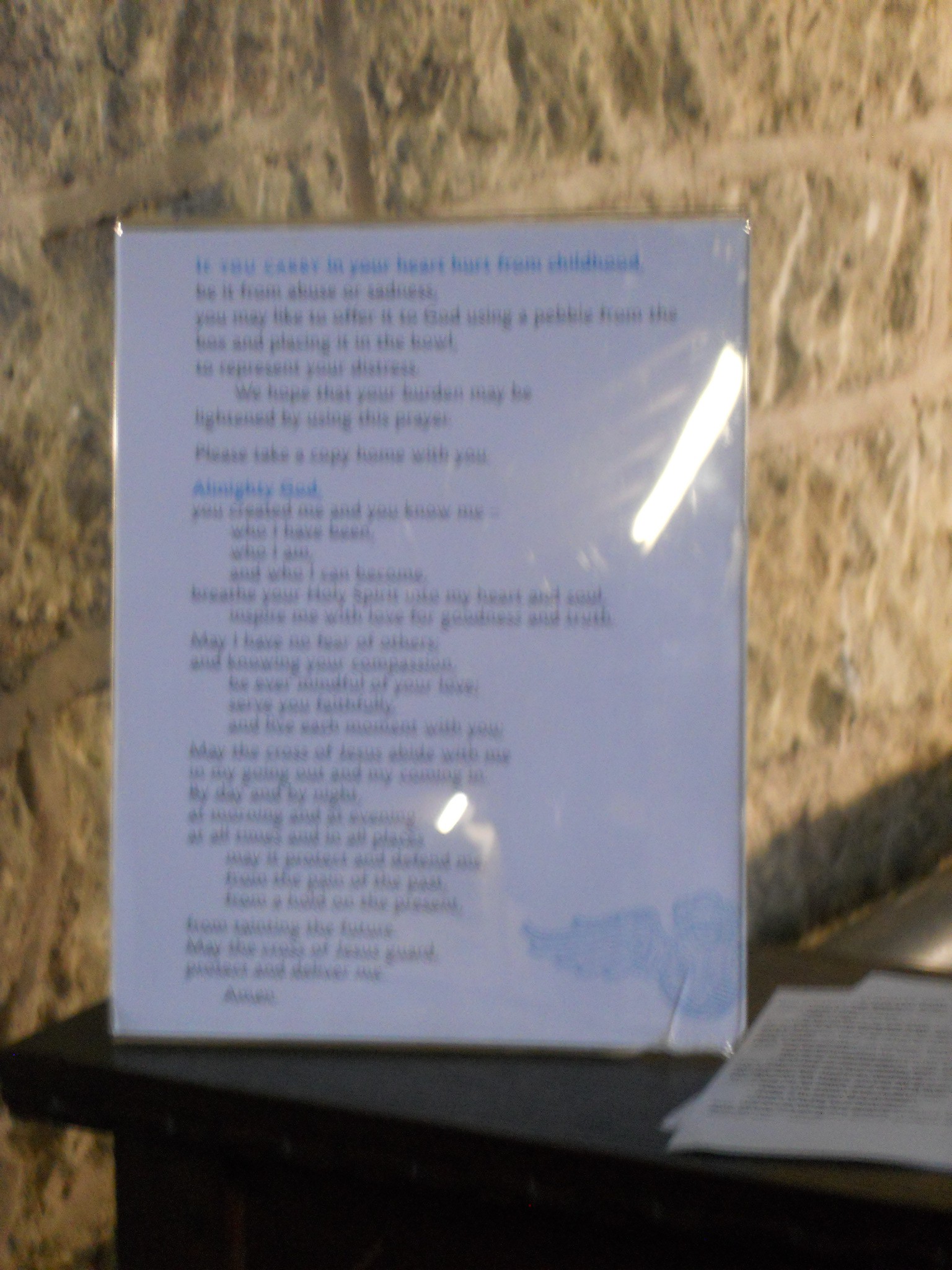
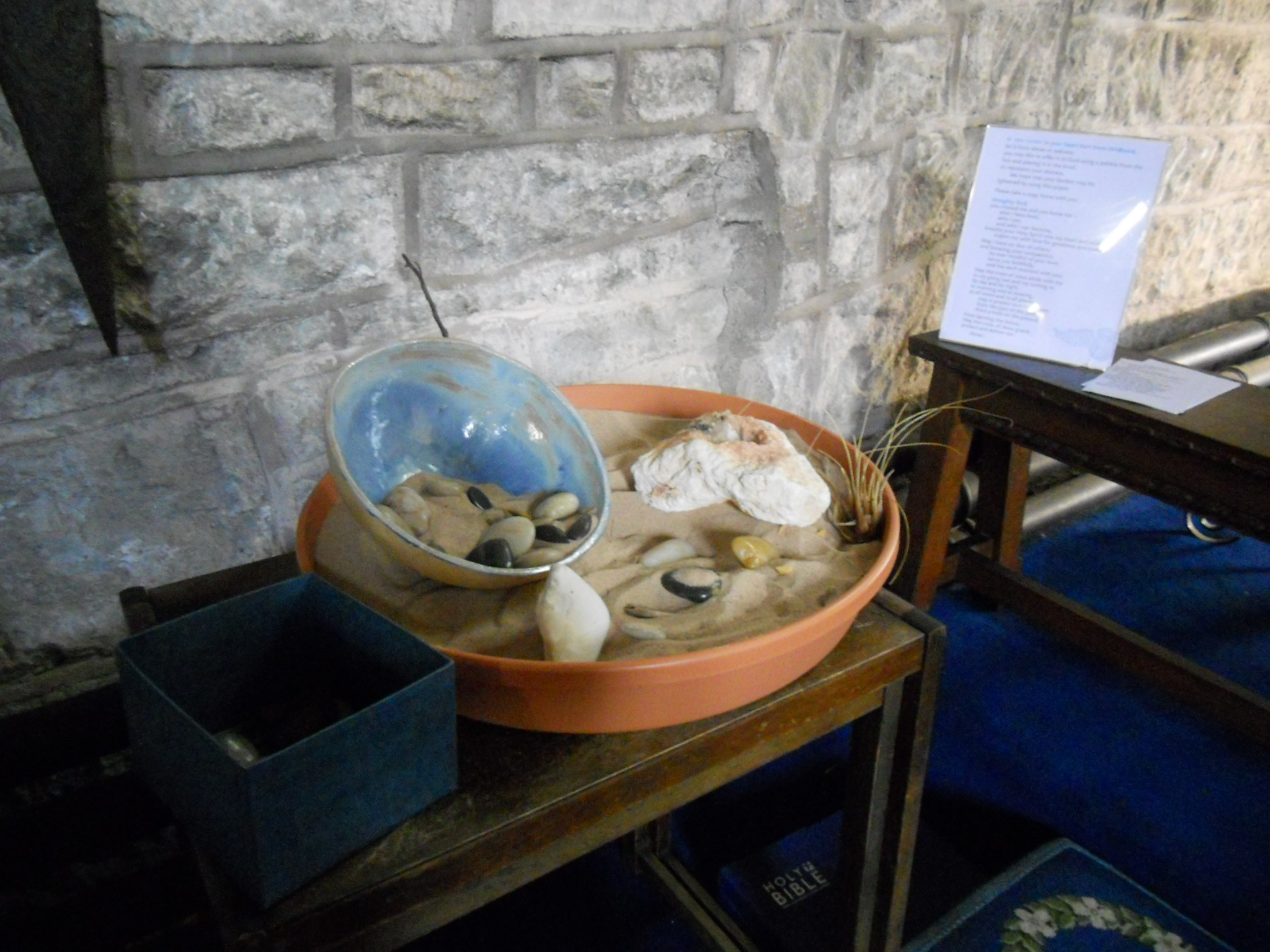
21 visitors had signed the book in July. Some lights were left on to help the visitor see what was what. A well used prayer book is available to enter prayer requests in to. The memorial book was open on the days date but there is a folder giving a photo of each page of the book so that people can look up the relevant day – a good idea. There was also something else I hadn’t seen before here. A prayer ‘station’ for those who had suffered hurt from child hood’. There are pebbles to lay down as a way of praying. Imaginative and very moving. It was obviously well used.
St. Michael and All Angels, Hathersage
This church features one of the Diocese of Derby banners – ‘Church open to experience and explore’. It is open each day.There is a guide book, local information books, guided walks, post cards, Christian books and local history books. There is even a children’s guide which is very good. So few churches bother with these. This one is in a cartoon style and was obviously a labour of love by Kathleen Tetley who wrote and drew it. It also explains the villages link with Charlotte Bronte. The church is well signposted from the main road – good as it is up a narrow lane and might be otherwise difficult to find.
21 visitors had signed the book in July. Some lights were left on to help the visitor see what was what. A well used prayer book is available to enter prayer requests in to. The memorial book was open on the days date but there is a folder giving a photo of each page of the book so that people can look up the relevant day – a good idea. There was also something else I hadn’t seen before here. A prayer ‘station’ for those who had suffered hurt from child hood’. There are pebbles to lay down as a way of praying. Imaginative and very moving. It is well used.
St. Michael & All Angels is a good church to visit and and I rate it as very good.
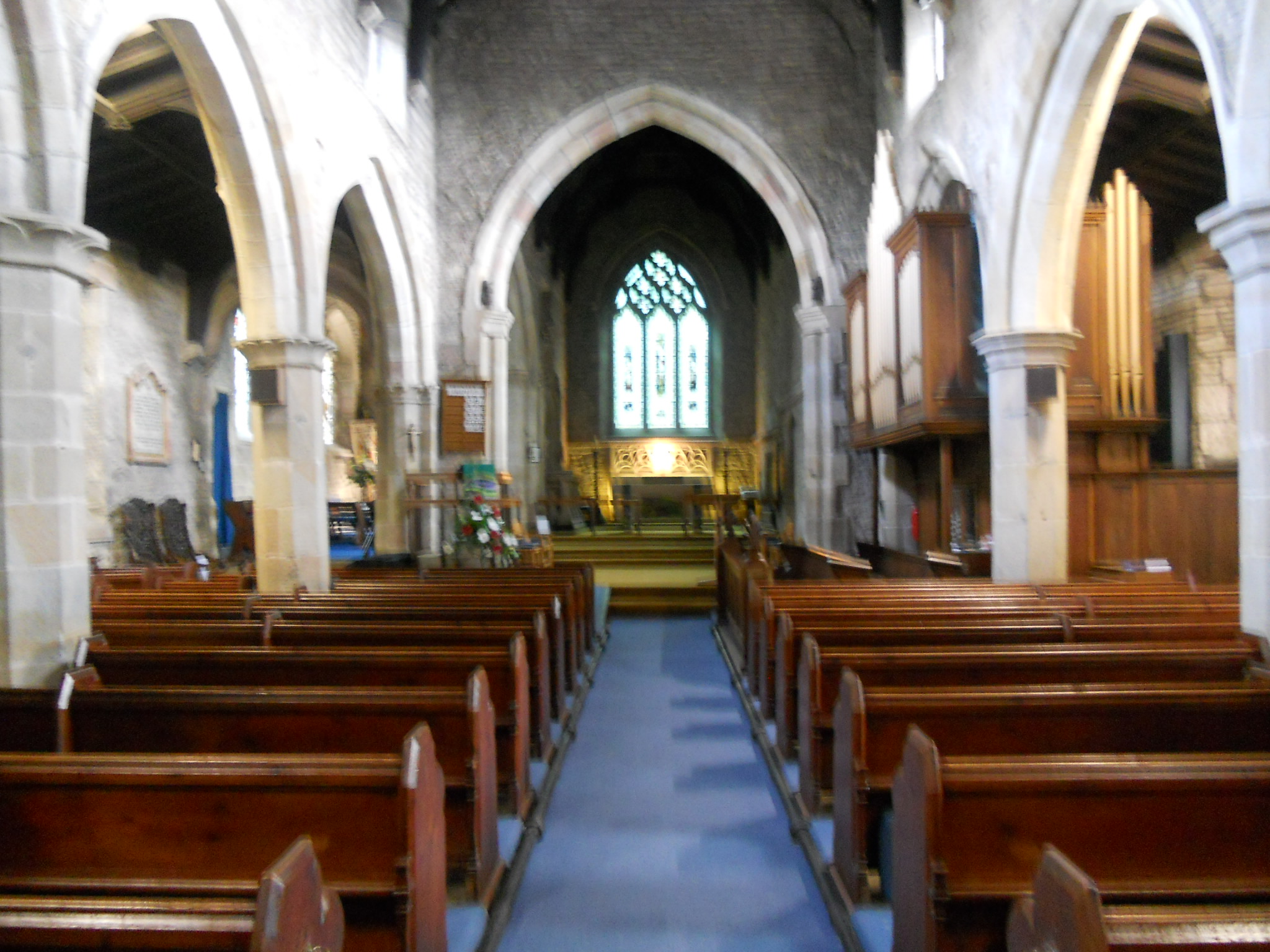
St. Michael & All Angels is a good church to visit and and I rate it as very good.
The church website is a good one at http://www.stmichaelandallangelshathersage.org.uk/ but no visitor information is there apart from how to find the church.
St. Helen’s, Grindleford

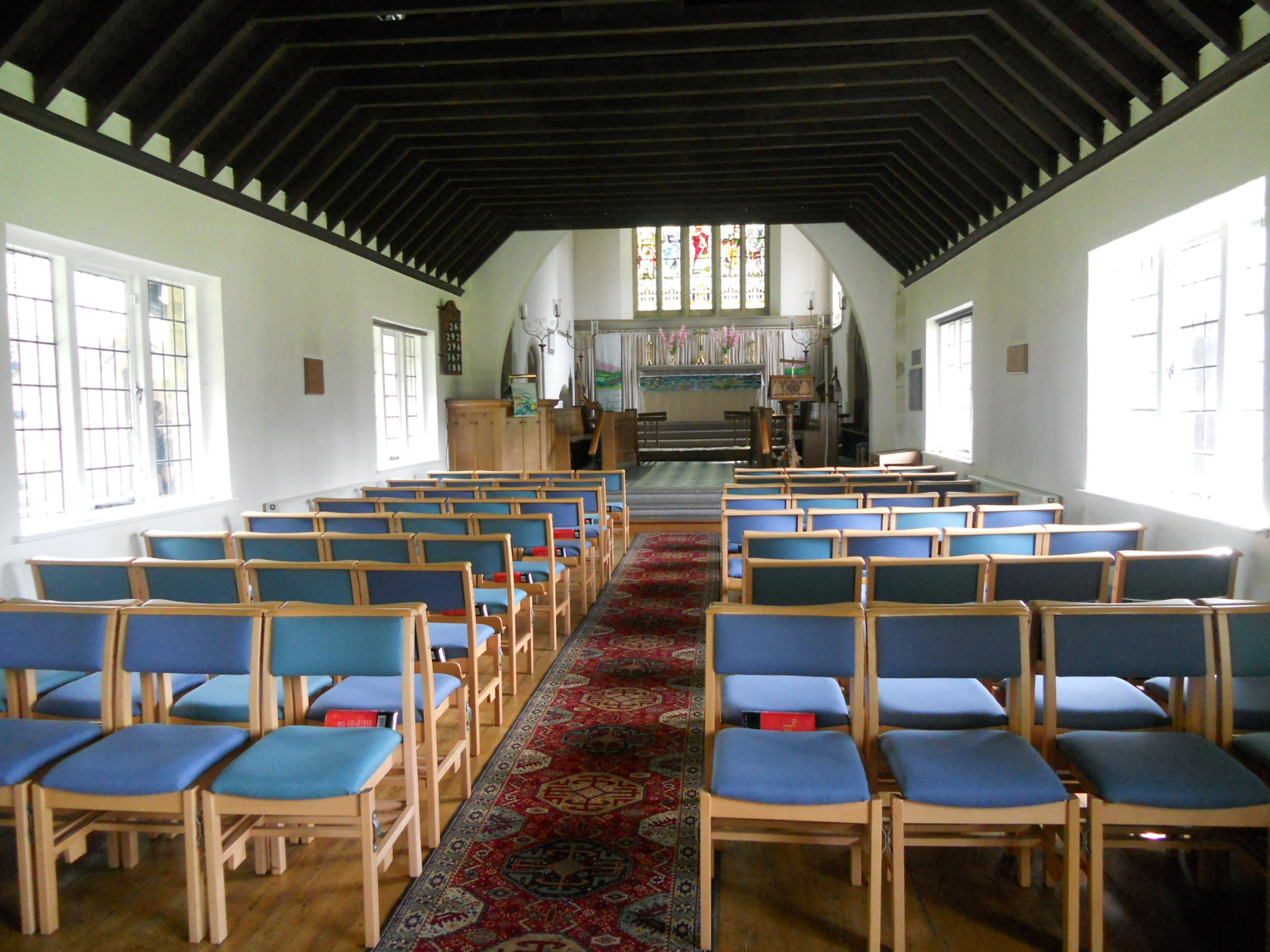
 St. Helen’s is a rather strange but delightful church. The chancel and south side chapel date from 1910 and the nave was added later in a different style – perhaps funds were short after the Great War? The south chapel now houses a community shop where I was able to buy my lunch. They serve teas etc here as well and were very friendly and welcoming. The church itself is open every day and is simple and rather lovely. There were no guides but some post cards and WW1 prayer cards. That was it. I have to rate it as just about Ok but it could be so much better with a little thought, especially as people are calling in the shop. At least it is open.
There was a very poignant memorial on the Chancel wall to a solitary WW1 casualty killed, like so many others, on the first day of the Battle of the Somme – 1st July 1916. The church website is at http://www.grindleford.com/links/st-helens-church/ and says that St. Helen’s is open every day.


St. Lawrence, Eyam
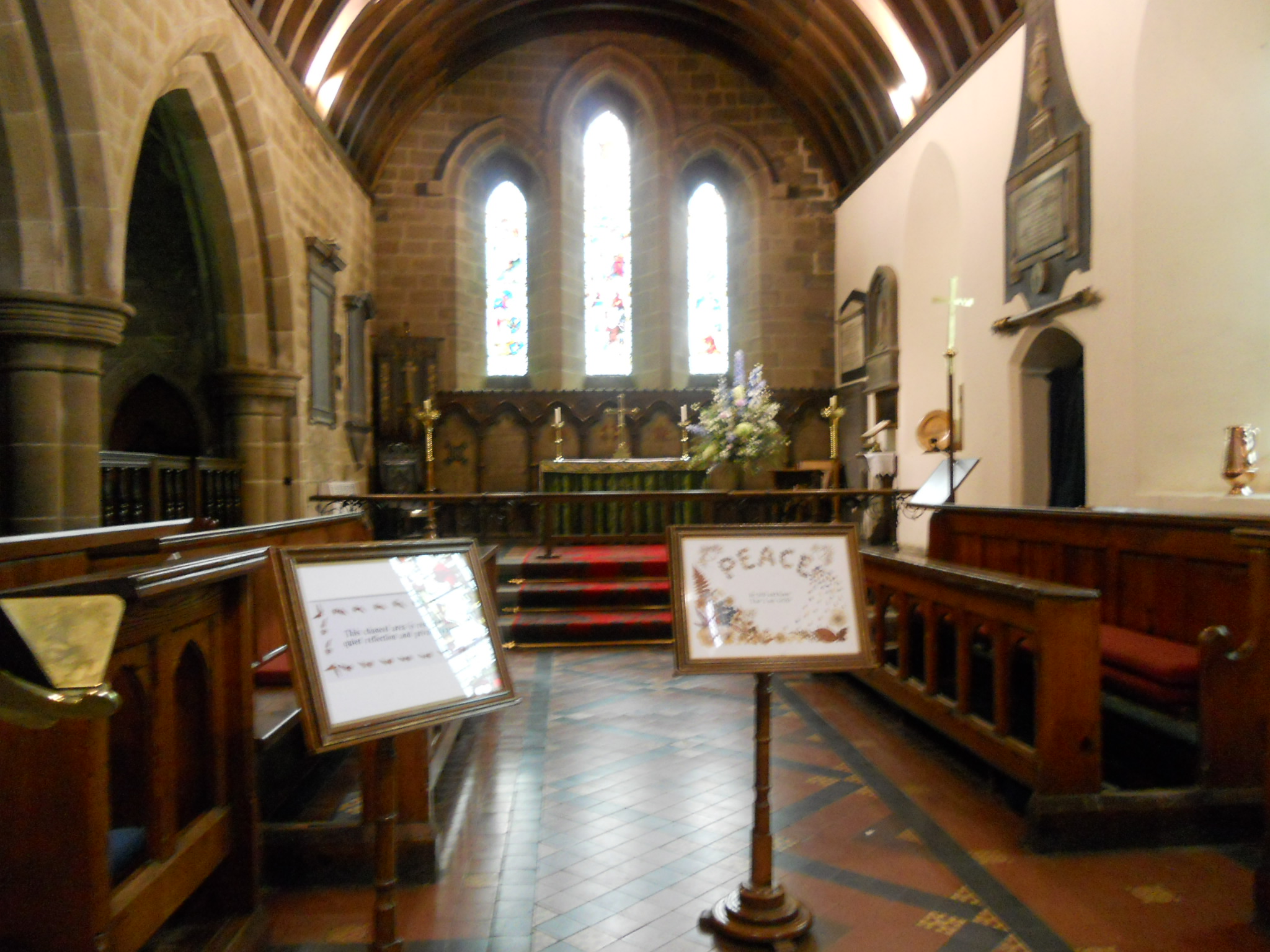
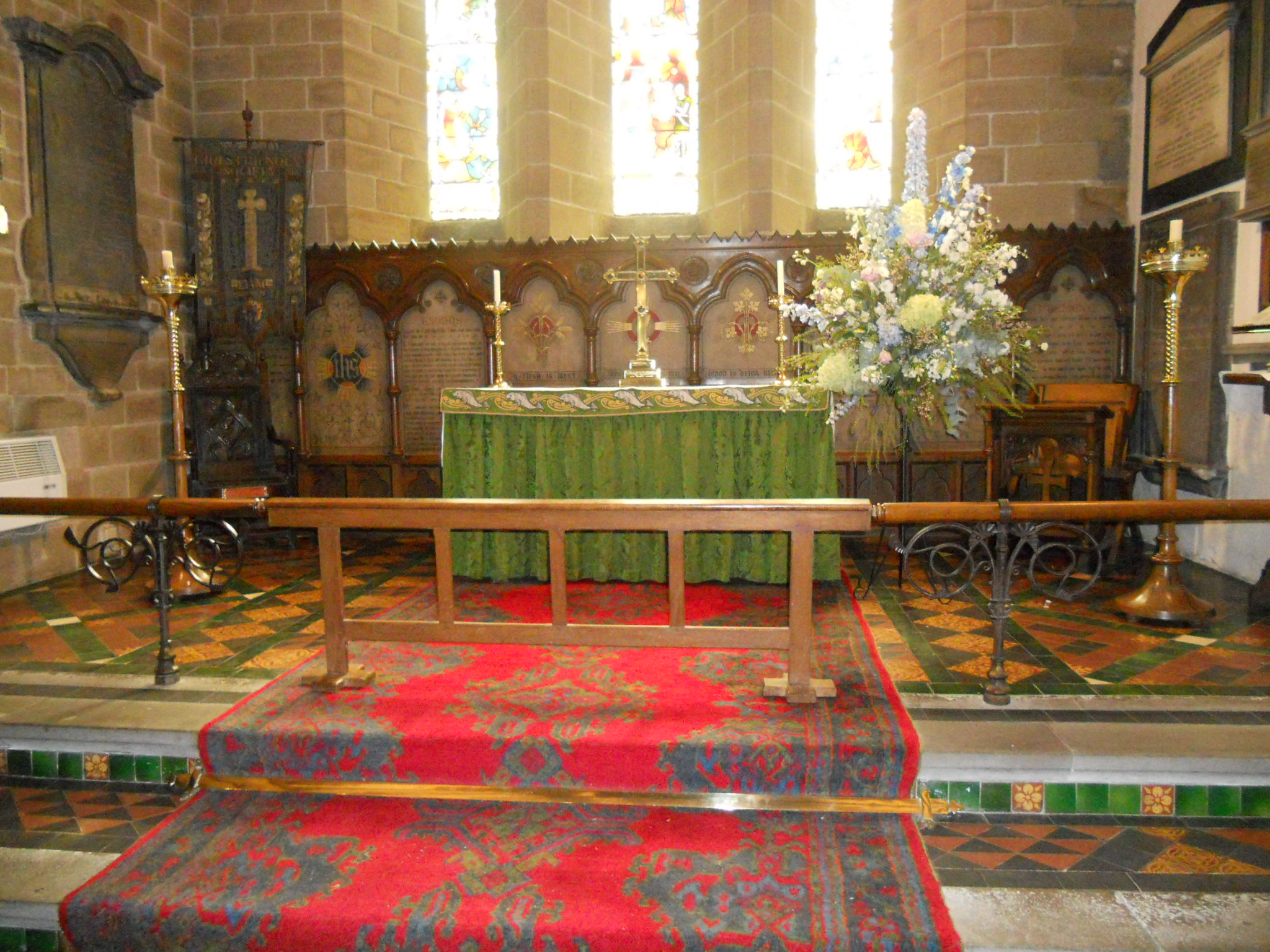
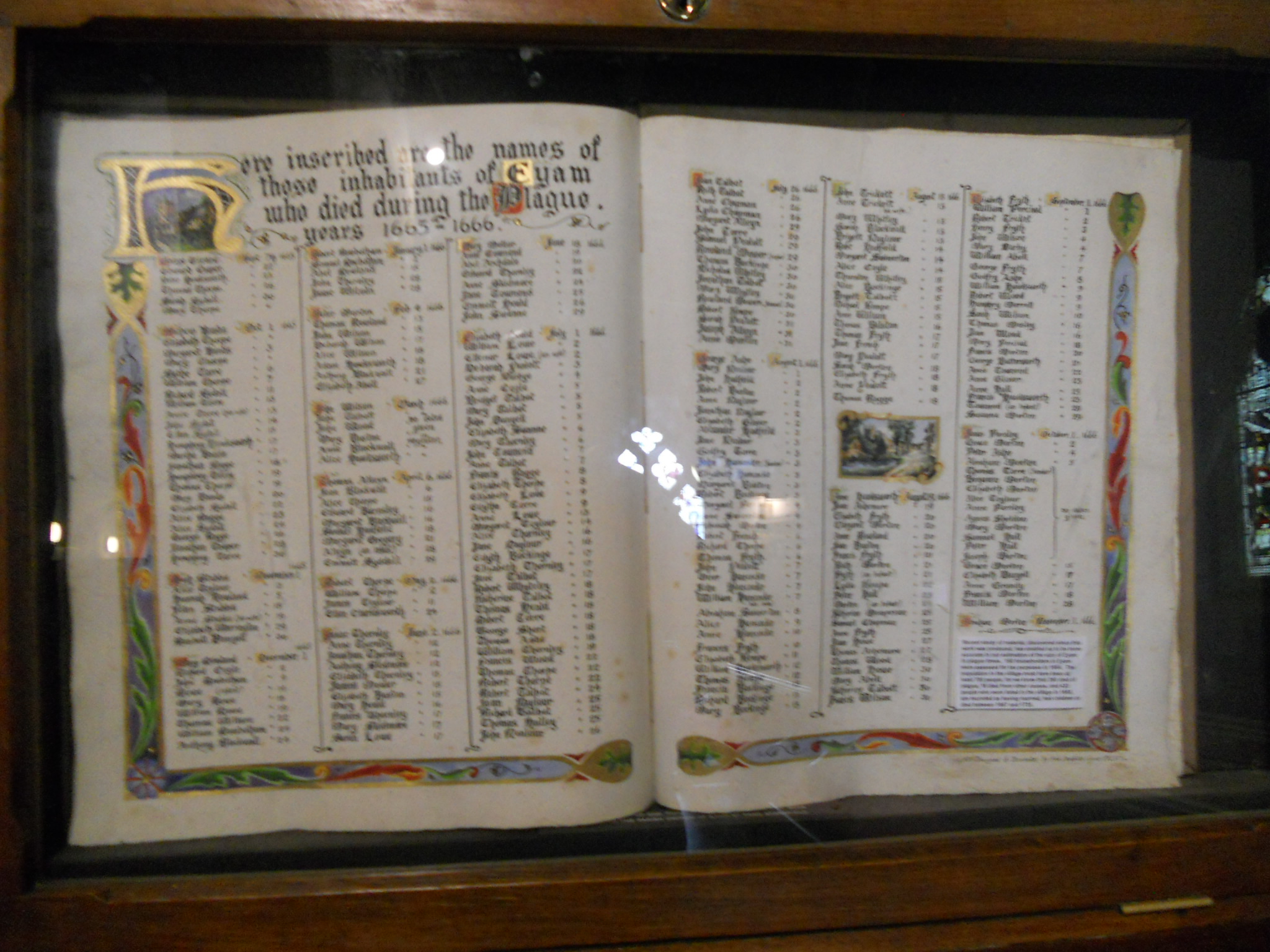
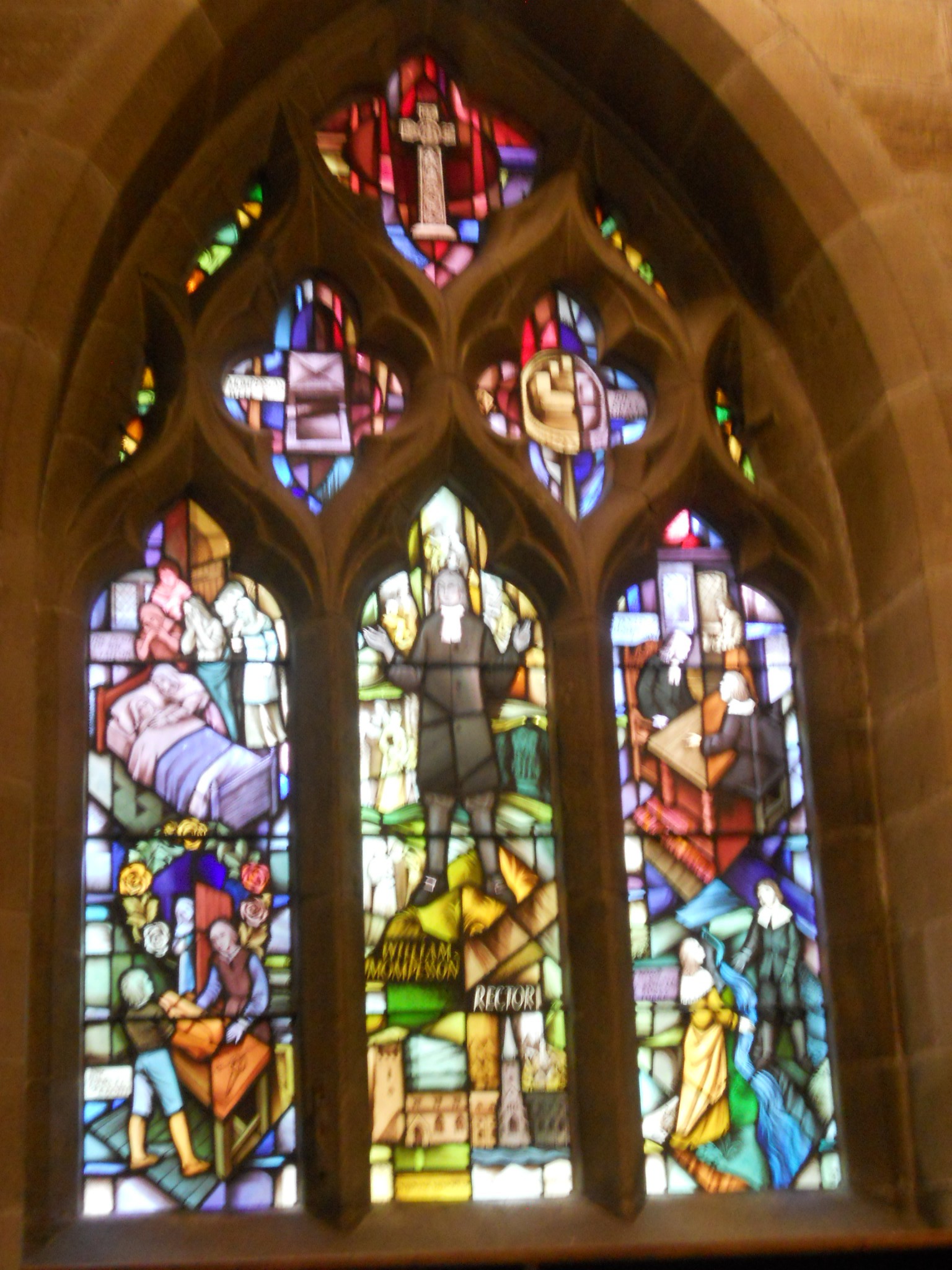
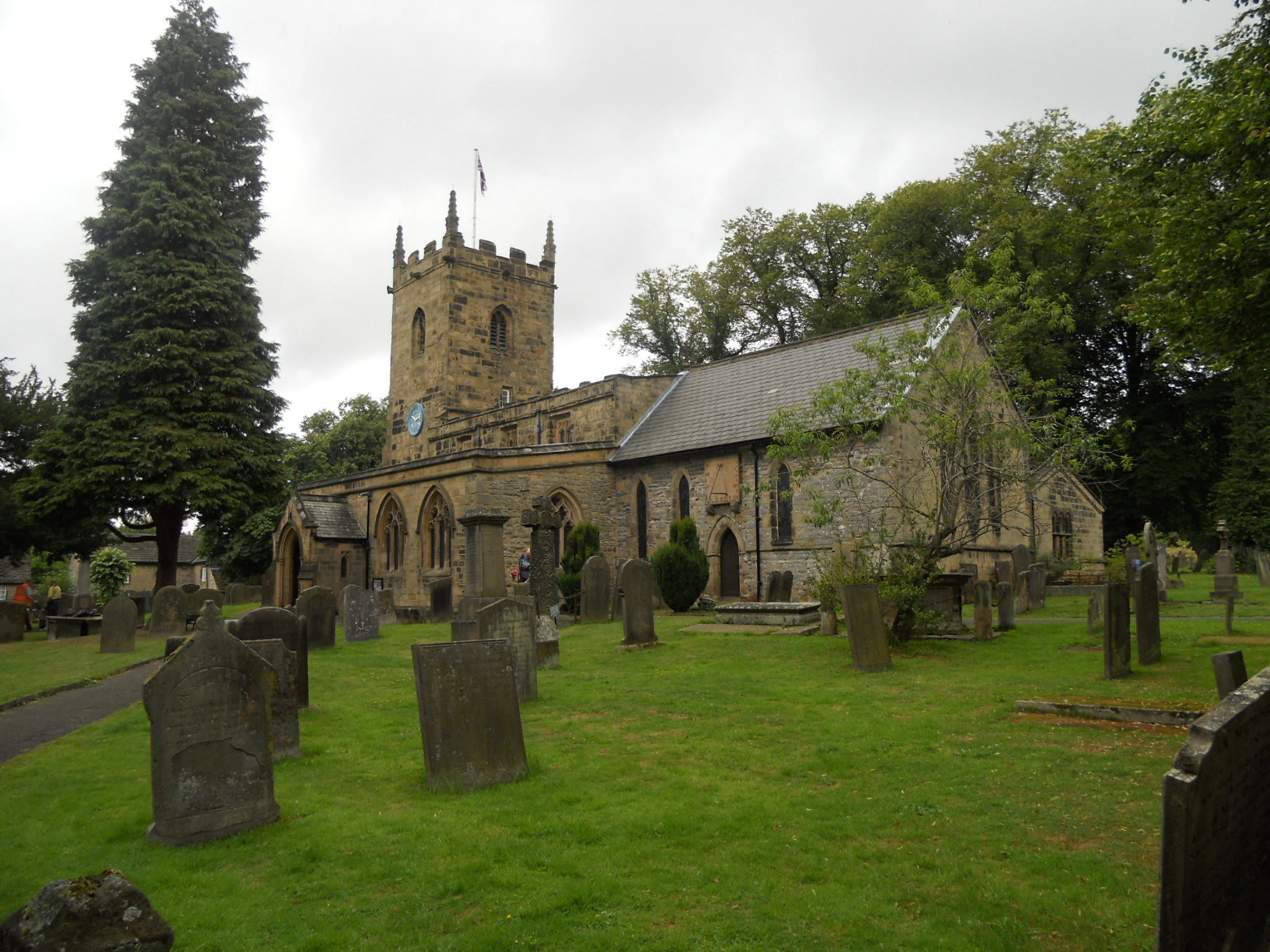 This is one of my favourite churches because of the story of the heroism of the villagers during the plague outbreak of 1665 – 66. The Parsons at the time Thomas Stanley and Parson Mompesson persuaded the village to go into voluntary quarantine in order to lessen the spread of the infection. This resulted in many villagers dying. Their sacrifice has obvious links to that of Jesus Christ and they make much of that at St. Lawrence. One story that they don’t make much of is that of the Revd Joseph Hunt, one time Rector, who is said to have married Ann, the daughter of the local publican in an illegal drunken ceremony. His Bishop made him go through a proper marriage . He was already engaged to another woman who promptly sued him for breach of promise and the resulting legal costs forced him to live in the vestry until his death on 16th December 1709. A good story but it doesn’t quite fit with the image a church might want to portray. The Church has always been a place more for sinners than saints.
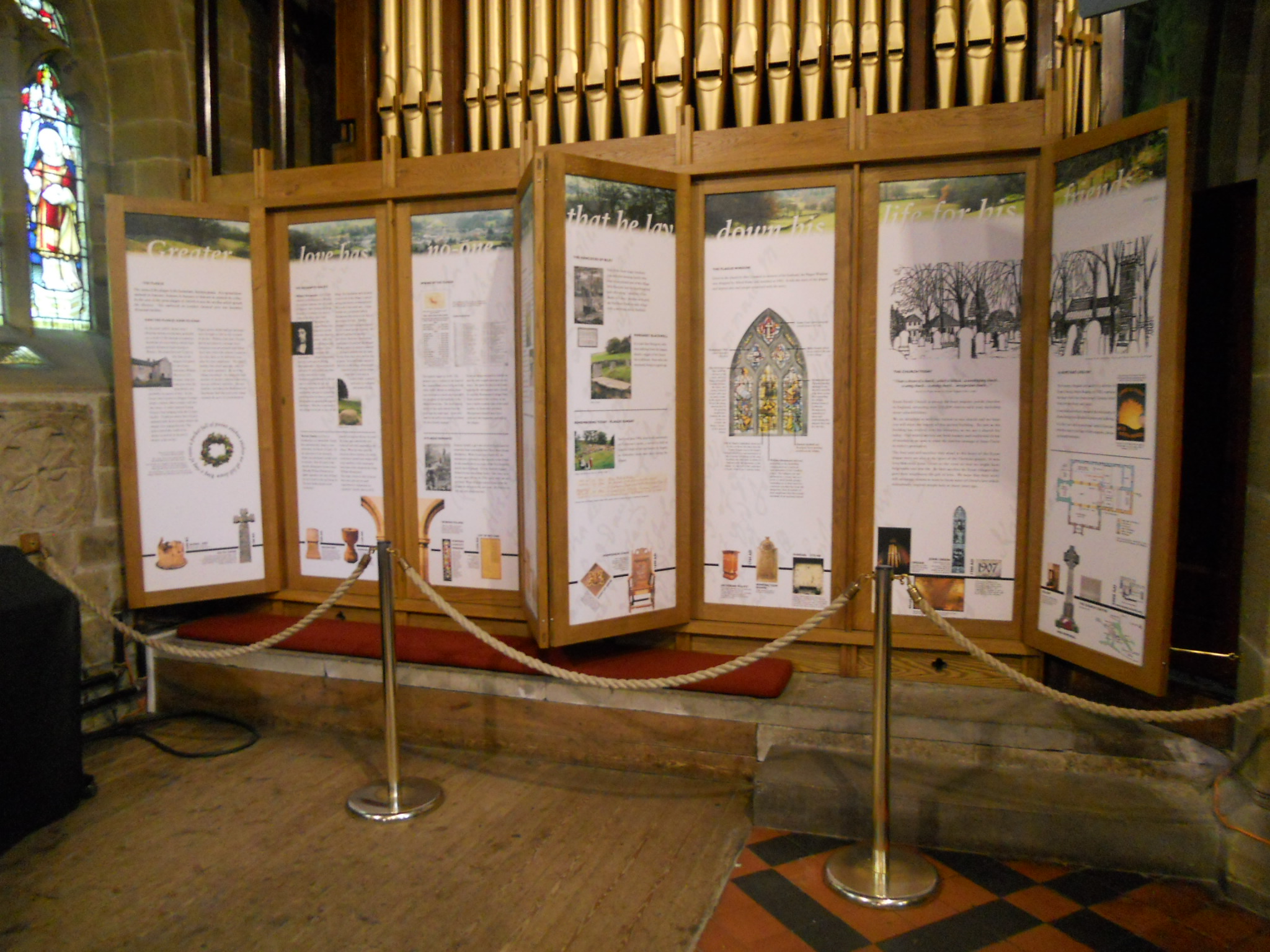
A friendly steward was on duty who gave some lurid descriptions of the plaque to some visitors whilst I was there. I don’t think it was actually as bad as he made out but it was still pretty dire.There is a very good display on the plague here and its effect on the village. There booklets and maps available to guide you around as many victims were simply buried in their gardens. One poor woman buried her whole family one by one. It is a very moving story indeed. Some of the descendents of the villagers involved still live in the village and are revered for their ancestors role.
On the church bookstall there are some UCB booklets for Bible reading, lots of history and some colouring sheets for children, cards, post cards and a selection of Christian books. There is a World War 1 display and the chancel is reserved for quiet prayer and there is a prayer request box although this could be better labelled and highlighted. The church is beautifully kept and a real credit to the congregation and village. There were too many visitors in the book to count. I rate St. Lawrence as very good and you can have a good day out wandering around Eyam and immersing yourself in the fascinating history of the place. There is a good website at http://www.eyam-church.org/ which gives a nice lot of visitor information as well as plenty about what happens in the church today.
St. Peter’s, Edensor
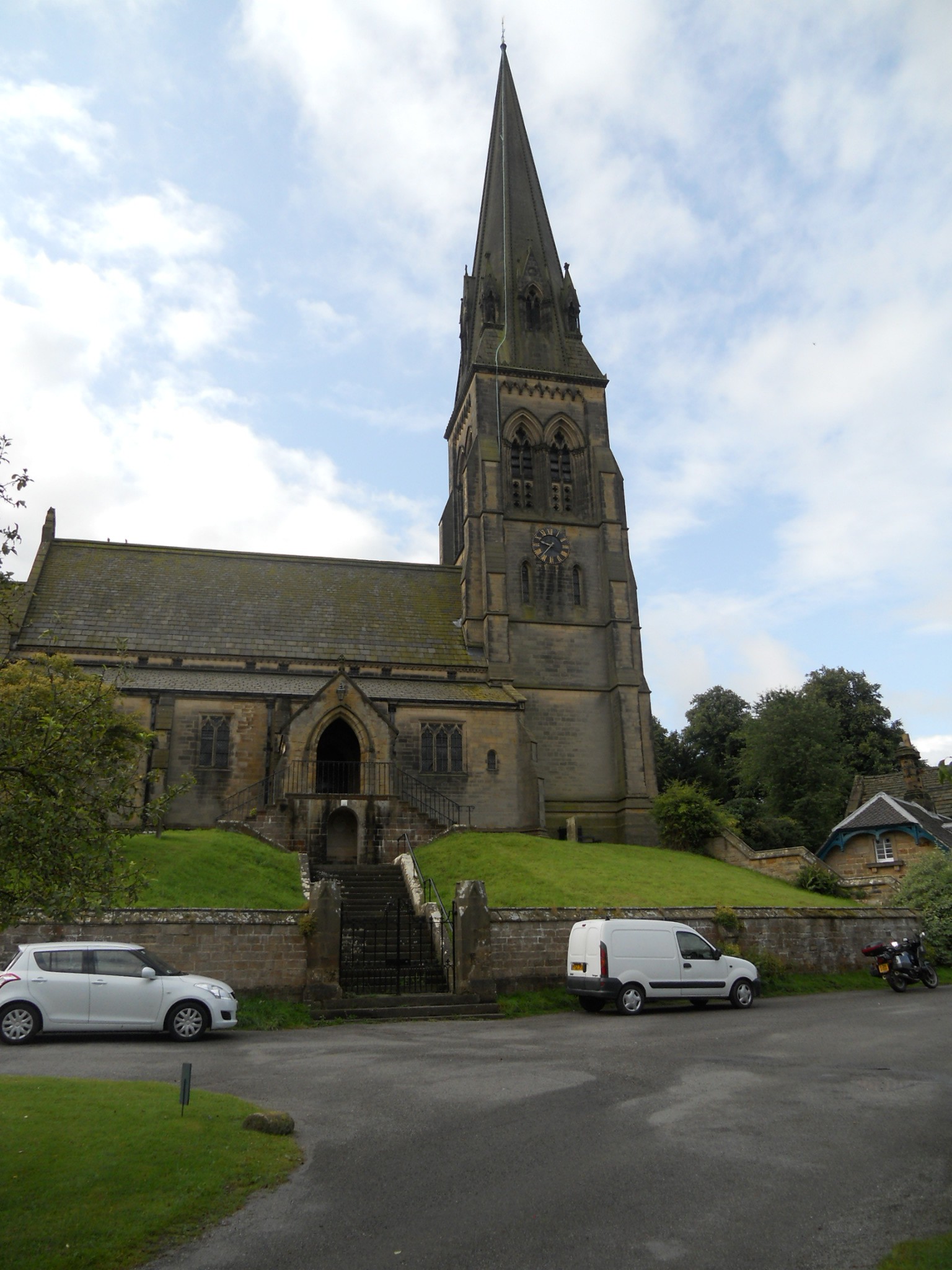 The village of Edensor stands on the Chatsworth estate and was famously moved so that it could not be seen from the House. There was originally a Norman building here but this was demolished and the present church built in 1867 to a design by Sir George Gilbert Scott. It is a very fine church. The churches history is entwined with that of the Devonshire family who own Chatsworth House. It therefore feels like an estate church but it is also a parish church.
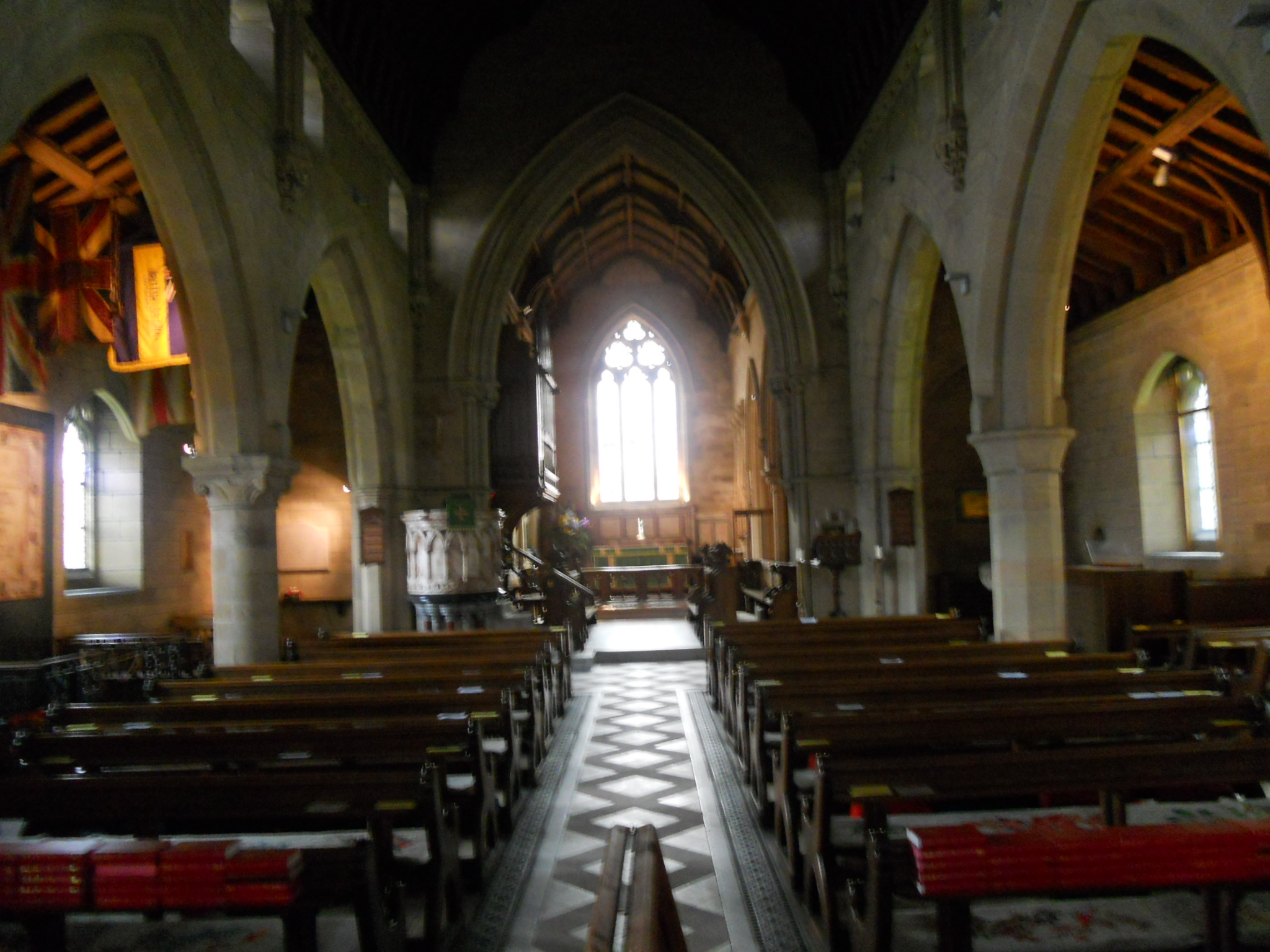
It is open each day and the signage is very good, making this abundantly clear. I found a selection of cards for sale and the excellent Tim Tiley booklets and prayer cards. Some history books are available as well and some recipe books and book marks. There is a guide as well and some ‘bats’ to carry around. A good selection. Also a churchyard plan. The lights come on when you enter the church.
St. Peter’s gets a good number of visitors, I counted 102 entries in the visitors book for July.
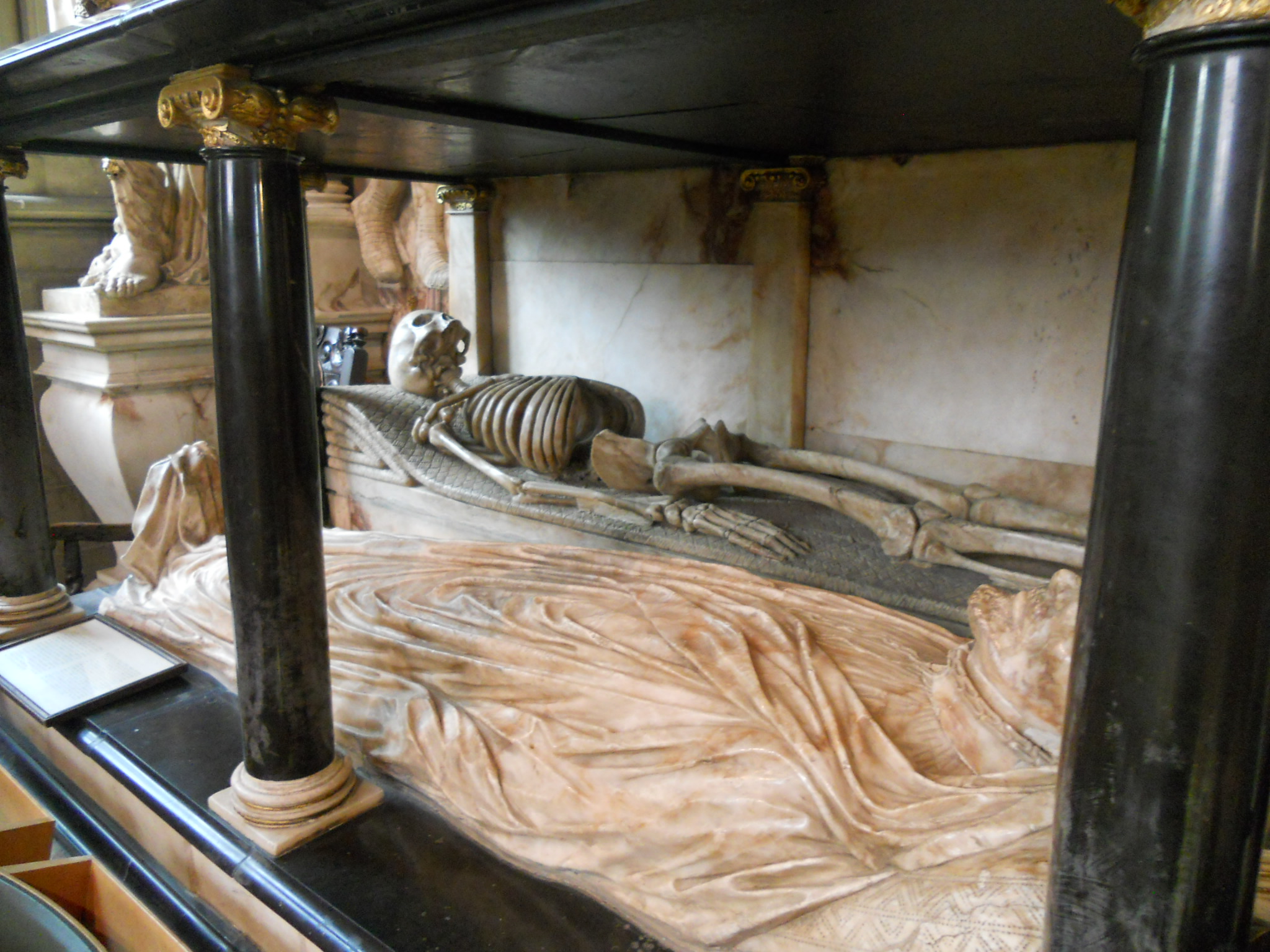
Some fascinating prints of the funeral of Frederick Cavendish in 1882 are displayed as well as the wreath sent by Queen Victoria. These are in the Cavendish Chapel where there is a prayer book which is very well used. The Cavendish tomb is wonderful – here is a picture. It commemorates William the 1st Earl of Devonshire who died in 1625. Image trying to get a faculty to put something like this in a church today!
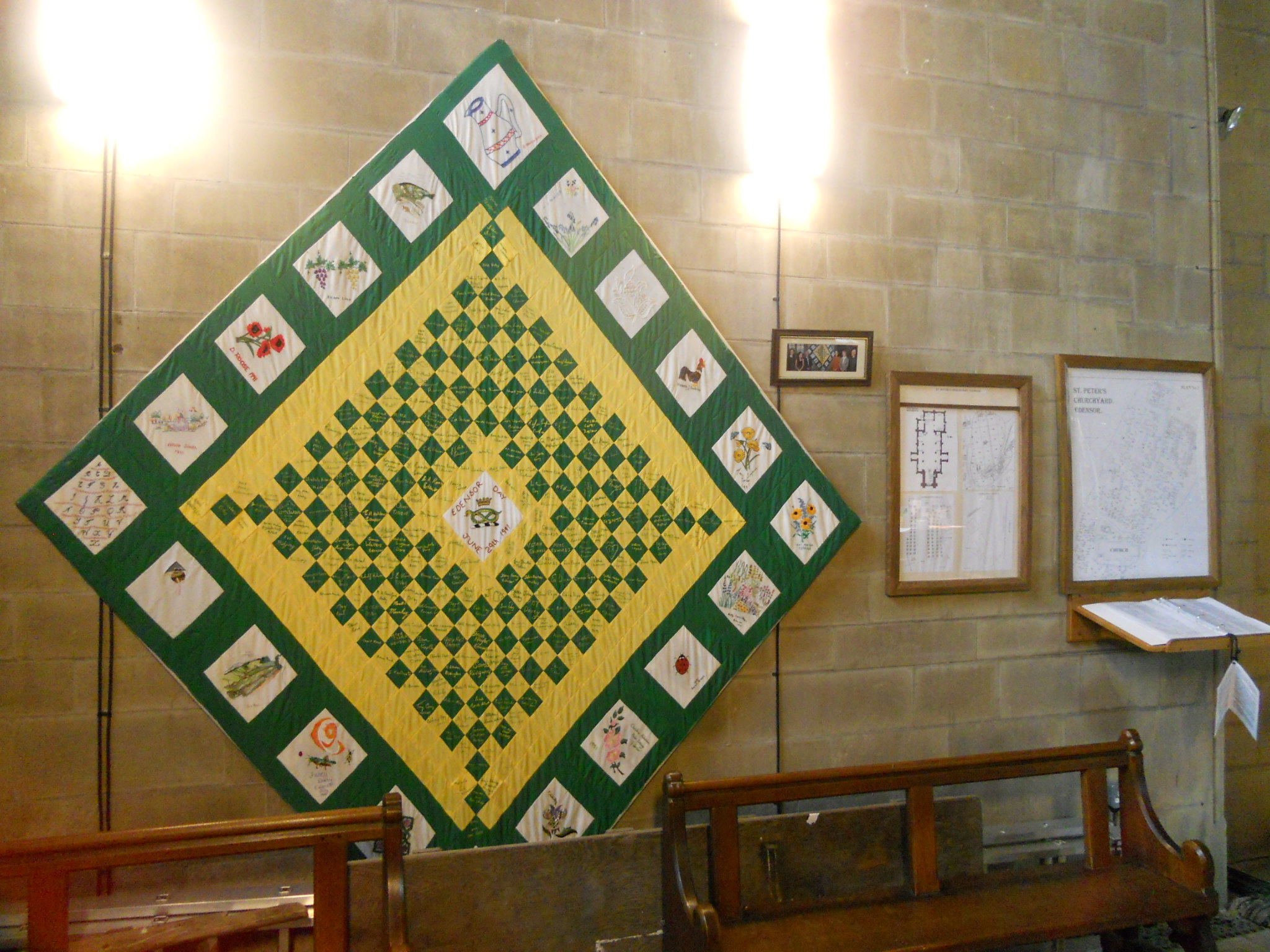
 Bringing things up to date the wedding couples who are being married here are revealed smiling at the camera and there is a lovely quilt displayed as well as some work by Pilsley C of E School, which is very good.
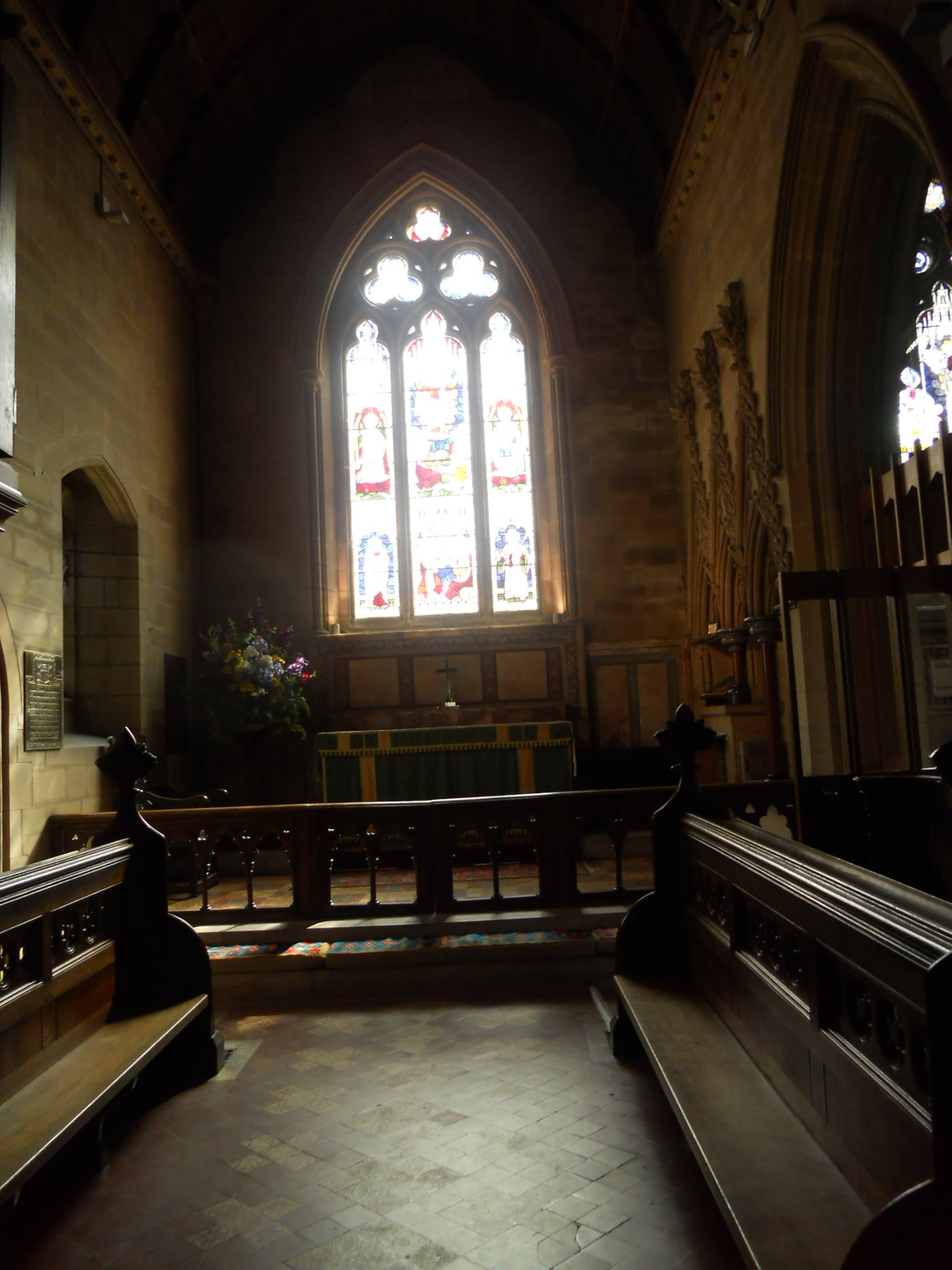

I rate St. Peter’s as good for the visitor. There is a good church website at http://www.stpetersedensor.org/ with visitor information and an interactive guide on it – very good.
St. John the Baptist, Winster
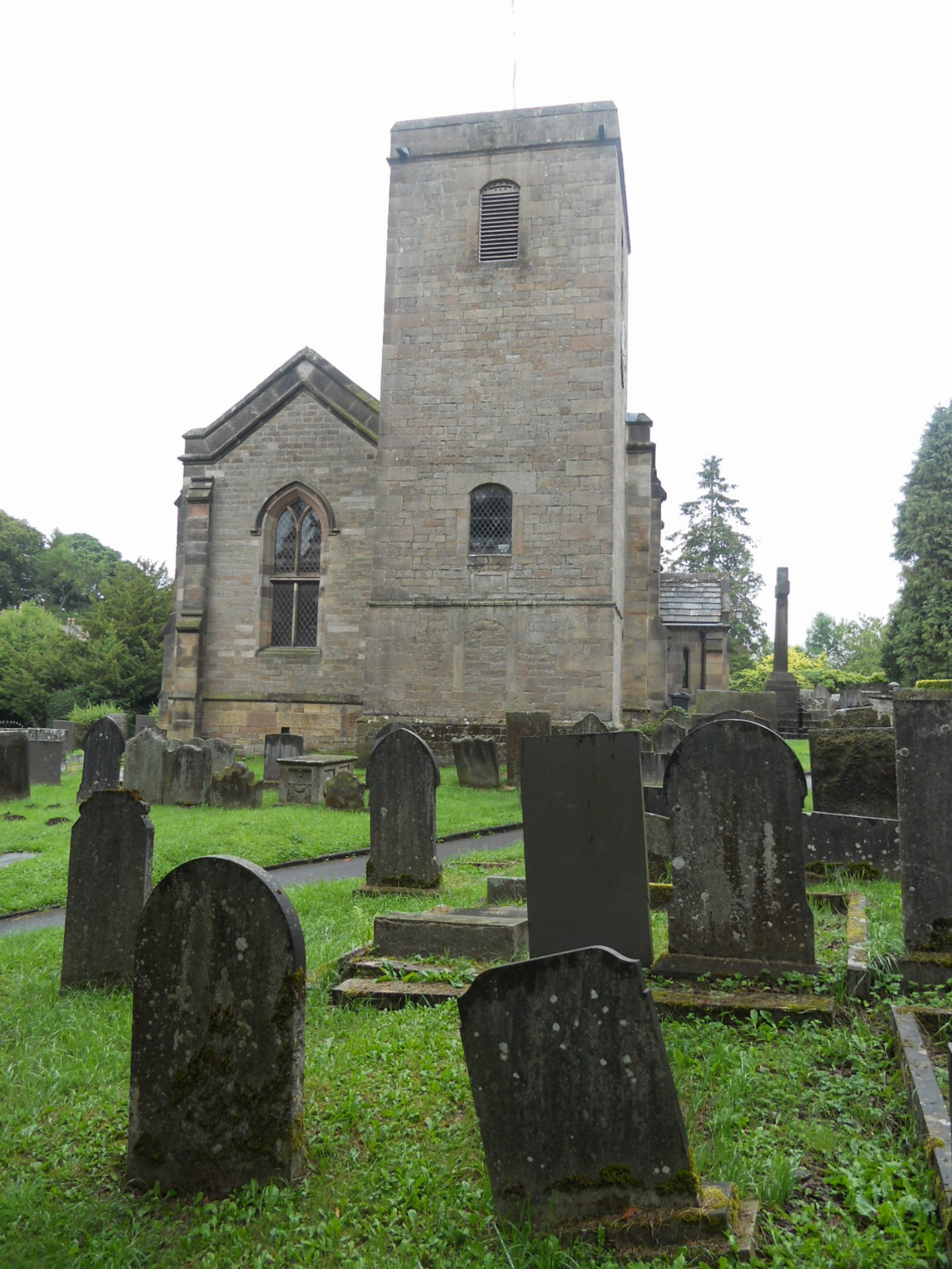 Not much to say here as the church was locked with no indication of when it might be open, or if it is, outside of service times. A shames as so many churches are open in this area. I rate it as very poor for that reason. There is an entry on achurchnearyou but it doesn’t say very much.
All Saints, Elton
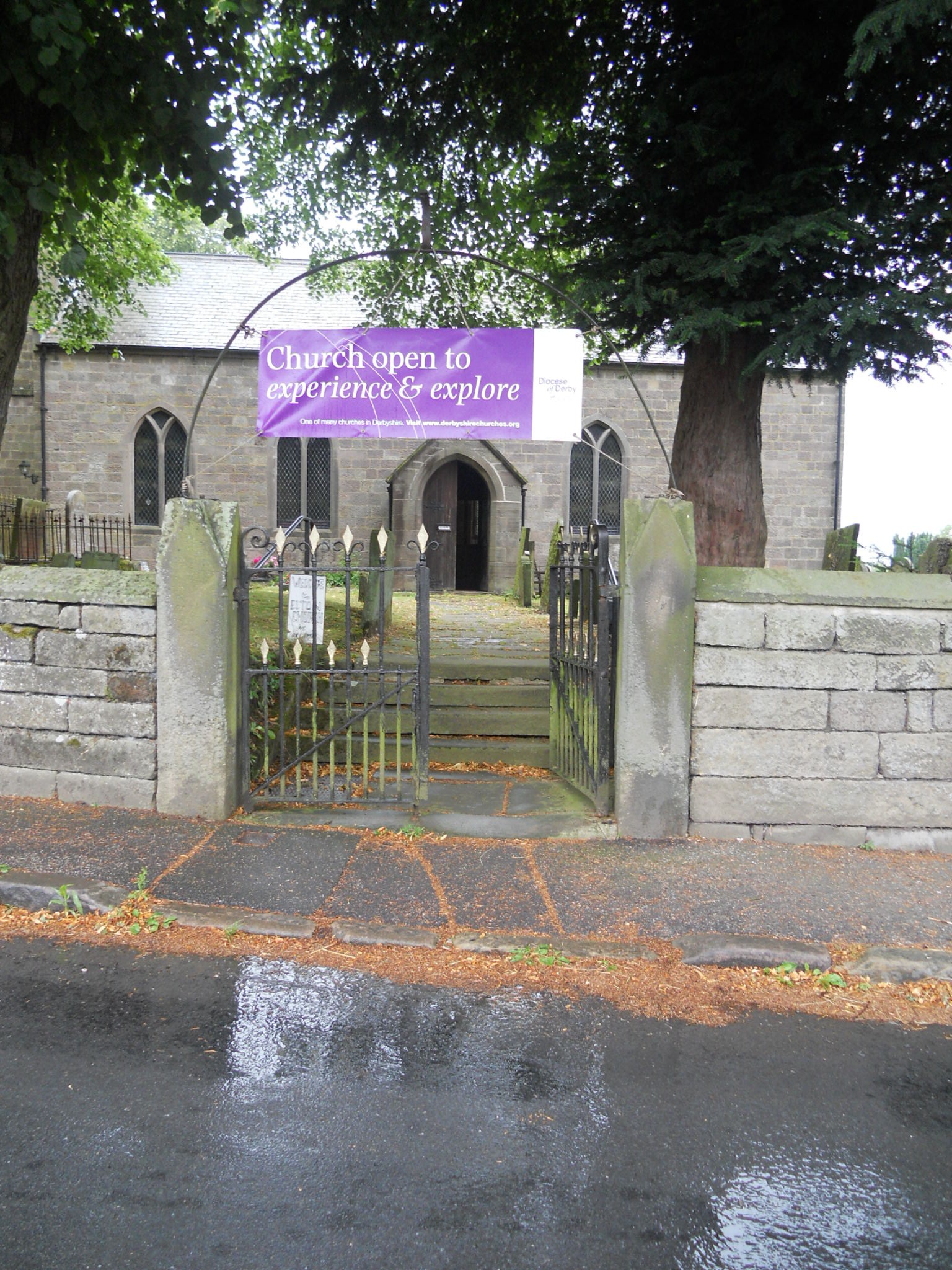 There seems to be quite a few ‘All Saints’ in this area for some reason and here is another one. As you can see from the photo, All Saints proudly proclaims that it is open. It was rebuilt in 1812 from a much earlier chapel that existed here.
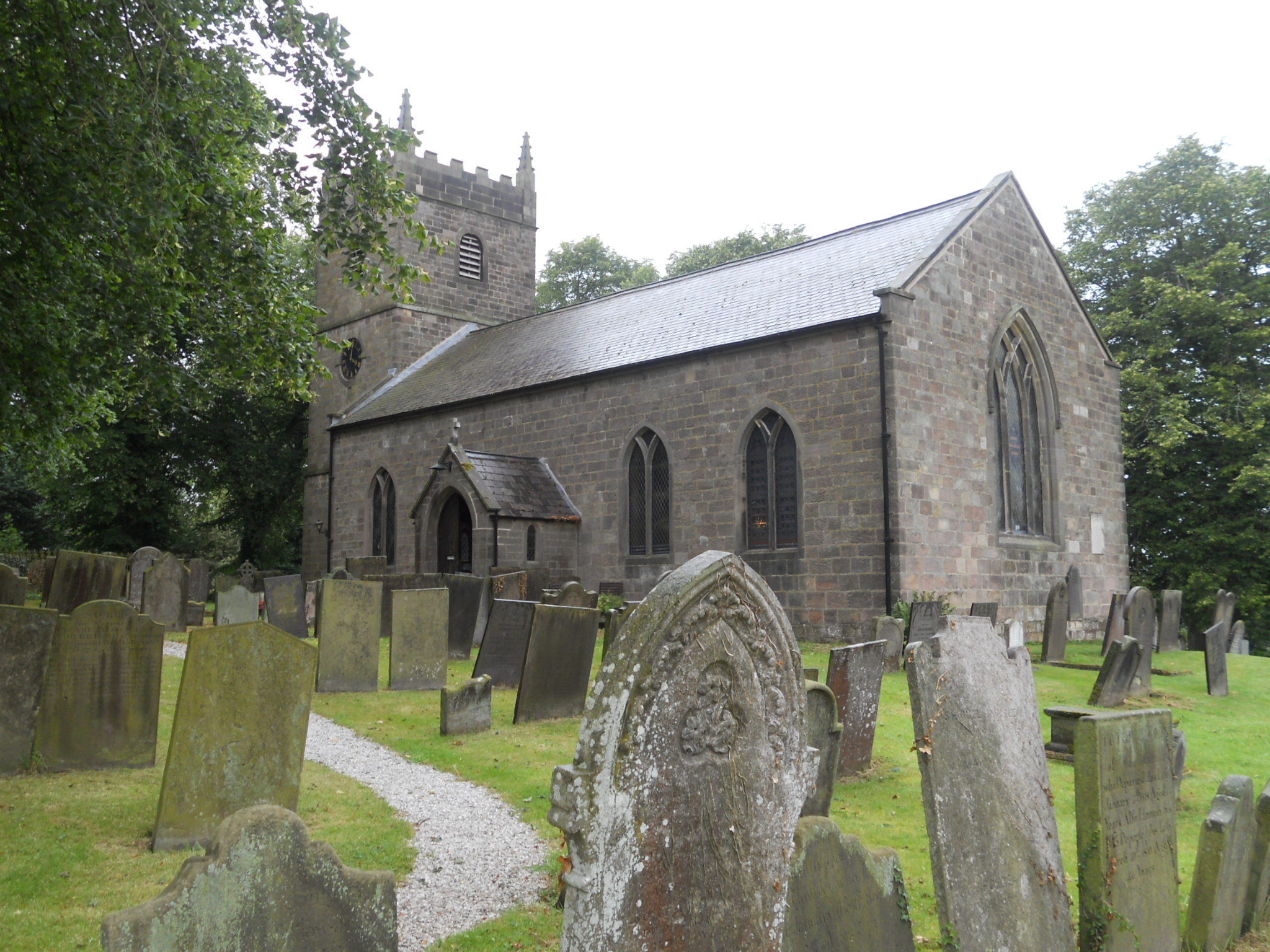
Inside, there is an intriguing booklet for sale, ‘Rectors Remembered’ and a churchyard guide plus some local information and history. Also some postcards. All fairly standard but what sets All Saints apart are some thoughtful details. Some drinking water is on offer in the porch and 2 lights are left on when the church is empty so that visitors can see what is what. Some old Sunday School books are for sale – some real gems there (I assume someone has had a turn out!). These will invoke memories for older people.
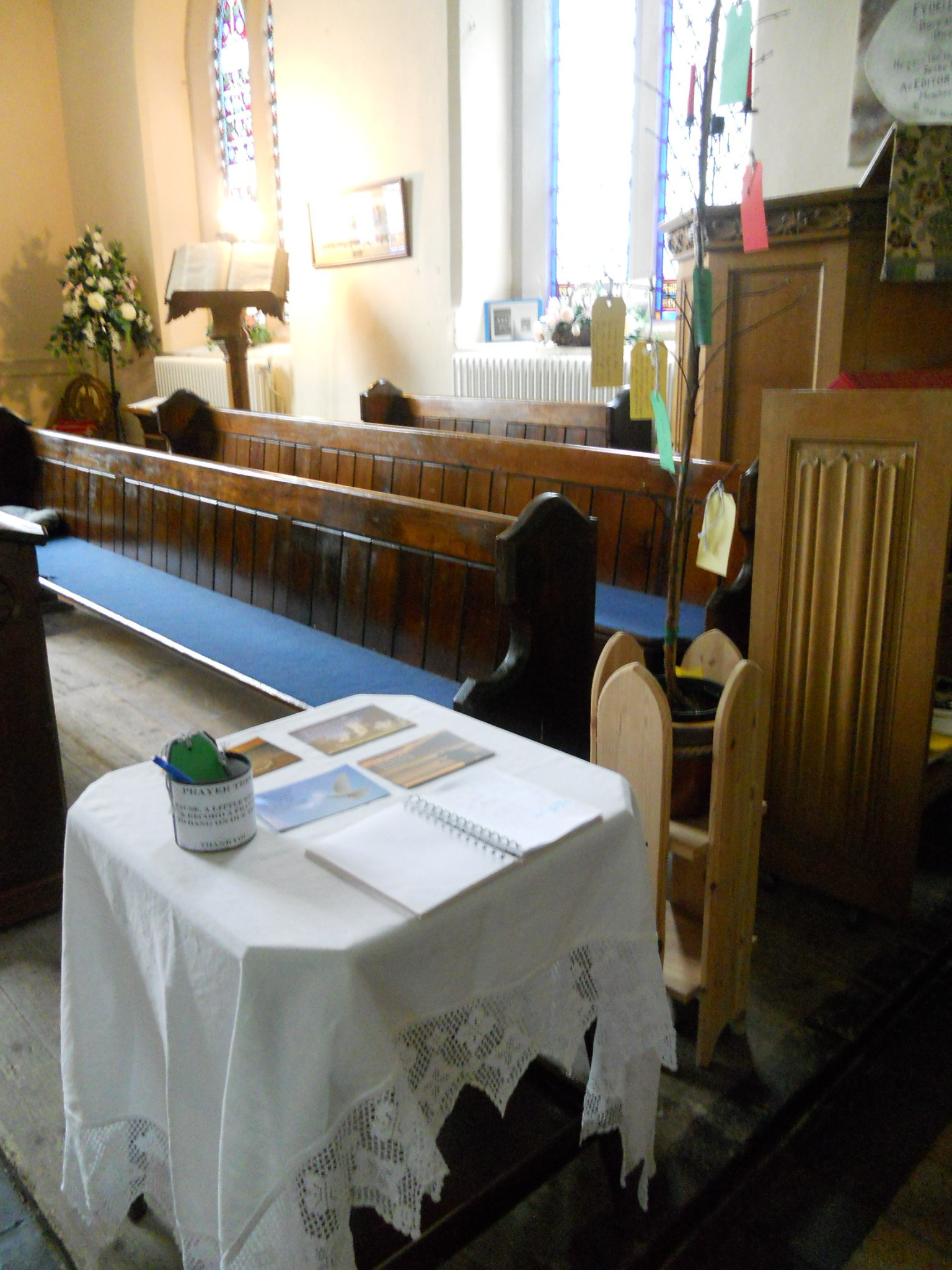 Some 22 people in the visitors book for July. A small prayer tree is set out in a prominent position so that prayers can be left. Simple enough but very effective. The Lectern Bible was left open and the font and sanctuary are labelled with suitable signs.
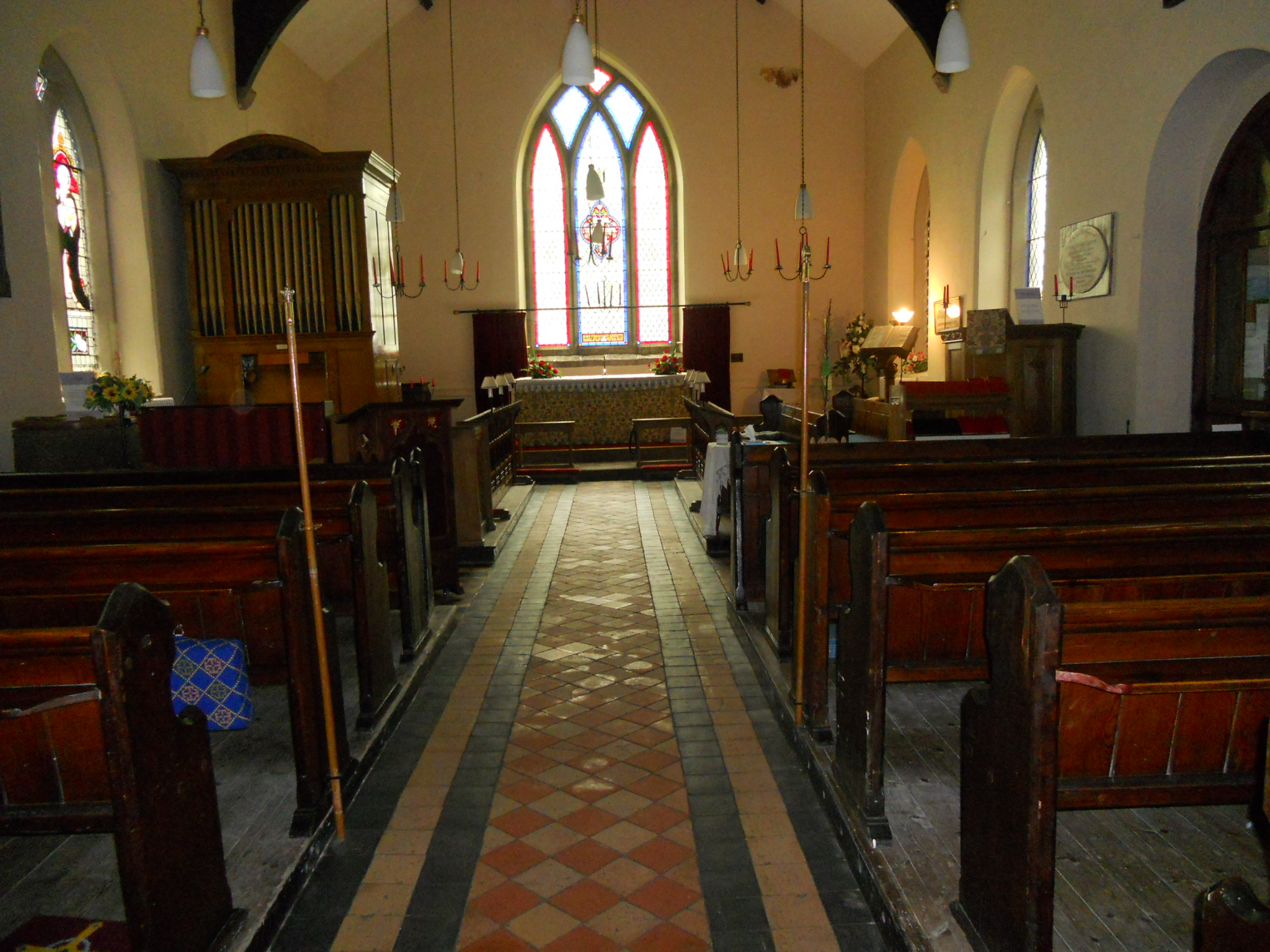
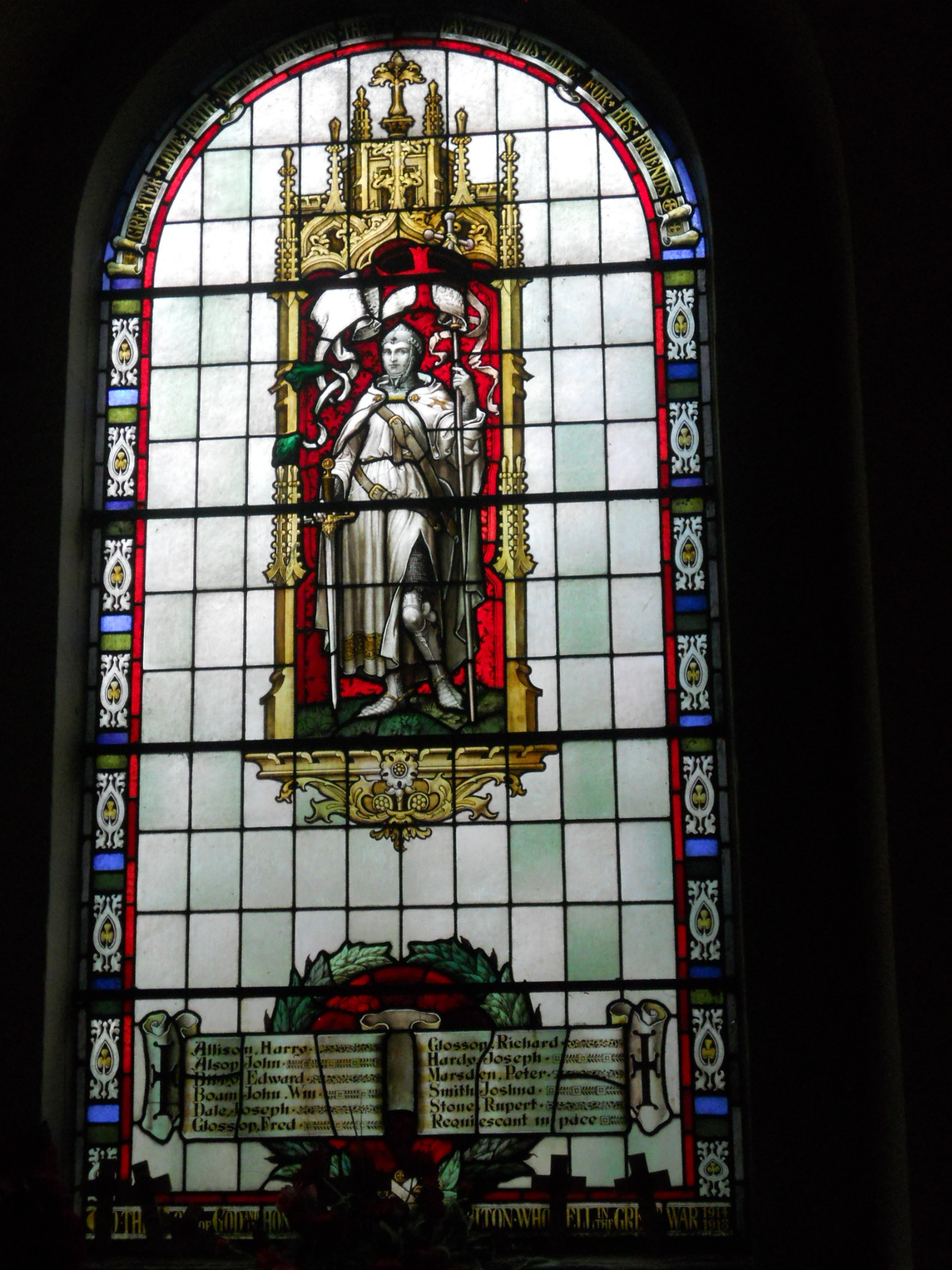
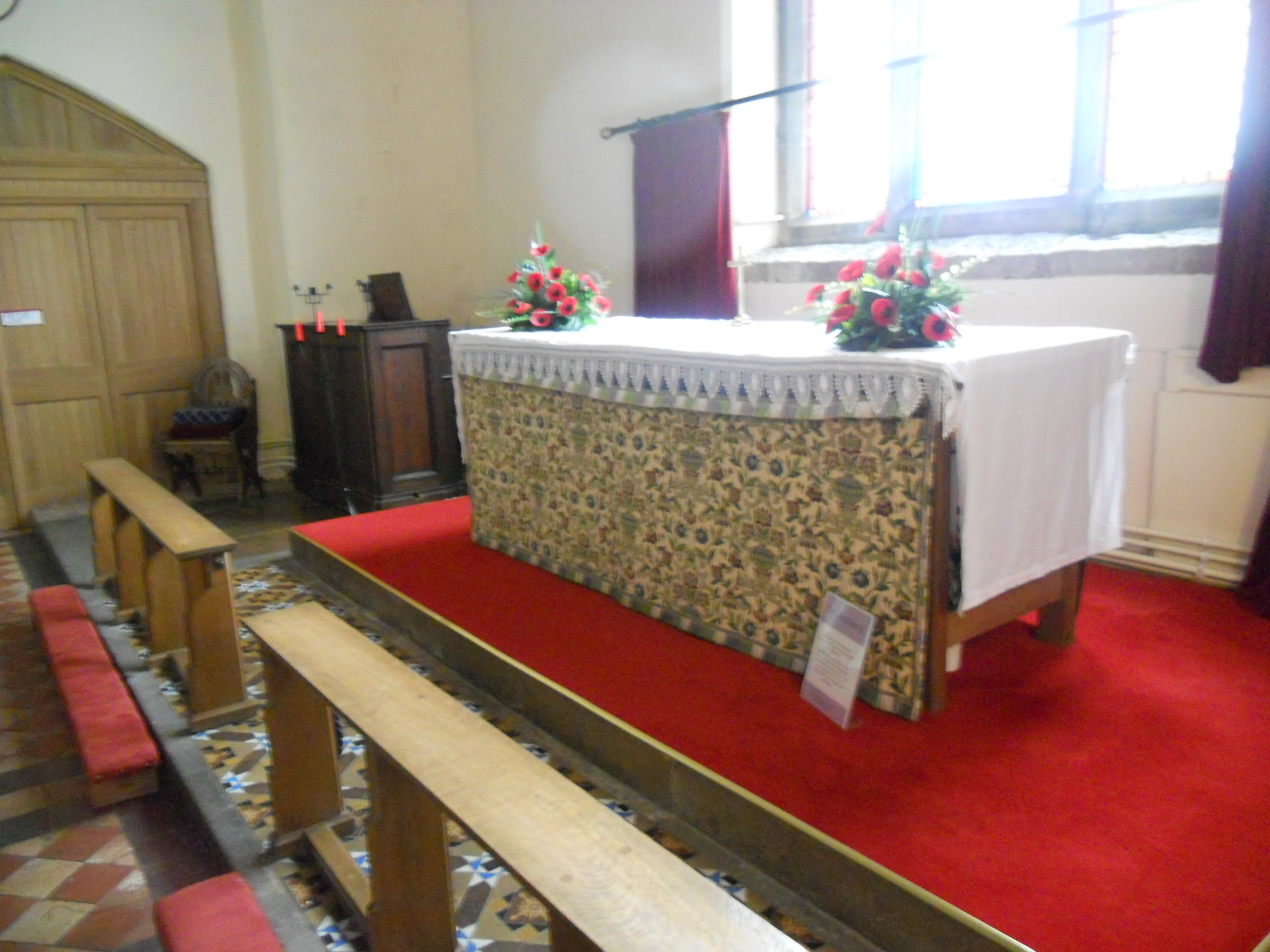
Also a small display on Rhoda Garrett, interior designer and suffragist and daughter of a one time vicar. It is these little stories that bring a church to life. This is a lovely little church and a good example of the simple things that can be done, at very little cost, to make it much more interesting for the visitor. I rate it as good.
Church website at http://www.wirksworthteamministry.co.uk – which gives good visitor information.
 churchtourismstudy