St. Laurence, Upwey
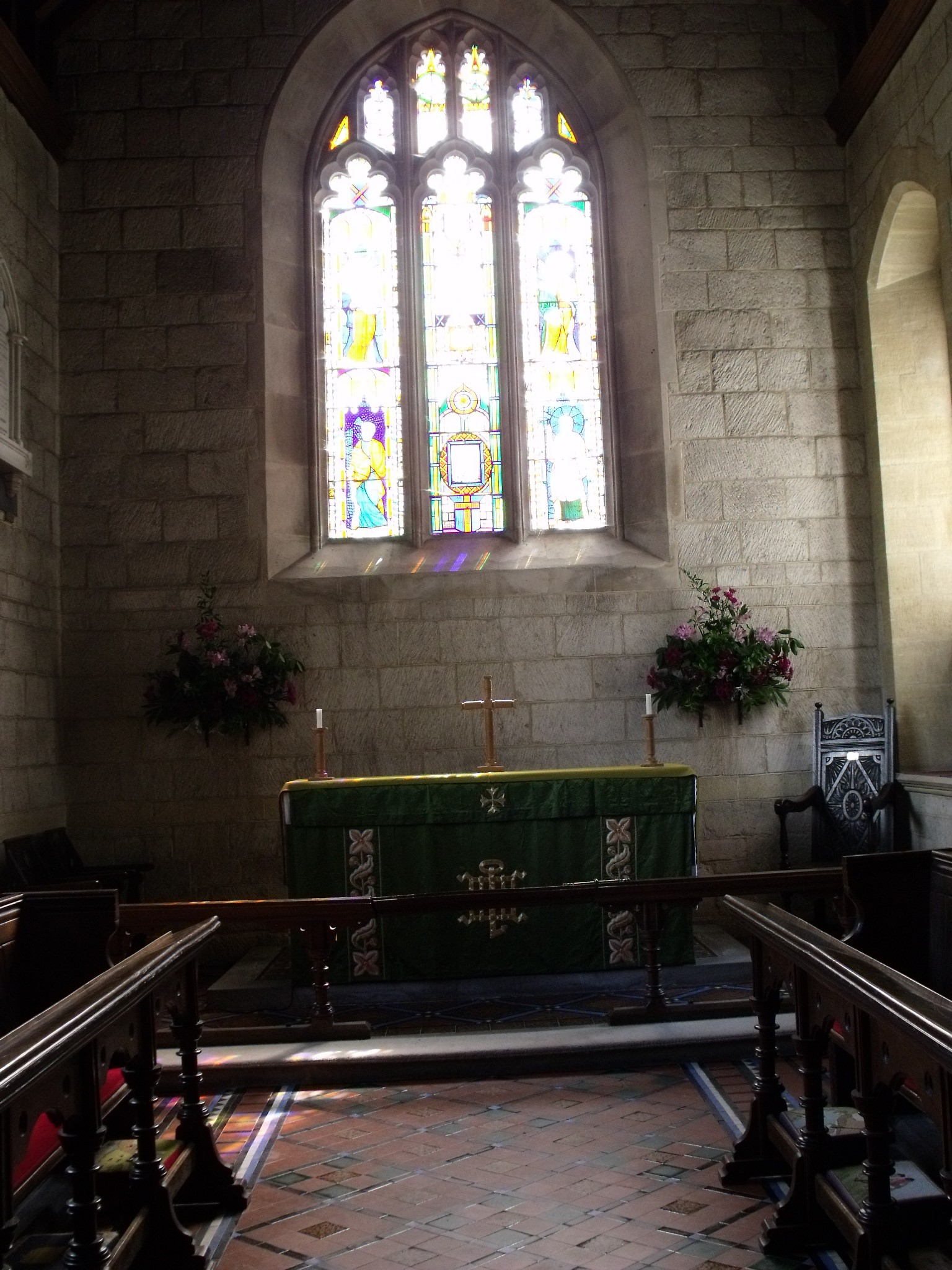
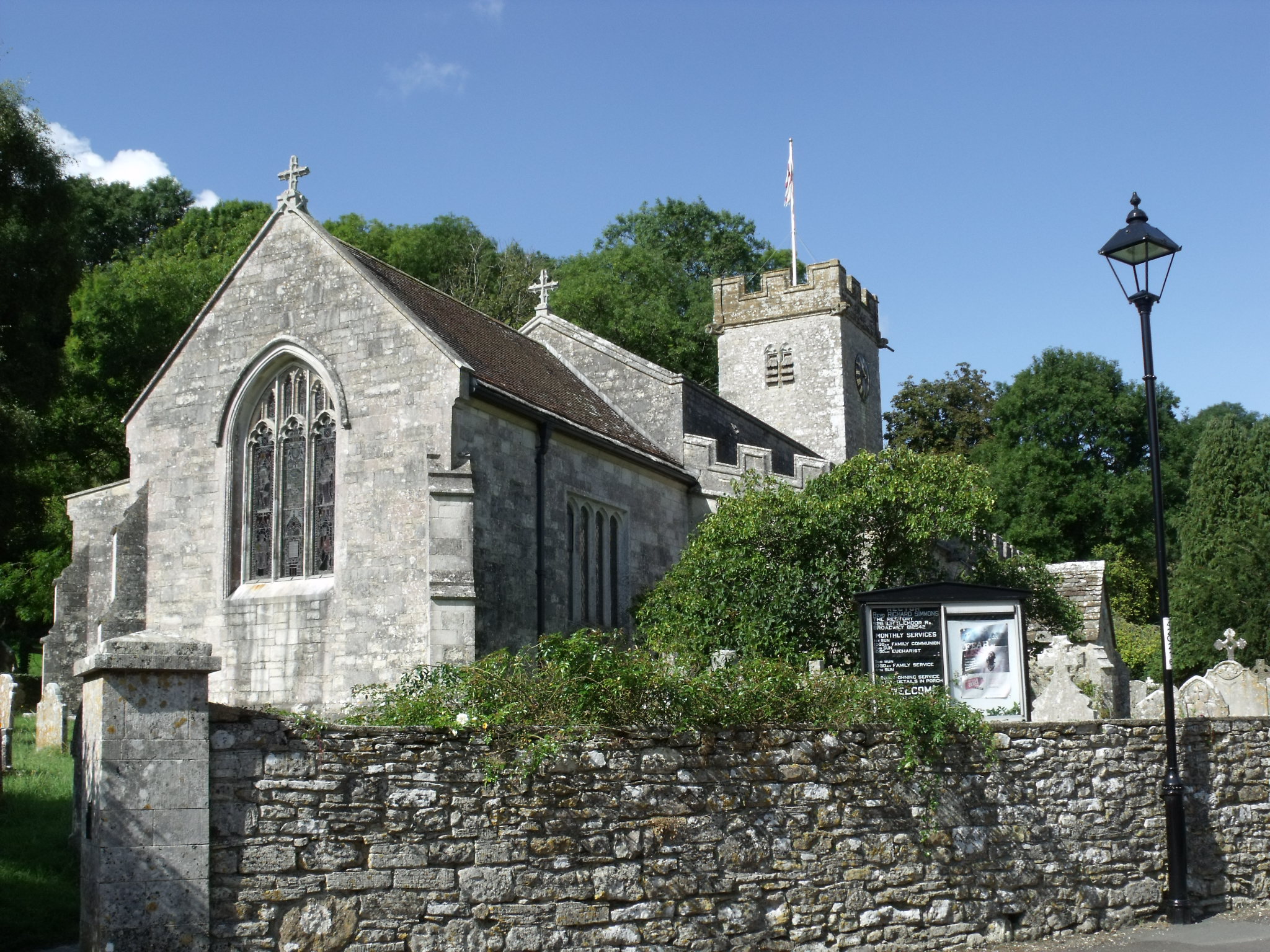 Upwey is famous for the Wishing Well – the source of the River Wey and there is a tea room. It attracts a lot of visitors. Up the same road a short way is St. Laurence’s church. It is well signposted off the main road with some clear signs when visitors get to the church. There is a good website for the church at http://theweytojesus.org.uk/st-laurence-upwey/st-laurence-upwey.php with good visitors information. There is a small car park up the lane as well as it can get busy here.
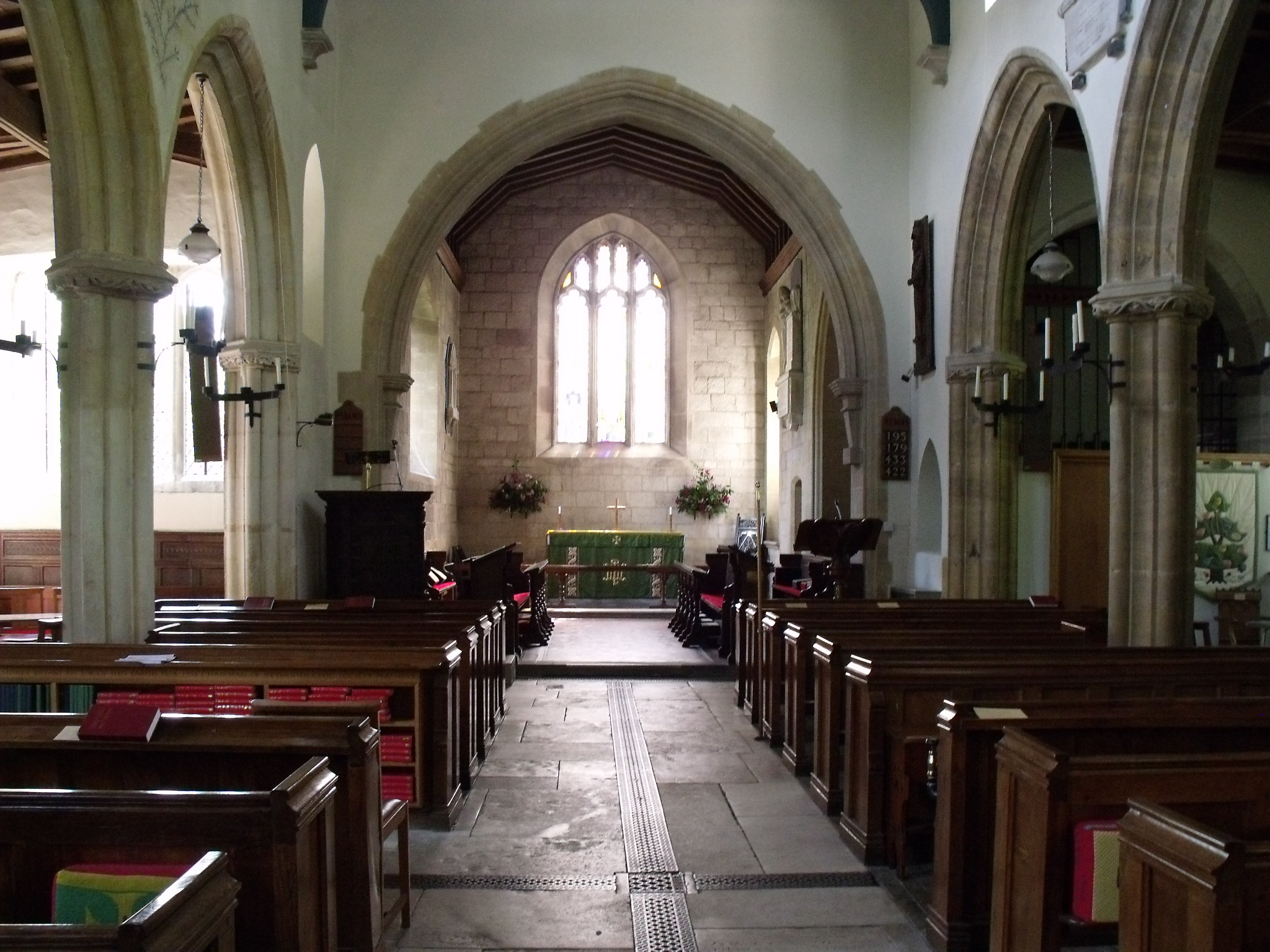 Inside, there are some ‘bats’ with history on and cards and diaries for sale. Childrens work is displayed in a corner. 19 people had signed the visitors book in July. Folders detail a flower festival and the colourful hassocks in the church. A Bible was left open. There are two unusual things here – one is a quilted prayer tree – a first for me!
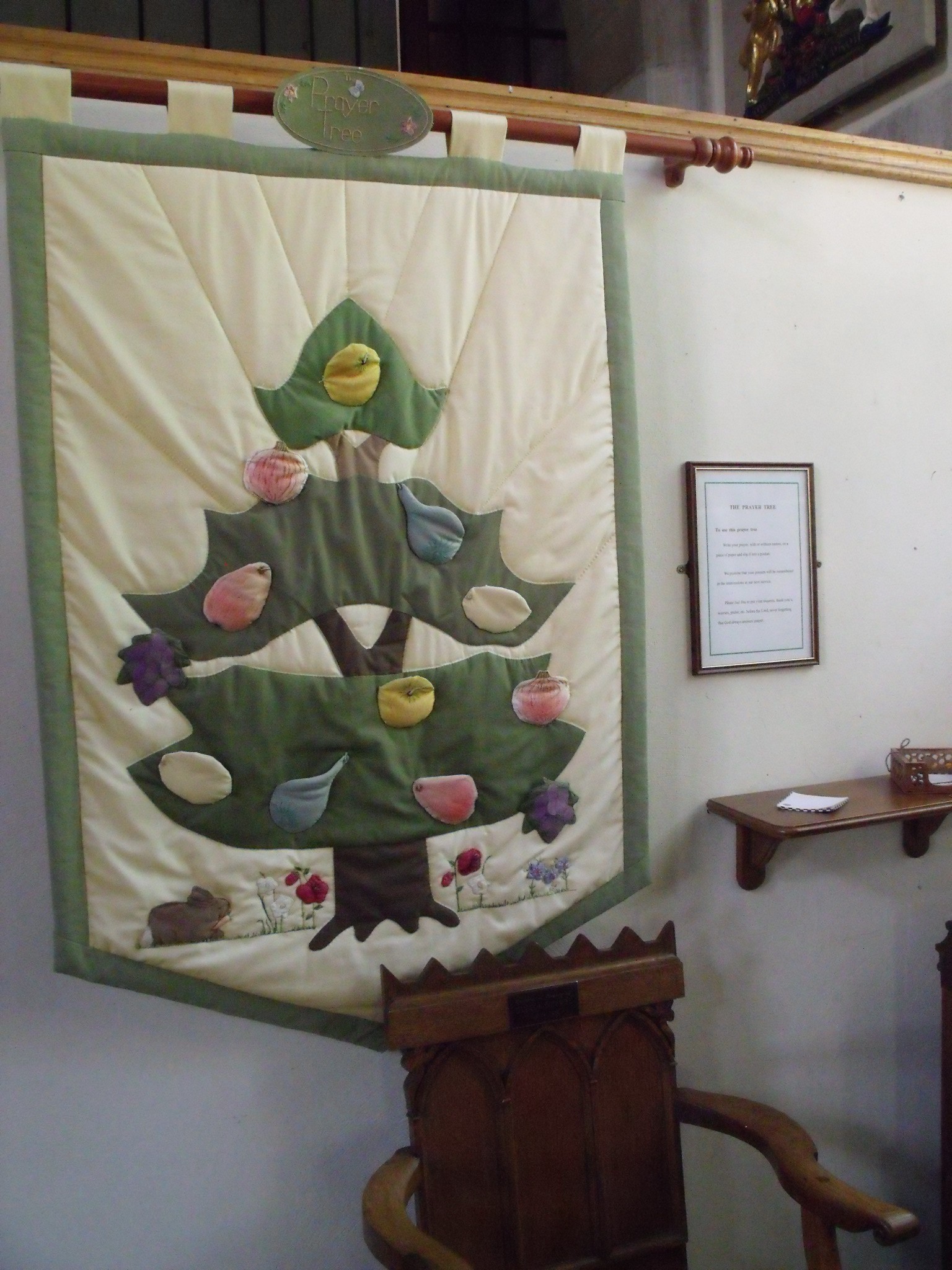 Prayers are written on slips of paper and then slipped into the ‘fruits’ – a good idea and worth copying!
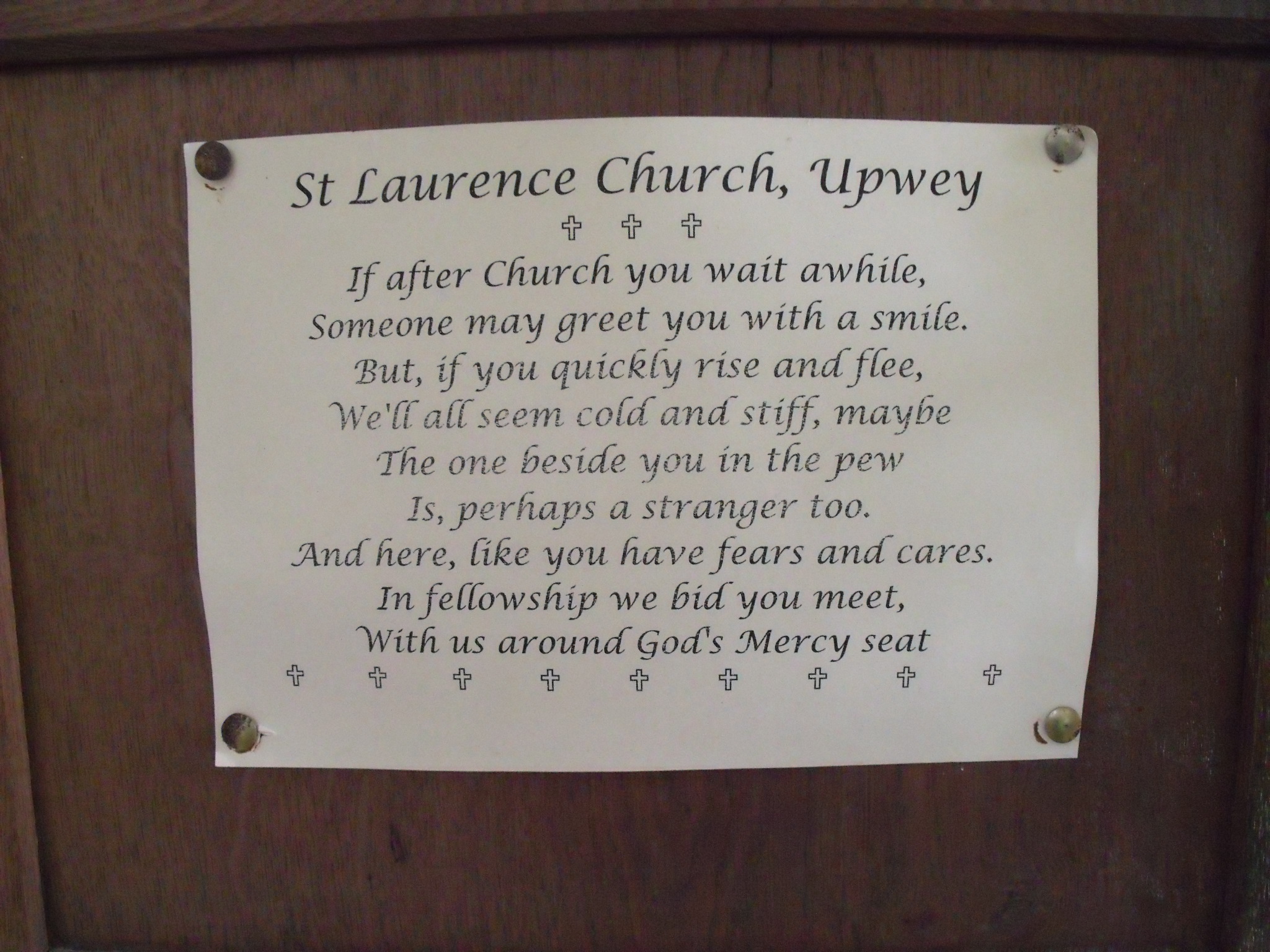
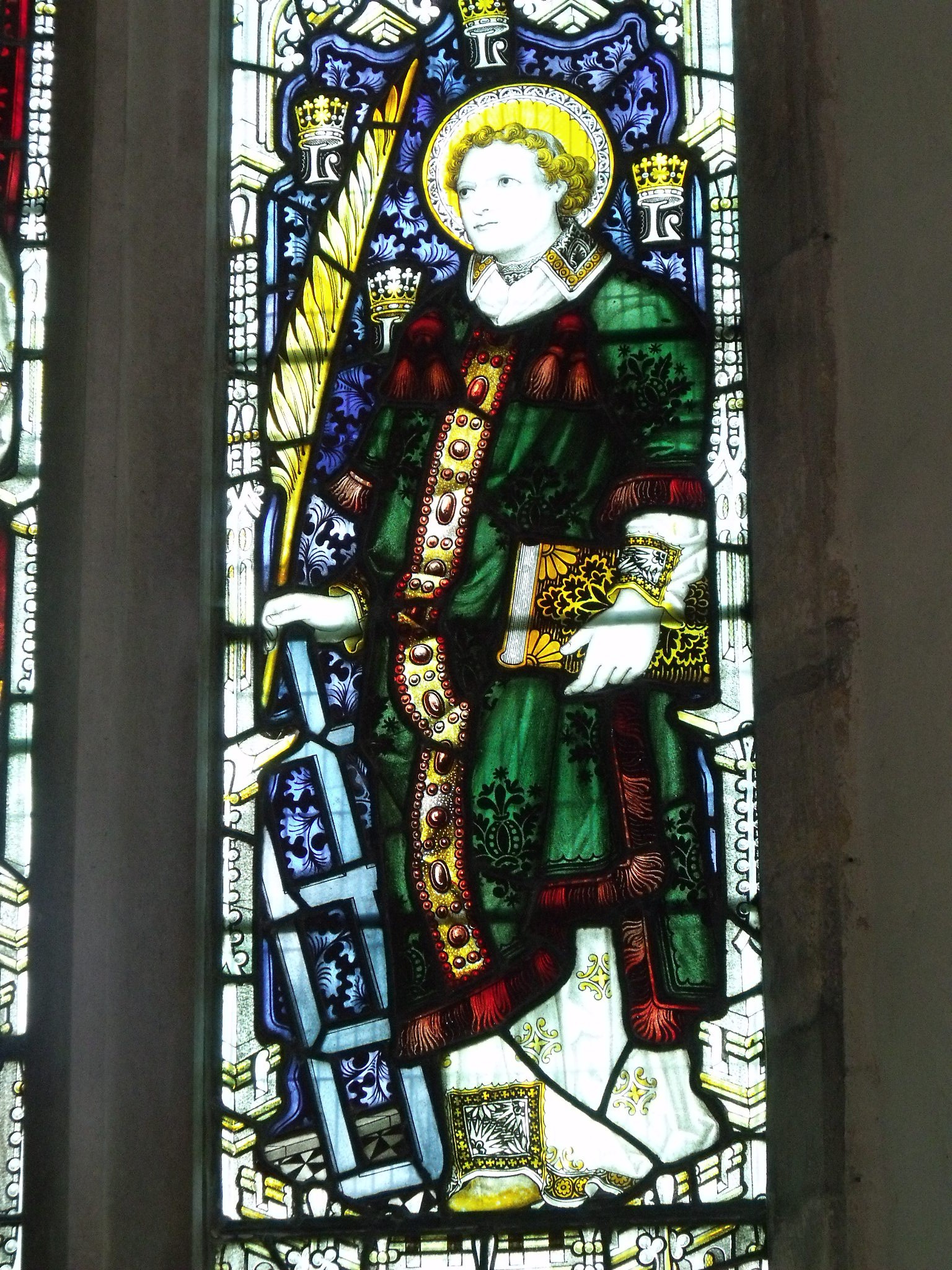
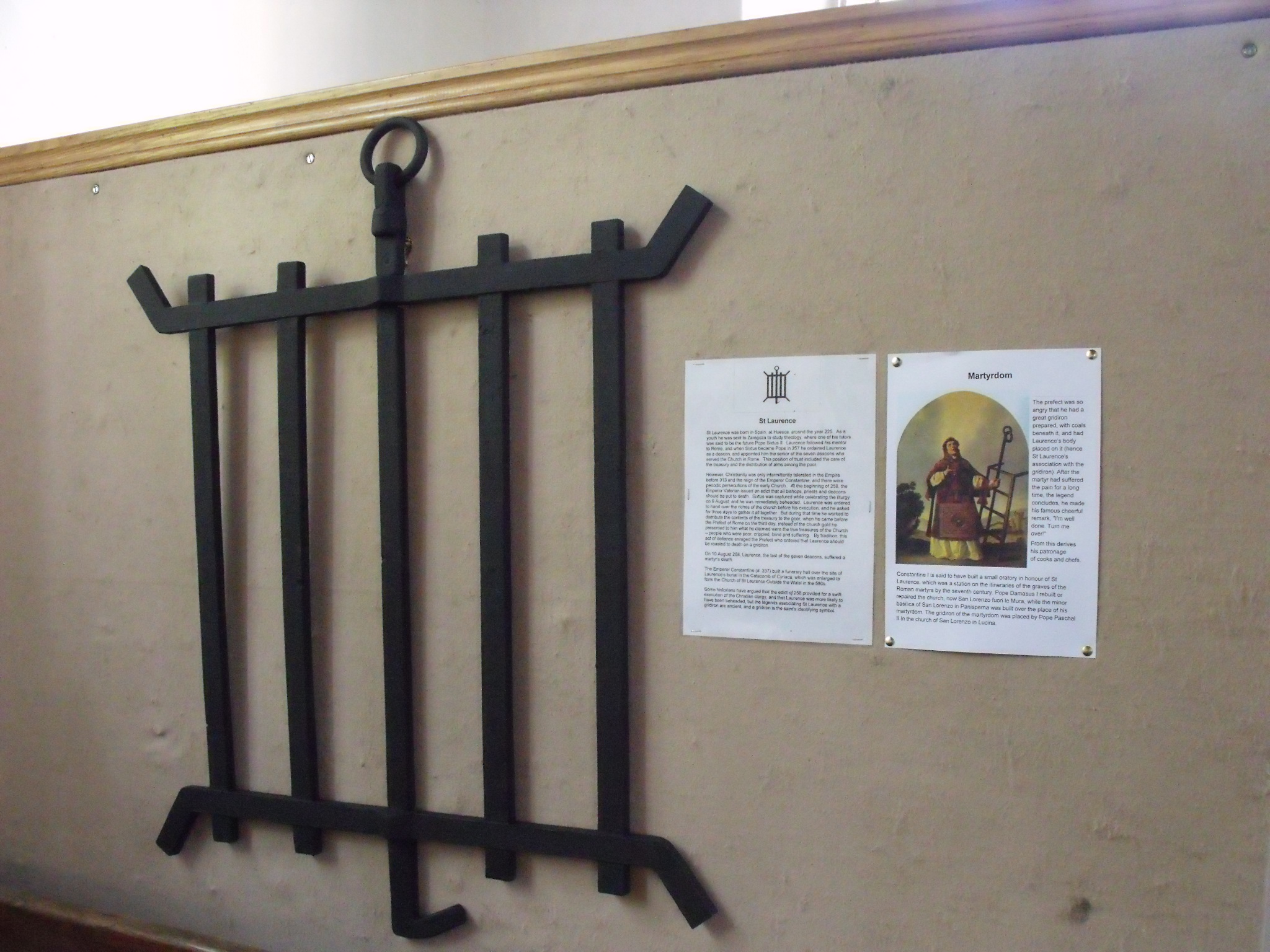
The other thing was the story of St. Laurence, complete with a wooden gridiron. It is good to tell the story of our patron saints as we can’t assume that people will know who someone like St. Lawrence was – he was barbequed for his faith and described the poor as ‘the treasures of the Church’. This is a homely, well cared for church that is well worth a visit. I rate it as good for this study.
St. Mary’s, Charminster
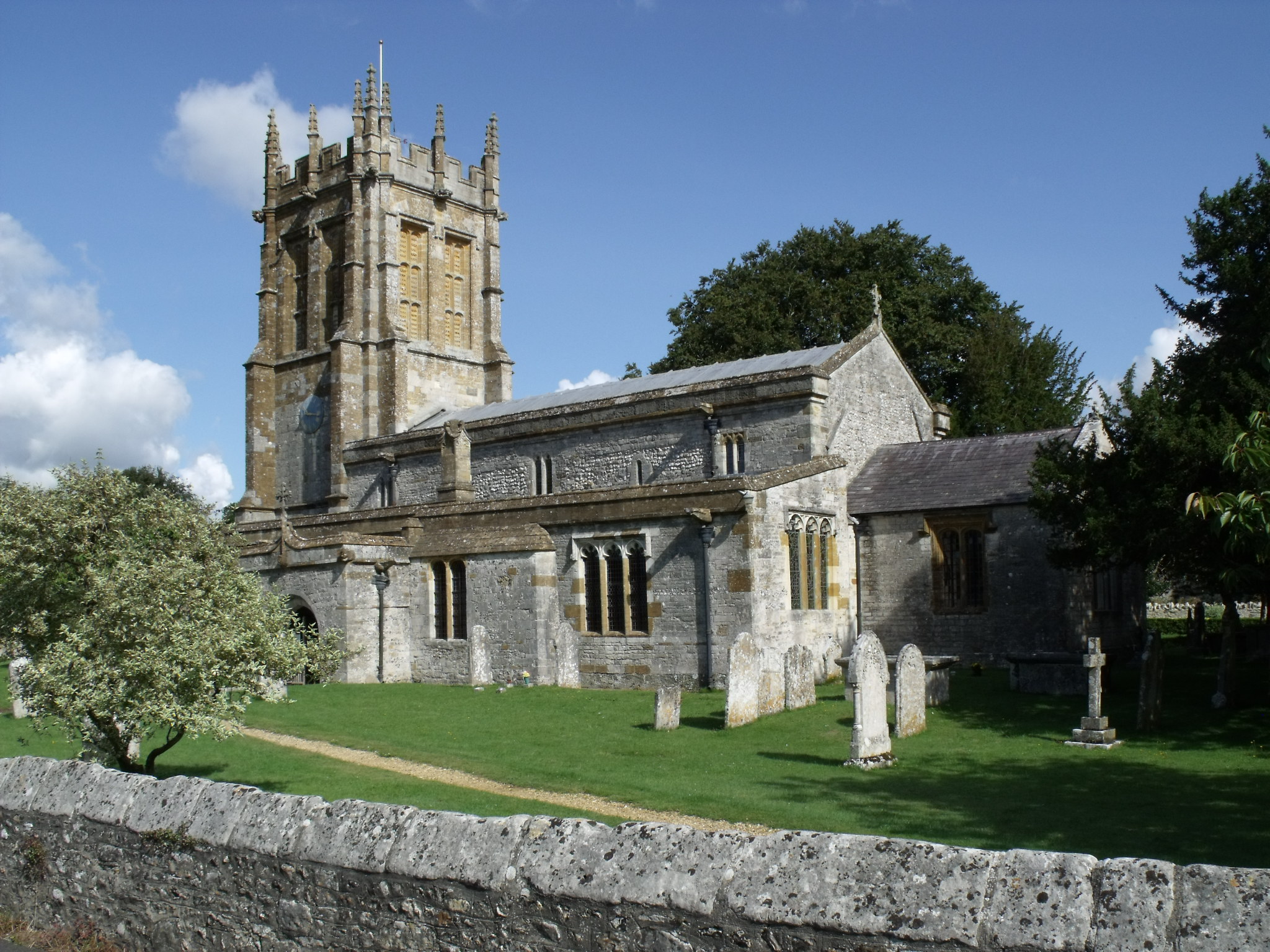 This is a good church to visit apparently but it is currently closed after flood damage – the River Cerne runs under the church and there have been many problems. That is a shame but lets hope that that all is repaired soon and this wonderful church can open its doors again. Services are currently being held in the village hall. There doesn’t seem to be a website but there is an entry on achurchnearyou – which doesn’t mention the church being closed!
I haven’t rated St. Mary’s but would like to go back and have a look.
St. Peter & St. Paul, Cattistock
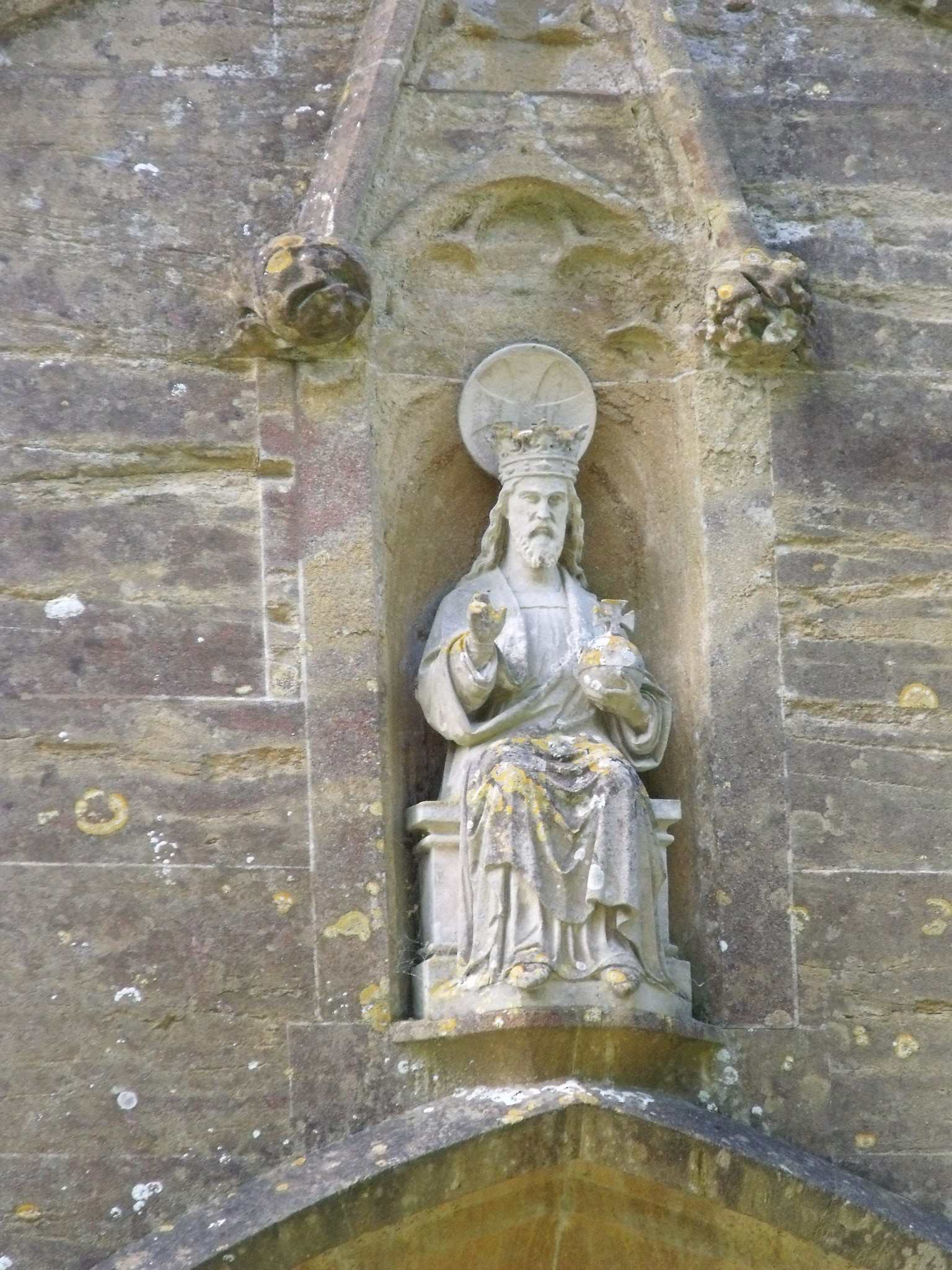
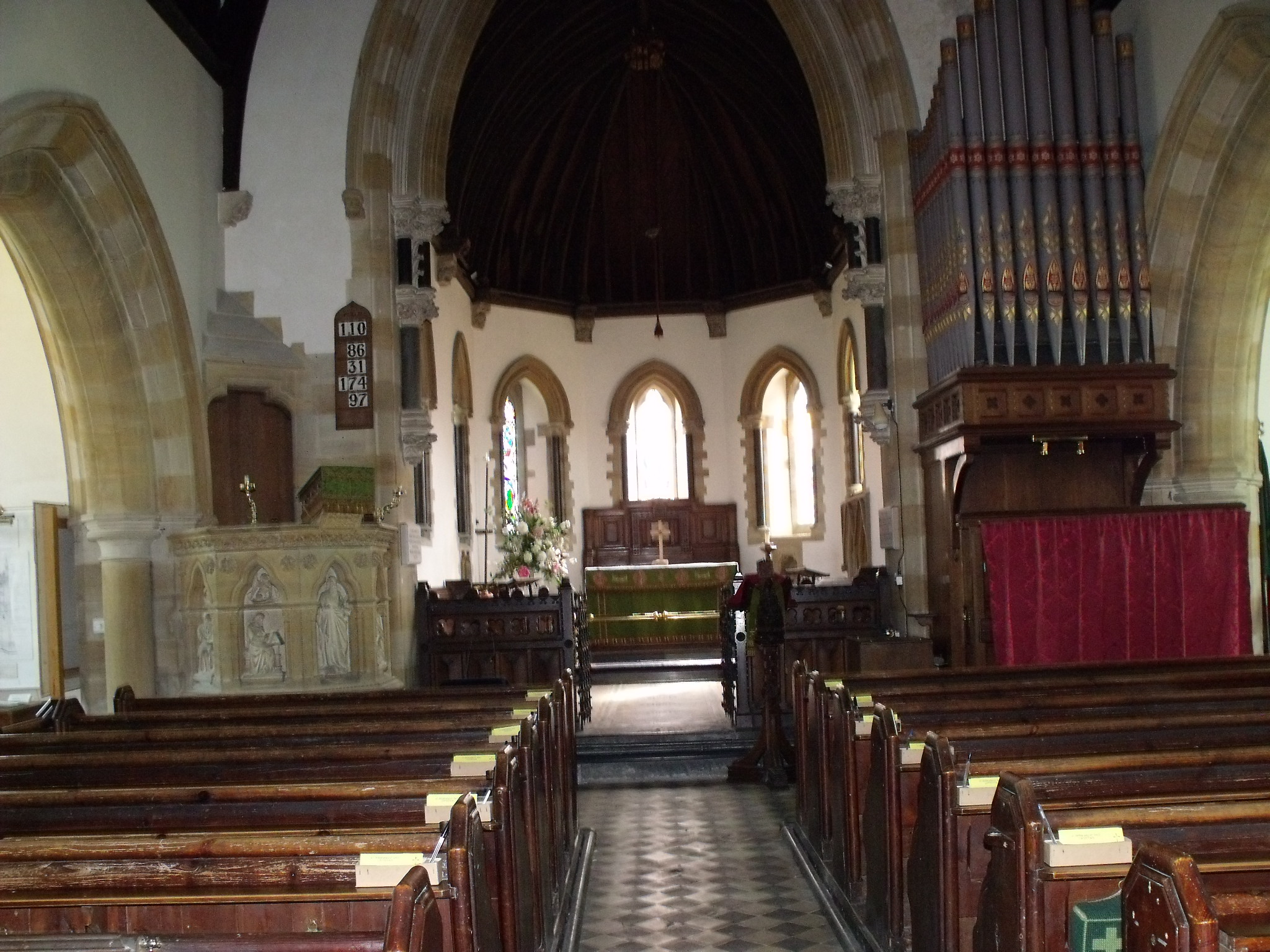
 I really like this church. I am a bit of a sucker for Victorian churches and this is a real gem of one. It might not suit everyone! It is open for visitors and prepared to be surprised when you step inside! It is Decorated Gothic such as might be expected in London not rural Dorset. The sign outside mentions the Sunday service only – I wish that a few more churches would be more forthcoming in advertising to the world that they are open. Many people I talk to assume that all churches are locked whereas something like two thirds are open – in some areas virtually all churches are.
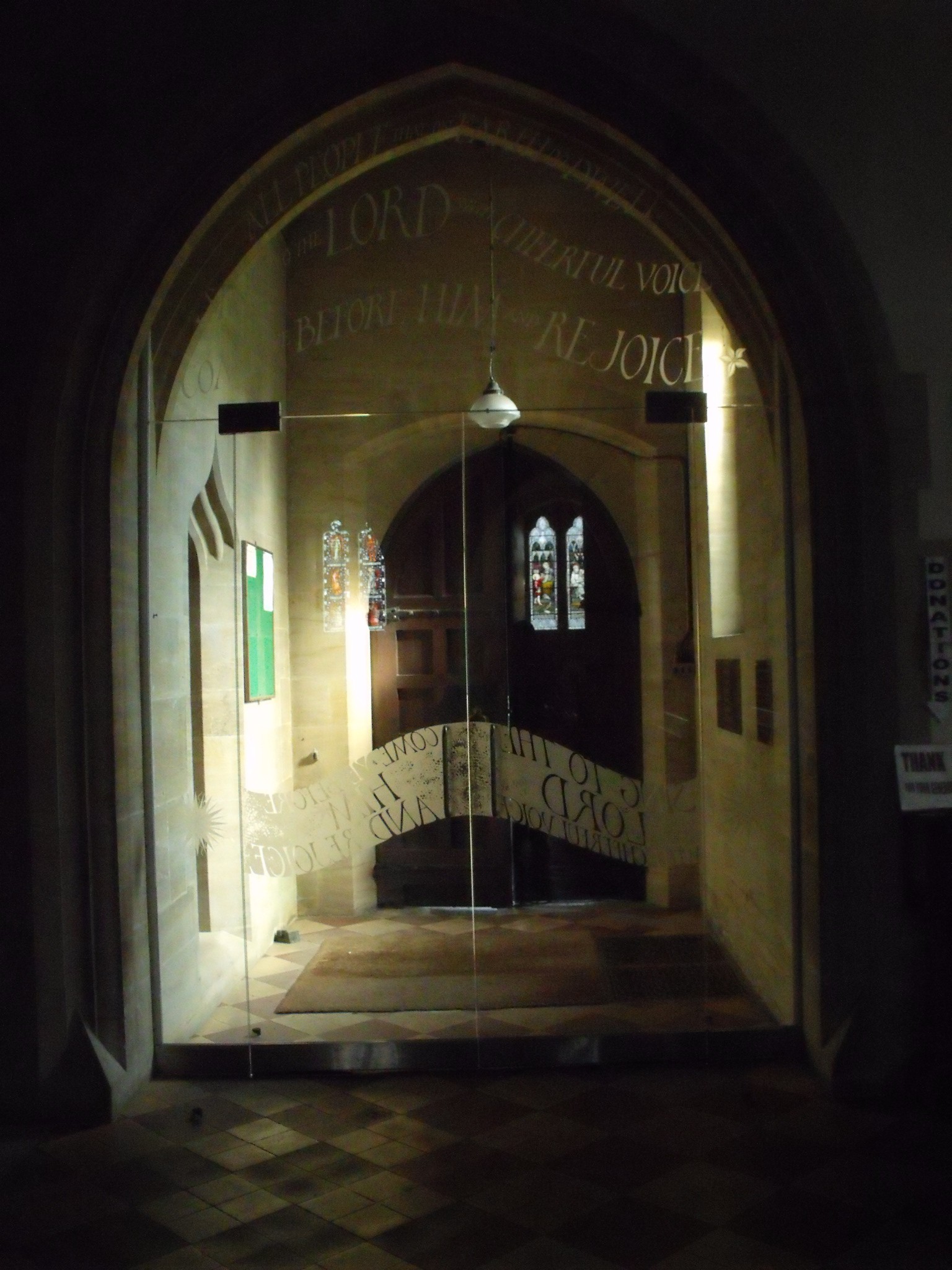 There are some beautiful etched glass doors to enter. There are some guides here – but they had sold out. Some ‘bats’ to carry around (in French and German also) and a folder of the monuments. Another Living Churchyard display features here. The churches 150th anniversary is shown in a display as well as details of a flower festival held here. There is a book for prayers and a good display of the history of the church – including architects plans and old photos. Also a display about HMS Cattistock – M31 a Hunt Class mine countermeasures vessel. No website but there is quite a bit about the church on the village site – see http://www.cattistock.info/church/church/htm. I rate the church as good.
St. Mary Magdelene, Batcombe
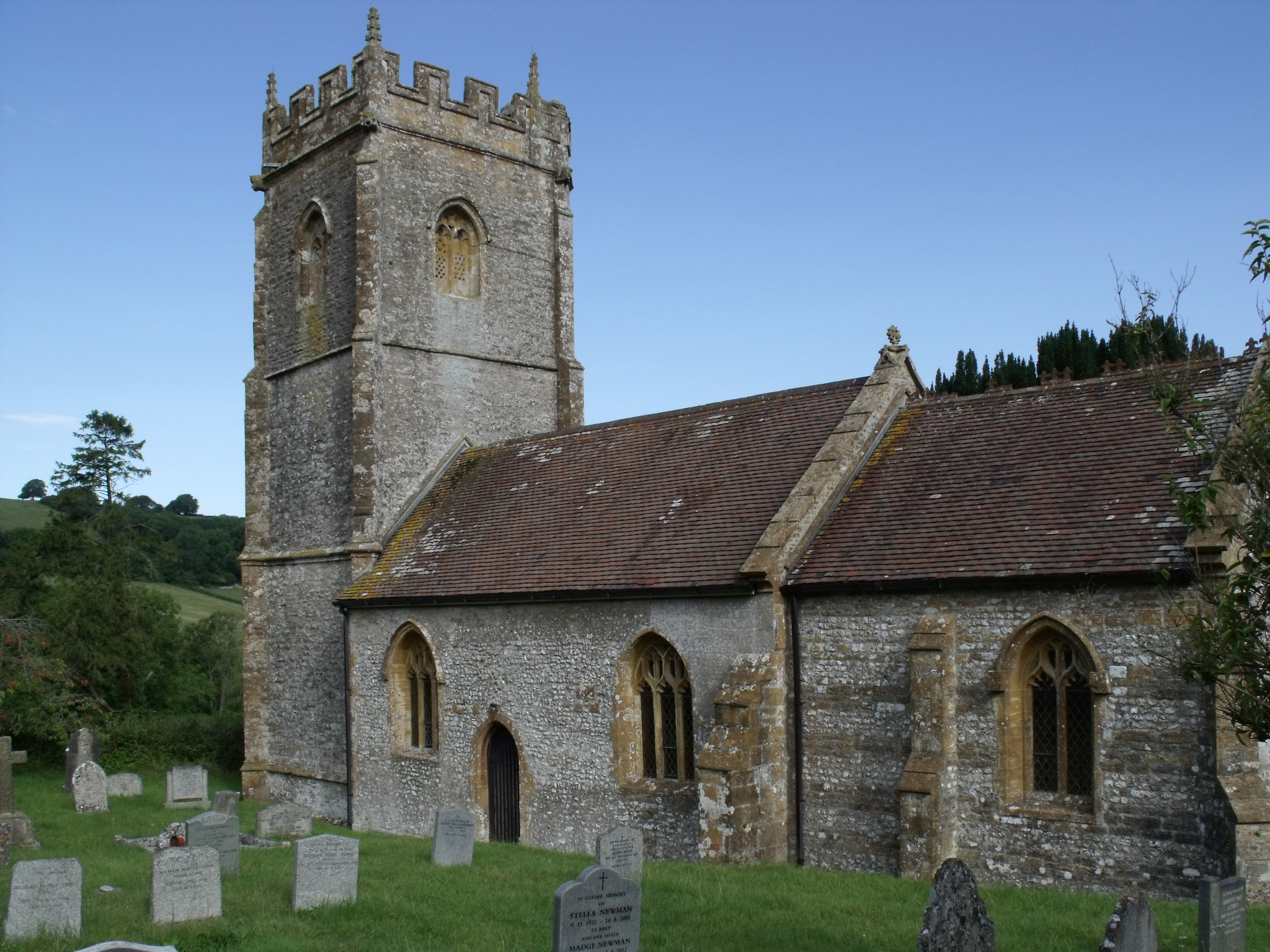 A totally unspoilt little church tucked in the lee of a hill. It was part of the story of the nearby Franciscan Community at Hilfield. To be honest there is not much to see here but there is that precious commodity – peace. This is a good place to sit and be quite and drink in an enveloping stillness. There is no sign outside but a free guide – which is interesting and well done. It tells of how small this parish is – approx 50 adults! This would be a good candidate for the Small Pilgrim Places Network. Postcards are for sale as well and a book swap. 8 people in the visitors book for July.
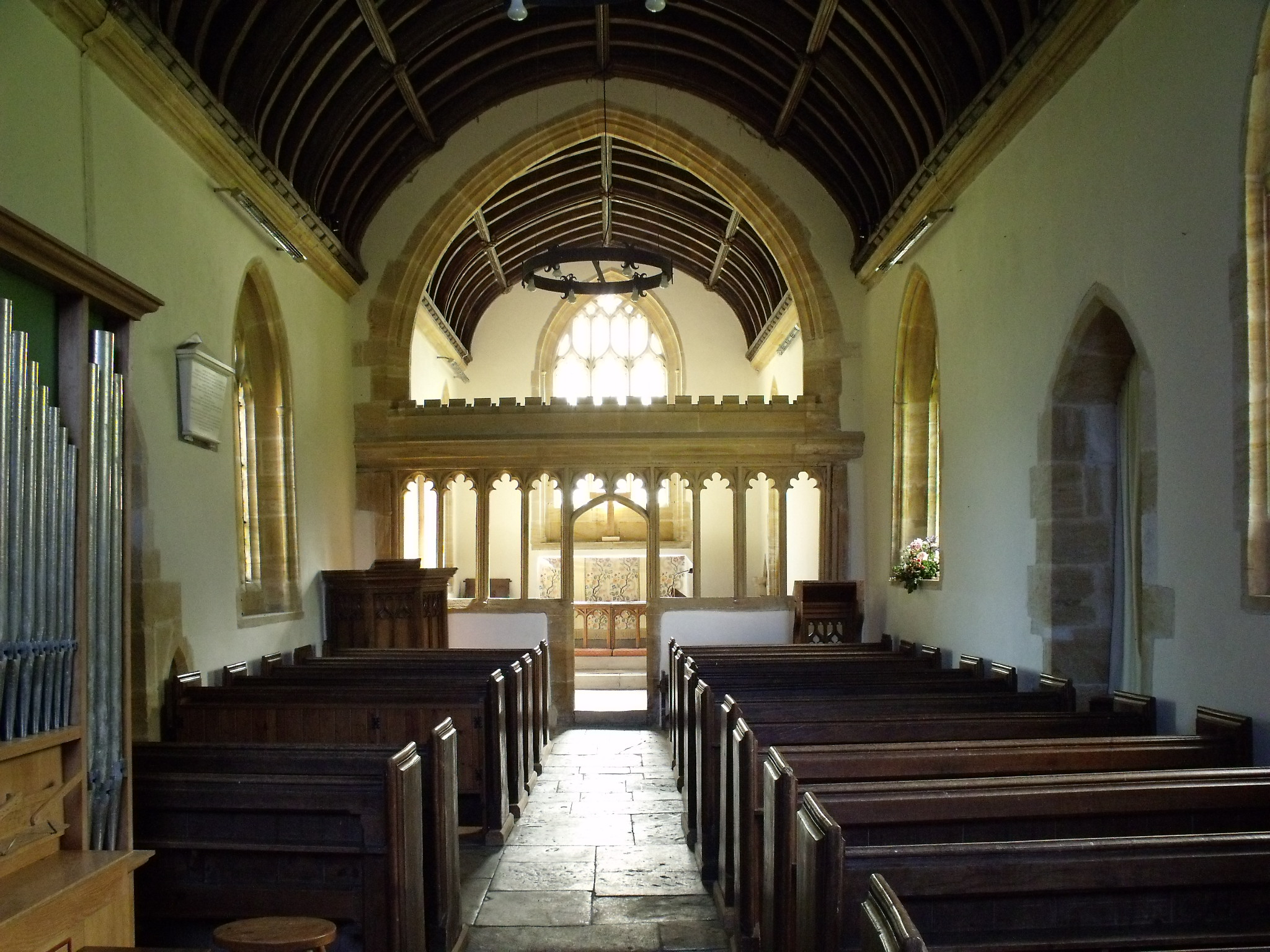 One sobering fact is that even a small place like this lost 7 men in the first World War.
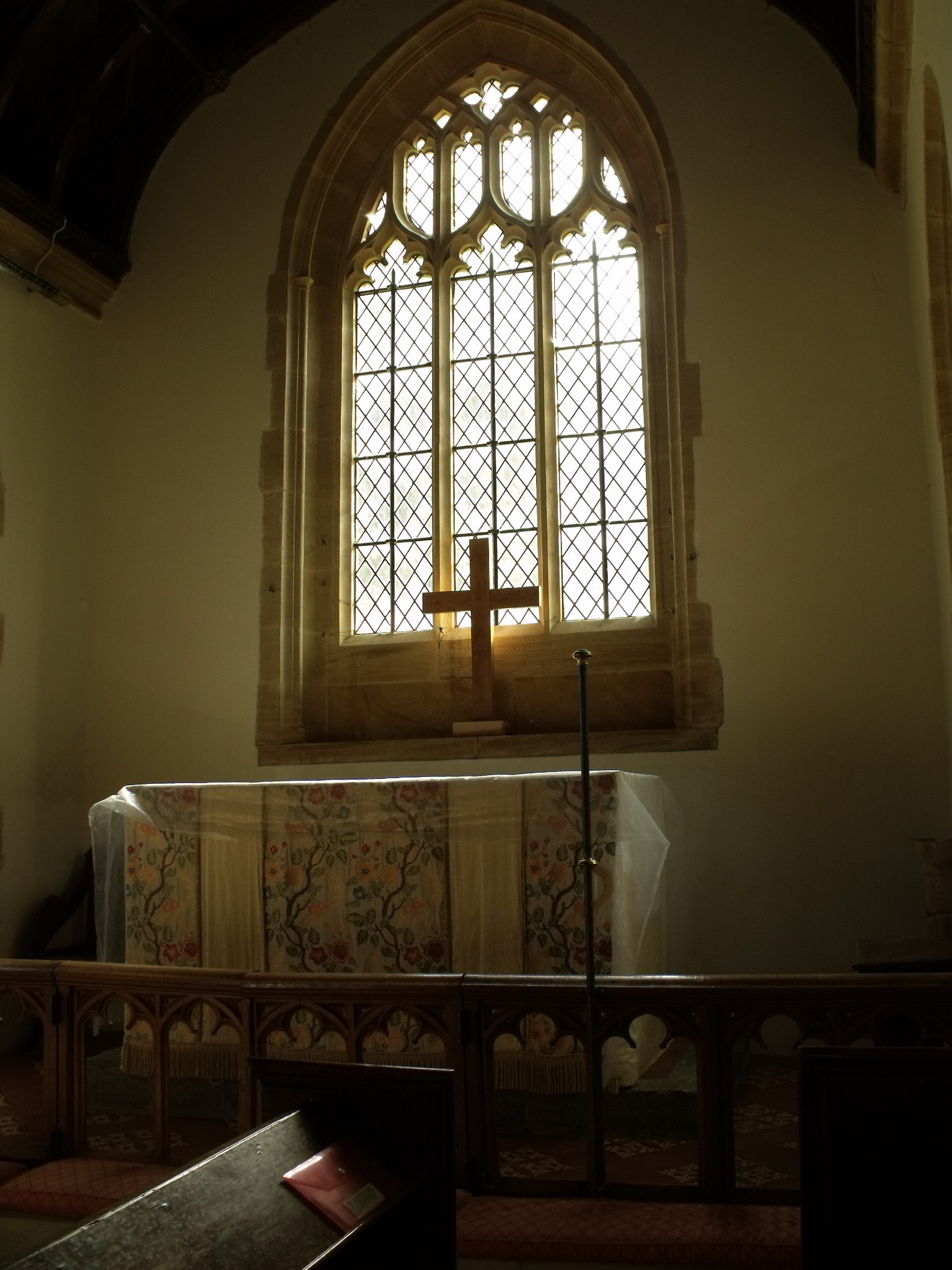 This is a beautiful little church, completely unspoilt and unmessed with. I rate it OK for this study but think it is wonderful!
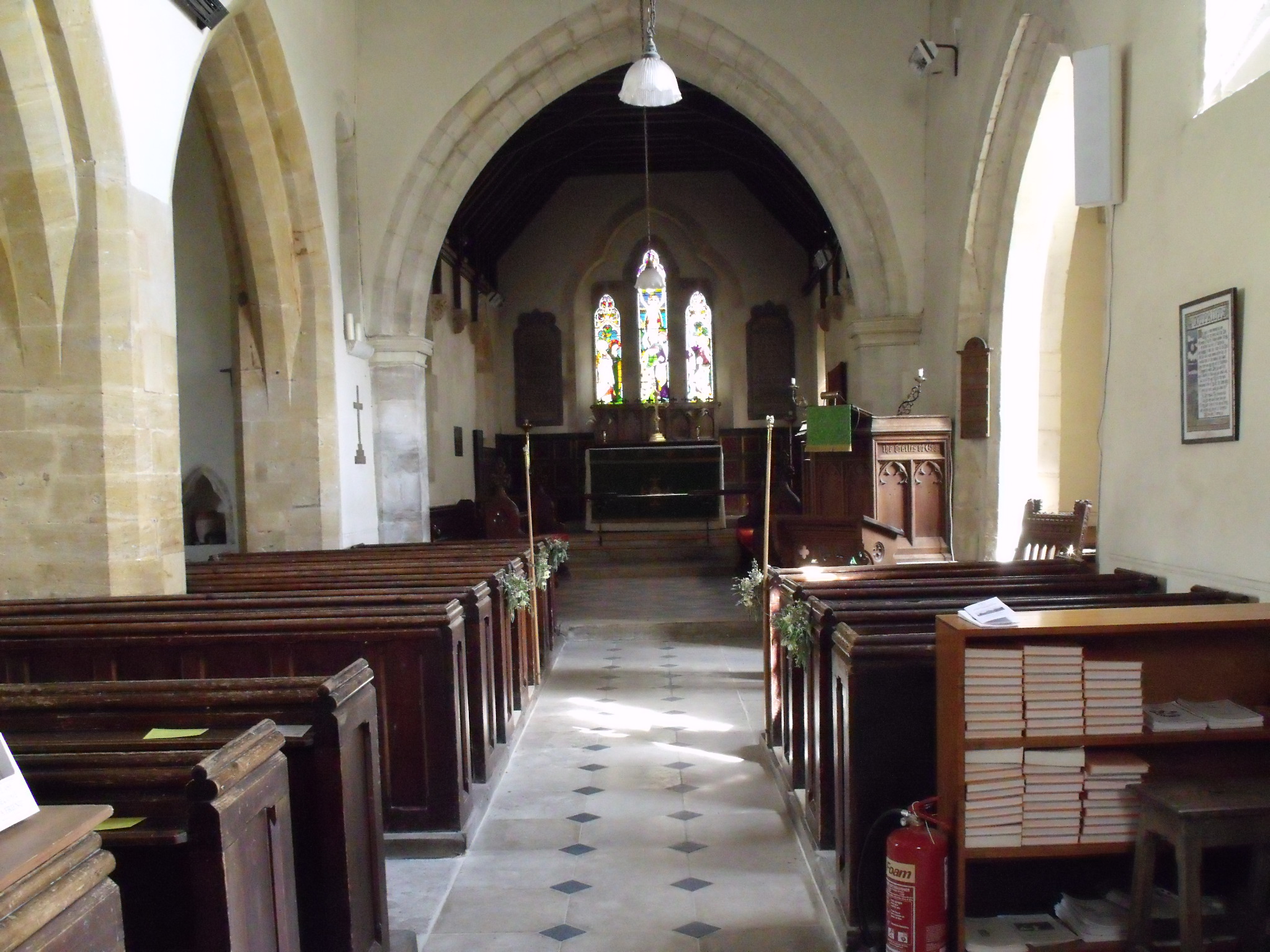
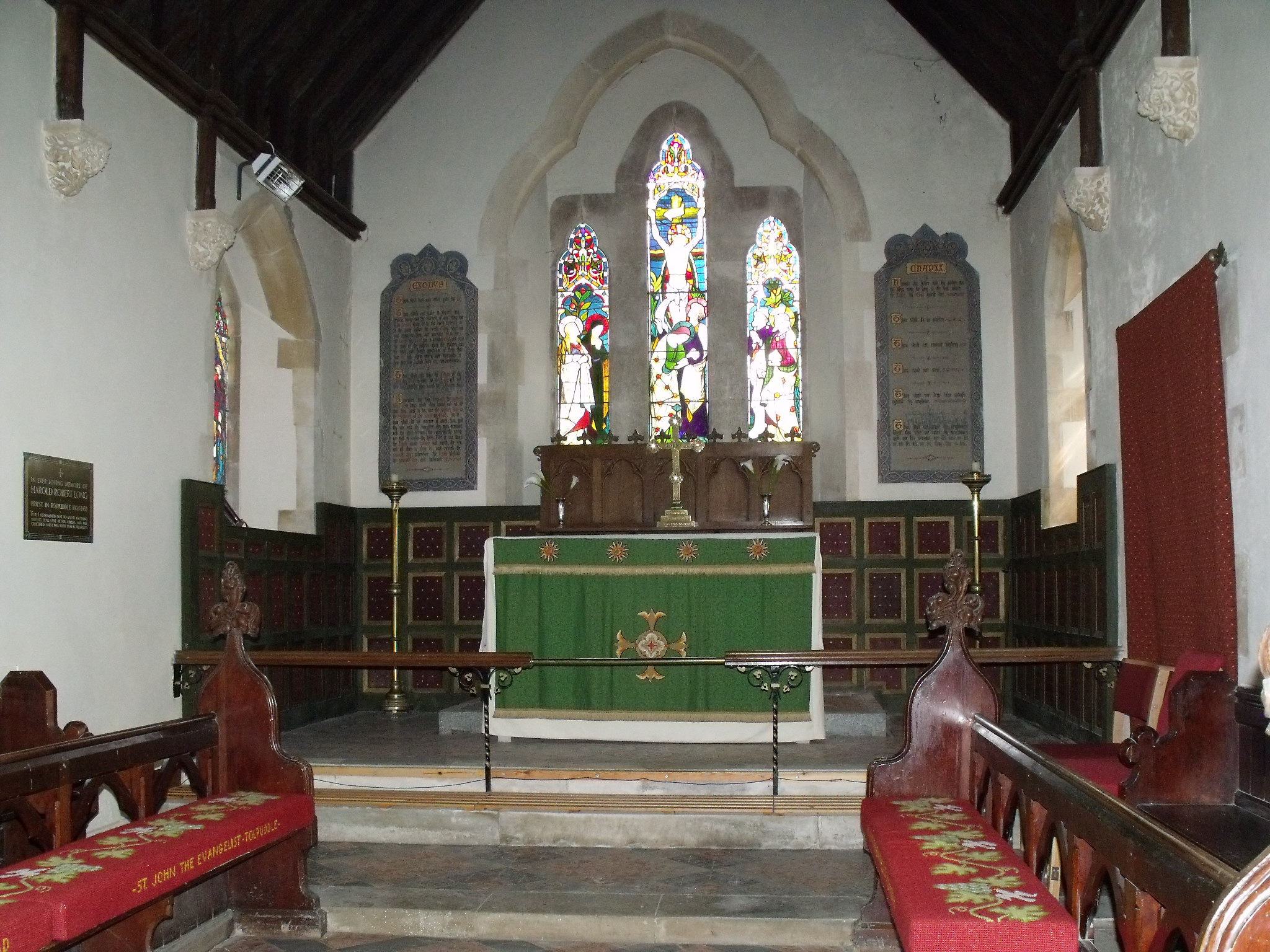
St. John’s, Tolpuddle
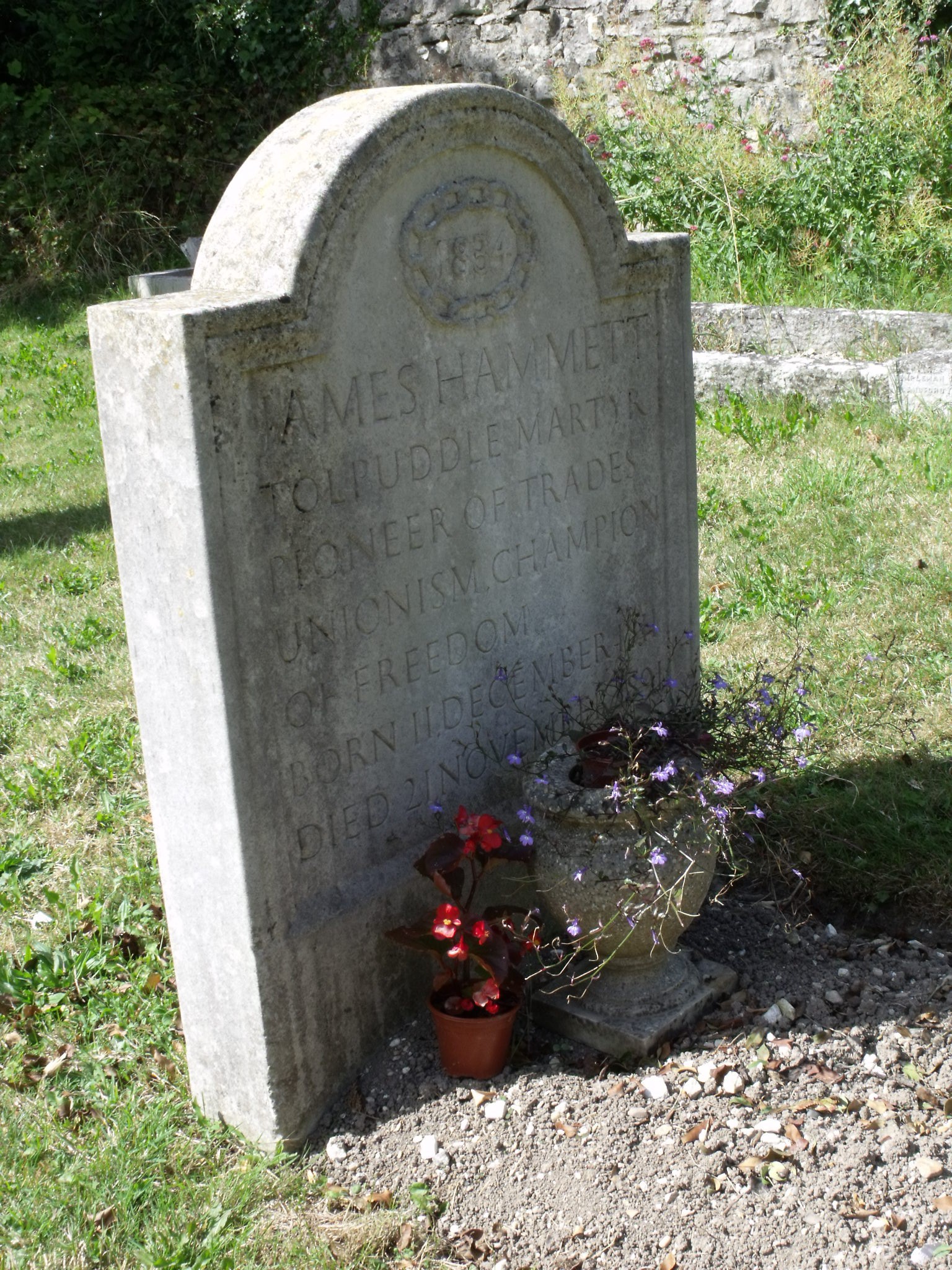
 A lovely church in a famous village – forever associated with the ‘Tolpuddle Matryrs’. I have to say that the church then wasn’t much of a friend to these! It is an important story that needs to be told and there is a small museum in the village. Have a look at http://www.tolpuddlemartyrs.org.uk/index.php?page=martyr-s-story for more details. We forget how our freedoms were hard won and must never forget those who gave so much to found our society.
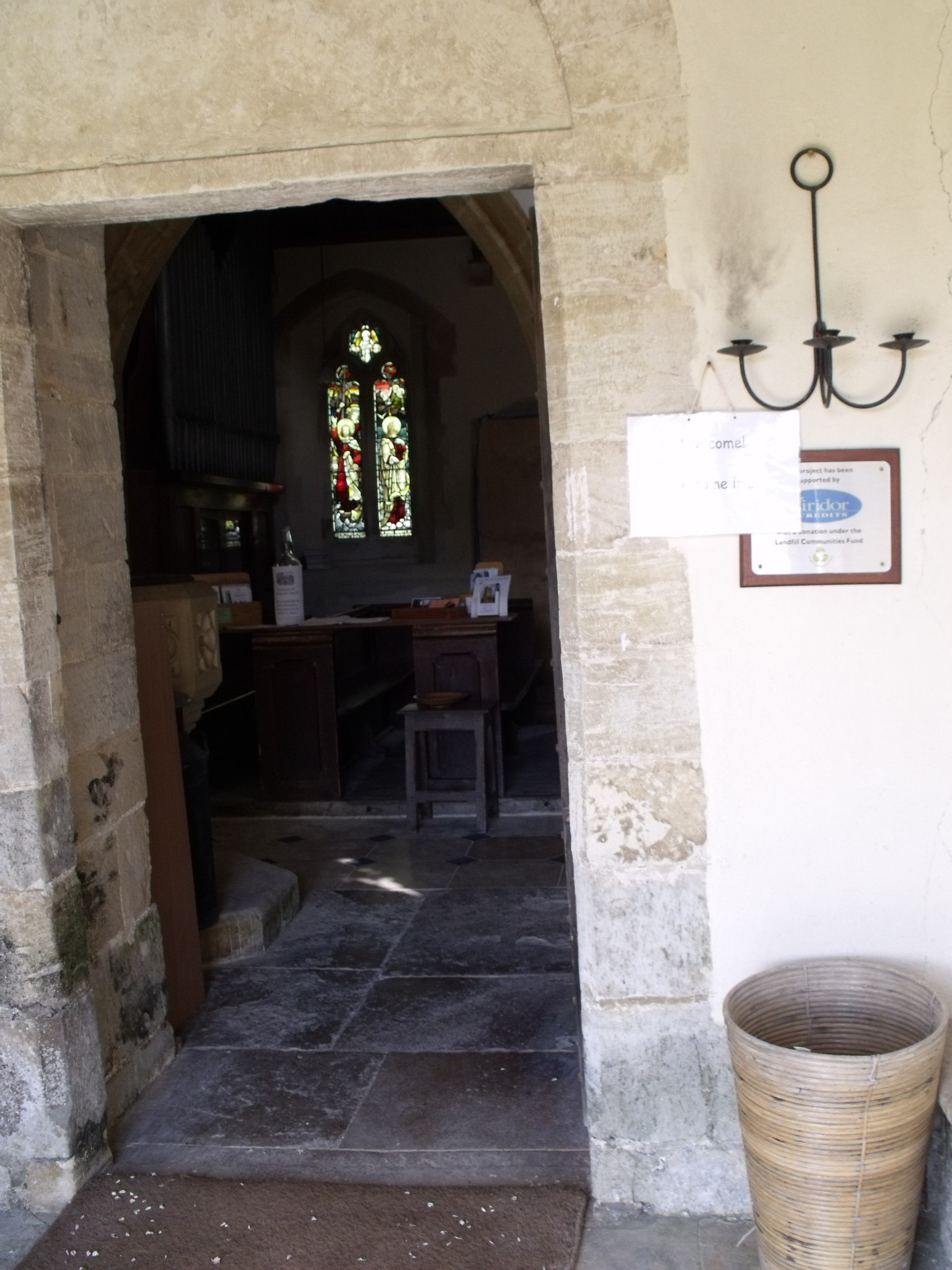 St. John’s is open with good signage and a clear welcome. Inside there are notelets and postcards for sale but no guide. A pamphlet is normally on sale for 10p but this had sold out.
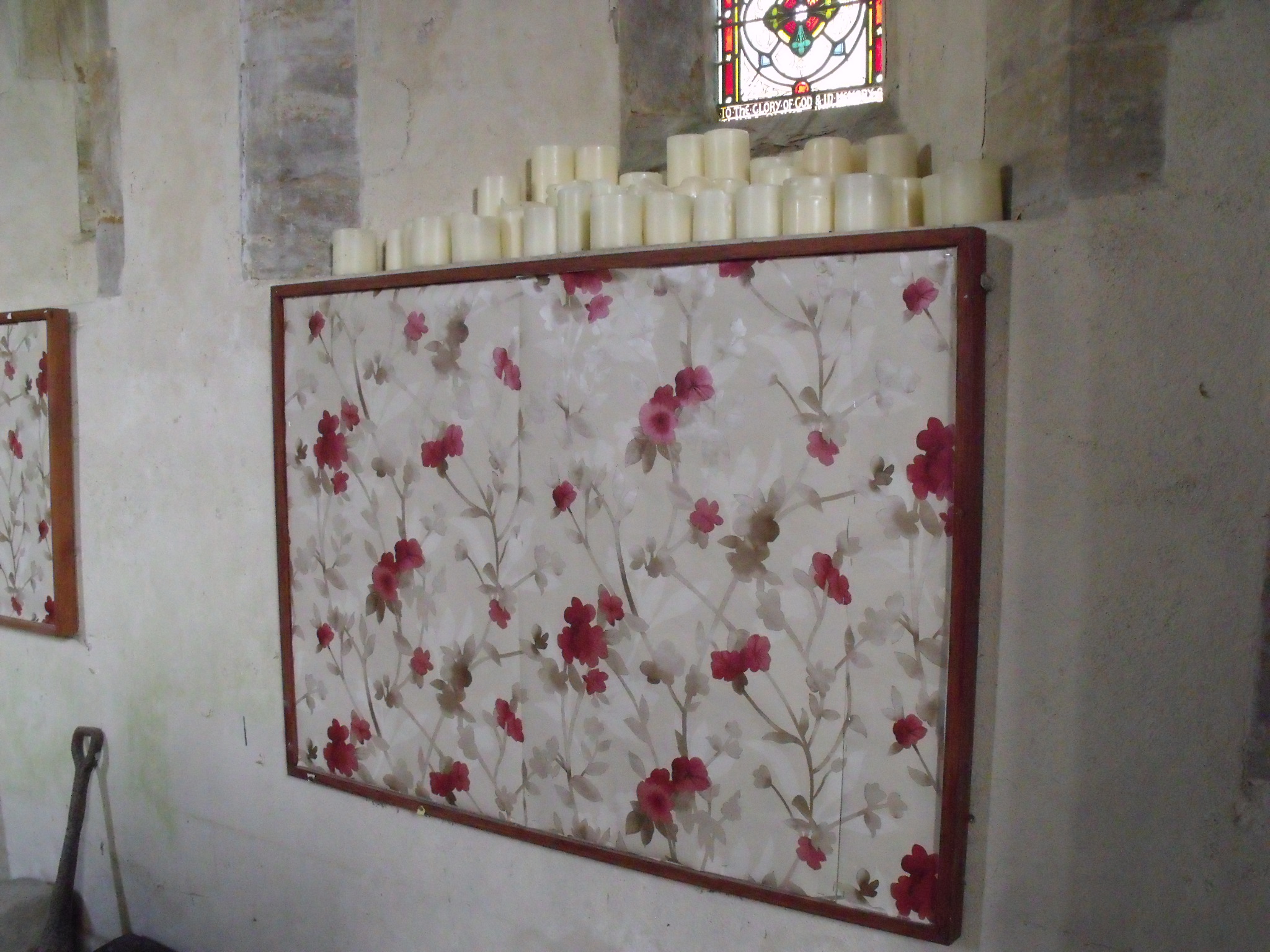 There was a very good WW1 display – the photo shows it. Very simple but very effective. Some 16 people had signed the visitors book in July. There is a prayer book to use – even though it is tucked well out of the way it is still being used.
This is an interesting church but I was left feeling a bit disappointed. There is a real story to tell but the church doesn’t currently do so – although James Hammet’s grave is signposted. He was the only ‘Tolpuddle Martyr’ to return to the village. His grave is well tended. Much could be done here. There is an entry on achurchnearyou and quite a bit about the church on http://www.tolpuddlevillage.co.uk. I have to rate this as poor really – with something of a heavy heart as this is a good church to visit that is at least open.
St. Mary’s, Puddletown
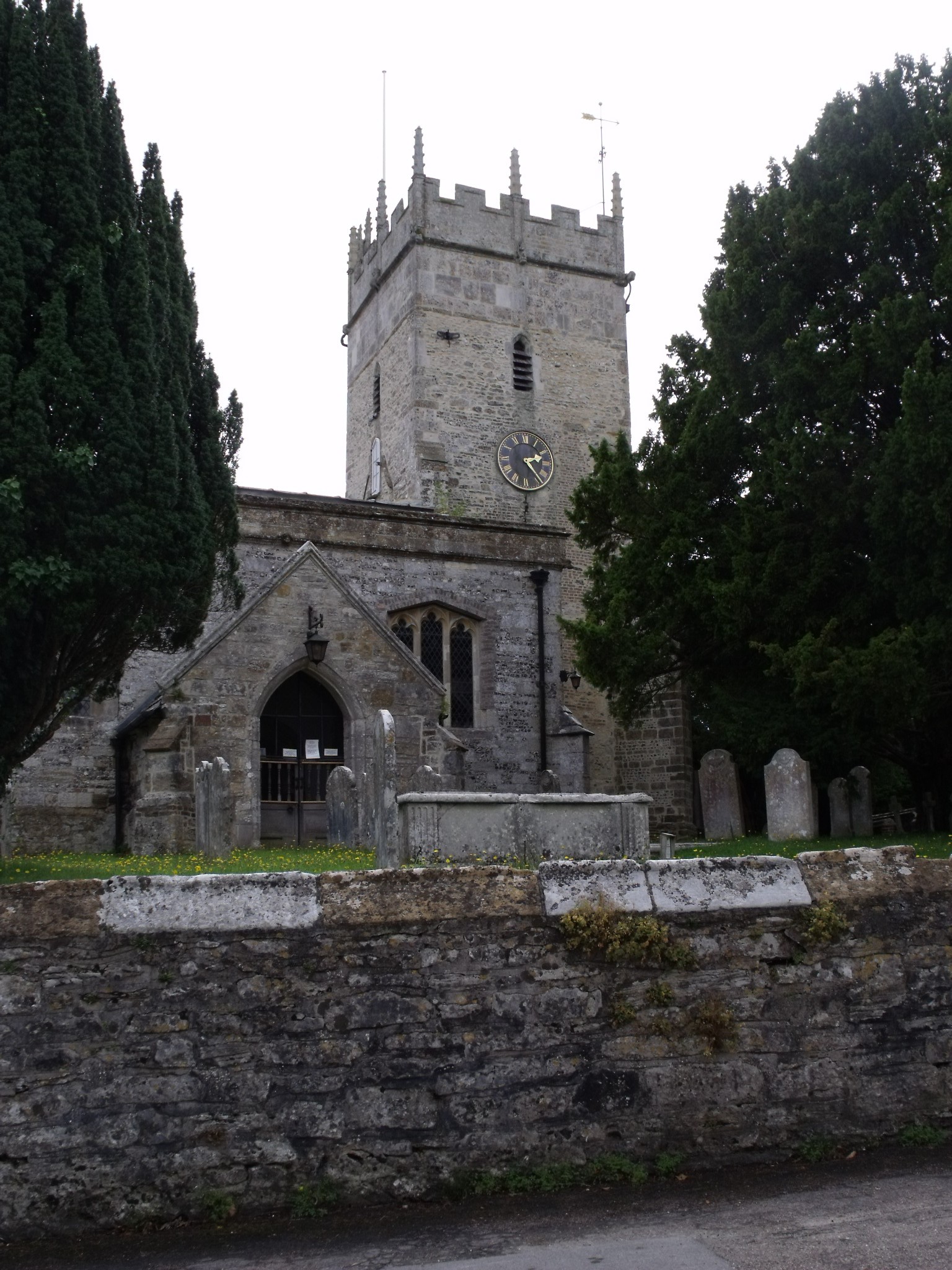 Dorset is full of wonderful churches, there are almost too many to choose from but St. Mary’s must be one of the best. It appears in ‘1000 Best Churches’ and all the other church guides with good reason. It is open each day. The sign outside just mentions Sunday services but there is a very good welcome notice on the door into the porch.
 Inside, there are some mugs, coasters, cards, post cards and church guides for sale, as well as a village trail. 17 visitors had signed the visitors book during July. A good children’s area with some of their work displayed. Pictures of the church staff and PCC are displayed which is a good idea. The churchyard burial plan is in a folder which will be useful for those tracing family. A Living Churchyard display also – which seems to be a common feature in Dorset churches. Some ‘bats’ are available to wander around with. There is a prayer request board – well used as usual.
 This is a very atmospheric church. The box pews, gallery and three decker pulpit and other fittings date from 1635 – a rare survival as many, many churches were ‘restored’ by Victorian architects.
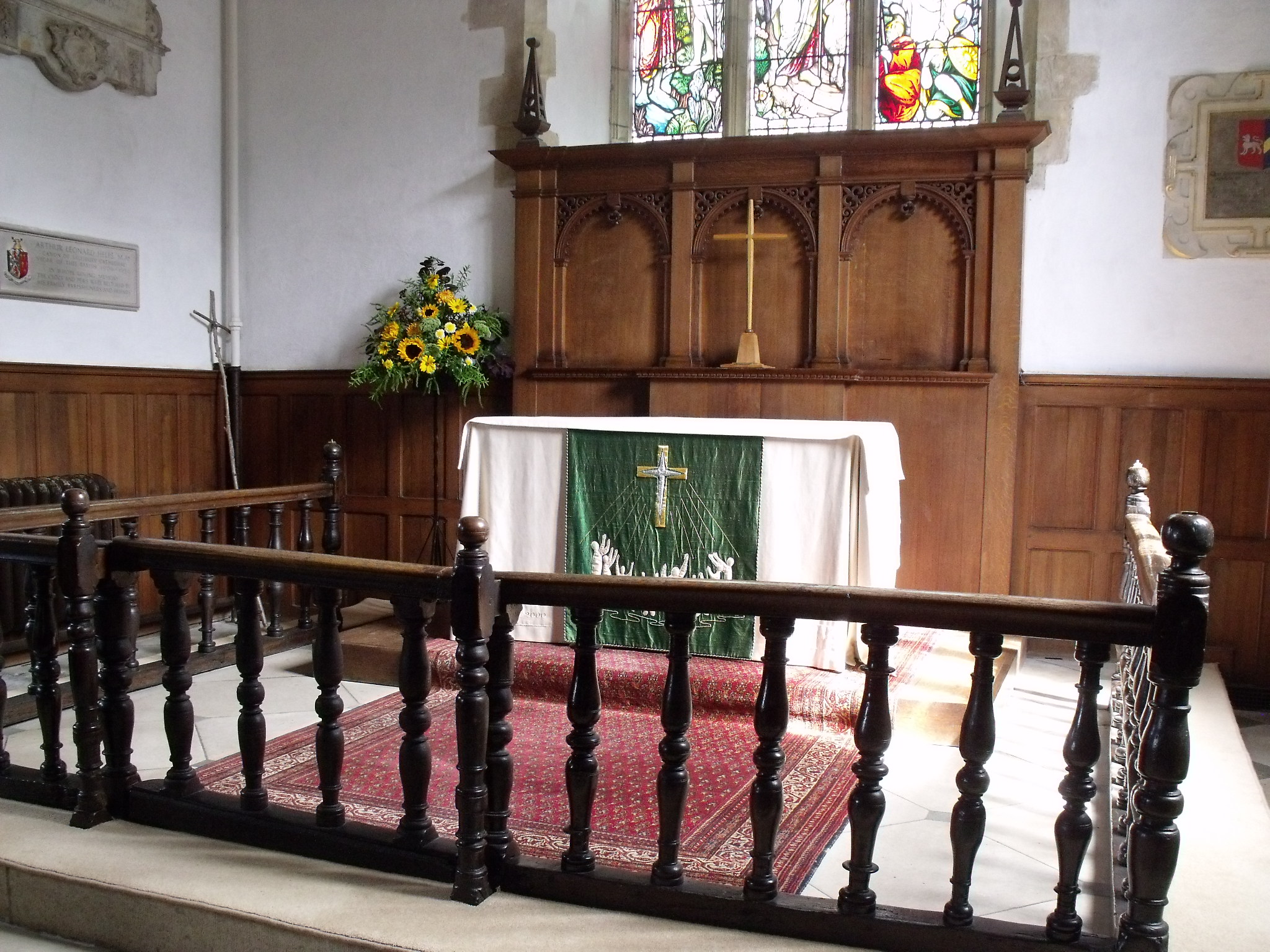
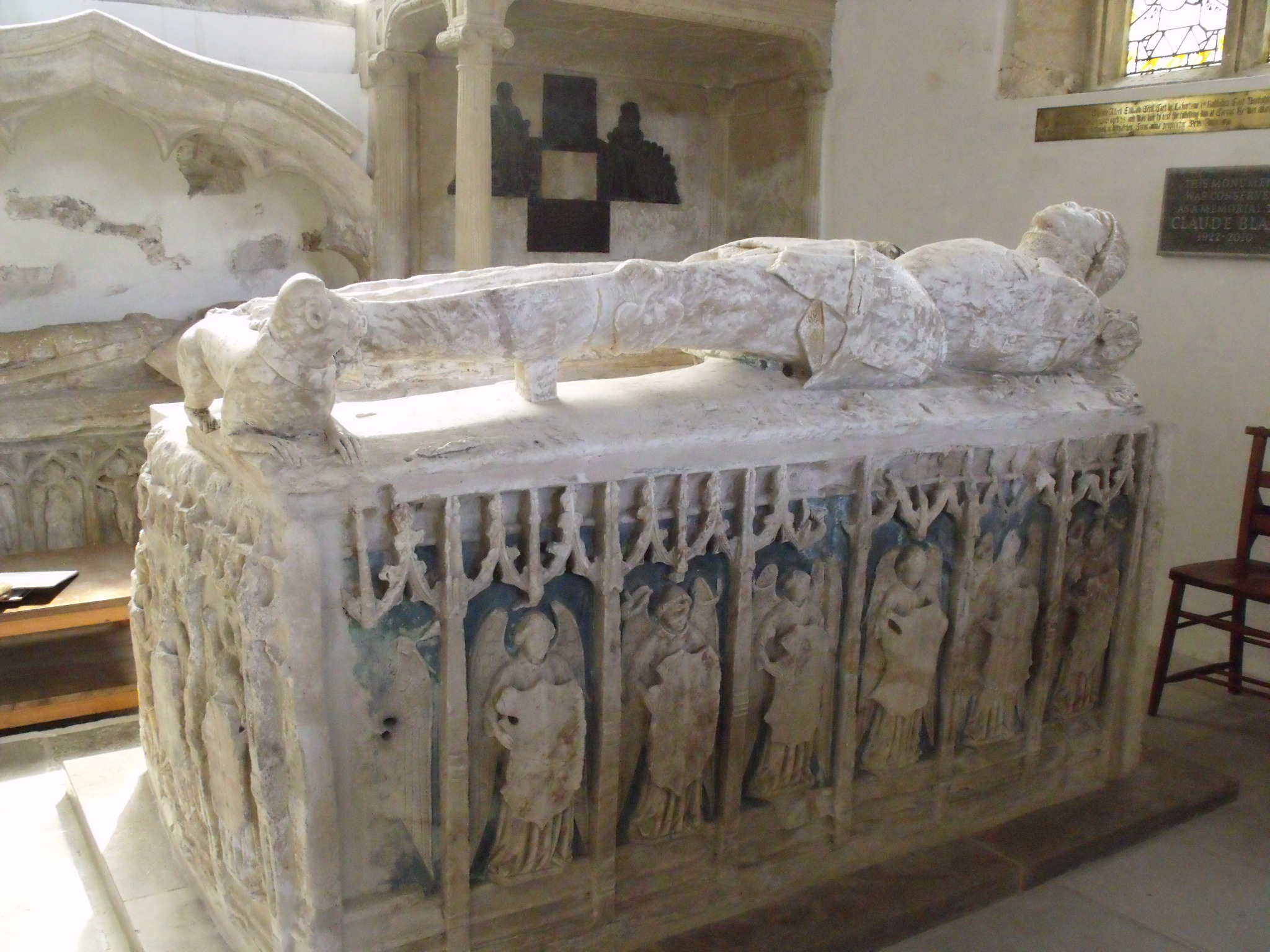 I think that that the best thing about St. Mary’s is the Athelhampton Chapel which has been well preserved in recent years – details are available to read through with guides and ‘bats’ about this.
This is a wonderful church to visit and I rate it as good for the purposes of this study. There isn’t a church website but there is a presence on achurchnearyou but nothing about visitors. There is a link to a parish website but this seems defunct.
St.NIcholas, Moreton
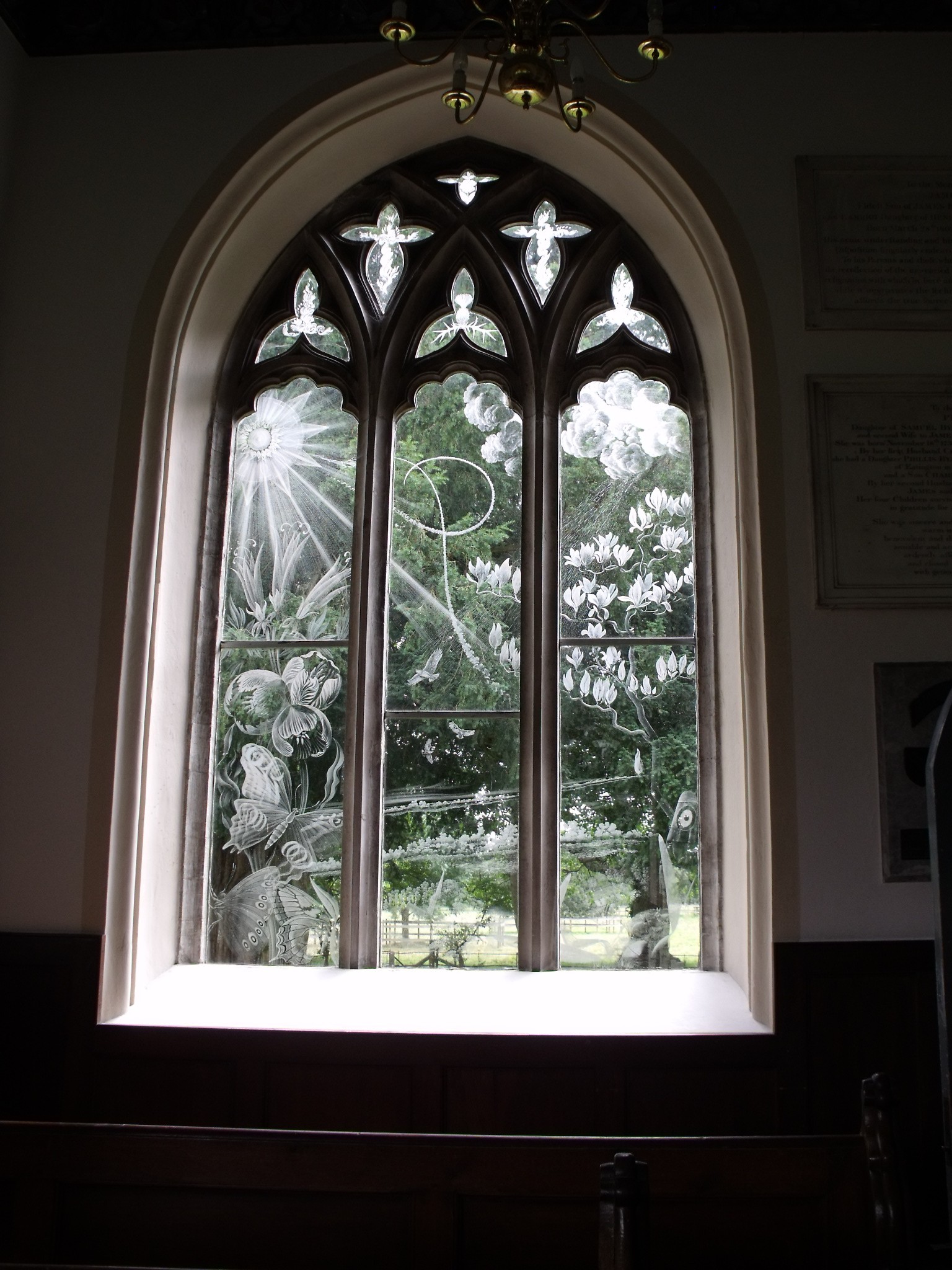
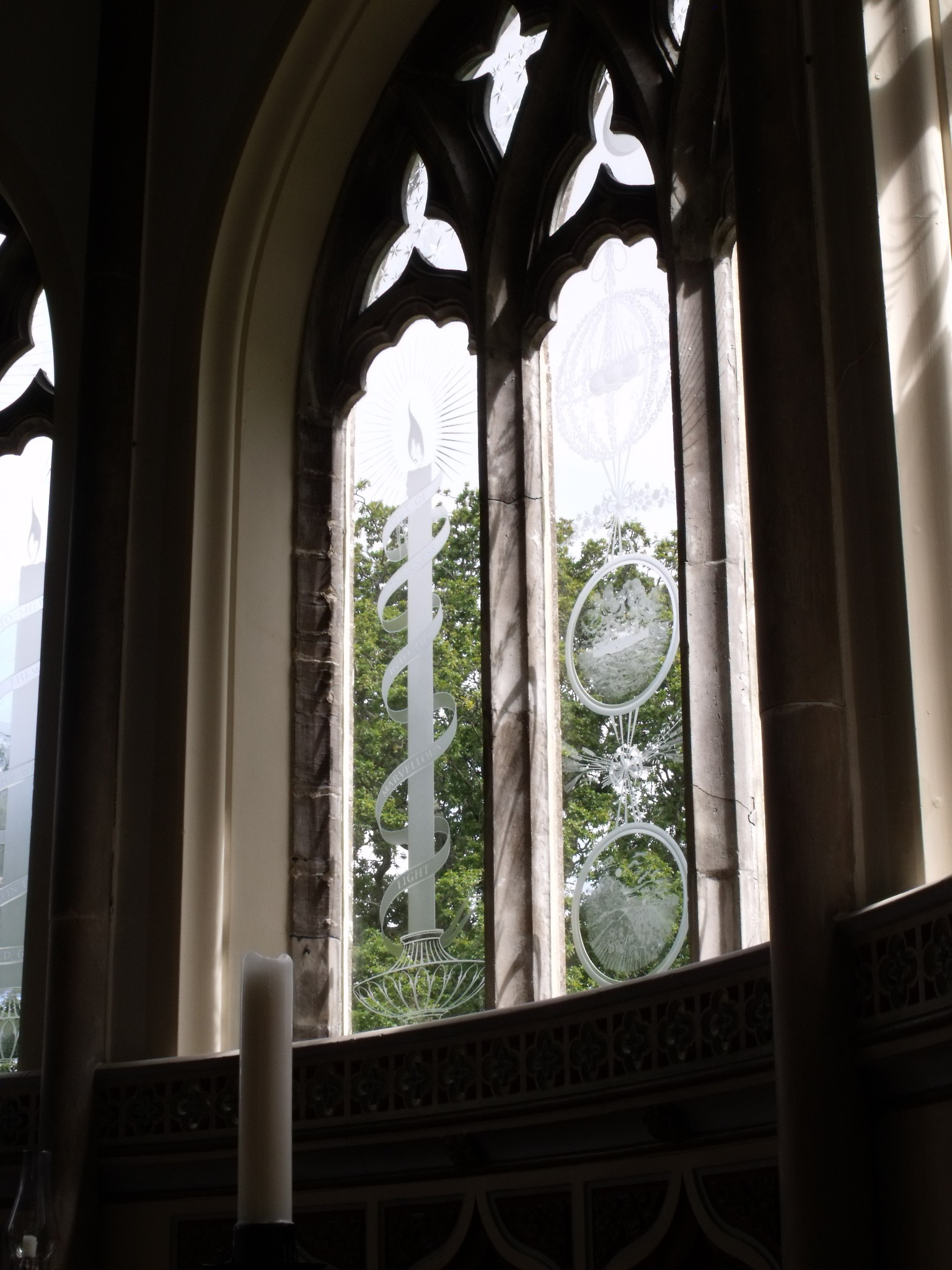
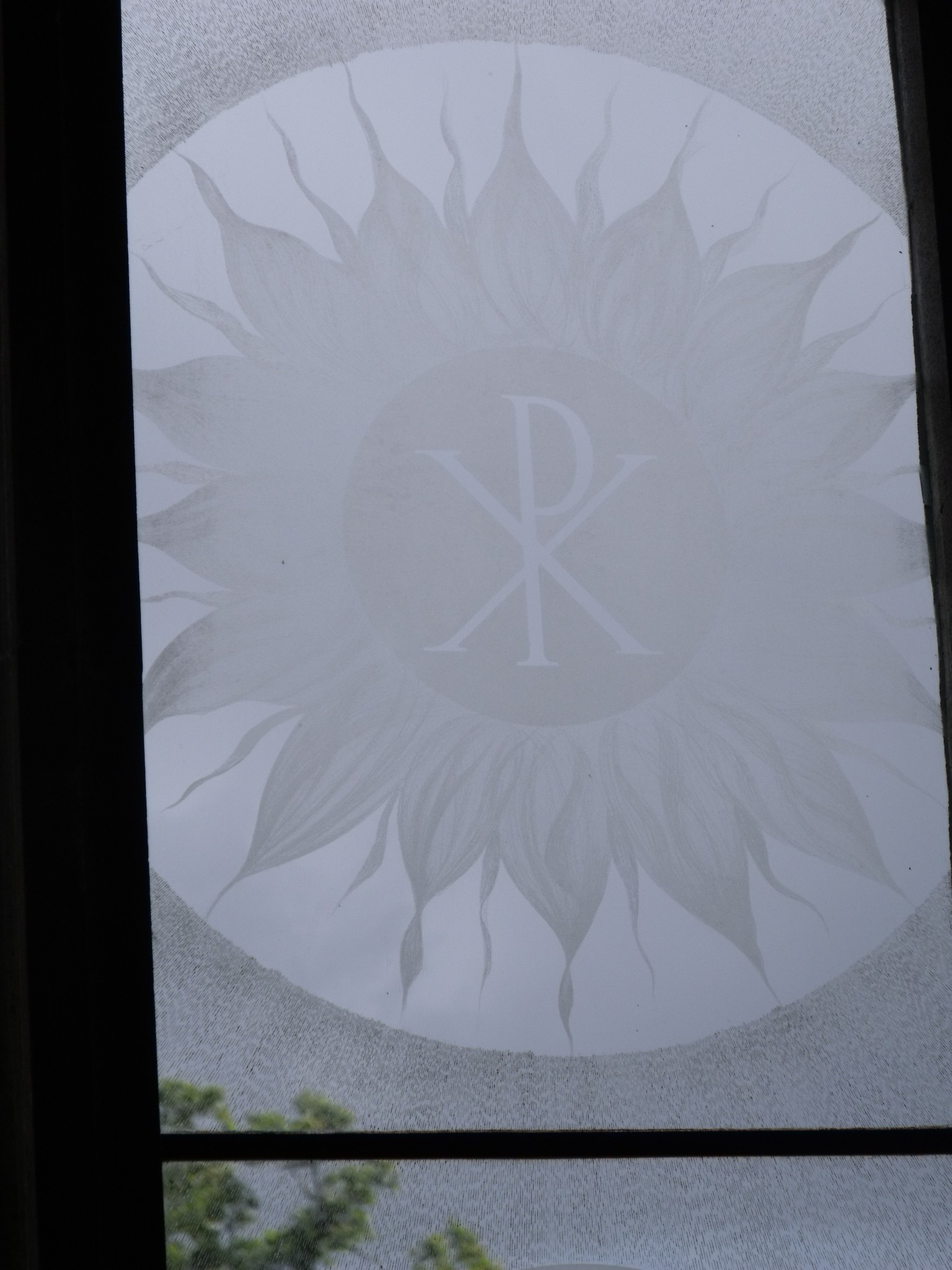
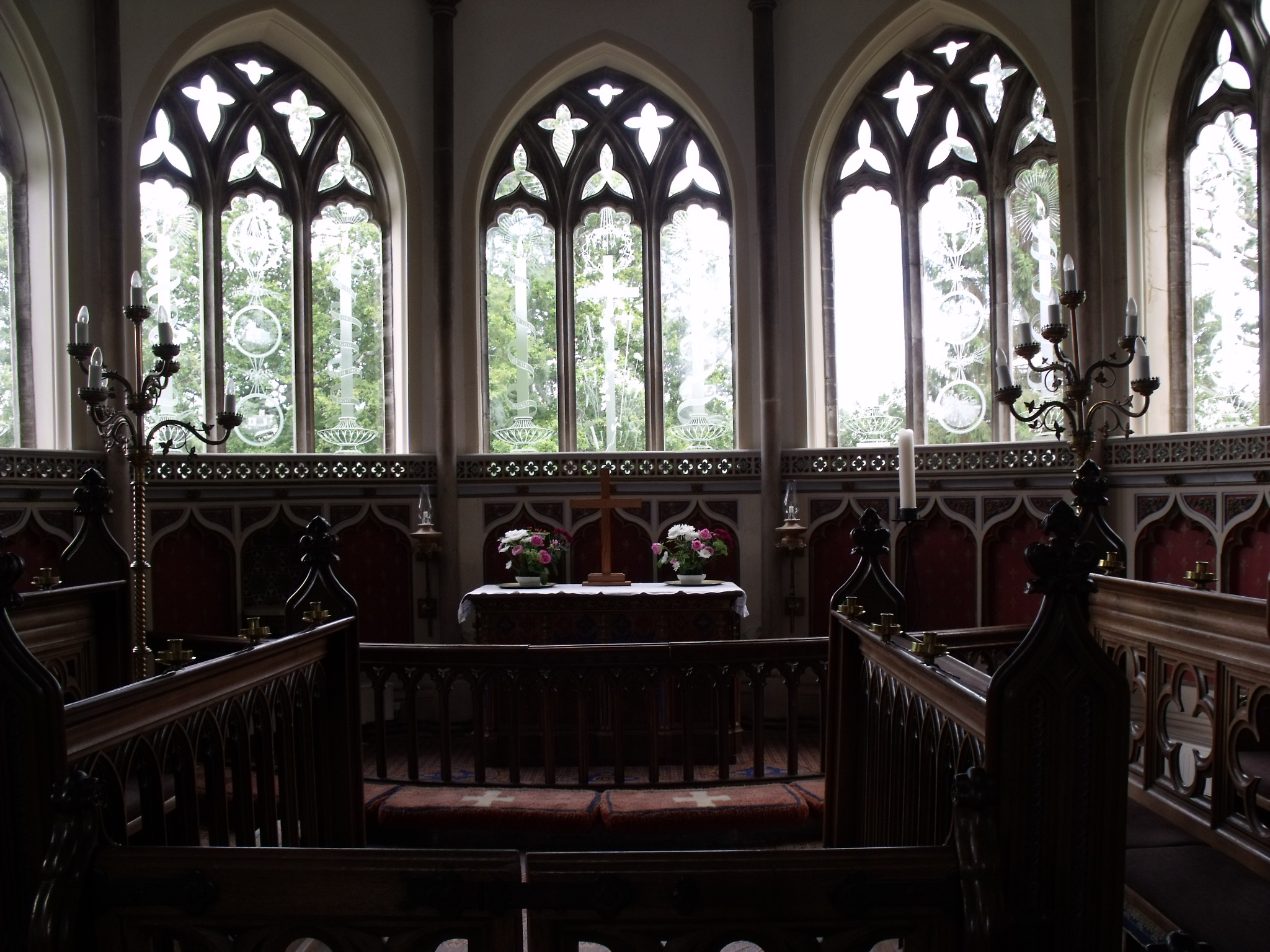
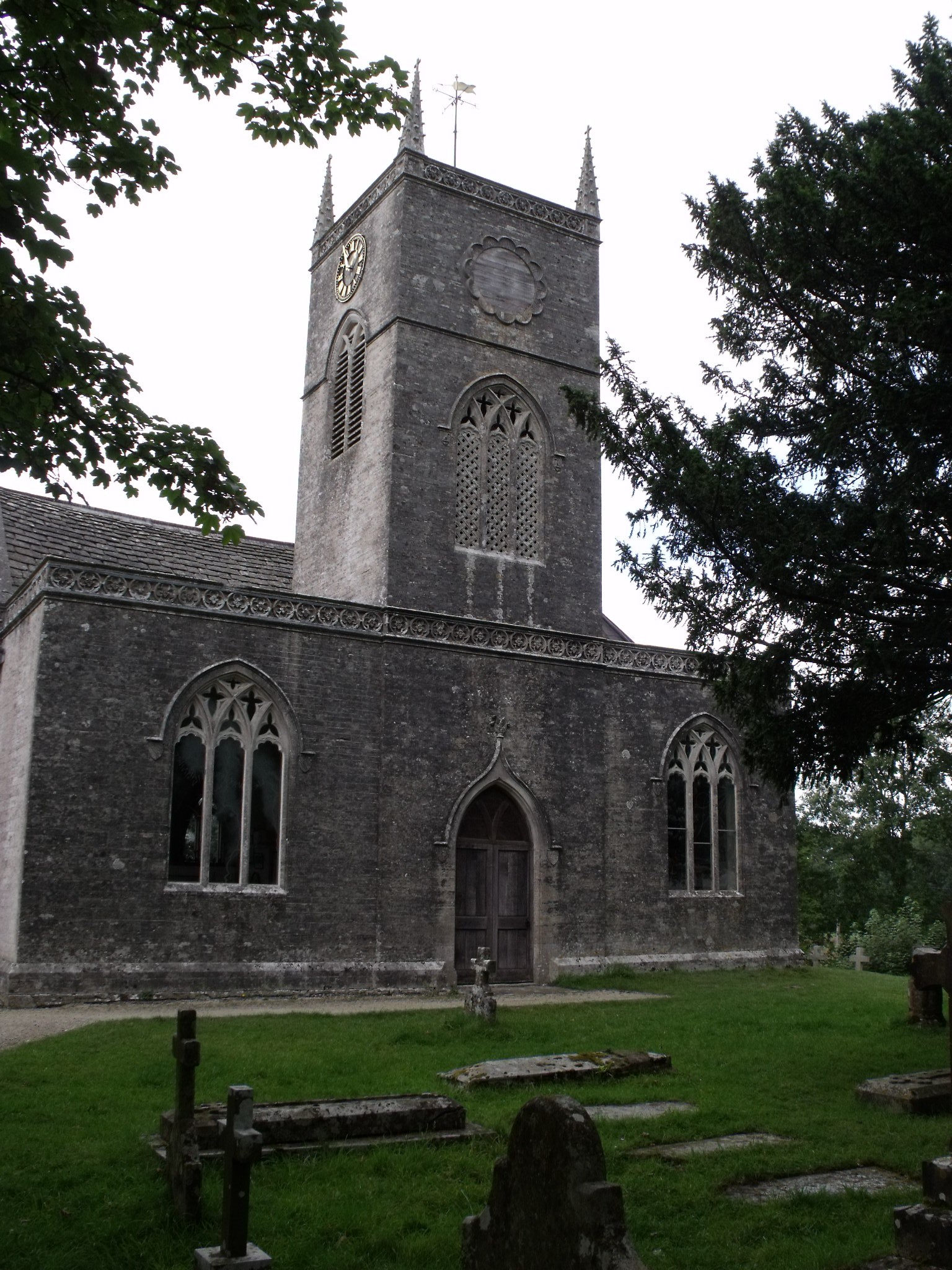 I was very keen to visit this beautiful church. It was built in 1776 and is almost square in plan. This alone would make it worthy of note but the best thing here is the stunning glass by Sir Laurence Whistler which was installed in the 1950’s. The original glass was destroyed by a bomb in 1940. The glass is engraved and gives a wonderful luminosity to the interior. T. E Lawrence is also buried in the nearby cemetery . The church attracts a lot of visitors – there were quite a few there when I arrived and it was difficult to photograph things without getting people in the shot. It is interesting to sit and watch visitors to a church such as this. It has a definite wow factor on walking in. They then wander around a bit. Some don’t seem to know quite what they are looking at or what it is all for. Such is the challenge that faces churches in our current age.
 The church is well signposted off the road and there is clear signage outside, including an information panel which gives some history of the area as well as the church. Guides are available about the church and the glass. Also cards, prayer cards and various Christian booklets. For children there are some cushions and various toys to play with – these were being used when I visited.
A nice touch was a simple, but effective display of the Saints and Martyrs the Church was remembering this month. In the clergy stall there was a weekly prayer to remember our visitors – which is a very nice thing to do and, again, an easy thing to do.
 There is a visitors book which had too many names in it to count and a prayer request book which is very, very well used. This is an important aspect of ministering to visitors and something that churches do need to take seriously. Reading a few there are many to remember loved ones, a lot asking for prayer for someone who is ill or going through a difficult time. When people are given the opportunity to engage with God they do. All of them seemed to be heart felt and serious requests. We ignore such things to our peril!
The church website is at http://www.stnicholasmoreton.org.uk. It gives some good photos and information about group tours for 10 or more people but no other visitor information – this is a bit of shame.
I rate St. Nicholas as very good for this study. I will finish by putting up a few photos of the wonderful glass here.
St. Laurence, Affpuddle
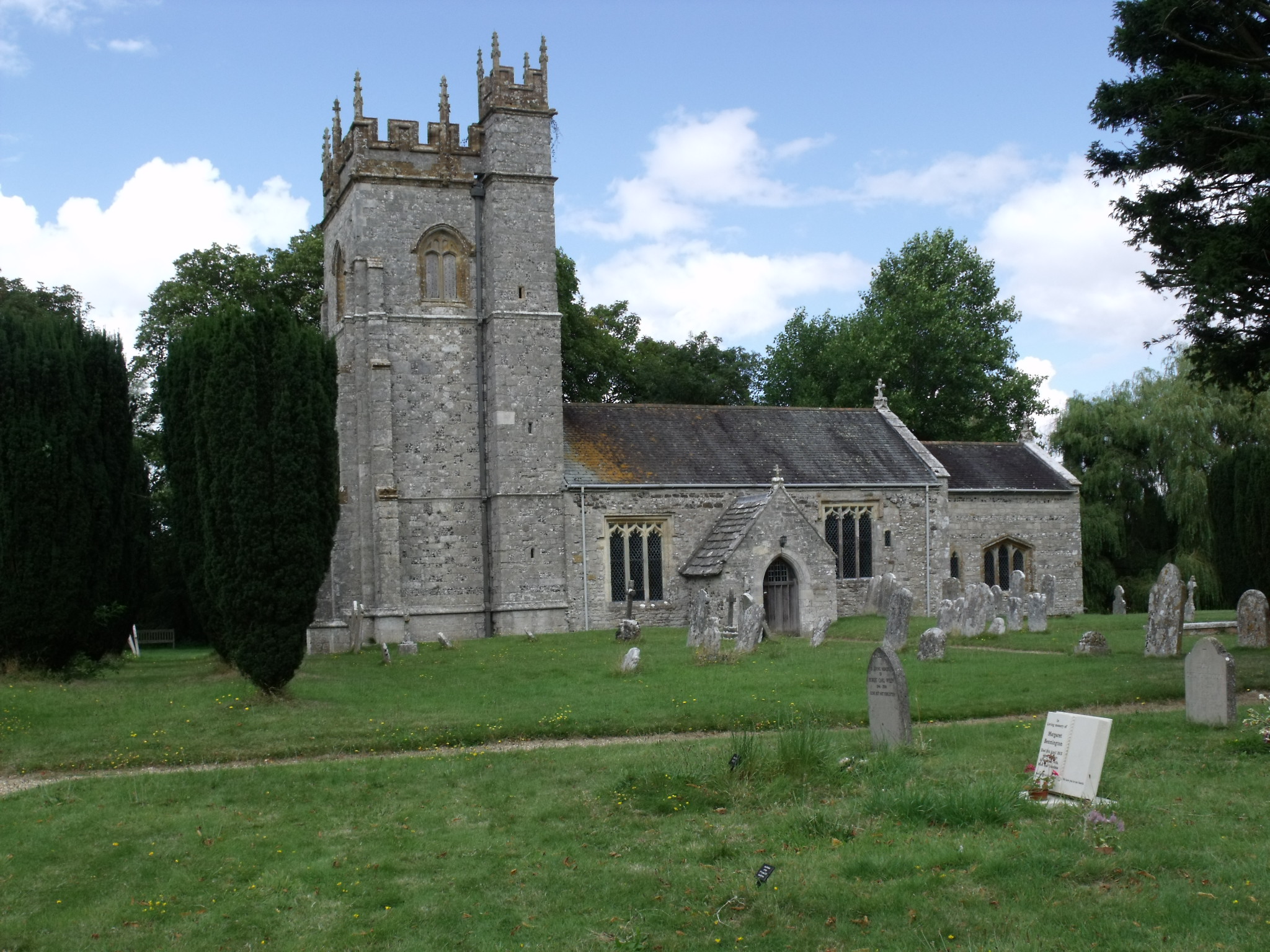
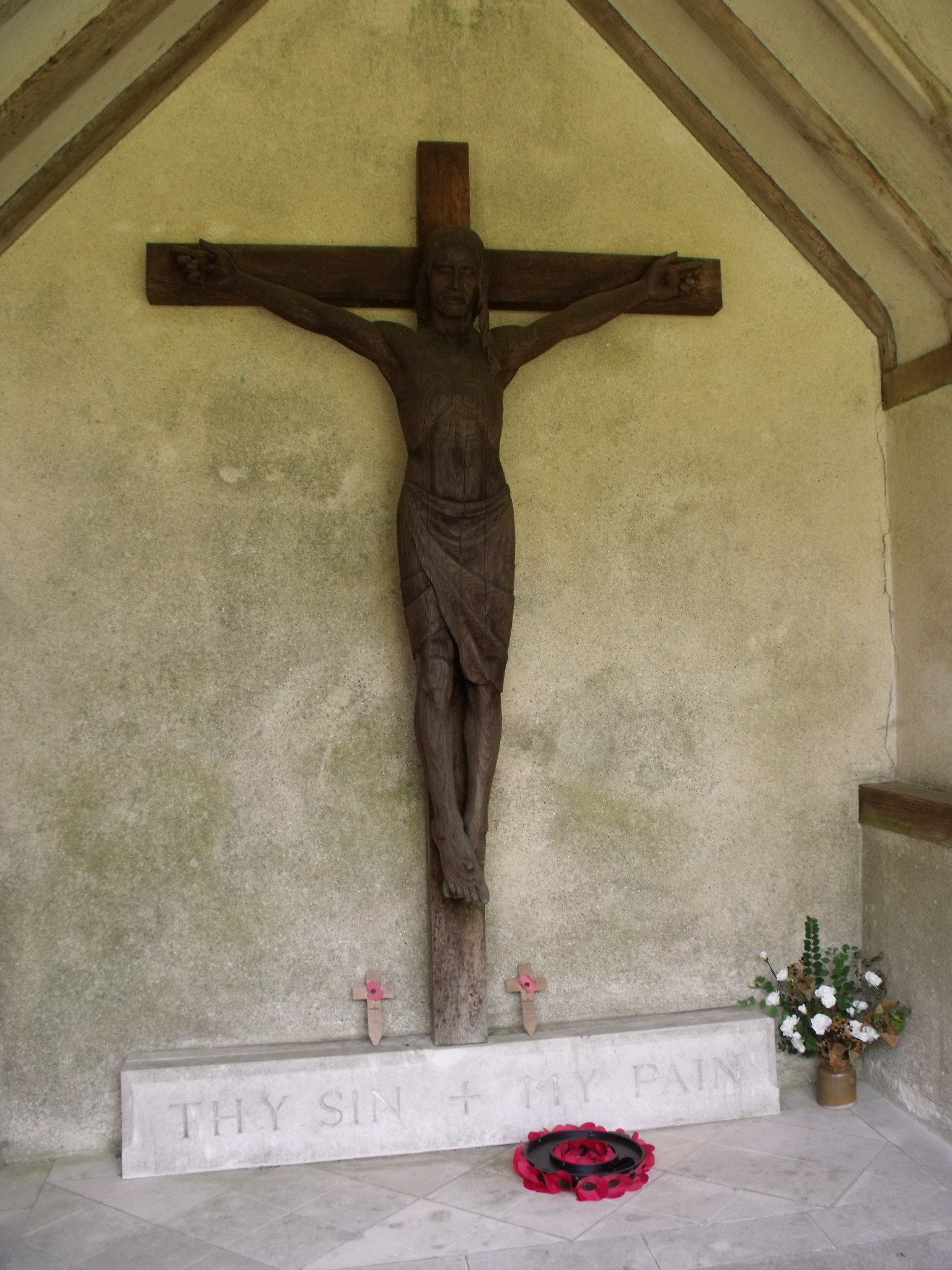 This church is only a short distance from it’s more famous neighbour at Bere Regis but is certainly worth a visit in it’s own right. Another church which features in ‘1000 Best Churches’. The setting is wonderful beside the River Piddle. In the churchyard there is a Calvary – which forms part of a peace garden.
The sign outside just gives details of the Sunday service here but the church does appear to be open each day. It is part of the same benefice as Bere Regis and the website is at http://www.bereregiswithaffpuddle.org.uk but is dominated by St. John the Baptist at Bere Regis with no visitor information about St. Laurence’s, which is a shame as both are well worth seeing.
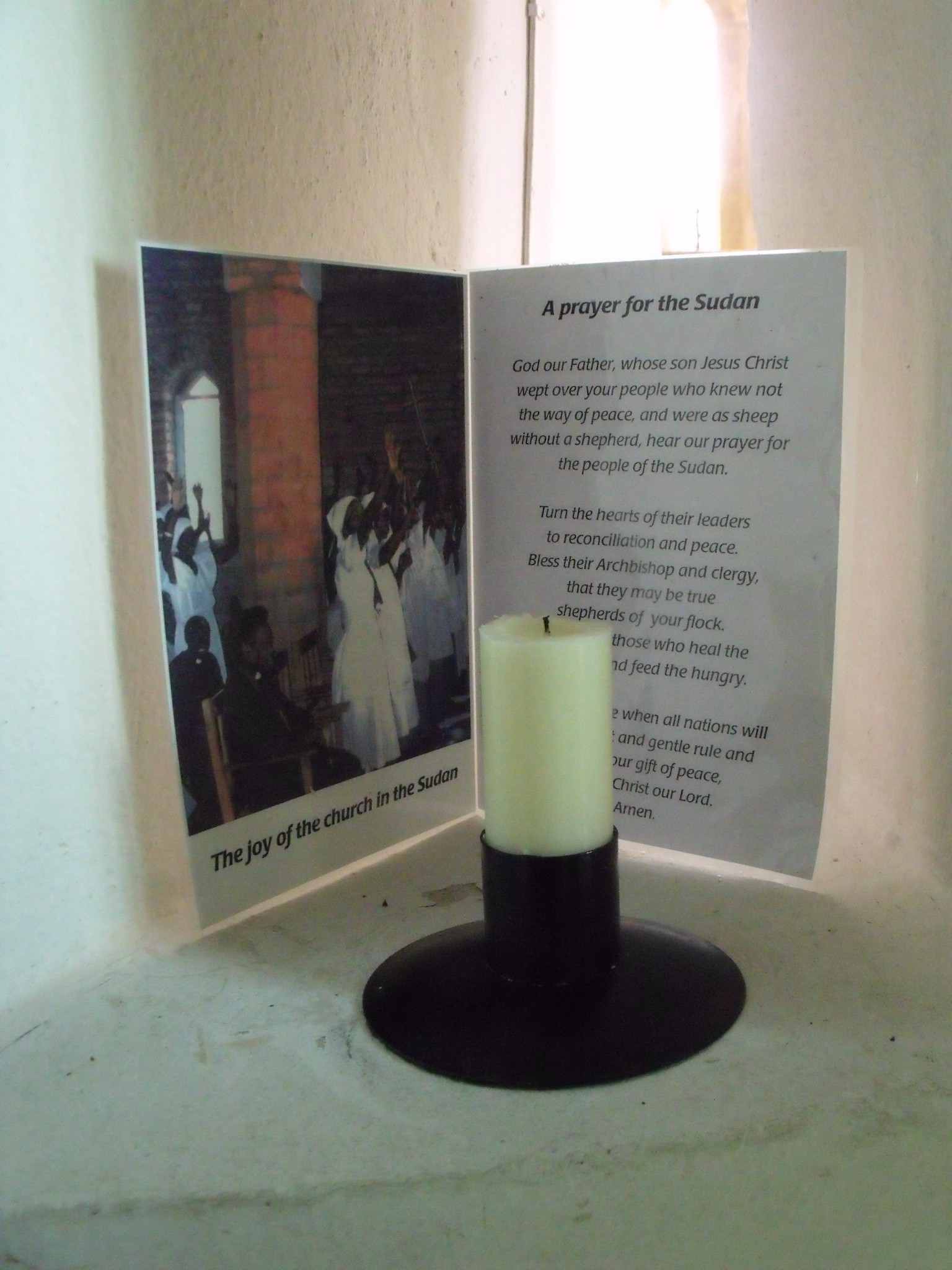
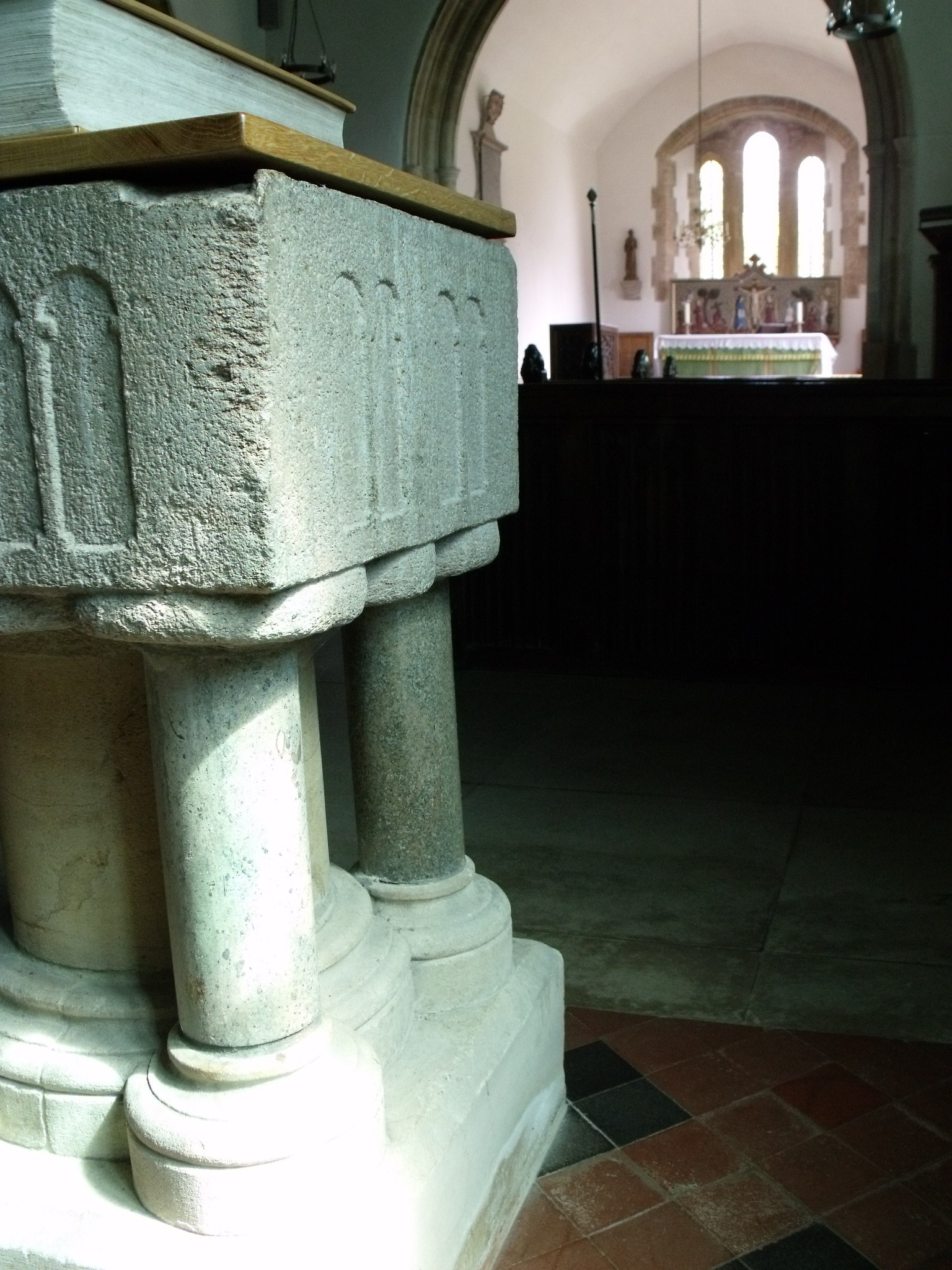 Inside I found that the guide had sold out but there is a ‘bat’ to wander around with. There is a prayer area here and some nice modern furniture – churches are often good patrons of furniture makers. Prayer requests can be left here and some 8 people had signed the visitors book during July. Also, there is a simple display about a link with Sudan – a place which needs much support and prayer.
I rate St. Laurence as OK for the purposes of this study – it is a church with a wonderful atmosphere and the churchyard is a good place for a peaceful picnic – as I enjoyed mine there. Go and have a look.

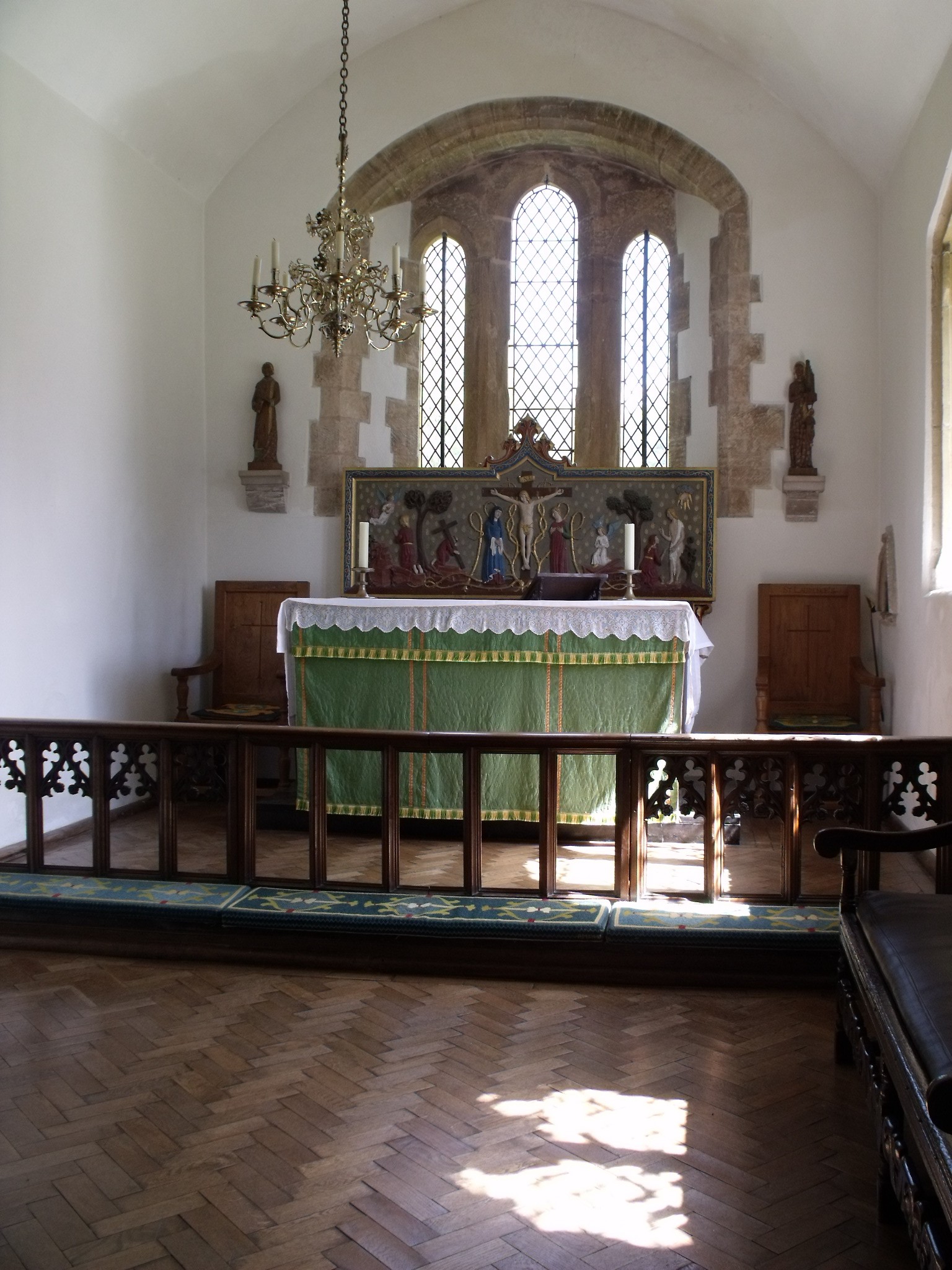
St. John the Baptist, Bere Regis
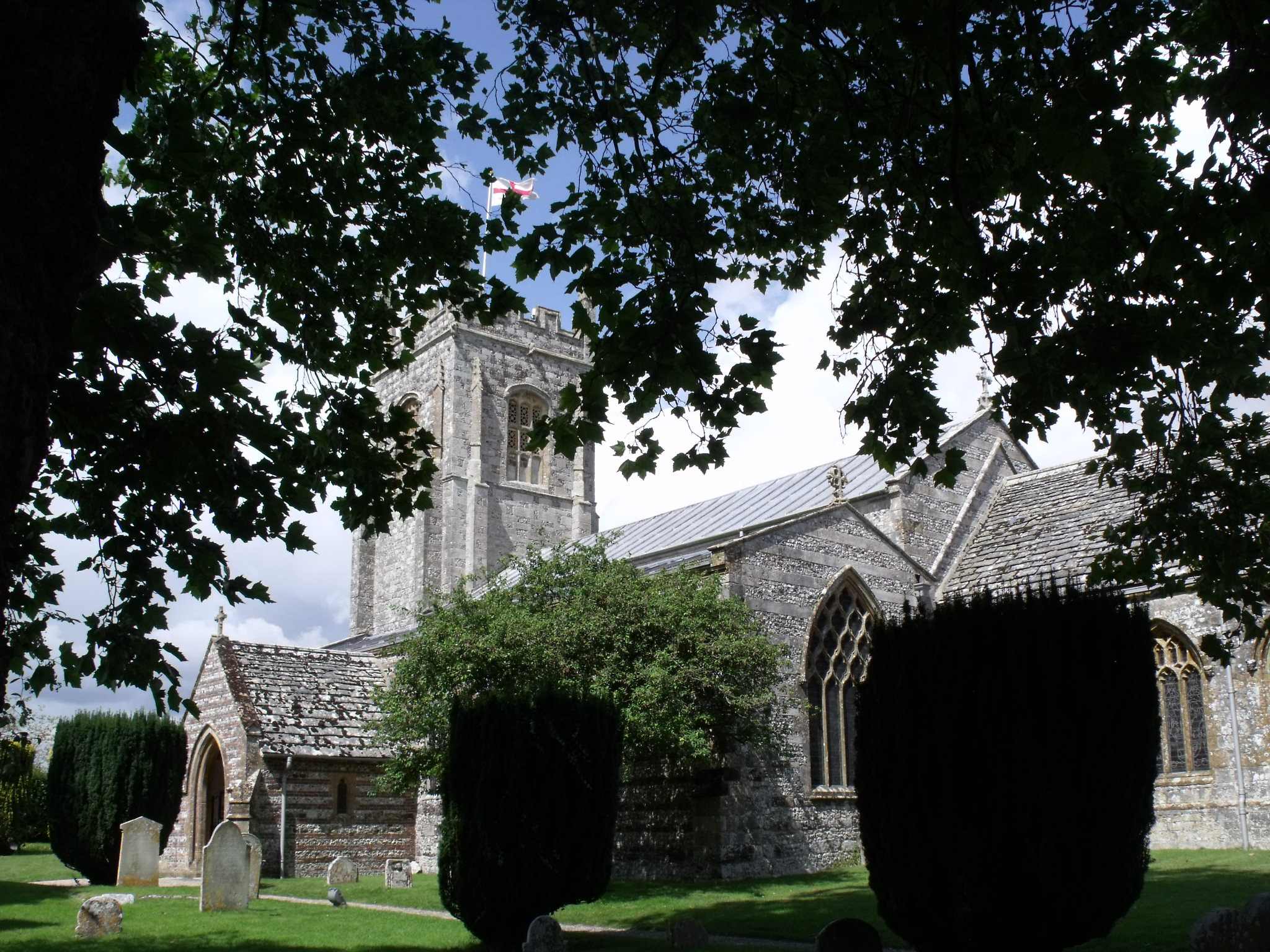 This is a noted church which appears in all the church guidebooks, and with good reason. It is a church which looks good from the outside, but the interior is even better. It features a delightful hammer bean roof which dates from around 1475. It reminds me of some of the churches in East Anglia.
 The signs outside are very good and there is a clear welcome to this much visited church. The churches of Dorset are big on the Living Churchyard project and there is a whiteboard in the porch for people to enter their own sightings – a very good idea indeed.
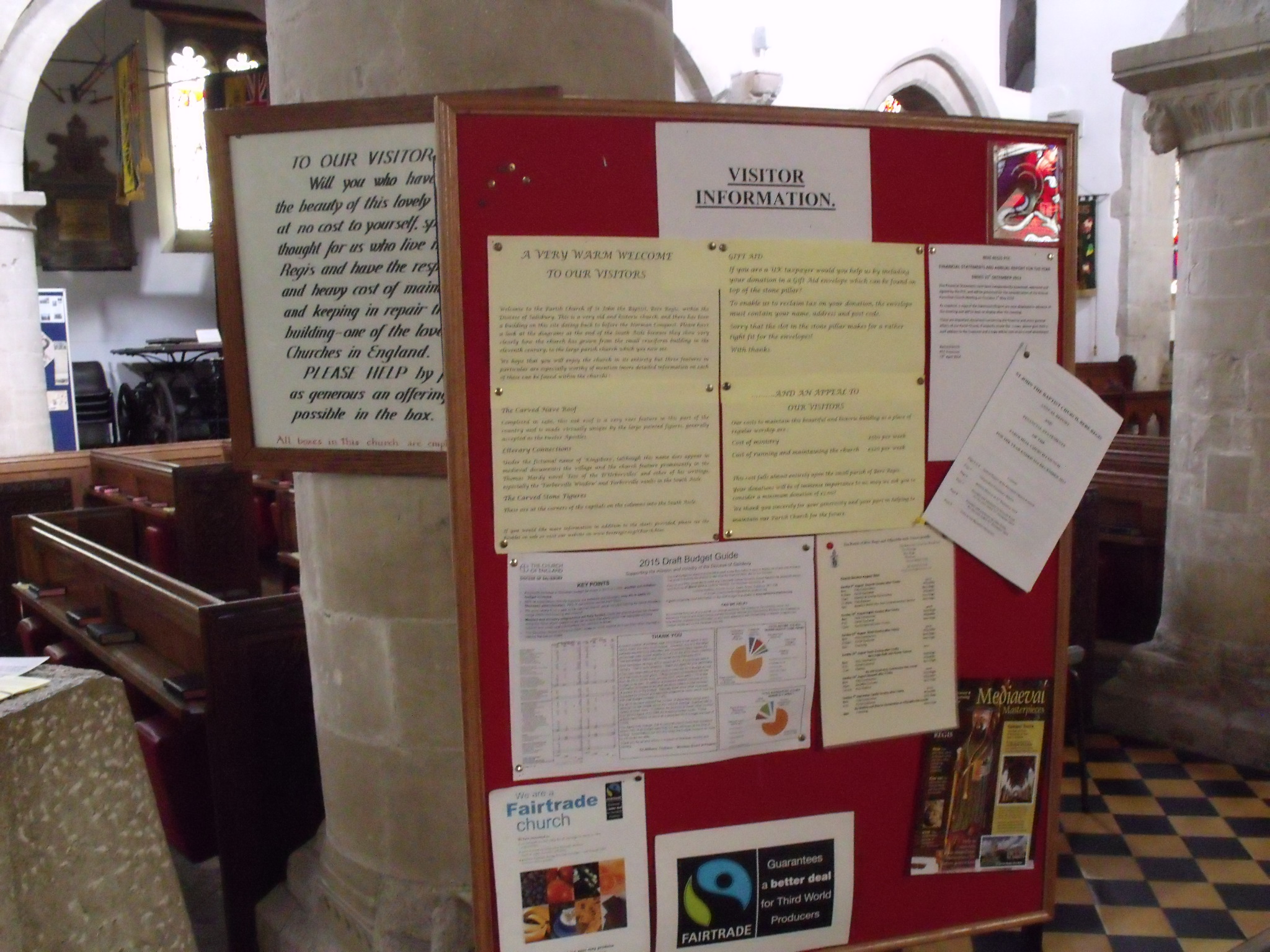
Inside, and in a prominent place opposite the door is a display board with visitor information, this also makes very plain (in a good way) that there is a need for funds to maintain this magnificent place. Other displays explain about the Living Churchyard and there is a good history display here as well as one about World War 1. A lot of thought has gone into things at St. John’s. A churchyard trail also features, which is another unusual and very welcome feature. The Junior Church here has their own work displayed for all to see – it is good to remind people that the church is, first and foremost a community of faith of different ages. To remind the visitor further of this there is an open Bible was here also and a prayer board and a visitors guide to the organ here – that is a very rare thing to find but will interest many. If a church has a good organ (as this does) then why not tell people about it? Much is made of the church’s link with the novels of Thomas Hardy – there is a Turberville tomb here which seems to have been the inspiration for the tragic tale of ‘Tess of the D’Urbervilles’. Again, it is good to use the stories that surround a church. There is a leaflet to take away about this. As has become common (ish) there is a folder detailing the World War 1 dead – sobering reading.
All in all I rate St. John the Baptist as very good for the visitor. The church website is at http://www.bereregiswithaffpuddle.org.uk – there is visitor information on this – guided tours are available on Tuesdays and Thursdays through the summer.
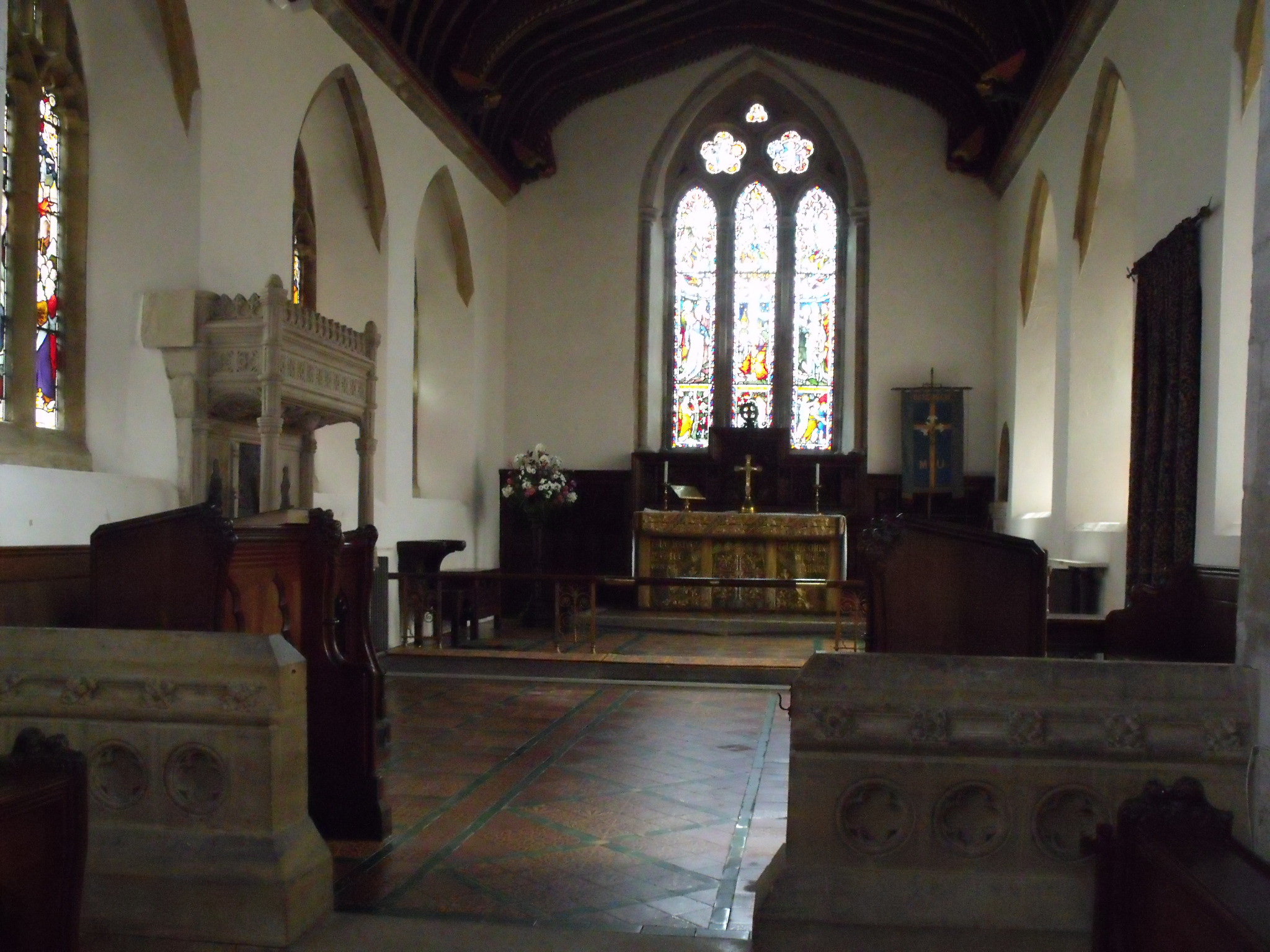


St. Michael & All Angles, Knights Emham
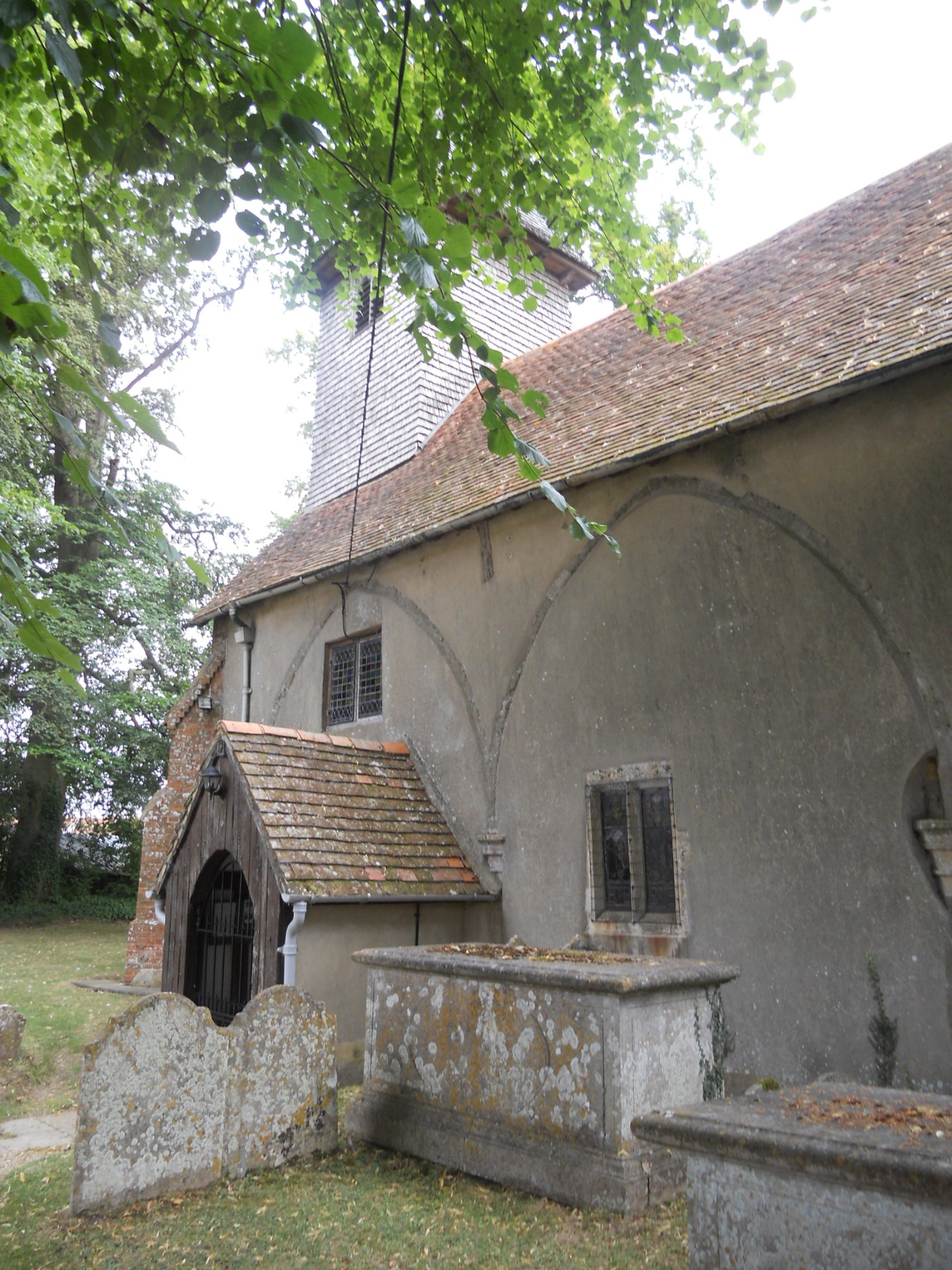 After my abortive attempt to visit this interesting church I had another go as I was on my way to Dorset. My persistence paid off and the church was open. It was worth the wait. I am especially interested in places that are a part of The Small Pilgrim Places Network (see http://www.smallpilgrimplaces.org/) as this is an intriguing mix of various places around the country.
St. Michael & All Angels is a real gem. It is well signposted off the road and there is a good welcome sign on the noticeboard. On teh church door is a really lovely sign. Click on the photo to enlarge it – a real labour of love and a taster for the delights within.
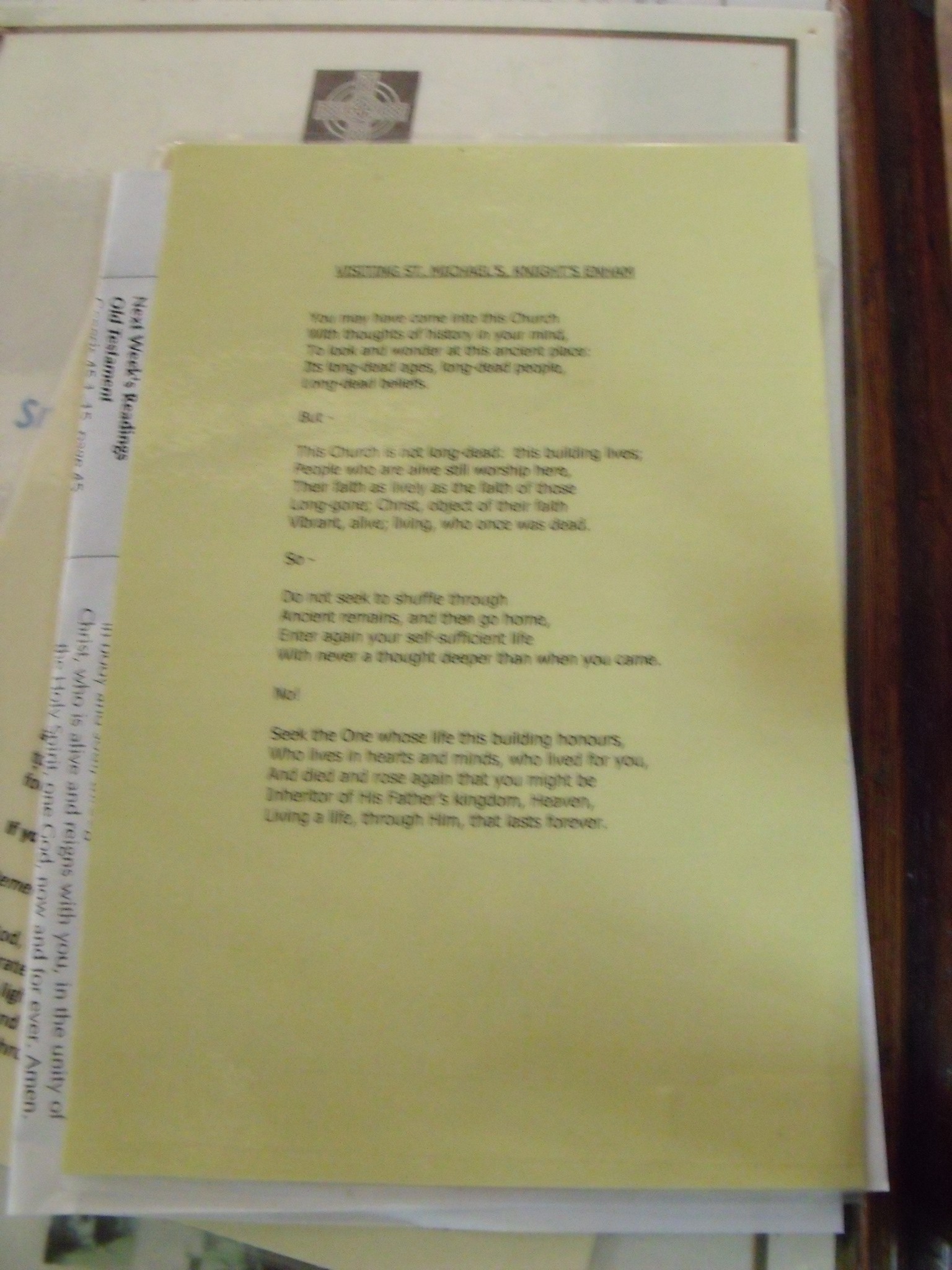
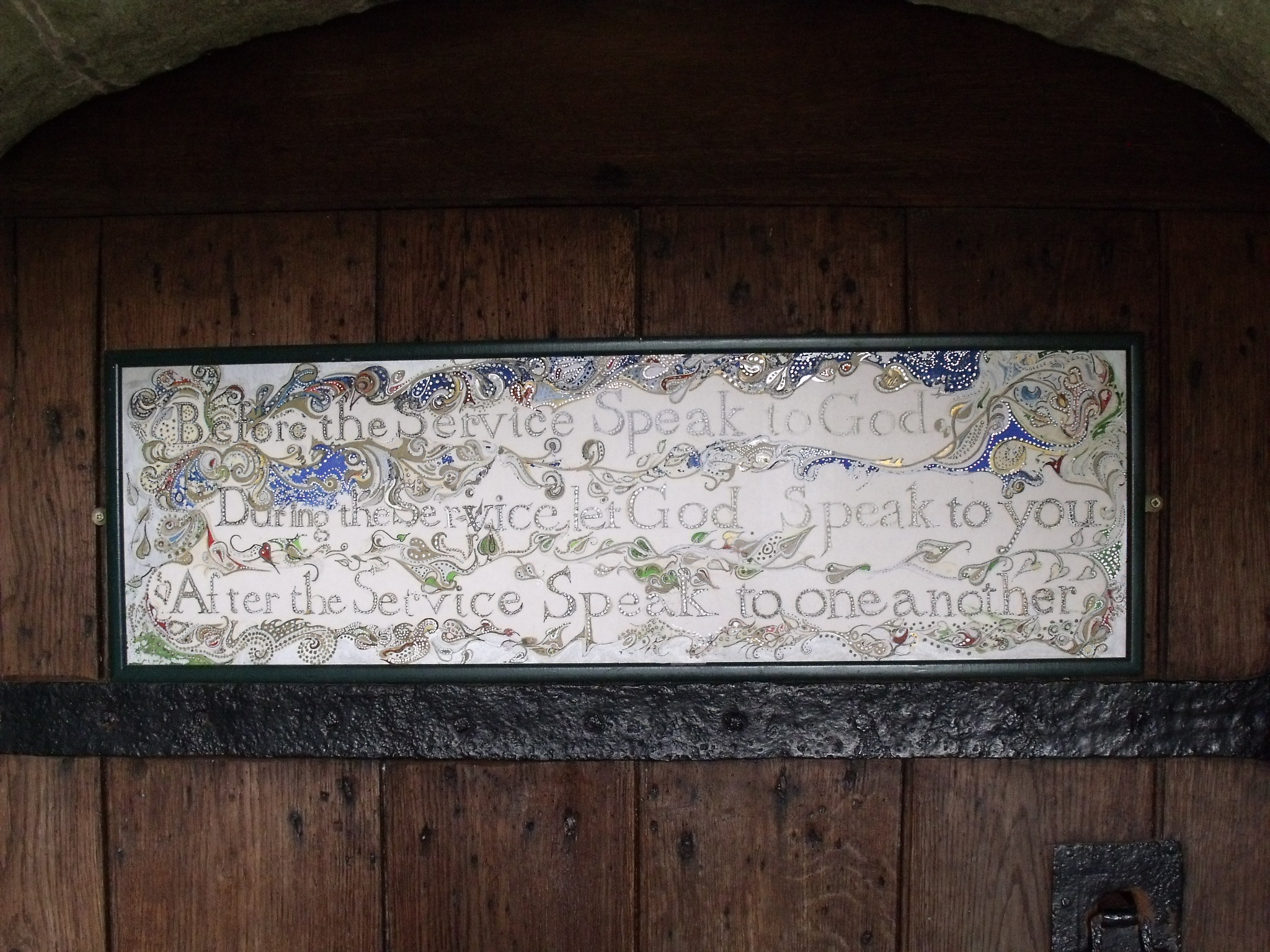 Inside I found a good selection of leaflets etc – there is a guide book and a display on the church, some cards and book marks as well as some of the Tim Tiley books – ‘Thoughts on life to come.’ A couple of leaflets had been prepared about ‘Churches in and around Andover Town (south)’ + one for ‘North’. It is surprising that other Deaneries don’t do similar things. I have seen a few of these but not many. There were also some good home produced leaflets – ‘Welcome to St. Michael’s church and the Christian story’, ‘Welcome to Hampshire churches and St. Alphege in his Millenium Year’, and ‘Welcome to St. Michael’s Knigths Enham – a place to pray.’ These are all very good and show a lot of thought. Also available were some ‘Small Pilgrim Places Network leaflets’ and an olive wood ‘Holding Cross’ with some prayer suggestions with it. Some ‘bats’ can be carried around this interesting little church.
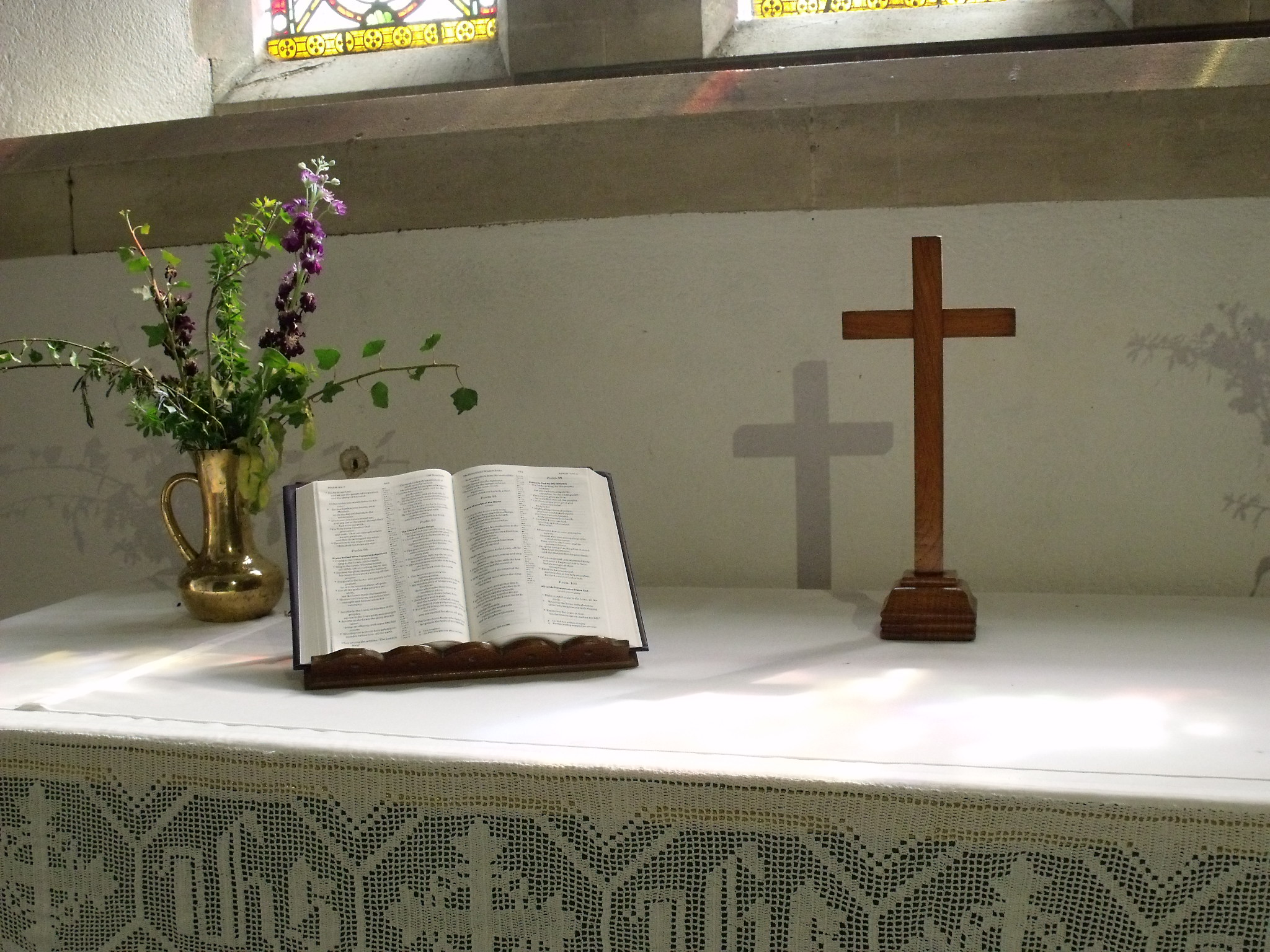
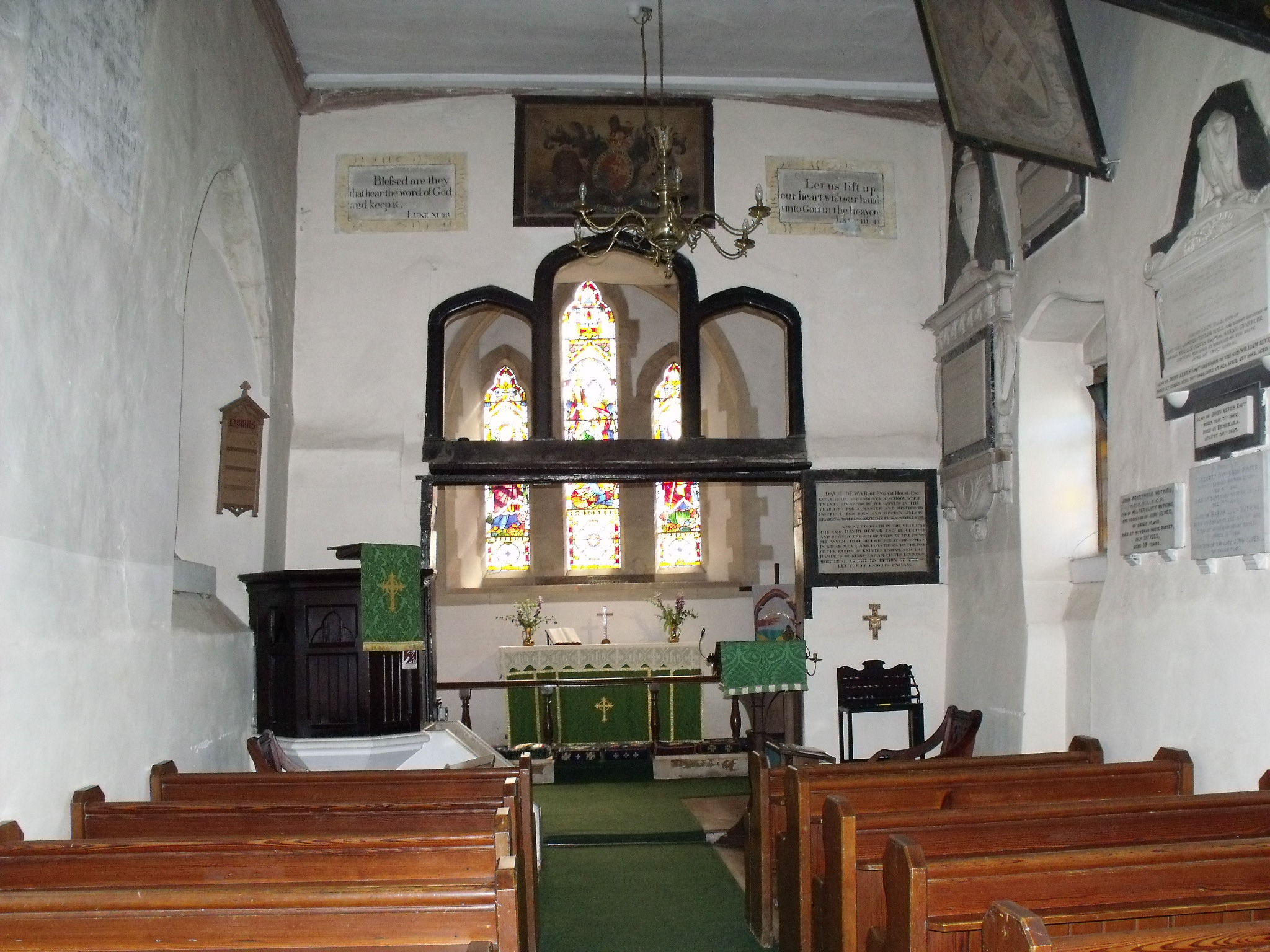 I found an open Bible – always a good idea to show that this is what has been read in worship.
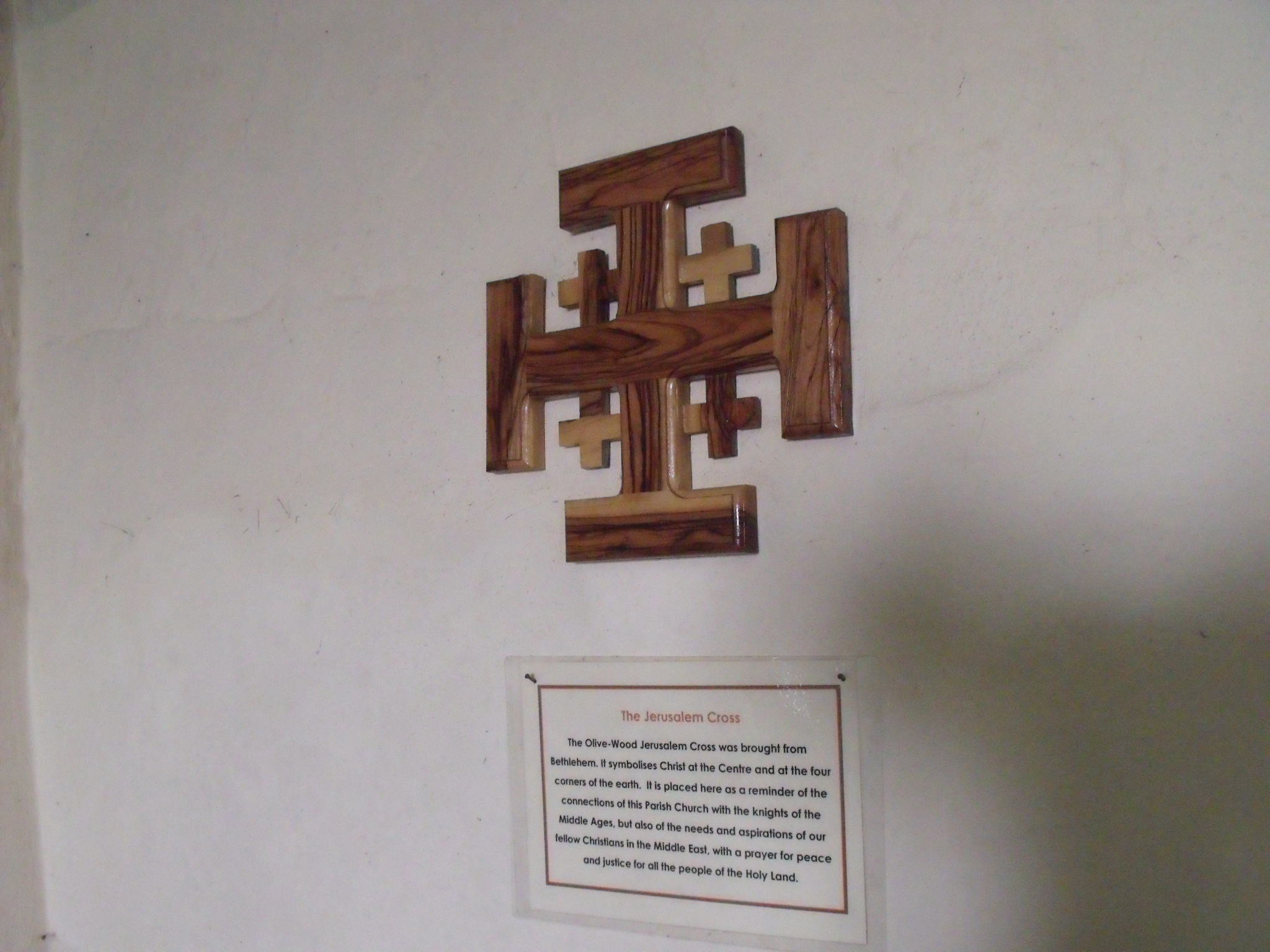 A Jerusalem Cross is hung on the wall with some explanation beside it and a light was left on, shining on the altar. There is a votive stand to light candles at and a prayer request book.
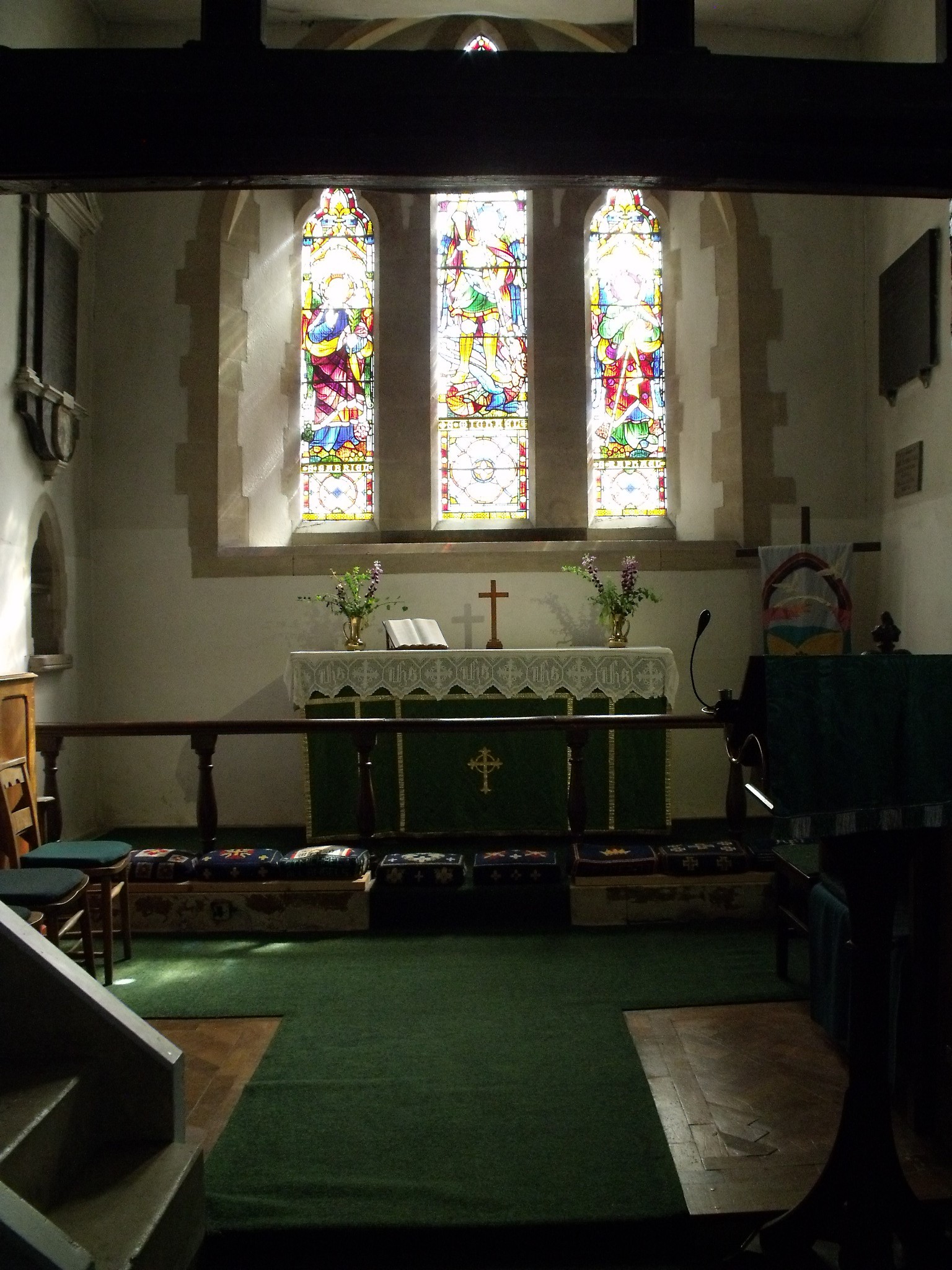 This church really has a wonderful atmosphere about it and I rate it as very good and recommend a visit.
The website is at http://www.knightsenham.org.uk but oddly has no visitor information on it nor any mention of The Small Pilgrim Places Network. It would be well worth putting these on I would have thought. 7 visitors in the book in July. As you go out there is a sign which says ‘God bless you on your journey’ – a good touch.
 churchtourismstudy