St Mary’s , Bryanston Square, Marylebone
This is one of what is known as the ‘Commissioner’s Churches’ that were built as a result of the Church Building Act of 1818 and 1824. They were built to cater for the increasing population of London. St. Mary’s was built in 1823-24 and is grade 1 listed.
This is a thriving Evangelical church which has many activities going on – see http://www.stmaryslondon.com for details.
Being open to visitors is not apparently very high on the church’s agenda and interior photos do show a modern worship area which might be a disappointment even if you could get in. There is no sign of how this might be possible. However it is good to see a church alive and well but it would be interesting to know how it relates to the area around it. In the context of this part of London there are many other churches who are open that a visitor could go to. But, in all honesty, I cannot rate this one as other than very poor.
St. Giles, Cripplegate. London EC2

On a stormy and very rainy day I called into St Giles, glad to escape the weather outside, as were several other visitors.
St. Giles is a wonderful old church surrounded by the modern architecture of the Barbican Centre. Due to the weather it was a bit gloomy inside and, having not taken my normal camera, my interior shots are disappointing. An excuse to visit again.
This is a church worth going to. Outside was a sign which simply says ‘Church Open’ – a welcome sight. Inside, immediately opposite the South door is a votive stand, the twinkling lights of the candles there reminding me of the prayers of those who had called in earlier. There is also a prayer board which is a bit tucked away but is being used nonetheless.
There are some guides of various sorts, all well produced a few books and a leaflet about the bells here. The guide leaflet tells the story of the church, how it was built in 1394 and been damaged severely down the years. During World War 2 it was badly bombed and left a shell. It was rebuilt, fortunately, in 1966. There is a good, and well lit, display at the back about this with some good pictures. Also some more history of the parish old and new. There are some interesting displays on recent events and the people involved in them. This is a definite church community as well as a historic building.
There is the usual children’s area and a good statue of Milton, who is buried here. The visitor’s book shows 14 people this year (it was only the 12th Feb) but this is likely to be a church where local people and those working nearby just call into.

There is a modern reredos at the East end which I was rather taken with. Sorry the photo is not better than it is.
The parish website is on http://www.stgilescripplegate.com and is very clear, giving a location map and visitor information.

I rate St. Giles’ as good and will call again for some better photos!
St. Andrew’s, Wheatfield, Oxon
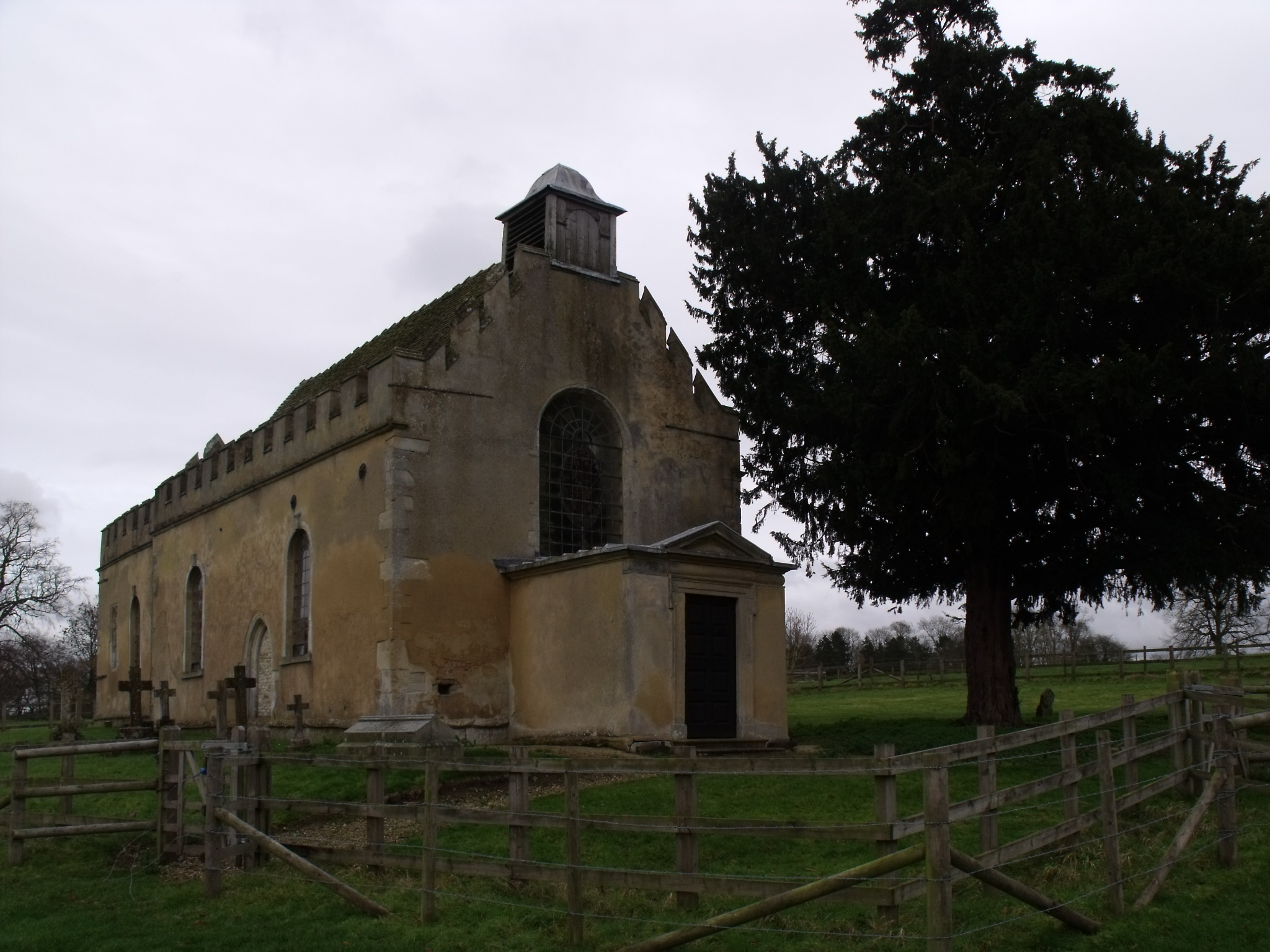
January isn’t the best time to visit churches but the purchase of a copy of Mark Chatfield’s good book ‘Churches the Victorians Forgot’ (Moorland Publishing Co 1989) showed a gem of a building not too far away. A dry day beckoned so off I went. St. Andrew’s is a strange little church sat in a field with just it’s graveyard and a solitary tree for company. There is nothing to indicate that this in fact an active church. No signs at all. Yet it is just about alive still. St. Andrew’s is used from March to October as it has no electricity. A Church near you gives a contact phone number to enquire when these services take place.
This wasn’t such a lonely place at one time. A mansion used to stand nearby and the church was the chapel for it. The house burnt down on New Years day 1814 and was never rebuilt. Fortunately the church survived. It is not the most friendly place to visit as it is surrounded by a barbed wire, stock proof, fence and the gate was padlocked. I climbed over and found the church locked. That is a shame and rather unnecessary I would have thought. It is part of a team ministry centred on Thame. There is the above mentioned presence on a church near you but no other website but others have been in and photographed the wonderfully untouched interior. We often forget that what we regard as a traditional church building is often a product of Victorian improvements. Looking through the windows showed a lovely interior with chandeliers and their candles being the only lighting. Some things had been covered up and the rush mats laid across the pews, presumably to keep them dry. I did take a couple of photes through the glass…

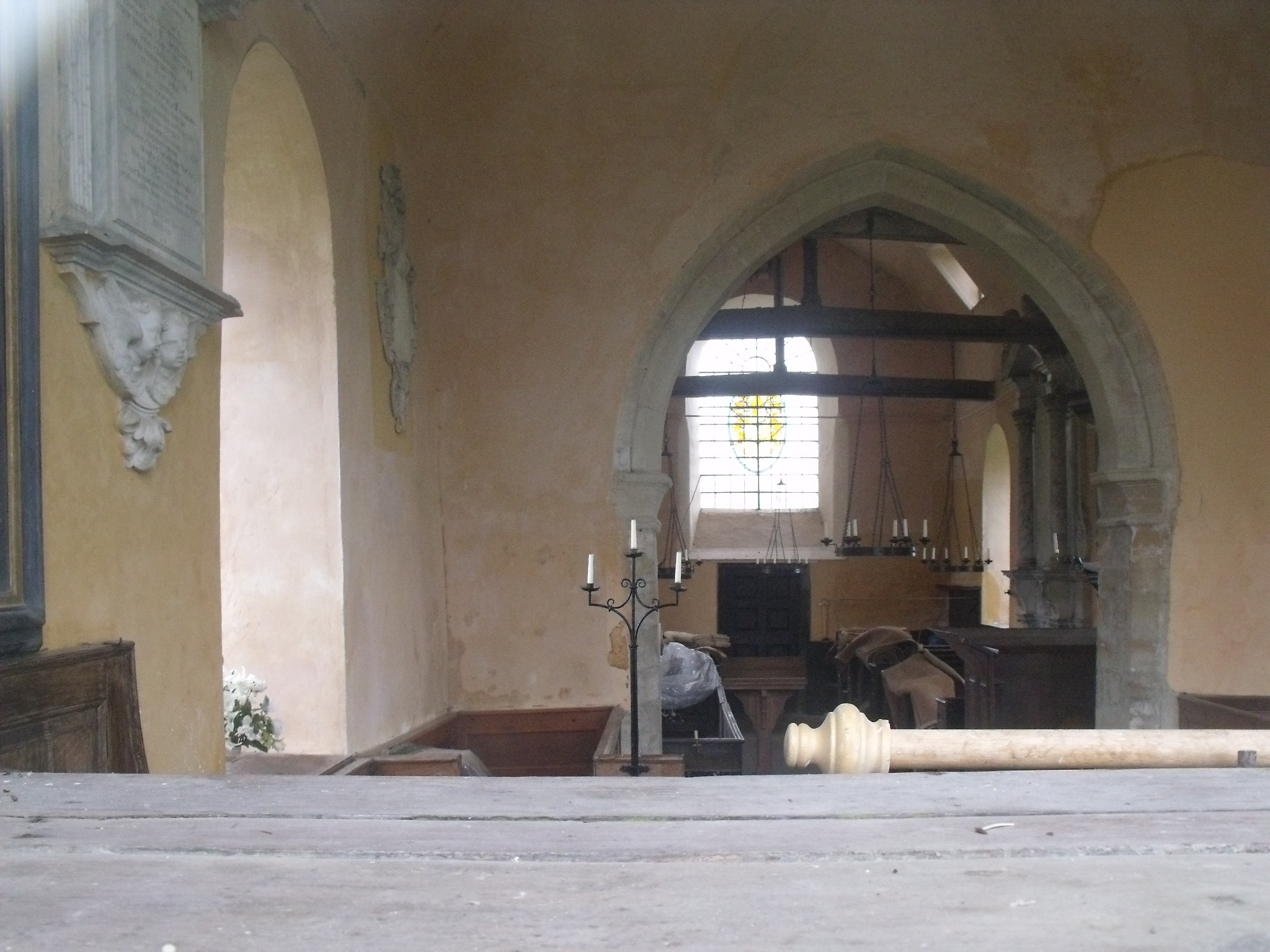 I haven’t rated St. Andrew’s but will seek it out again when hopefully it will be open. This would be a great place to be still in and think and pray.

St. Andrew’s, Chinnor
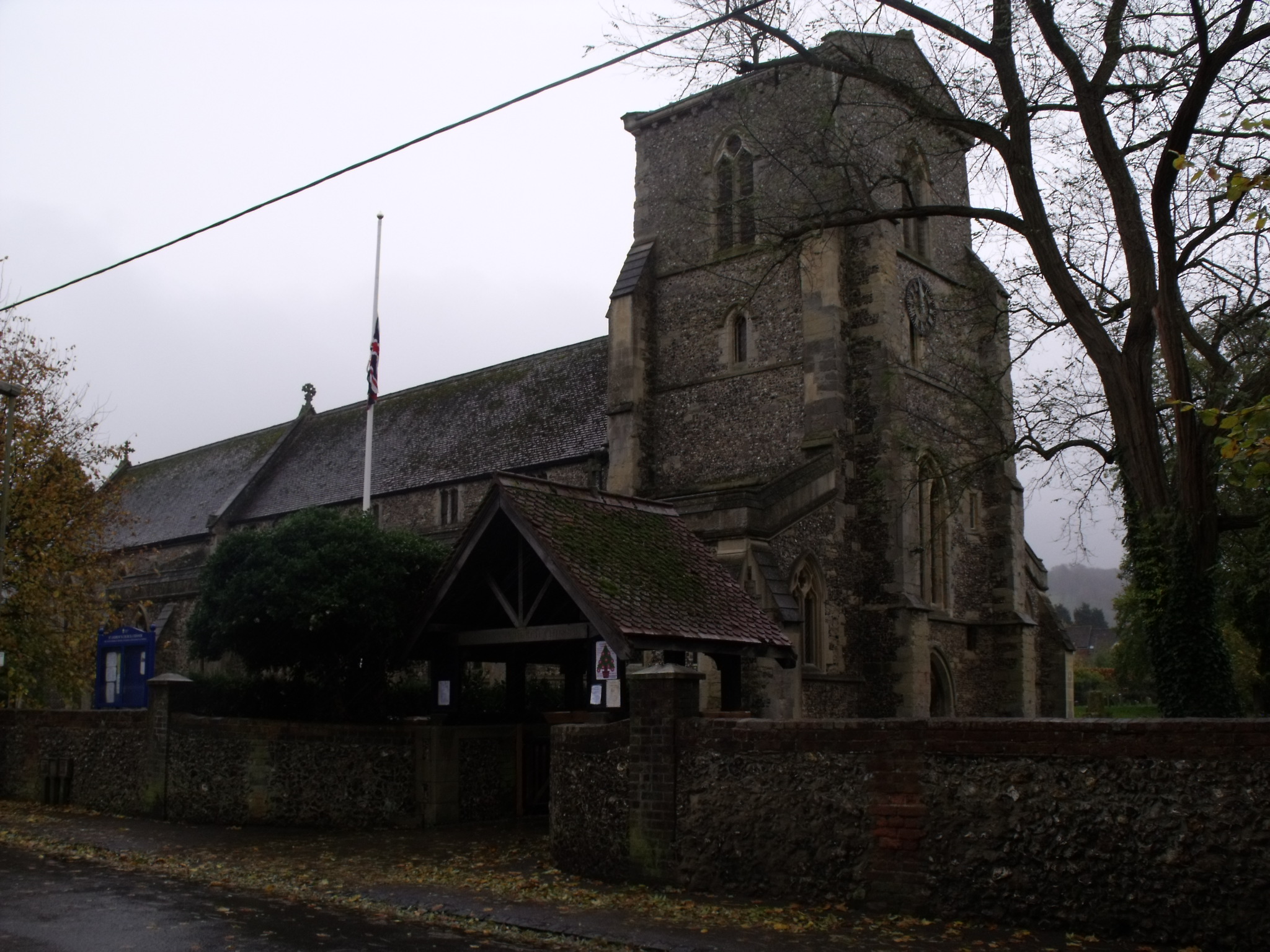
St. Andrew’s sits at the centre of what is now a large village. There is a nice welcoming notice outside., explaining that the church is open each day.
Inside a light had been left on by the door and there are greetings cards and a good guide book for sale. The guide is a good one, with some nice clear line drawings and text which emphasises some of the stories that surround both the church and village. It is much better than some I have come across.
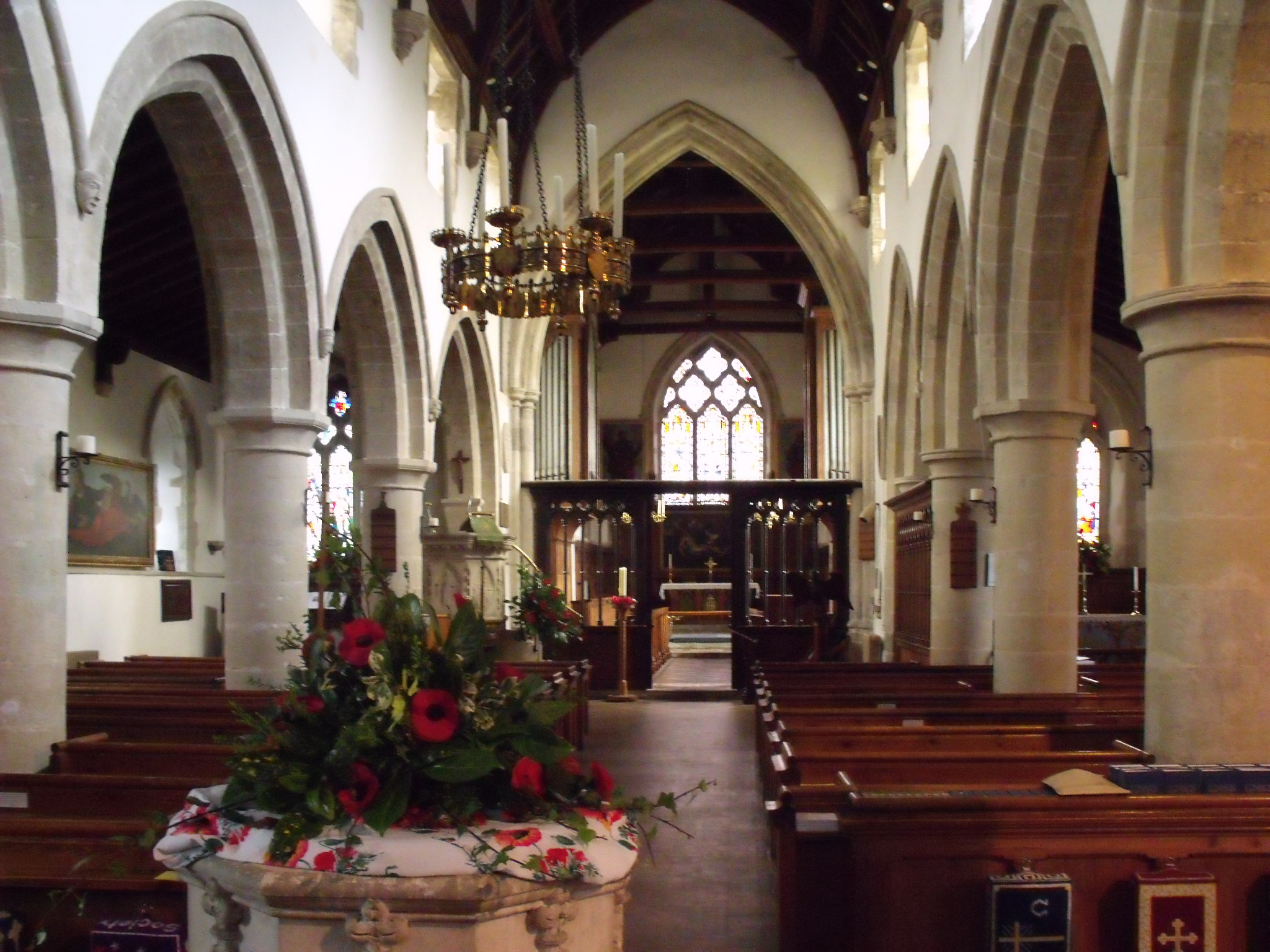
St. Andrew’s is an interesting church to visit. There is much to see here and it is obviously well loved and well cared for. There are some large pictures hung around the church. These have their own story, being full size sketch paintings for the North Rose Window at Westminster Abbey. They date from the eighteenth century.
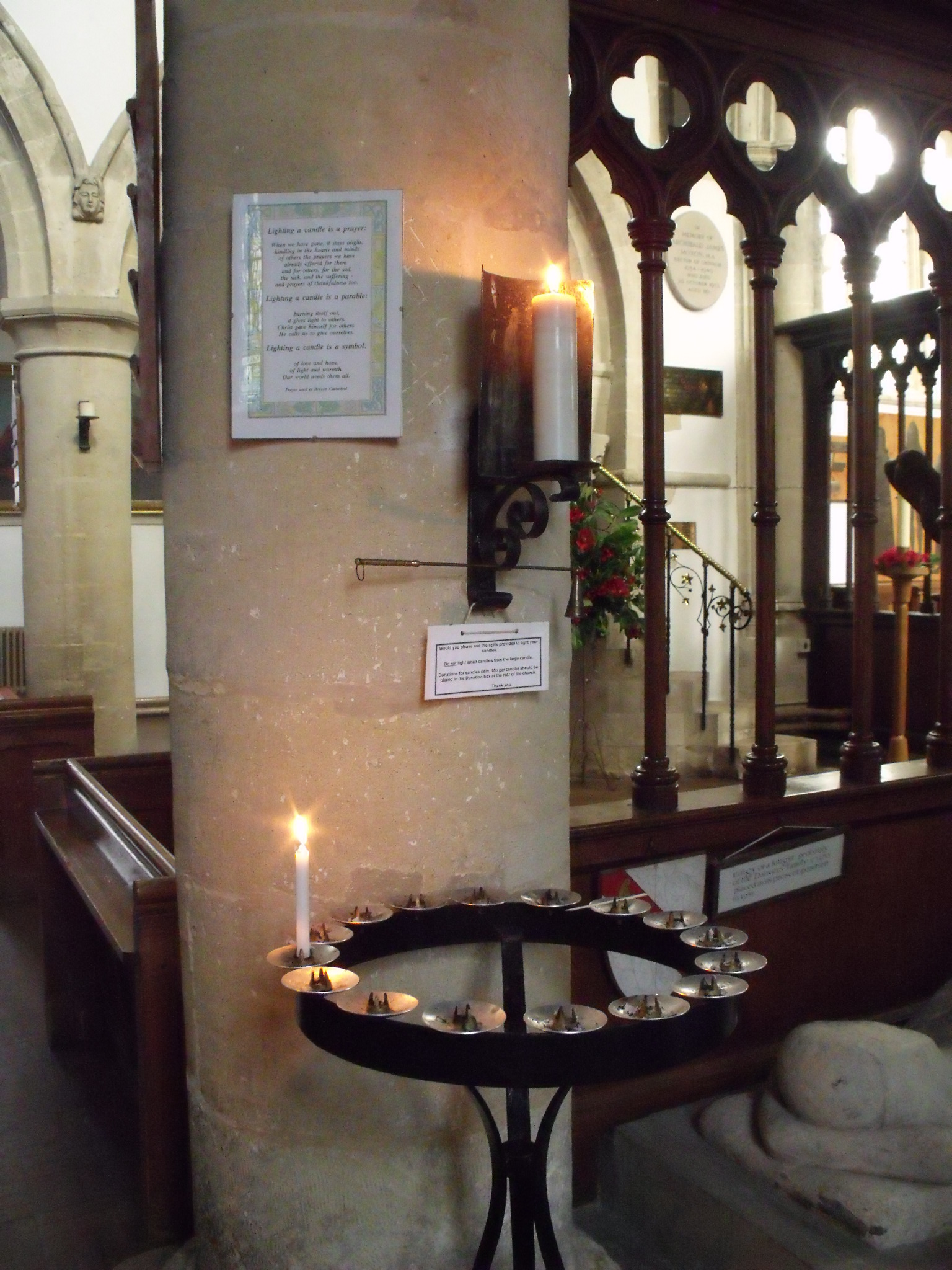 There is a votive stand to use as well as a book for prayer requests as well as a prayer leaflet to use. Also there are a stock of the Diocese of Oxford leaflets on the Christian faith. A display of some Harvest work by the local school can be seen as well as a good one about the Village Centre – a cafe and meeting place which is very well used and just around the corner from the church.
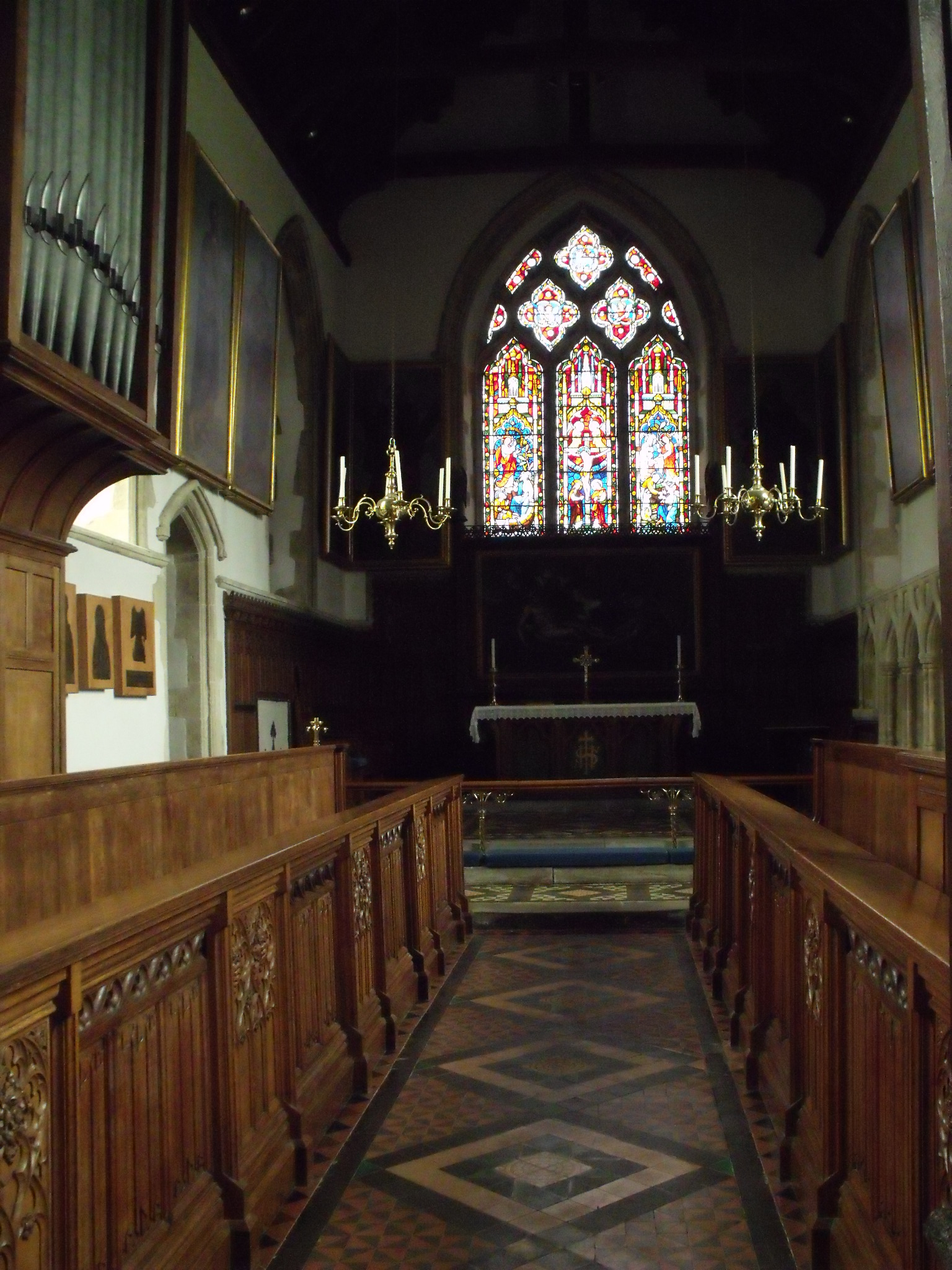 There is a toilet at the back of the church. Only 24 people were entered in the visitors book this year.
All in all St. Andrew’s is an interesting church to visit and I rate it as very good.
In the chancel there is are some brasses which have been removed from the floor in order to protect them.
St. Peter & St. Paul, Aldeburgh
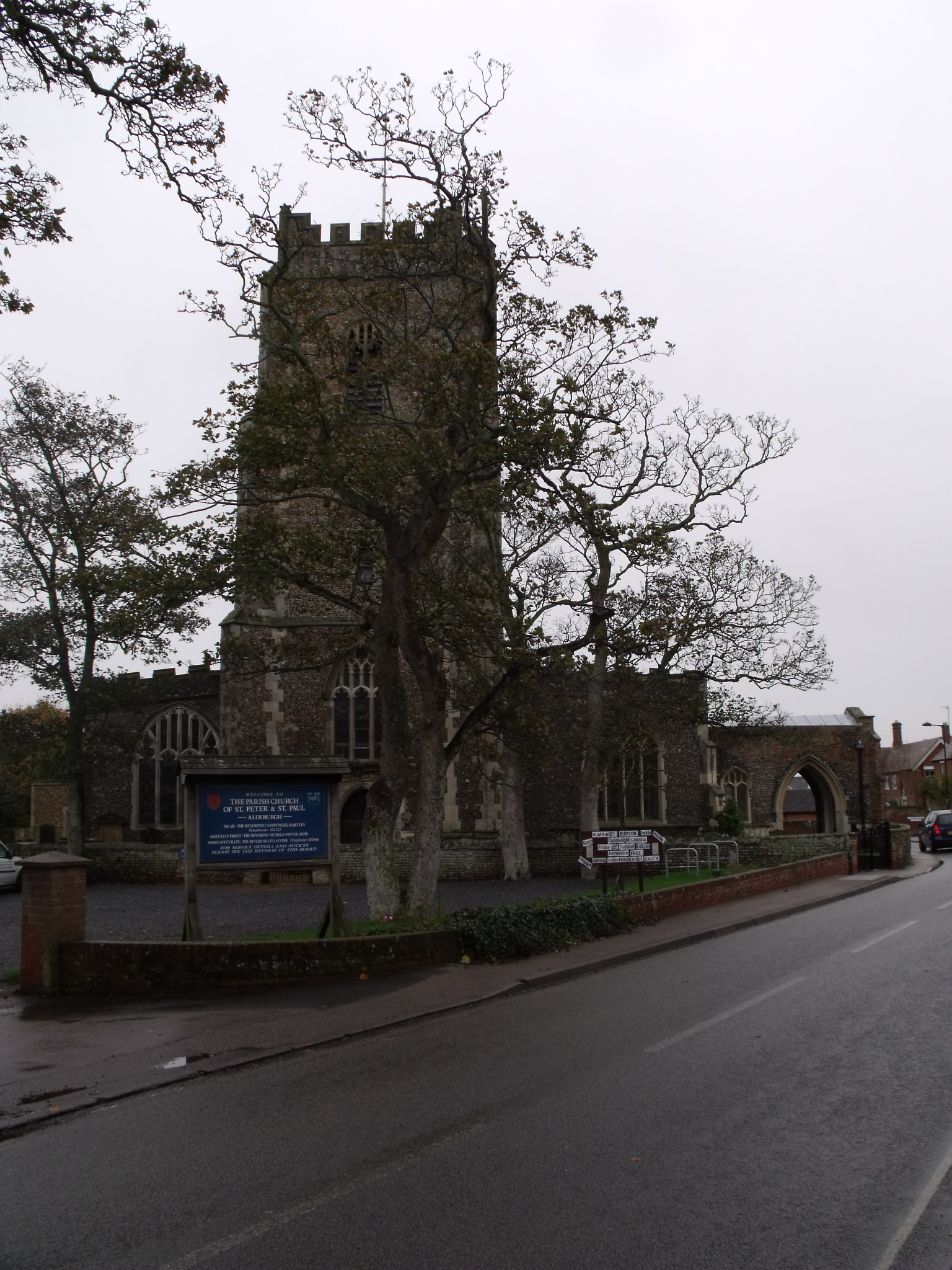 Aldeburgh is a refined seaside town which has become synonymous with music. It was the home of Benjamin Britten and he and his partner, Peter Pears, are buried in the churchyard, along with several other notable musicians. When I come here I always think of Peter Grimes, Britten’s famous opera, which was performed on the beach here this summer. There are always plenty of visitors and it is not always easy to find a parking space. But to the church…
It is open every day although the sign boards only list the services held here. Inside there is much to see. There is information about some of the famous people associated with the town, especially Benjamin Britten. There are others as well. The church has a monument to George Crabbe as well as a moving one to a lifeboat disaster in 1899. I guess that many visitors come here because of Britten and there is a fine memorial window by John Piper.
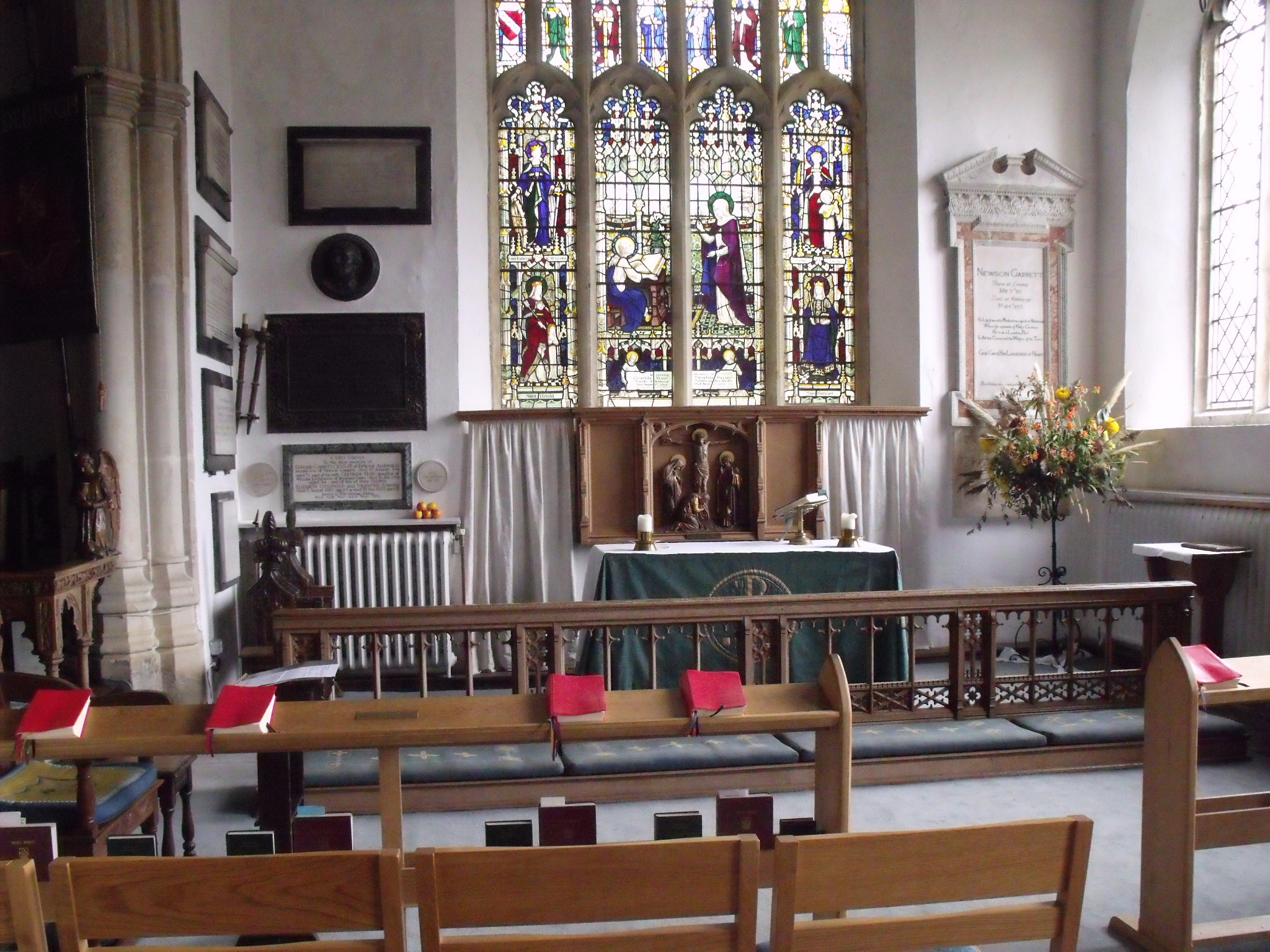
The Trinity Chapel at Aldeburgh
There are some guide books for sale (although these had sold out on the day I visited) and some postcards, cards, book marks and prayer cards for sale. Also a ‘bat’ about the Nineteenth century glass in the church.The visitors book showed 16 visitors for October but there must be many more than that. There is a good folder on church life with lots of pictures of various events – this is obviously an active and friendly church. There is a prayer book to enter prayer requests into and a good children’s area set up for use.
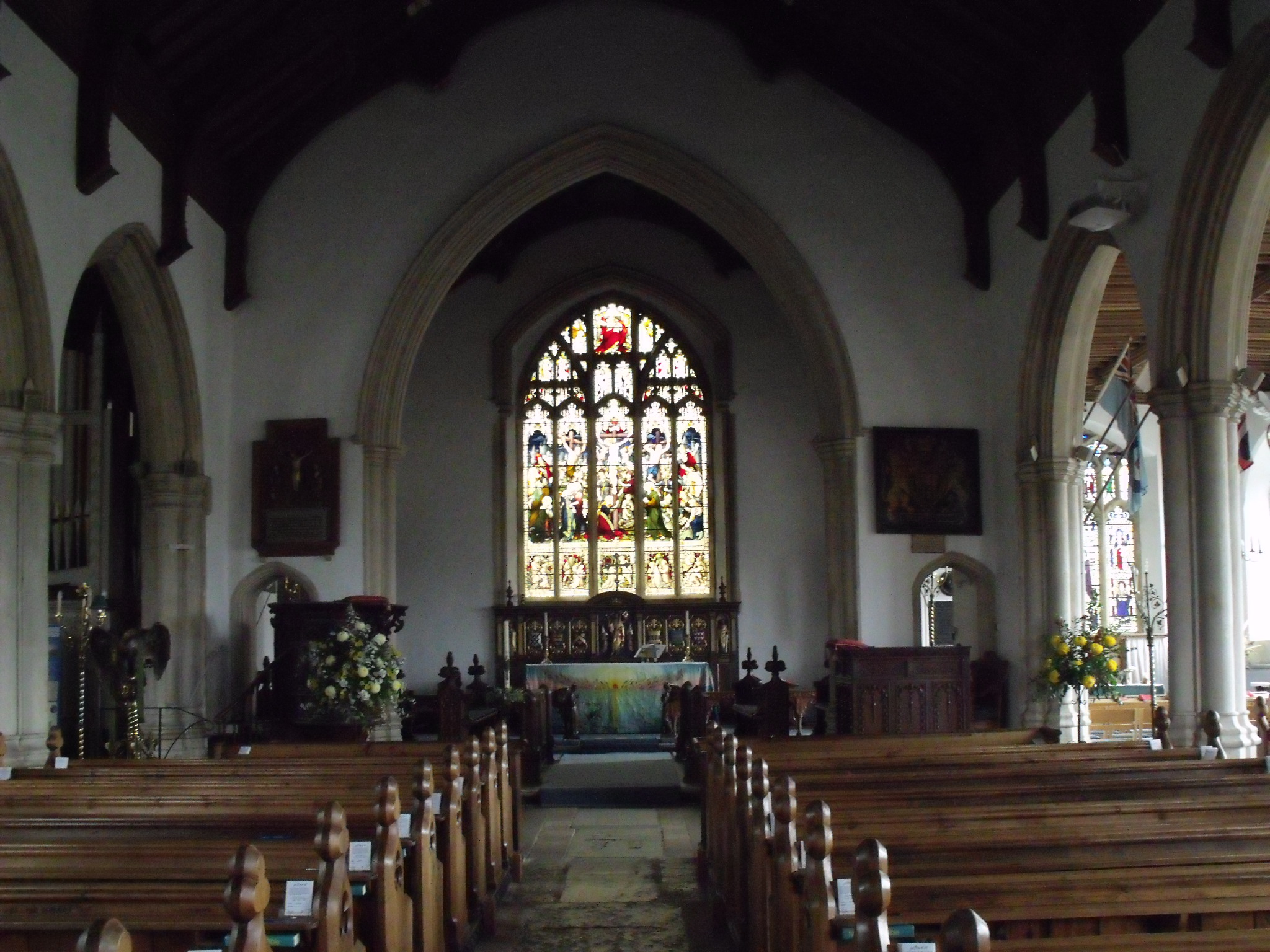 I rate St. Peter and St. Paul’s as good for the visitor.
St. Botolph’s, Iken
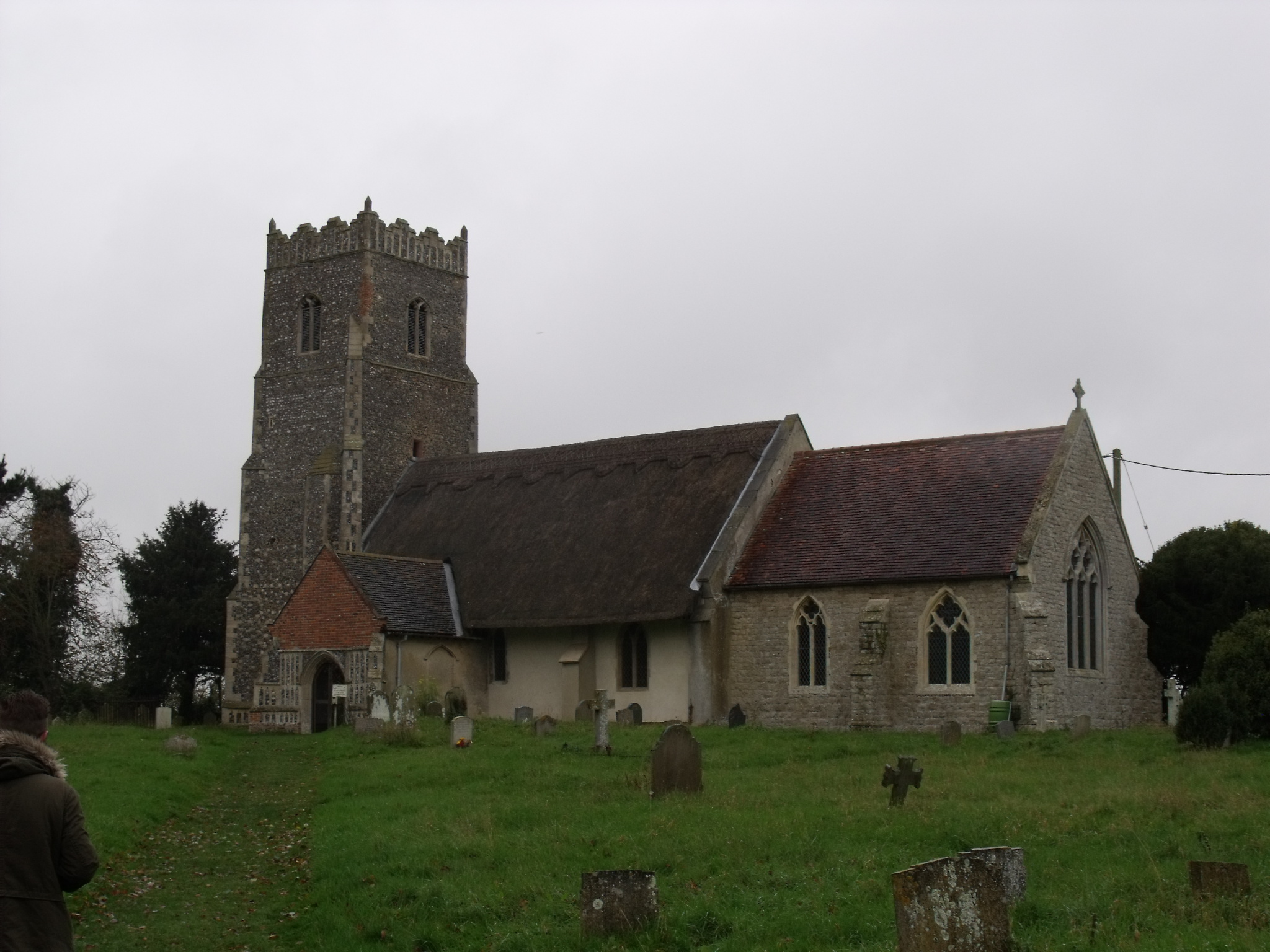
The tower of this church can be seen from Snape Maltings and there is a well trodden path to what seems like much more remote place than it actually is.
This is one of those places that exude holiness. Although nothing remains of Botolph’s minster, established here in 654, it is easy to see why the saint chose such an out of way place for a life of contemplation prayer and mission.
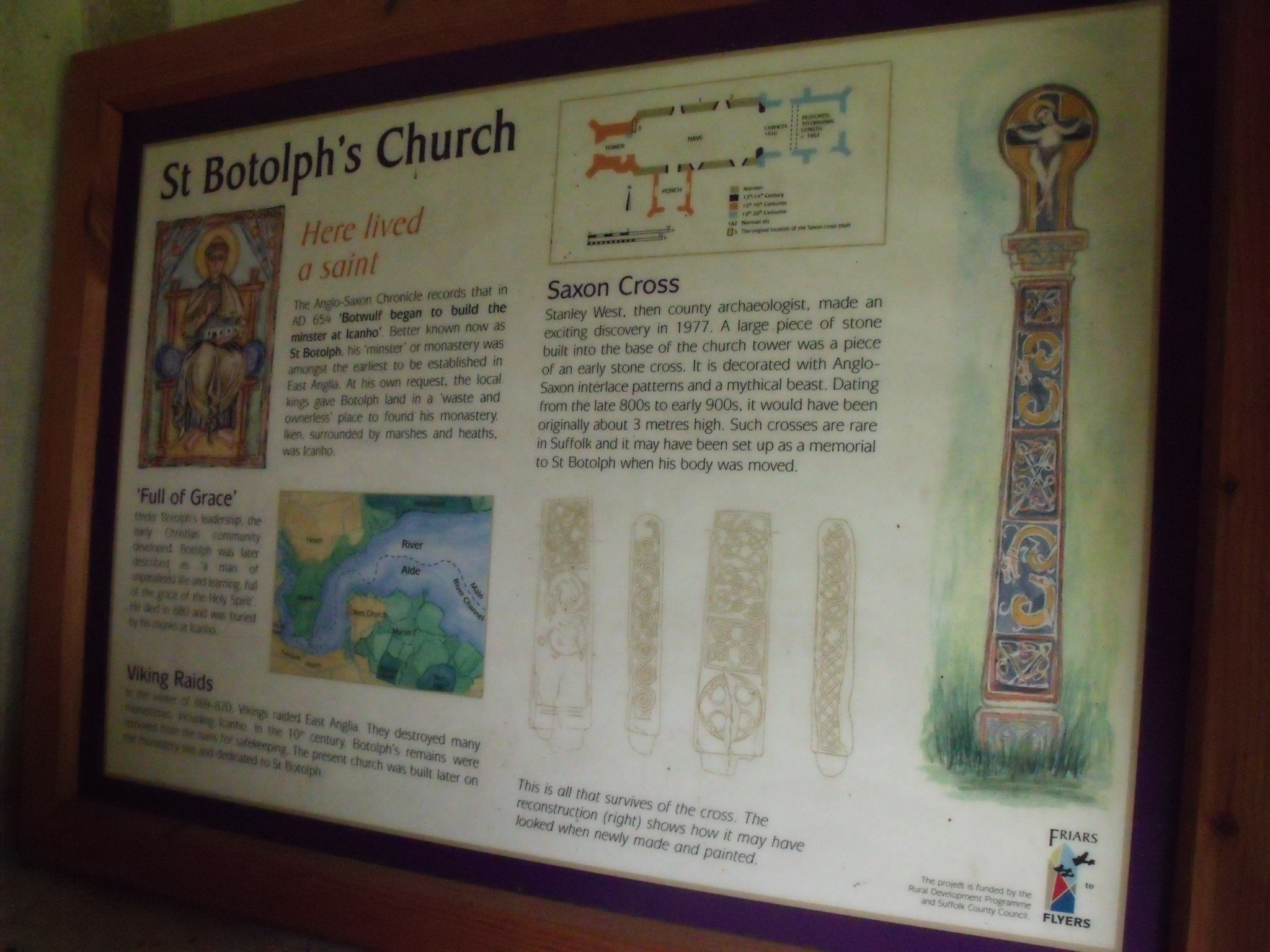 For the modern visitor there is a welcome notice inside the porch as well as a some information. Inside, the church is pretty dark which does add to the sense of apartness. There is a visitors book – with some 54 people in it for October (I visited on 31st). This is a well visited church. There are some post cards for sale, including one of a lovely icon of St. Botolph, and a good guide book. There is a box for intercessions to be placed in.
A votive stand would be nice but, because of the history of the church – it burned down in 1968 – I can understand the reluctance to provide this.
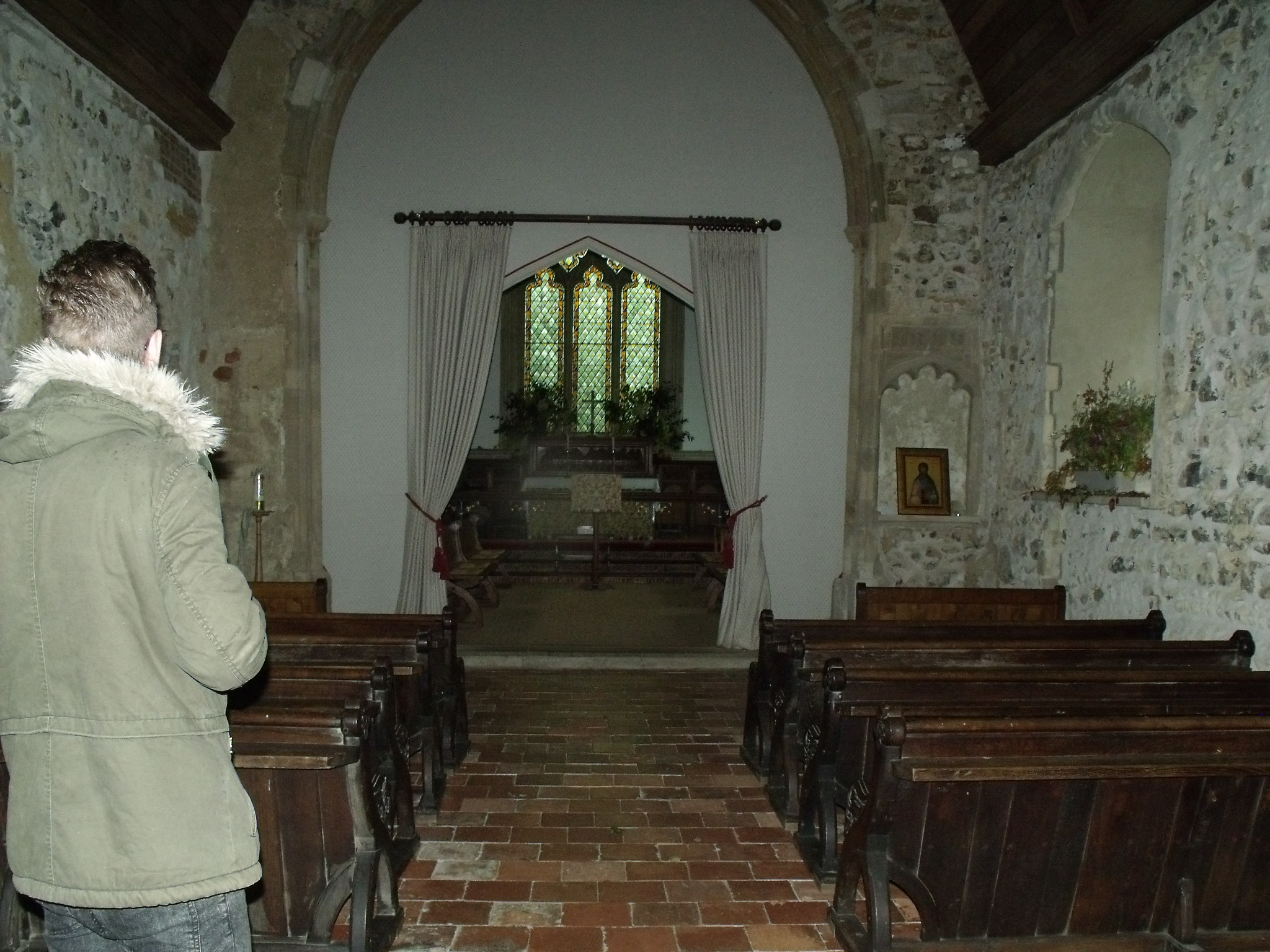
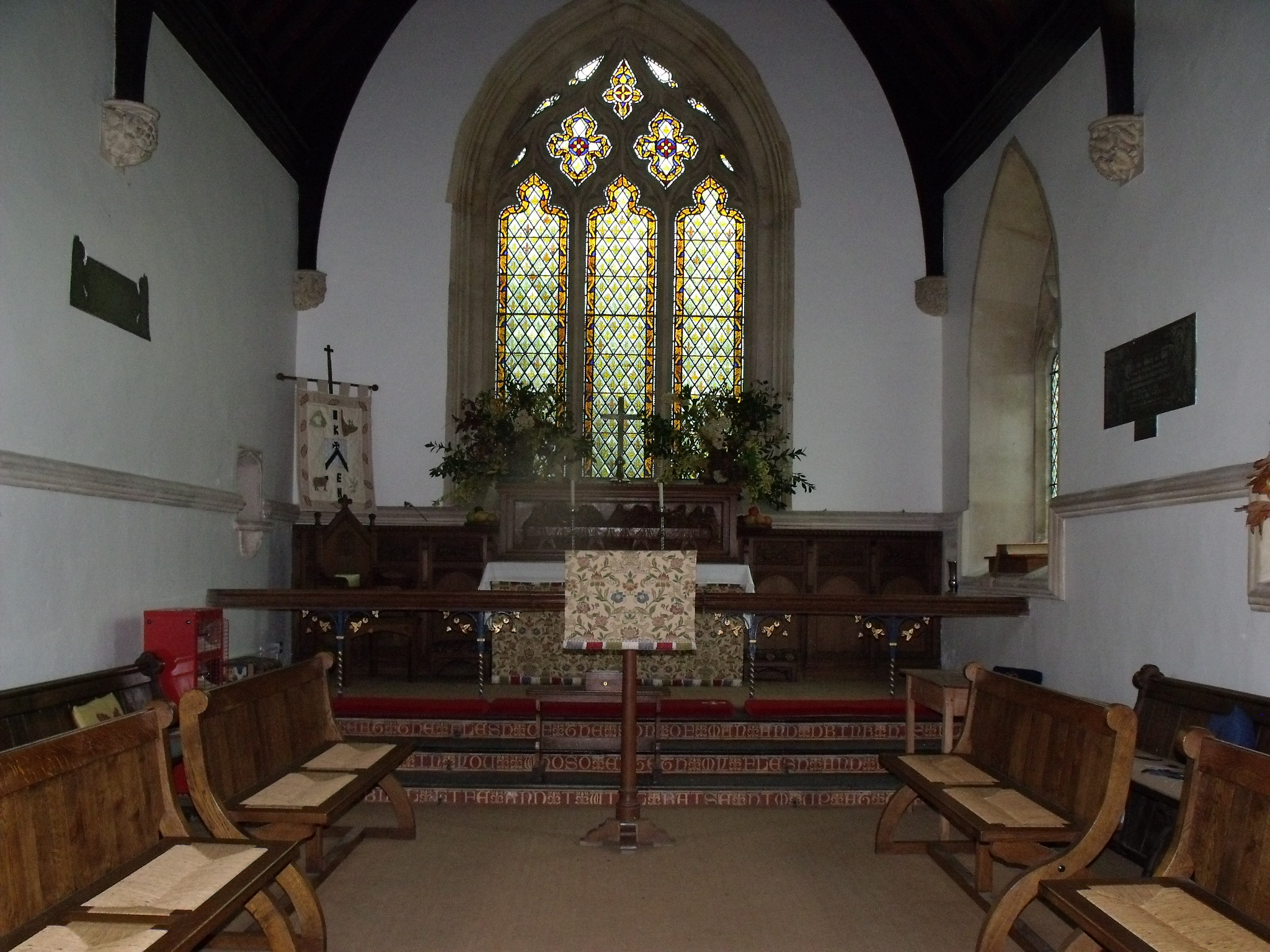
All in all, Iken is a very special place and I have been here several times – it has become a place of personal pilgrimage for me. Go and have a look, absorb the atmosphere and think on Botolph, that far off Saxon saint. I rate St. Botolph’s as good for the visitor.
St. Peter Mancroft, Norwich
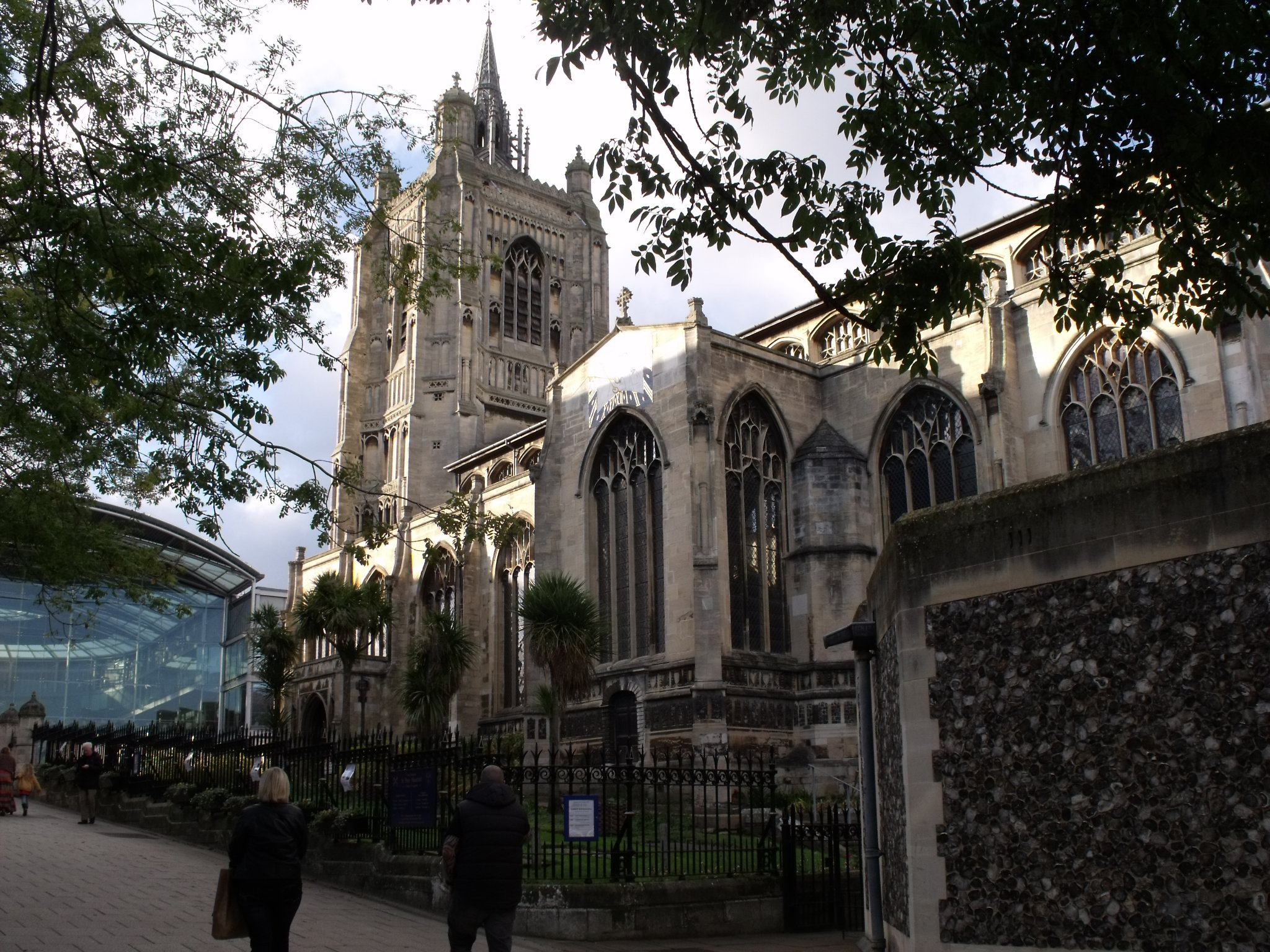 A magnificent church right in the heart of the fine city of Norwich. This church receives many visitors as it is next to the busy market.
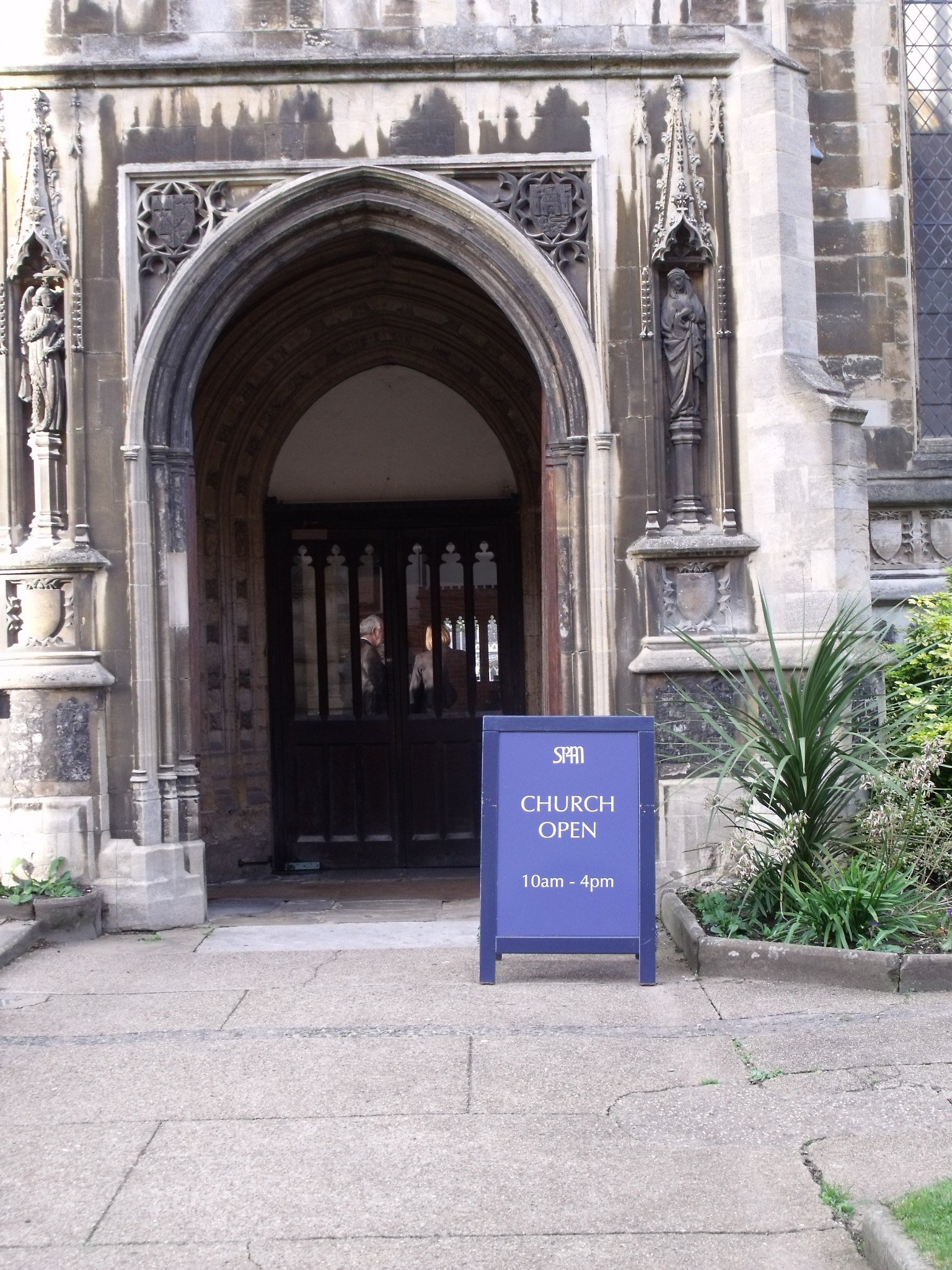 From a visitors point of view the first thing to say is that the sign outside which says ‘Church Open’ does entice people inside. There was a steady stream of visitors whilst I was there. Only 27 people had signed the visitors book but that number could be easily multiplied by a hundred I am sure. Visitor’s books are a very unreliable indication of the actual numbers of people visiting.
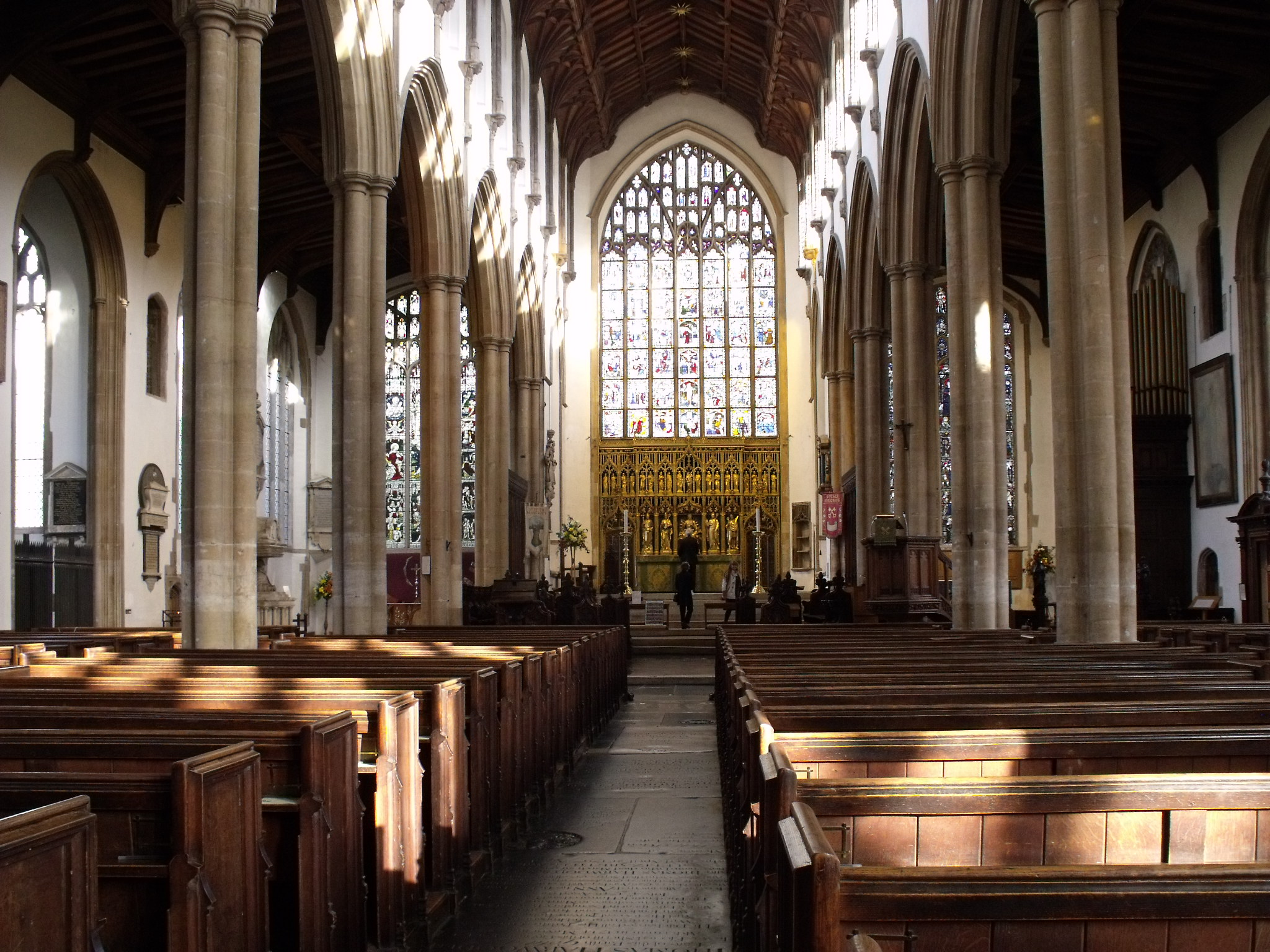
A lot of effort has gone into the visitor ministry here. There is a lot of history information available as well as interpretation as to what the fittings and furnishings of a church are used for and signify. We cannot rely on visitors knowing what a font is for for instance. This requires some sensitivity in wording things so as not to be patronising yet to be informative and instructive.
There were several things I really liked here. Some cards were on display for a Bereavement Support Coordinator – an excellent idea. Also some simple prayer cards for visitors to use, as well as some prayer slips to use on teh prayer board – well used as usual.
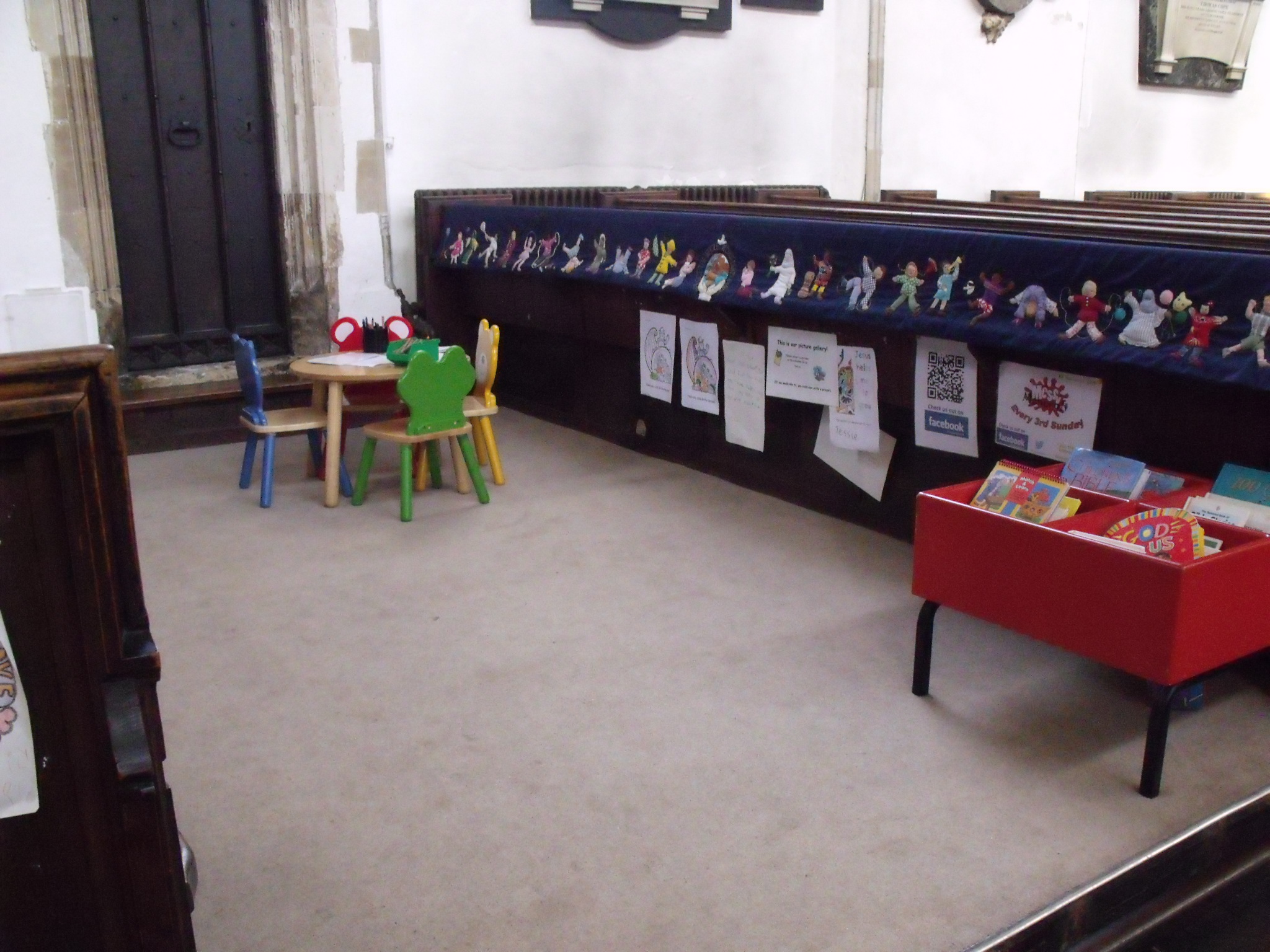
There is a Children’s corner set up and there is a votive stand for use as well. A steward was on duty. There are some laminated cards to carry around and a chapel for prayer – a wonderful light and holy space which contained a book to write in – ‘A Book of Sorrow and Loss’.
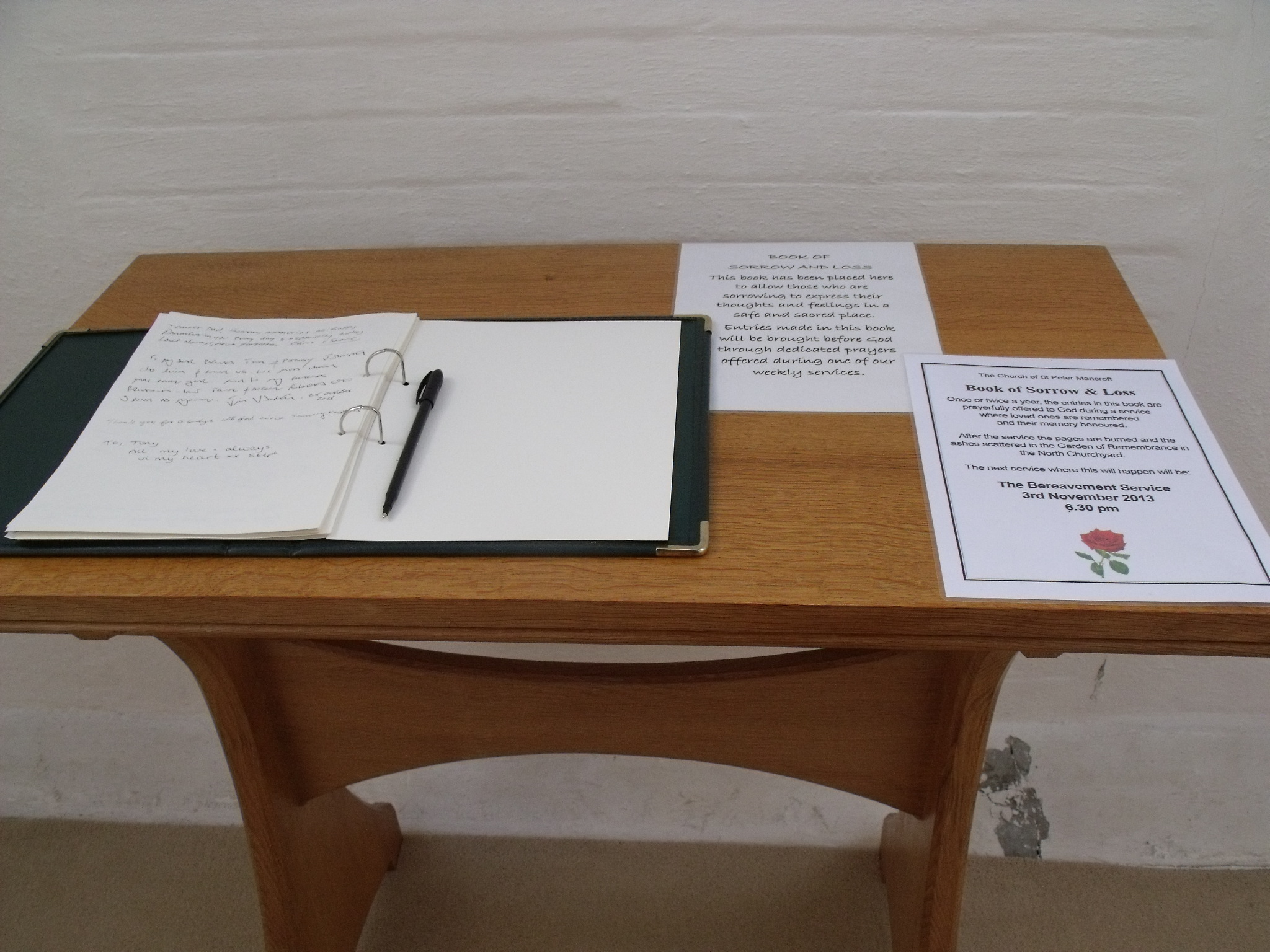
A very moving idea which was being well used and must be meeting a need.
One very unusual idea that I have never seen before was a small display of pumpkin Jack O Lanterns with a leaflet ‘The Pumpkin Prayer’. A positive Christian approach to something that churches have often been wary of. An excellent way of christianising an essentially pagan idea.
There is a good website at http://stpetermancroft.org.uk/ with clear and welcoming visitor information. I rate St. Peter Mancroft as excellent and this is a good example of what can be achieved in an urban church in a busy place. Go and have a look!
One of my favourite churches
St. Julian’s, Norwich
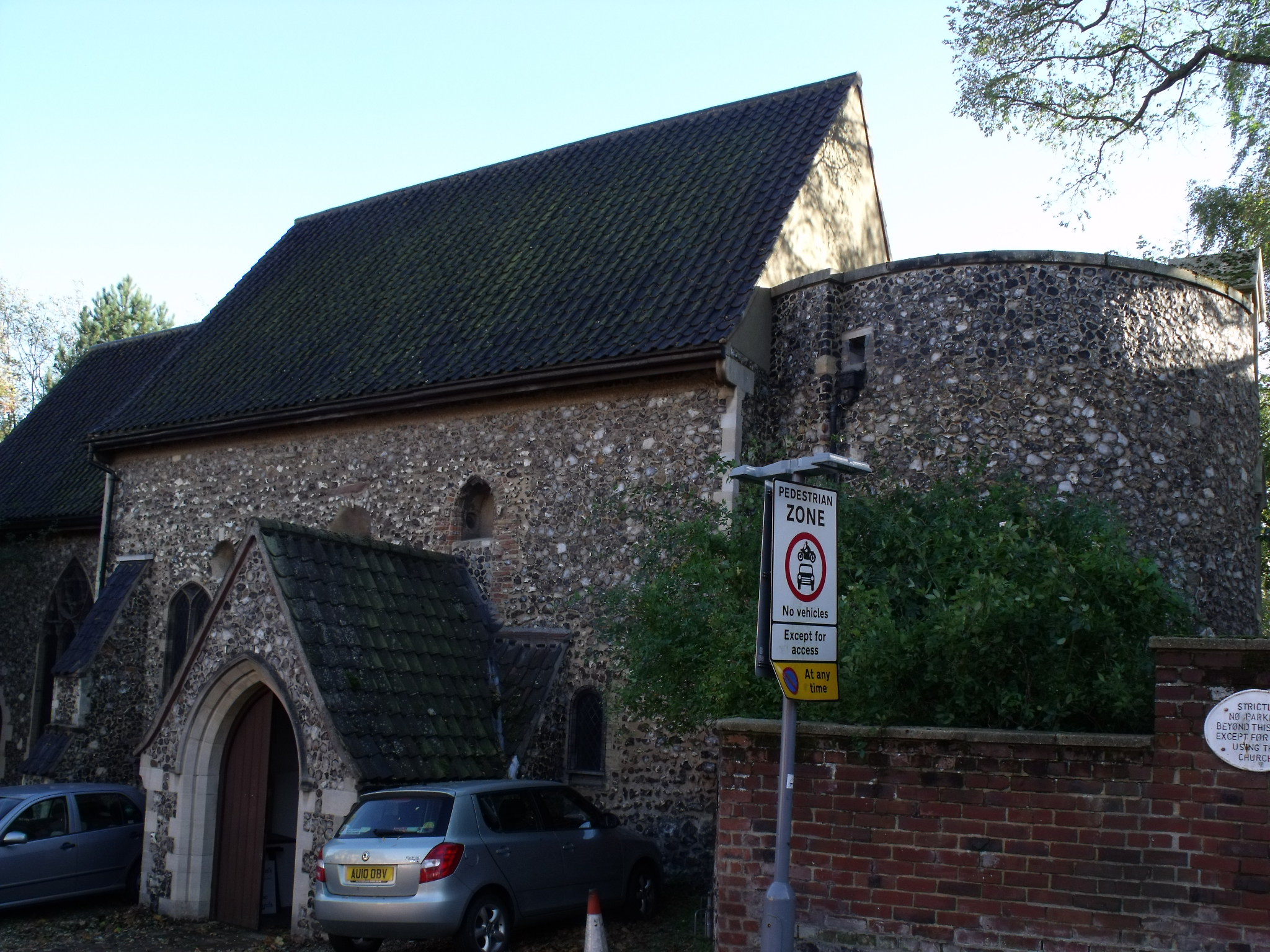 On the busy Rouen Road, surrounded by modern housing, businesses and offices, sits a very special little church. It doesn’t look much on the outside but step inside and you can feel a definite sense that here is a very holy place indeed. Yet, it nearly didn’t survive. Norwich was badly bombed during the second world war and St. Julians, being near the river and the important Boulton and Paul factory, was almost completely destroyed. Thankfully it was rebuilt and today welcomes visitors and pilgrims from afar. There is a community of nuns living next door and a visitor centre as well. Why the fuss? Well, this is a place associated with the medieval mystic, Julian of Norwich, who wrote the first book written by a woman in English, The Revelations of Divine Love. Julian (who’s real name we do not know) was an anchoress here and the site of her anchorage has been lovingly rebuilt. In the adjoining visitors centre there are books and other materials about her.
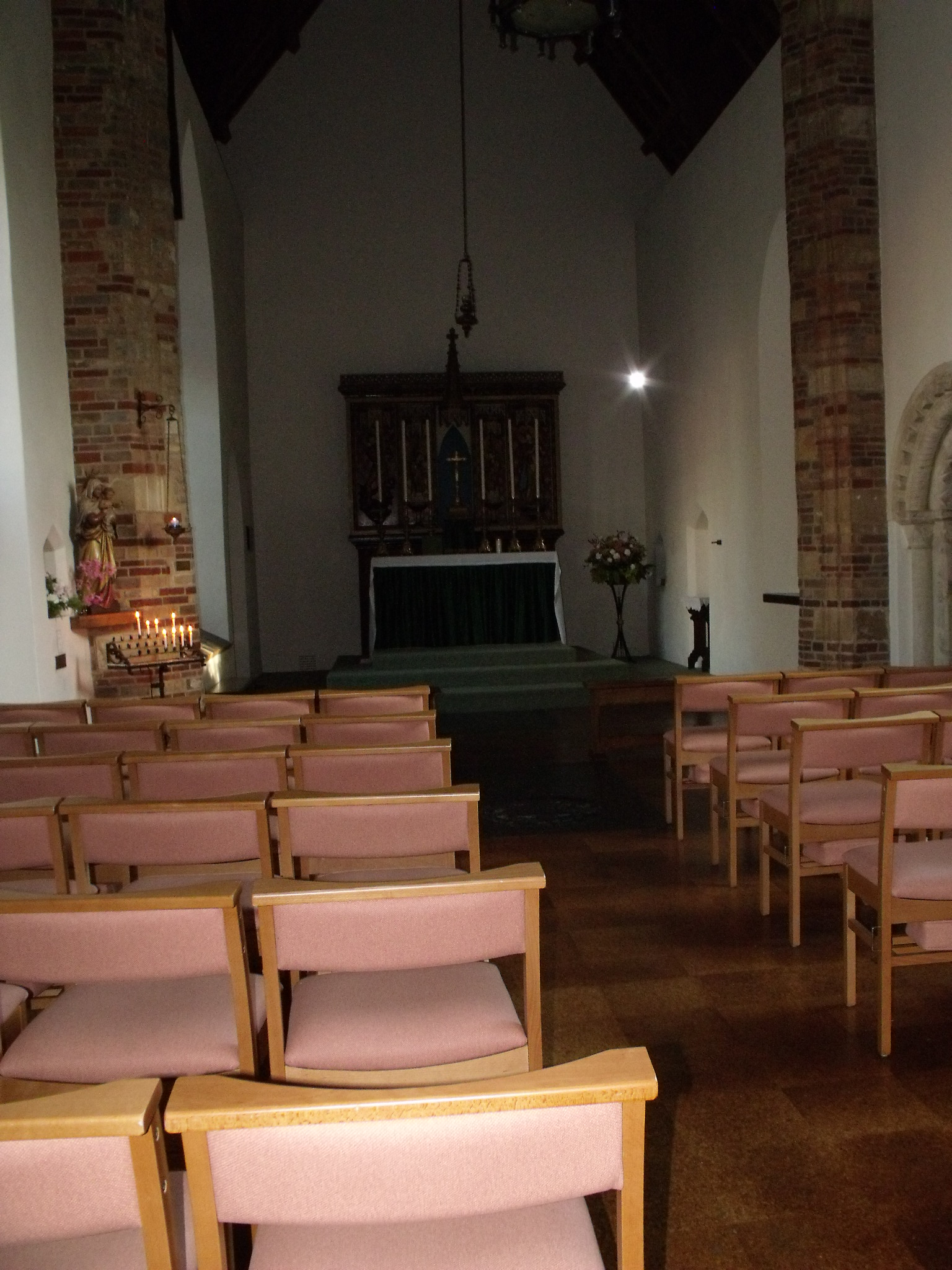 In the church itself, there are some booklets available as well as some multi lingual laminated sheets to guide the visitor. Really, this is a place to soak up the atmosphere. A votive stand, in front of a statue of our Lady, is well used.

This is a very good place to pray for someone or for yourself. Surely, prayers uttered here must carry more weight?
There is a visitor’s book here and some 31 people had added their names in October (I visited on the 29th).
On the South side, a door opens to reveal the site of Mother Julian’s Cell. It is like entering the holy of holies and is a place I could personally spend much time in. Do go and visit. It is a moving place and all comers are made very welcome in the visitor’s centre where you can browse one of the many books written about Julian. I rate St. Julian’s as very good for the visitor. There is a website at http://www.friendsofjulian.org.uk
A final picture shows Julian’s Cell.
Our customary half term break to Suffolk saw me visit a handful of lovely churches. The first of which was
St. Edmund’s, Kessingland
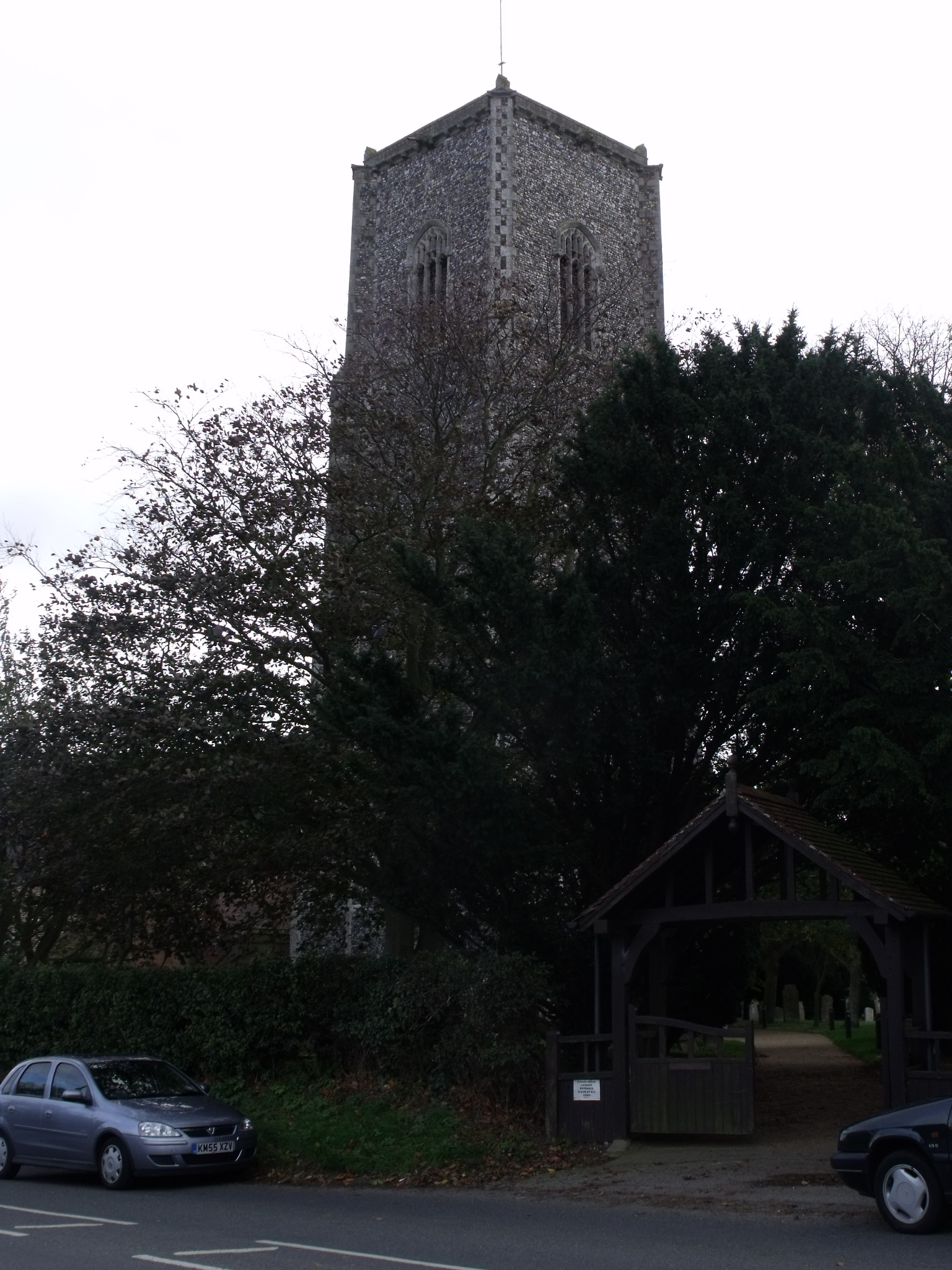 A magnificent tower marks out this large church in a seaside village. On arrival there was a notice that the noticeboard was bare as it was to be renovated. But, a simple laminated poster declared that this church is open every day between 10 and 4pm.
Here is a church which it is worth viewing the exterior of first. 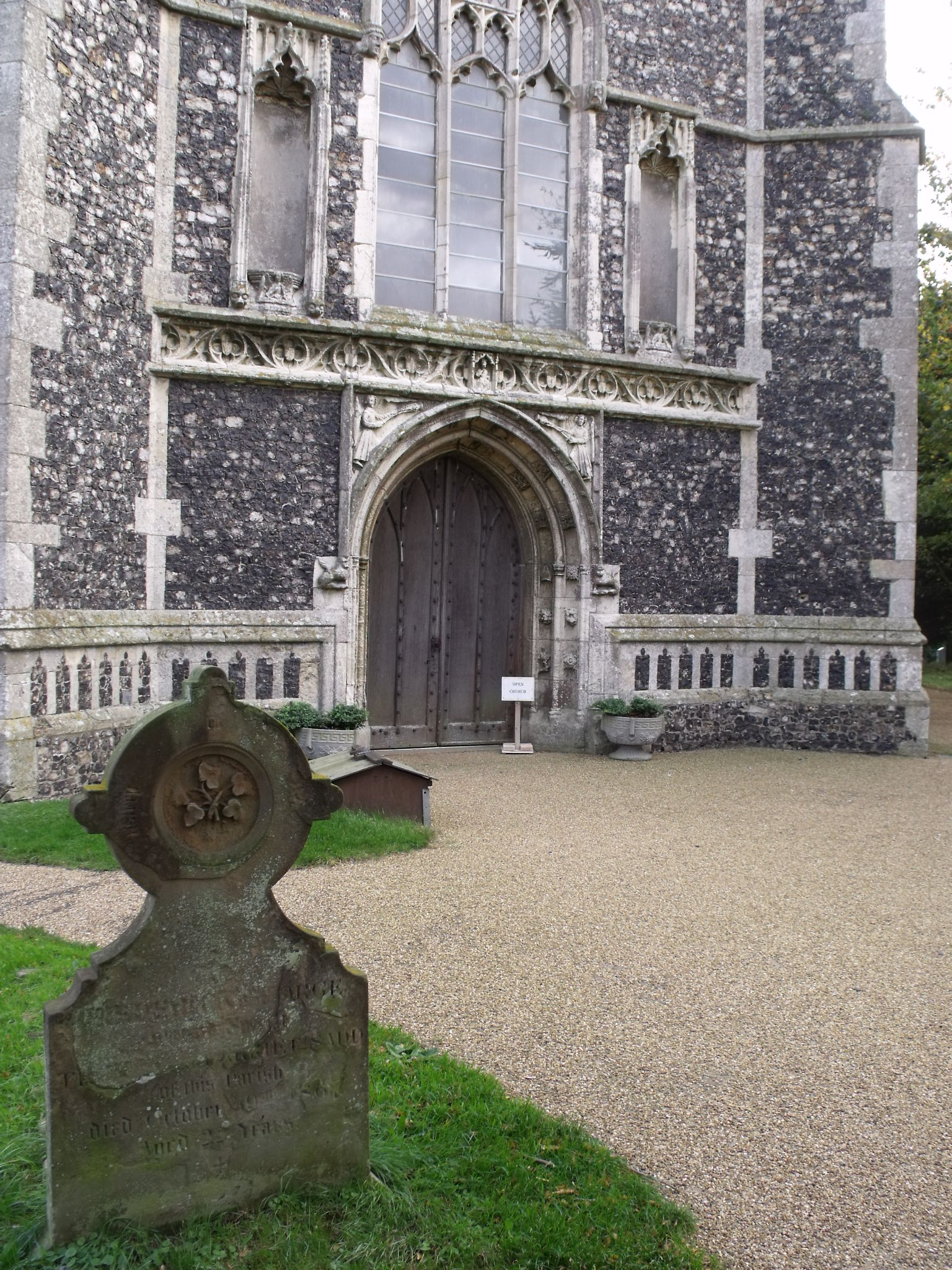 As do many churches in East Anglia, St. Edmund’s displays some lovely flush flint work.
Inside this large and bright church, I found some post cards and a church guide for sale – a simple but adequate one giving details of what there is to see here. The visitors book showed 7 visitors in October.
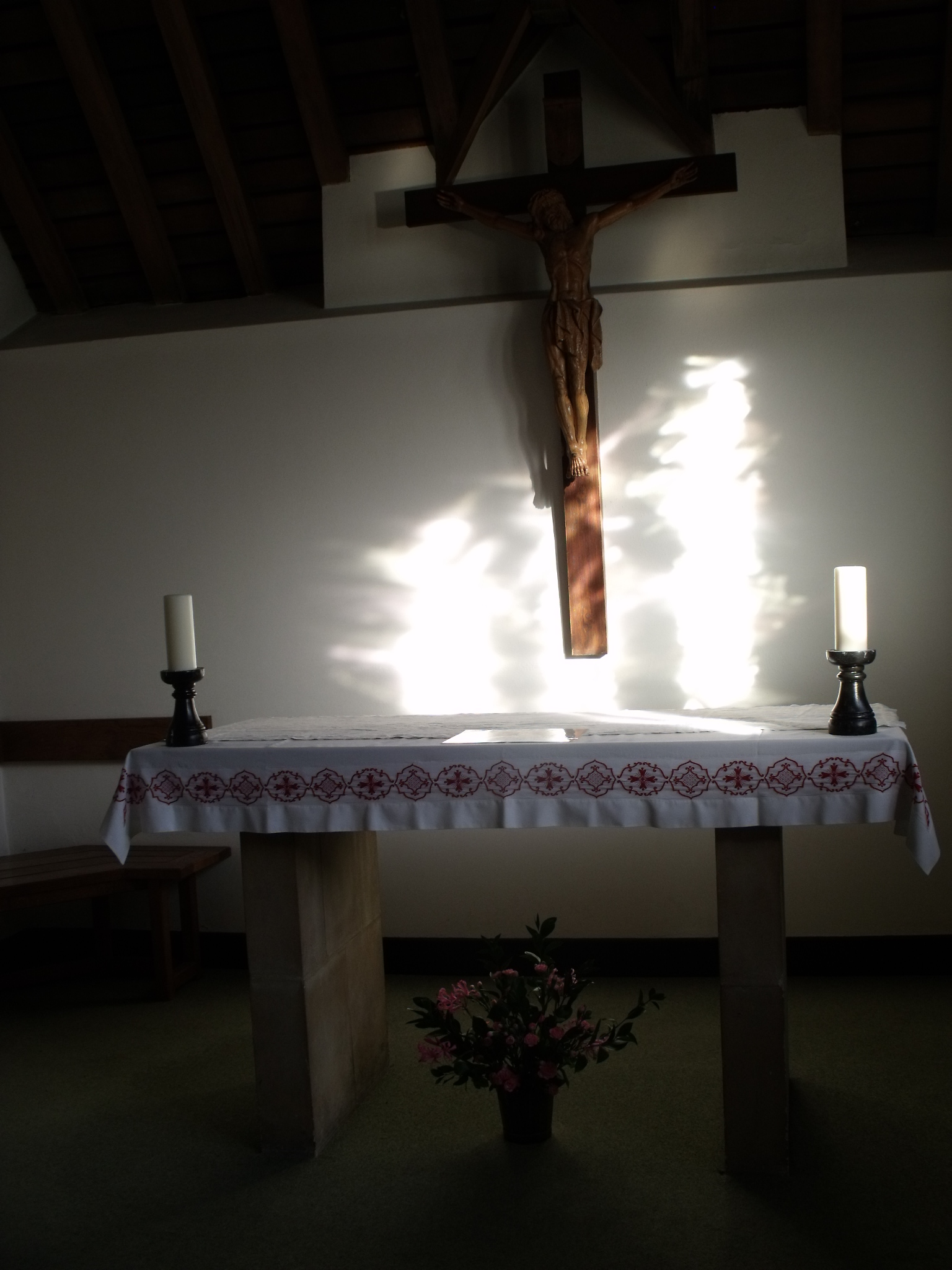
 There are a lot of maritime reminders here as befits a seaside place. There are ship’s lights above the altar and a ship’s bell. The pulpit has a ship’s wheel on it.
A votive stand is available and a couple of people came in to light a candle as I was there but the last match was damp! This was a shame but unavoidable unless a lighter is used.

There is a magnificent font here and a visitor had noted in the visitor’s book that they had come specifically to see it. As you can see from the photo, there is a prayer board to use and this was obviously popular with a variety of prayer requests left on it.
Also in the church are some folders of photos of church events – always a good thing to see as it reminds anyone who comes of the living church community. There was also an appeal to raise funds to re thatch the roof.
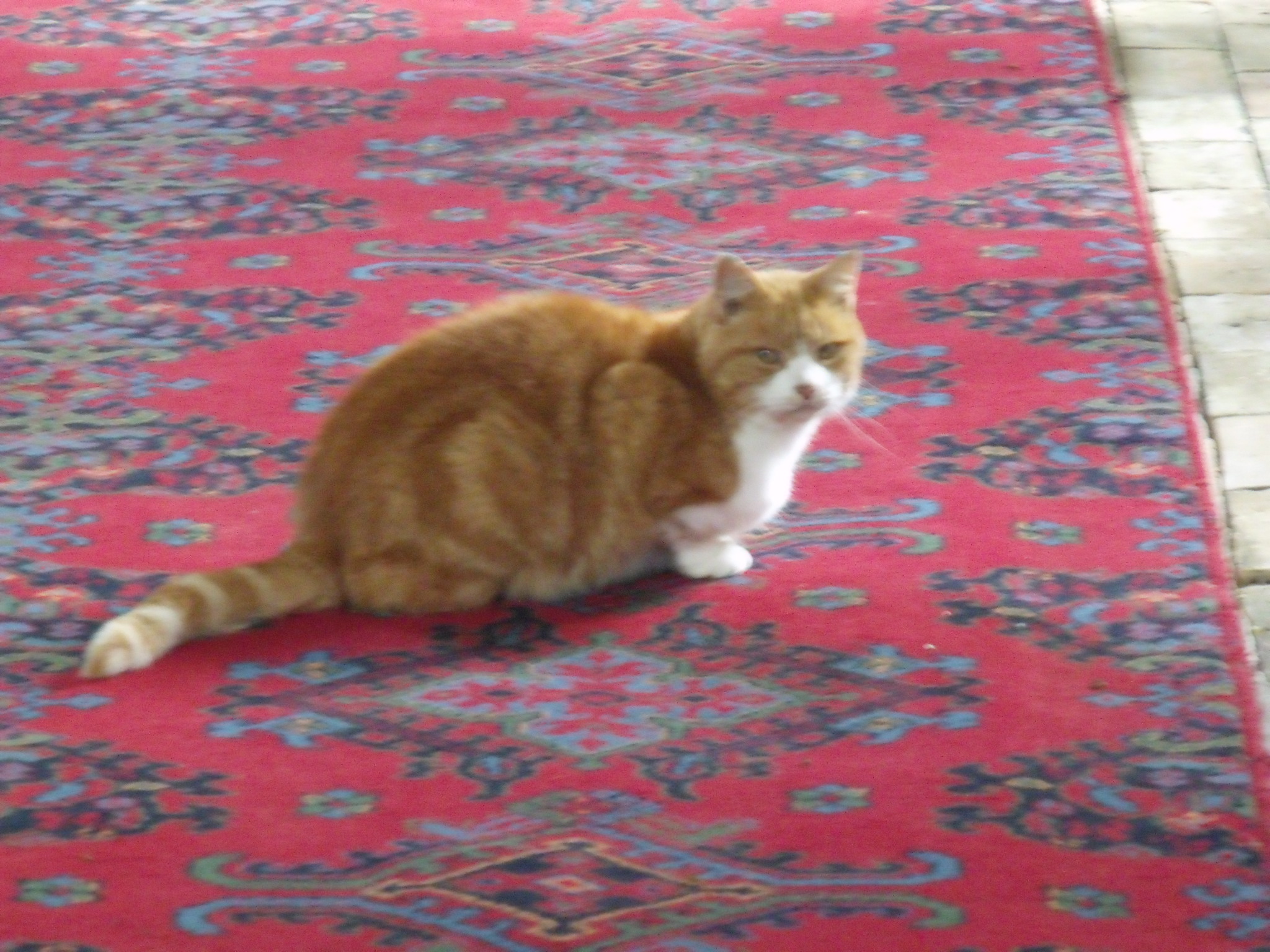
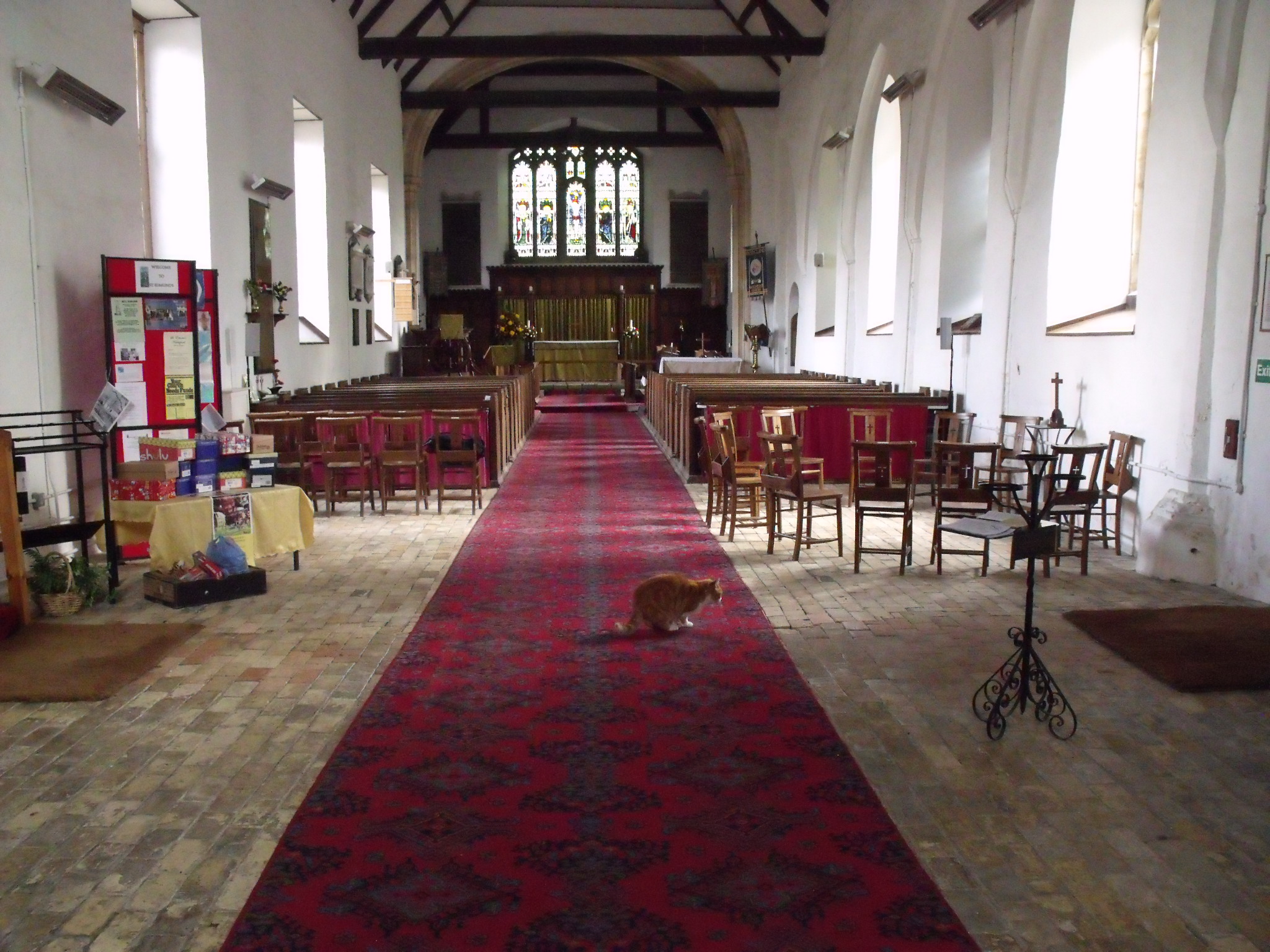
One almost unique attraction here is a church cat! It is very much at home as food was left for it and a bed on a pew. It gave a friendly welcome and must count as one of the more unusual church stewards I have come across.
Overall I rate St. Edmund’s as good. There doesn’t seem to be a church website but there is a good entry on Simon’s Suffolk Churches (an excellent website by the way). See http://www.suffolkchurches.co.uk/kessing.html
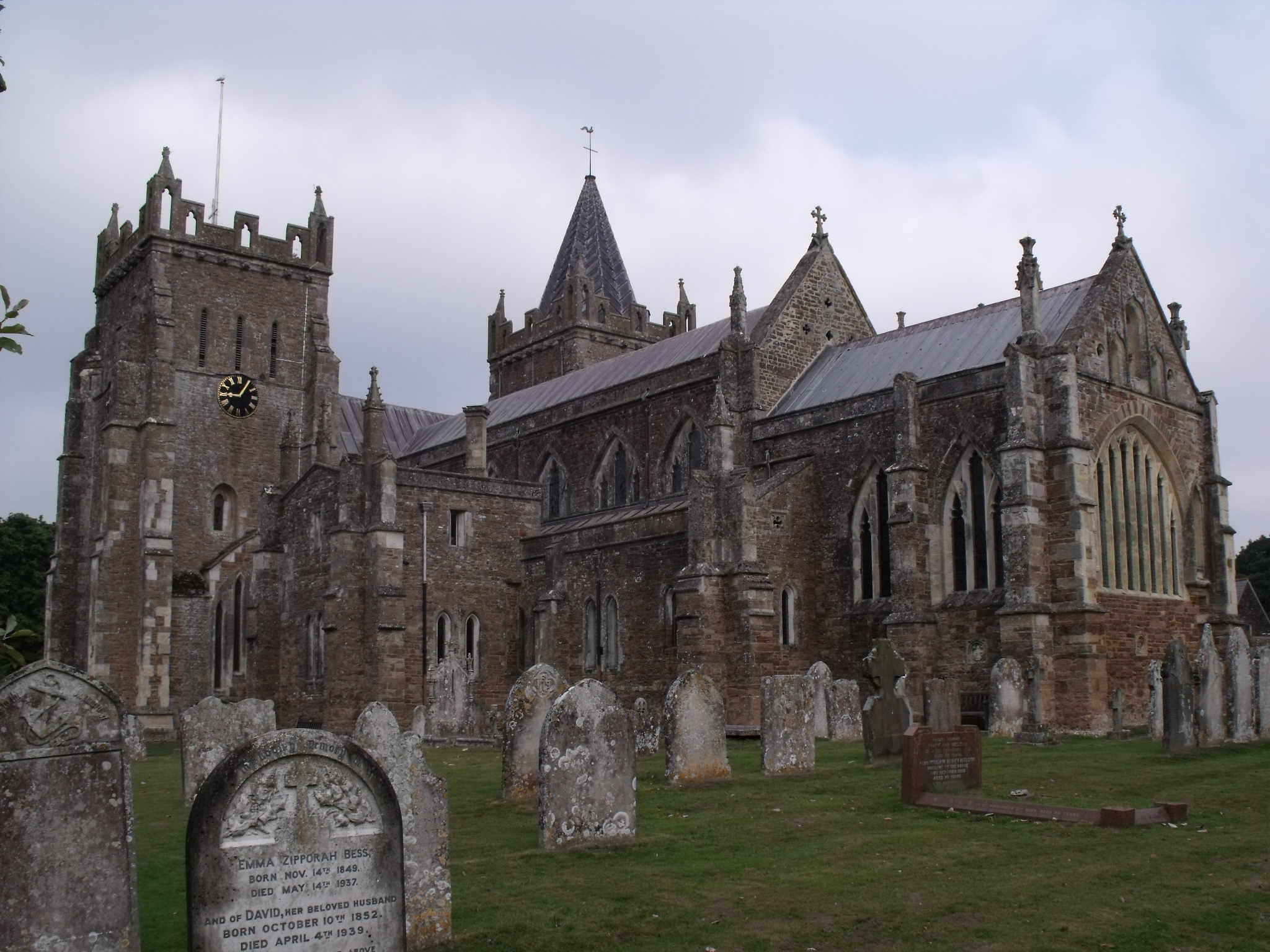
On my way home I called in St. Mary’s. A wonderful church and justly famous. This really is worth looking at, being almost a miniature cathedral. It is open each day.
The sign boards outside only give details of the services and concerts here but there was a welcome on an ‘A frame’ in the porch.
There are some laminated histories, in various languages. These can also be downloaded from the church website – http://www.otterystmary.org.uk/ which is a very useful touch.
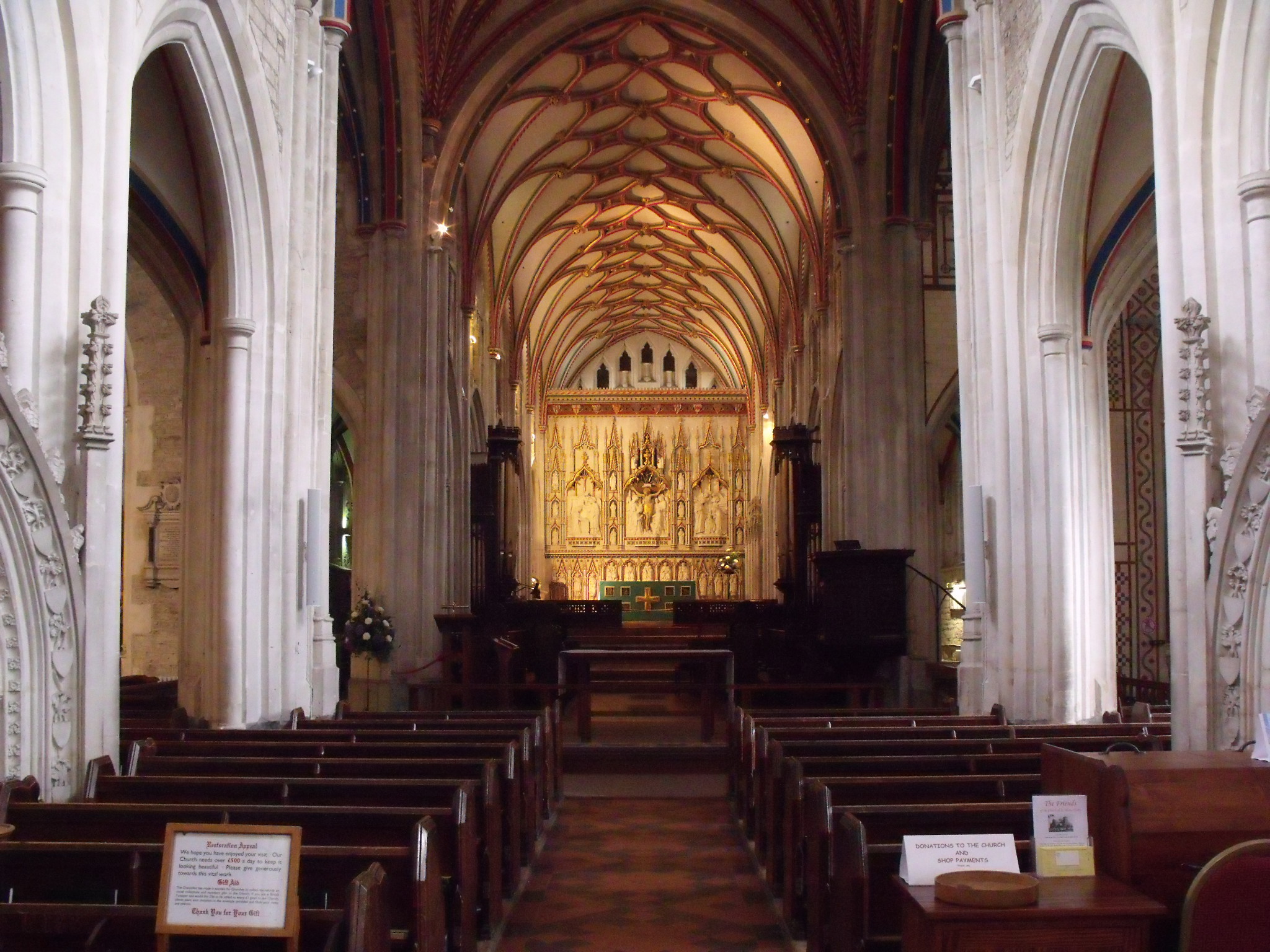
The guide book had sold out. Also there was a prayer diary. There is a small area for the use of children.
A lot of thought has gone into catering for visitors here. There is a well stocked little shop with prints, cards, tea towels, Christian jewellery, books etc. for sale.
The visitors book showed 63 people in the last 25 days.
There is a good display about Samuel Taylor Coleridge here. It is always good to tell the story of any one well known who is associated with a church.
I also liked how some lights had been left on in order to highlight features of the building. Also featured are some history displays and some photos of the roof bosses here.
There was a display of Mothers Union material, featuring some of their excellent leaflets and also of mission links abroad.
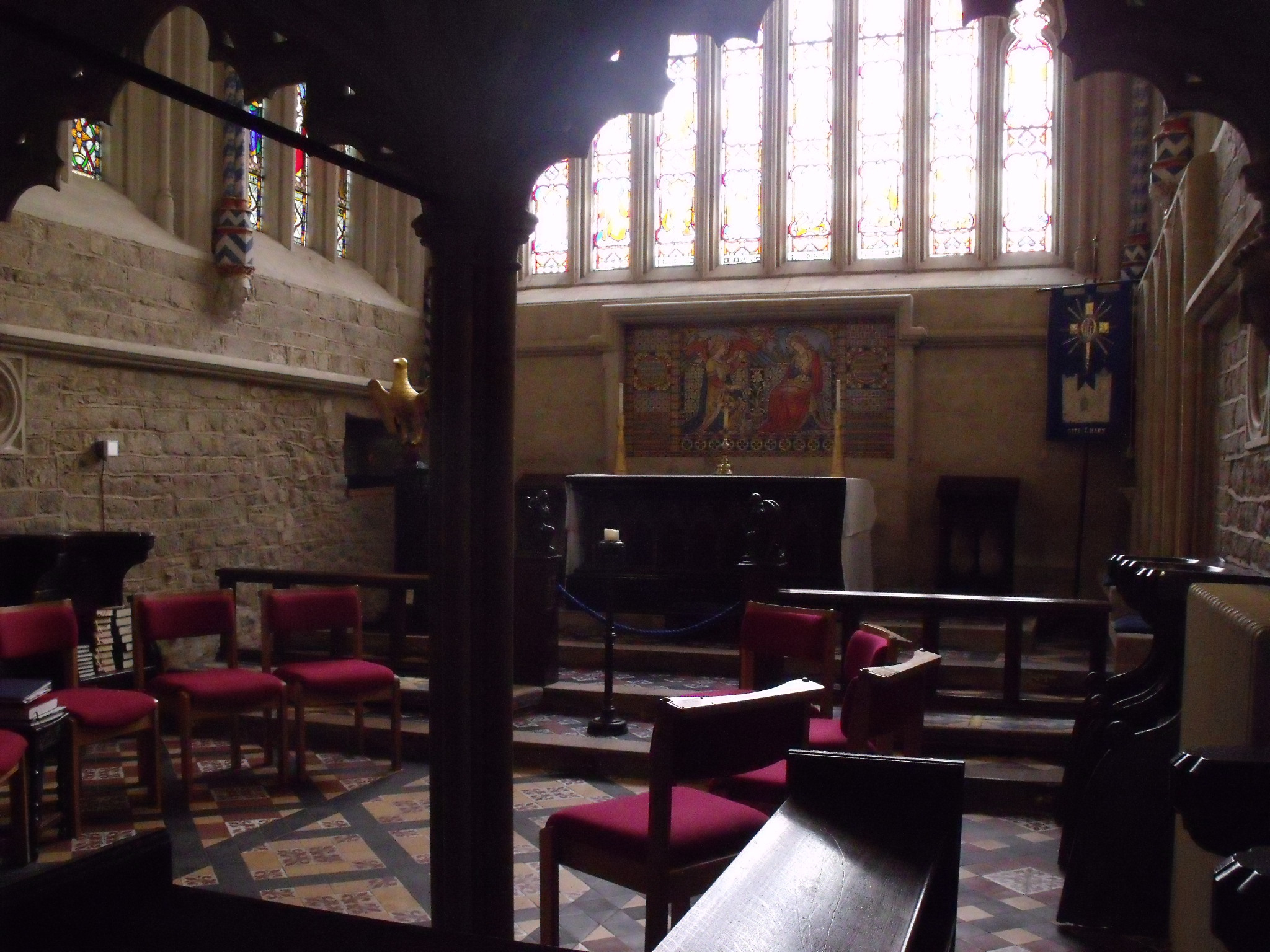
The Lady Chapel is set aside for prayer as is the one on the north side of the church. These have some prayer ideas in them to guide people. A Memory Book was also available for those who had the misfortune to have a miscarriage or a still born child. This is very moving and must bring real comfort.
All in all, a very worthwhile church to visit, for all sorts of reasons. I rate it as excellent. Do go and have a look.
 churchtourismstudy