St. Leonard’s, Monyash
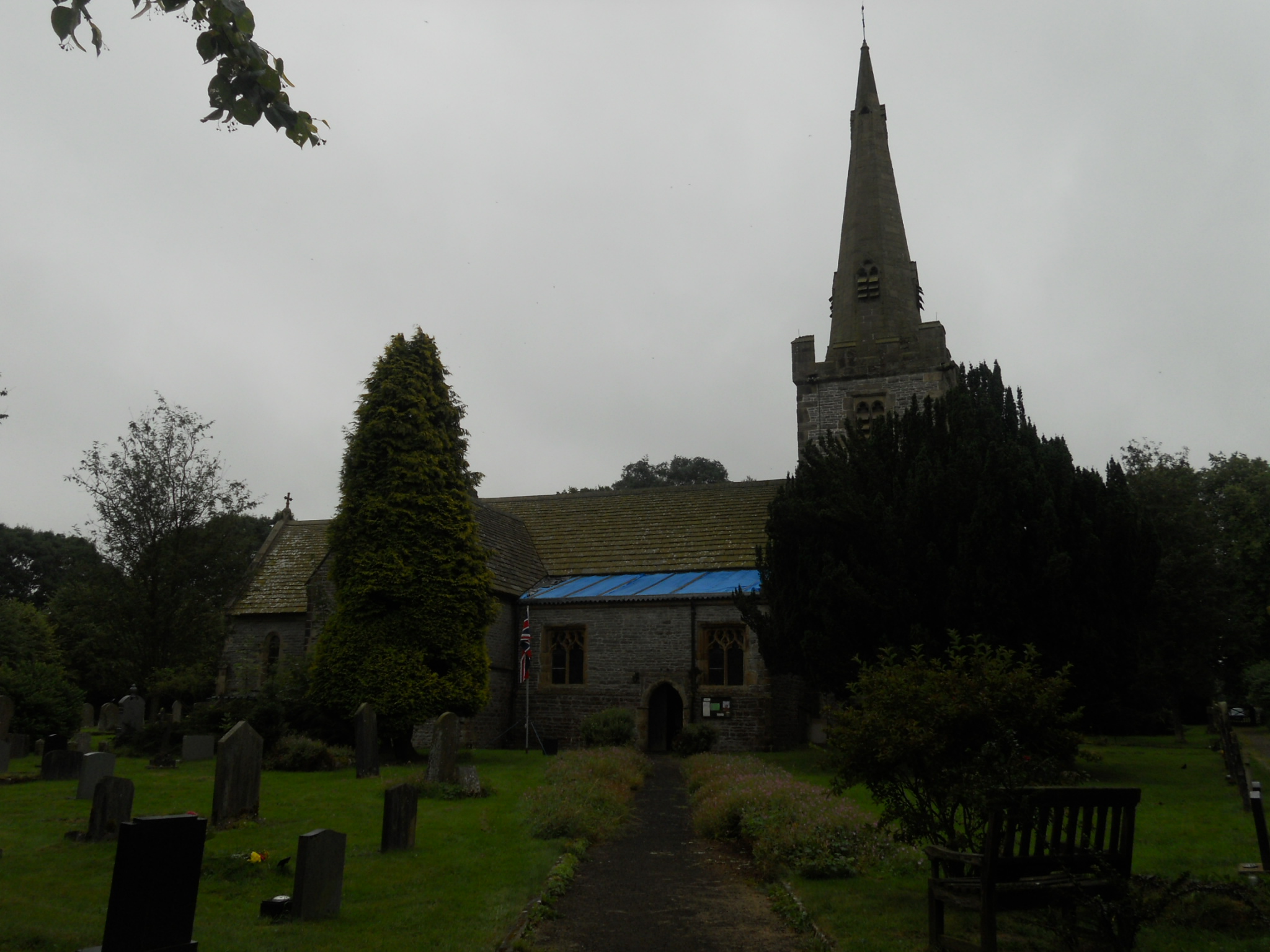 St. Leonard’s is either having some work done on the roof or someone has nicked the lead… It is a church which is open every day and there is a very clear notice to that effect. The church was founded as a chantry chapel by Robert de Saocia and Matthew de Eston. The mother church was Bakewell. Monyash was declared to be a fit place to become a parish church by the Church Commissioners in 1650.
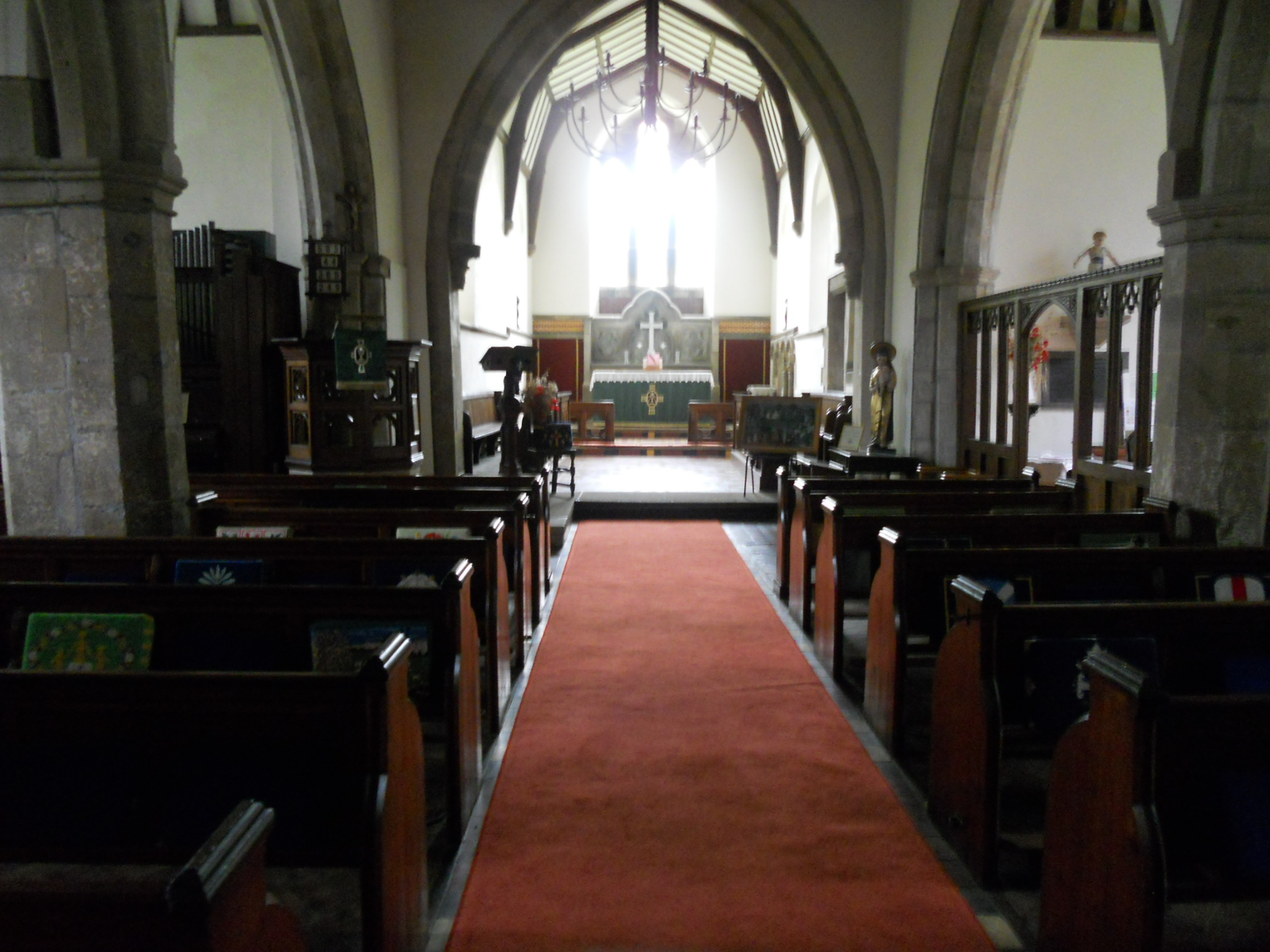
It is an interesting church to visit but rather dark inside until your eyes get used to it, it was a dull day which didn’t help. There is a book about Monyash and it’s history to look at as well as some prints for sale and some notelets. There didn’t seem to be a church guide. Some 15 people were in the visitors book for July.
A notice explains about the bells here and a history display puts the church in it’s local context. One thing I liked is a simple life of St. Leonard and some hymn words about him.
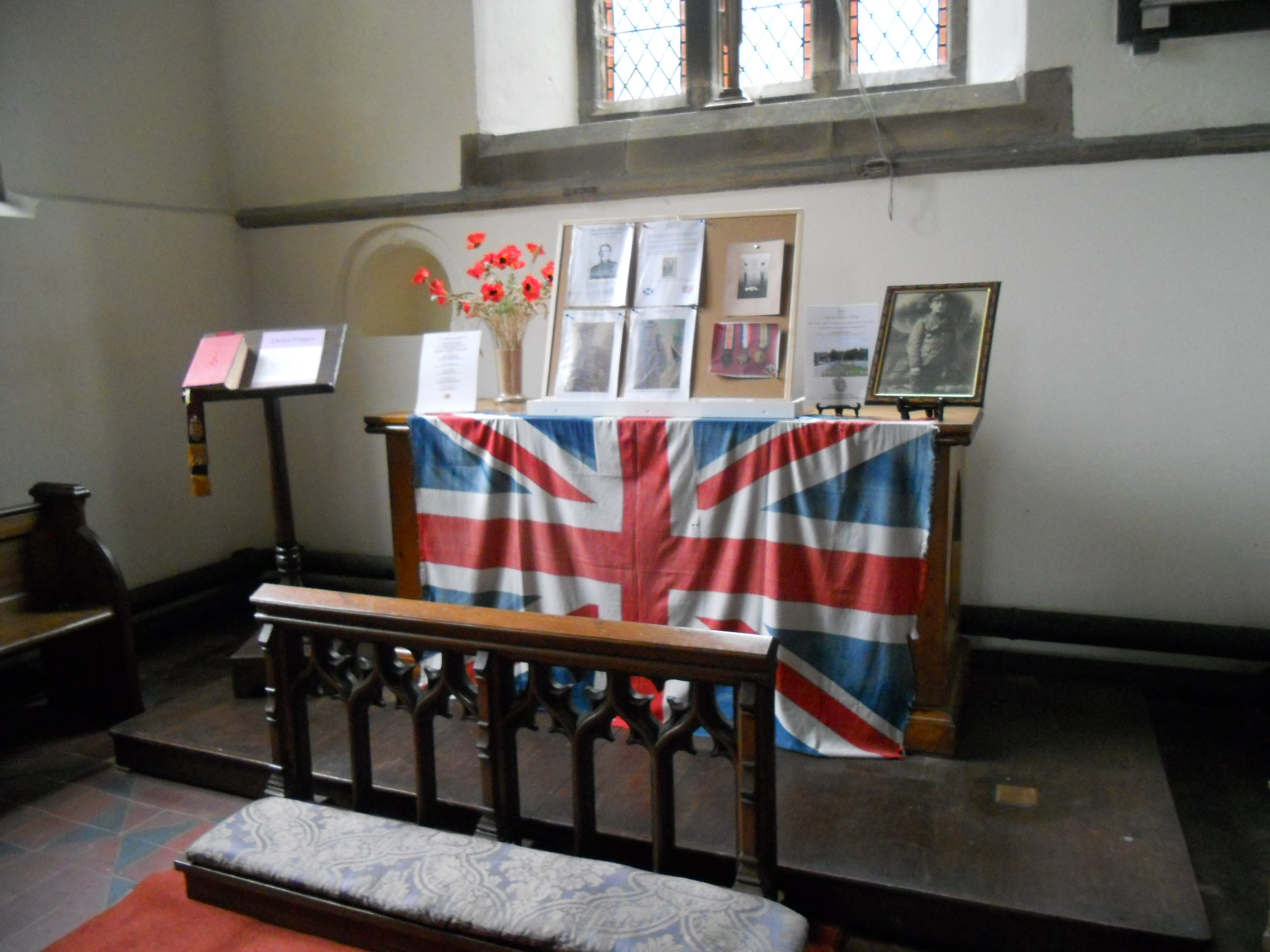 A lot of effort had gone into a World War 1 display and this was well done with details of local people who had died in that awful conflict. There is an open Bible and this is an interesting church to visit. I rate it as good. There is a website at http://www.monyash.info which gives local information but nothing about visiting the church.
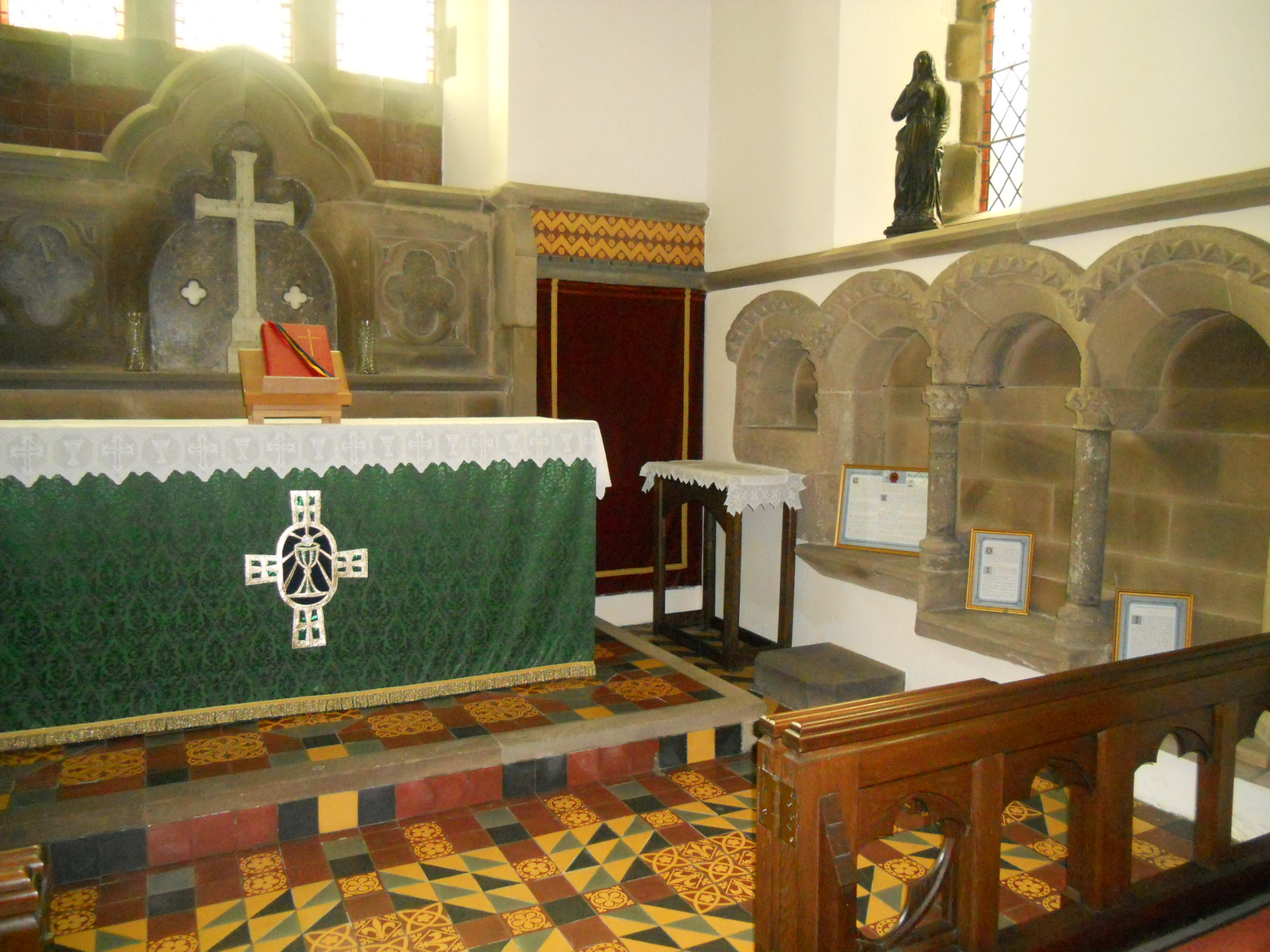
St. Michael & All Angels, Middleton by Youlgreave
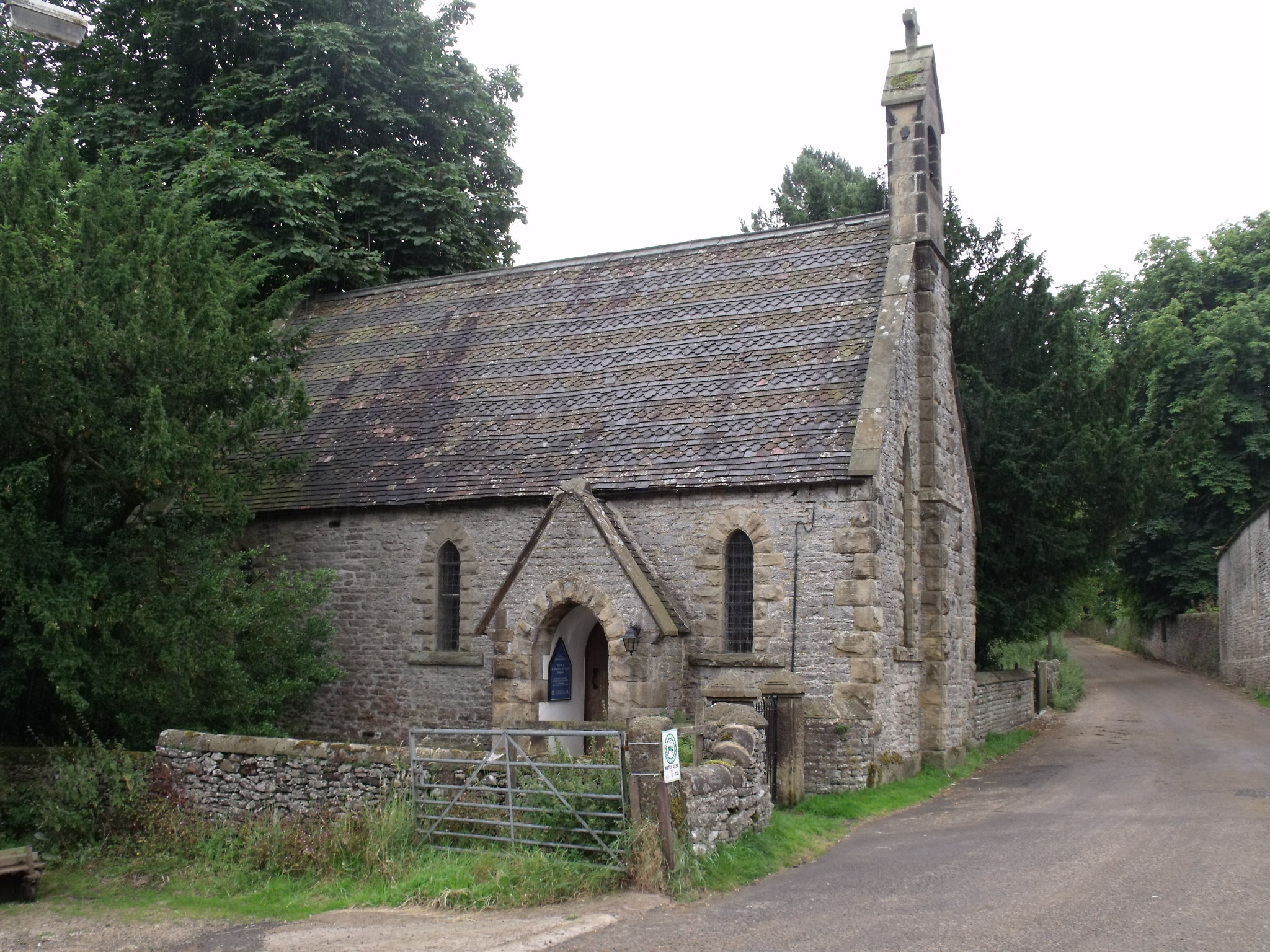 This looked worth a visit. However it turned out to not be the best place I have ever been to. It started to rain, the church was locked, with no indication of when it might be open, I then dropped my camera and broke it! You might notice that the following posts don’t have quite such good photos as I had to use my little compact camera, which is not as good.
Anyway, I have rate St. Michael & All Angels as poor which has nothing to do with the circumstances of my visit!
All Saints, Youlgreave
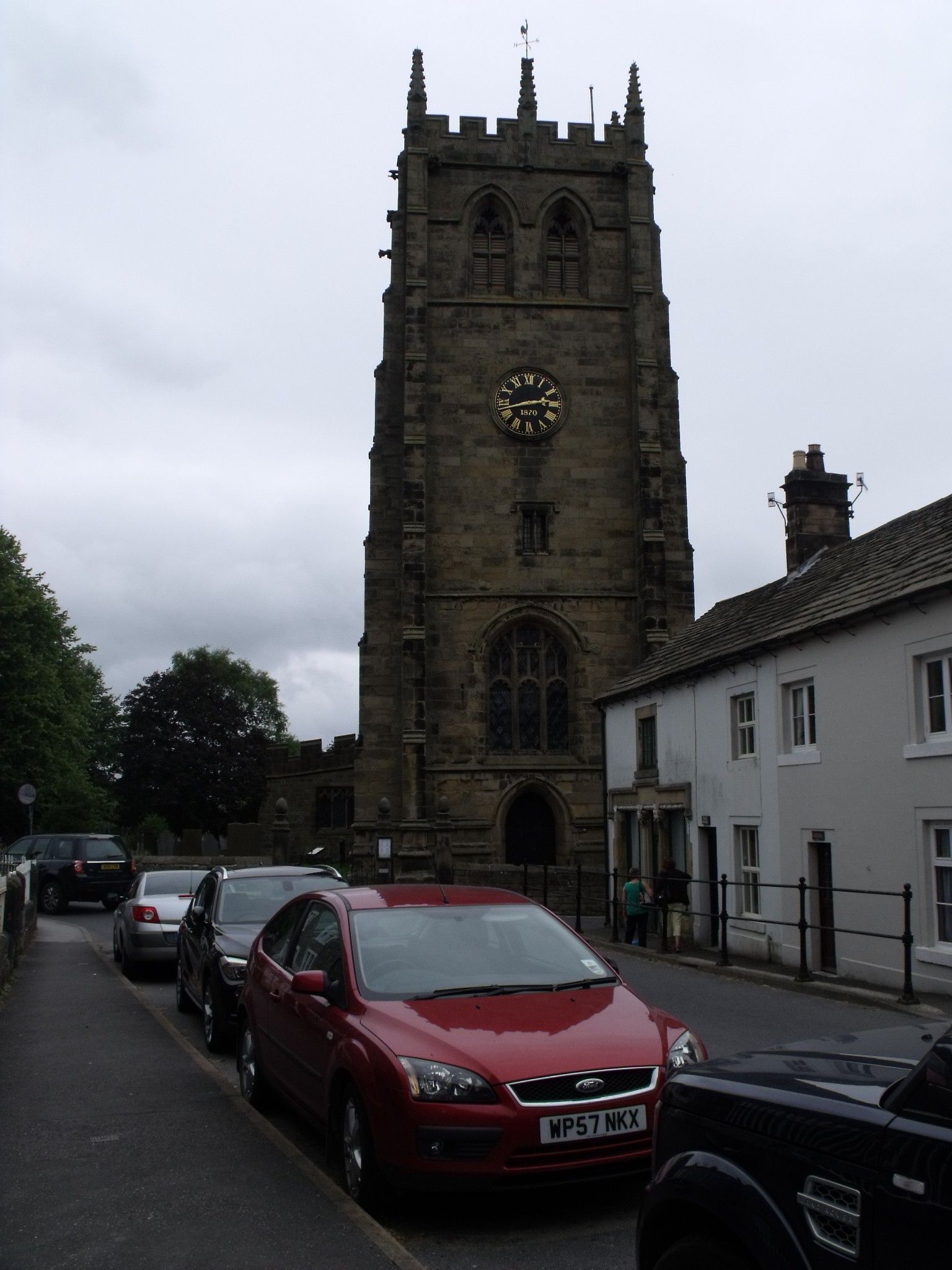 A magnificent church in the centre of the village. The signs are good outside, saying that here is a church open every day. Also there is a good welcome in the porch. I found a guide book for £2 and post cards and cards for sale.
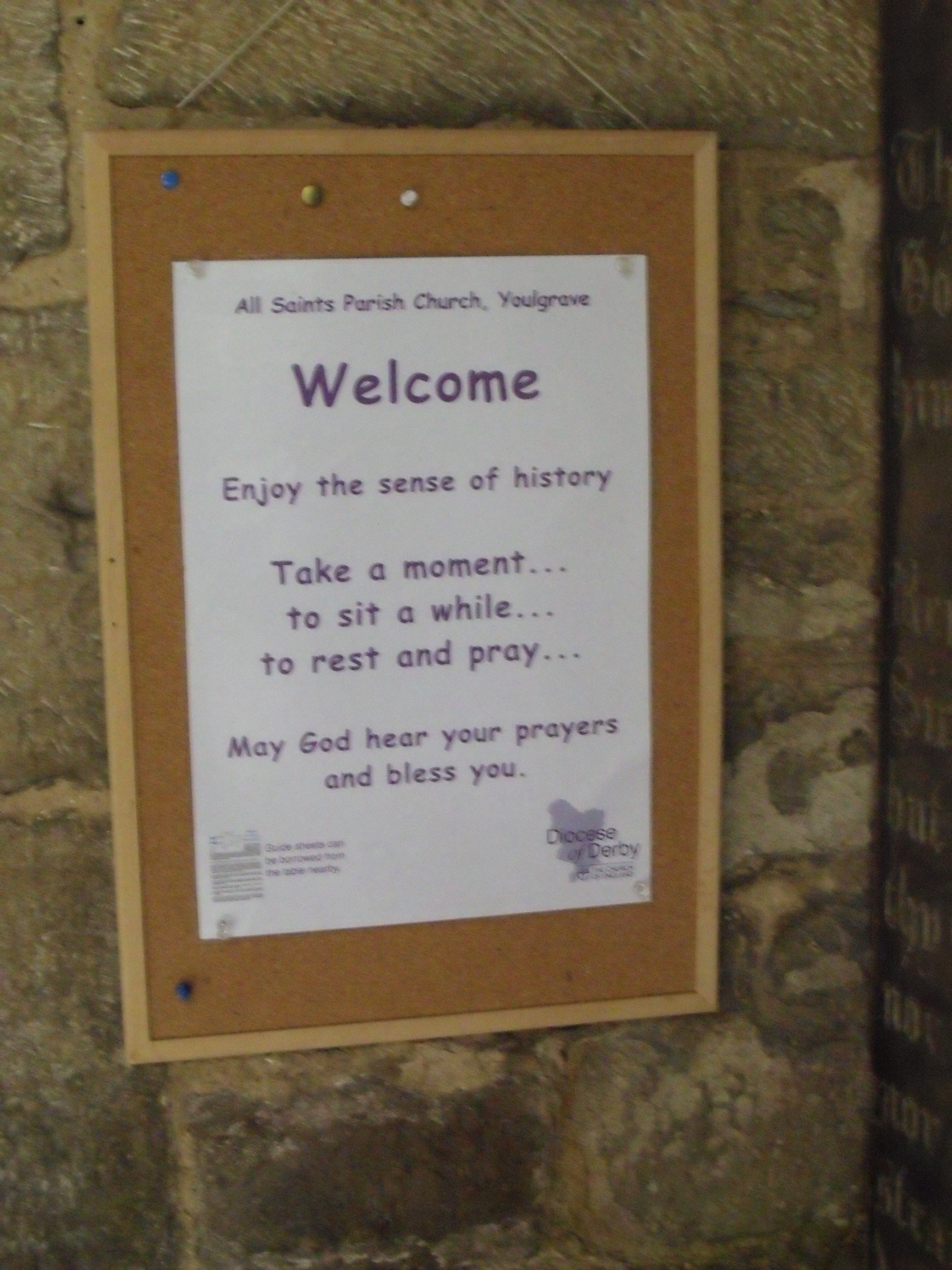
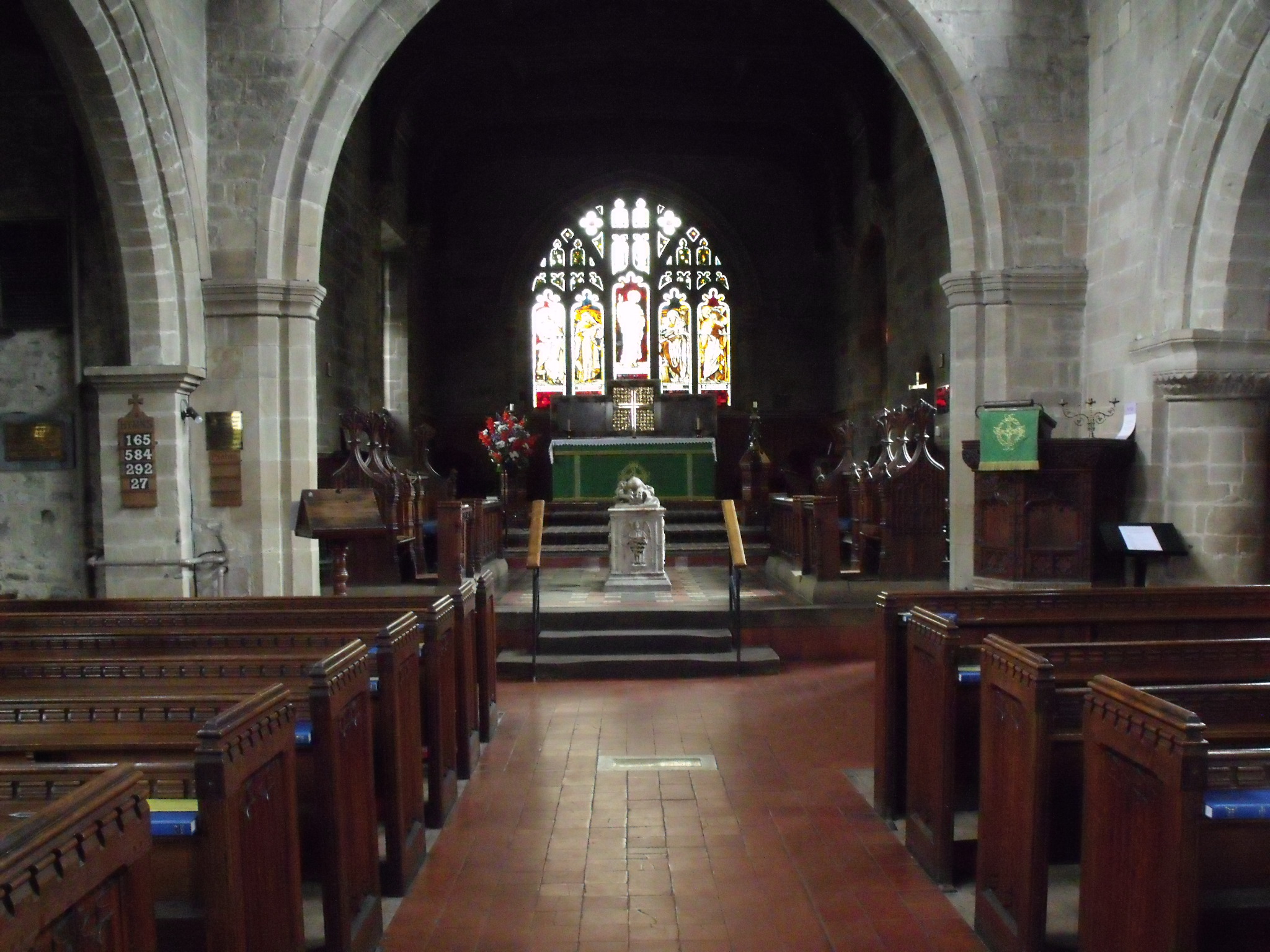
Some 41 people had signed the visitors book in July. There were several others in the church during the time I was there and none of them entered anything in the book.
There is a laminated sheet giving various tips as to what to look at here and many things are labelled with the Diocese of Derby ‘Churches to experience and explore’ signs. These help visitors who are unsure what they are looking at.
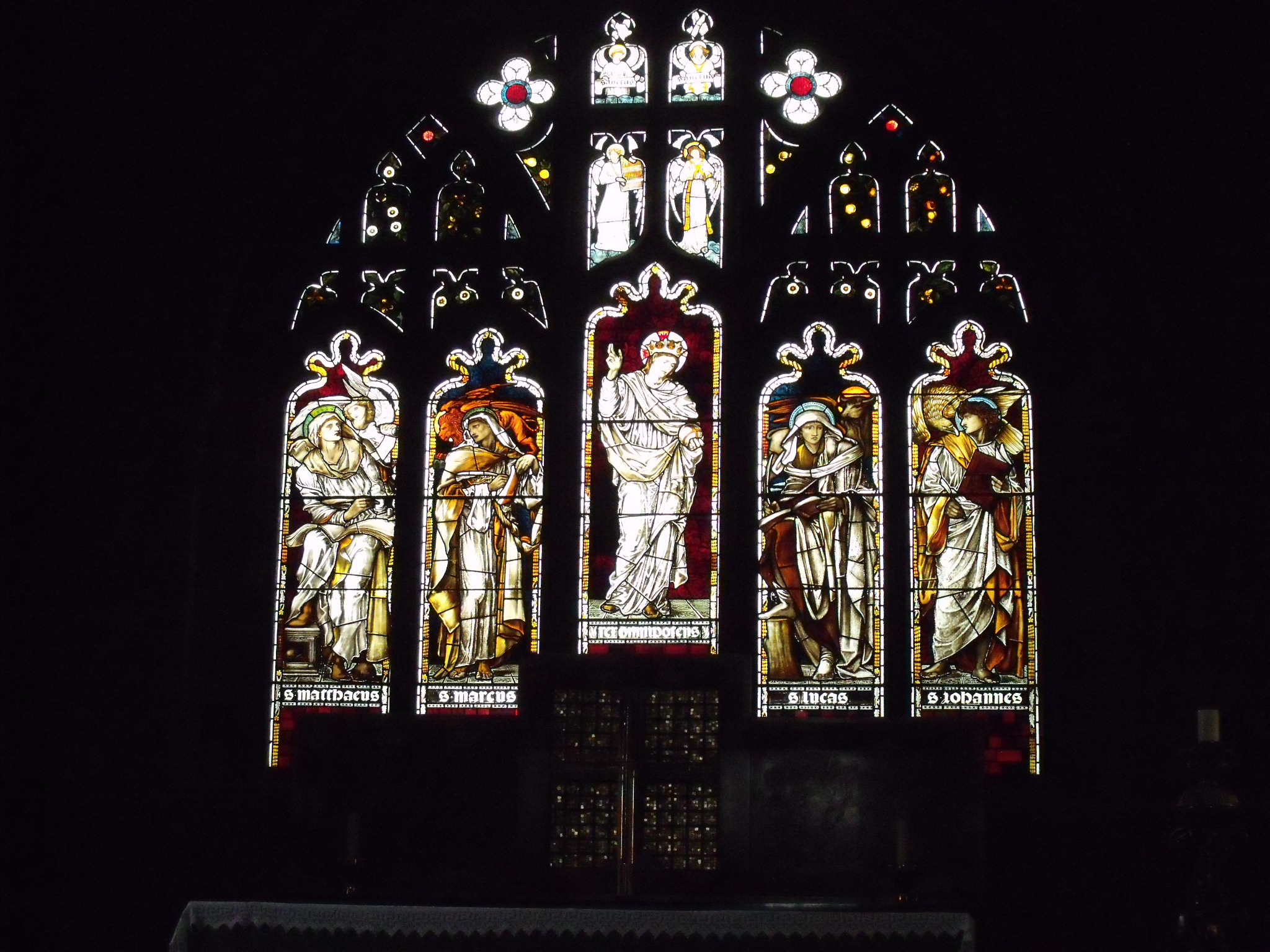
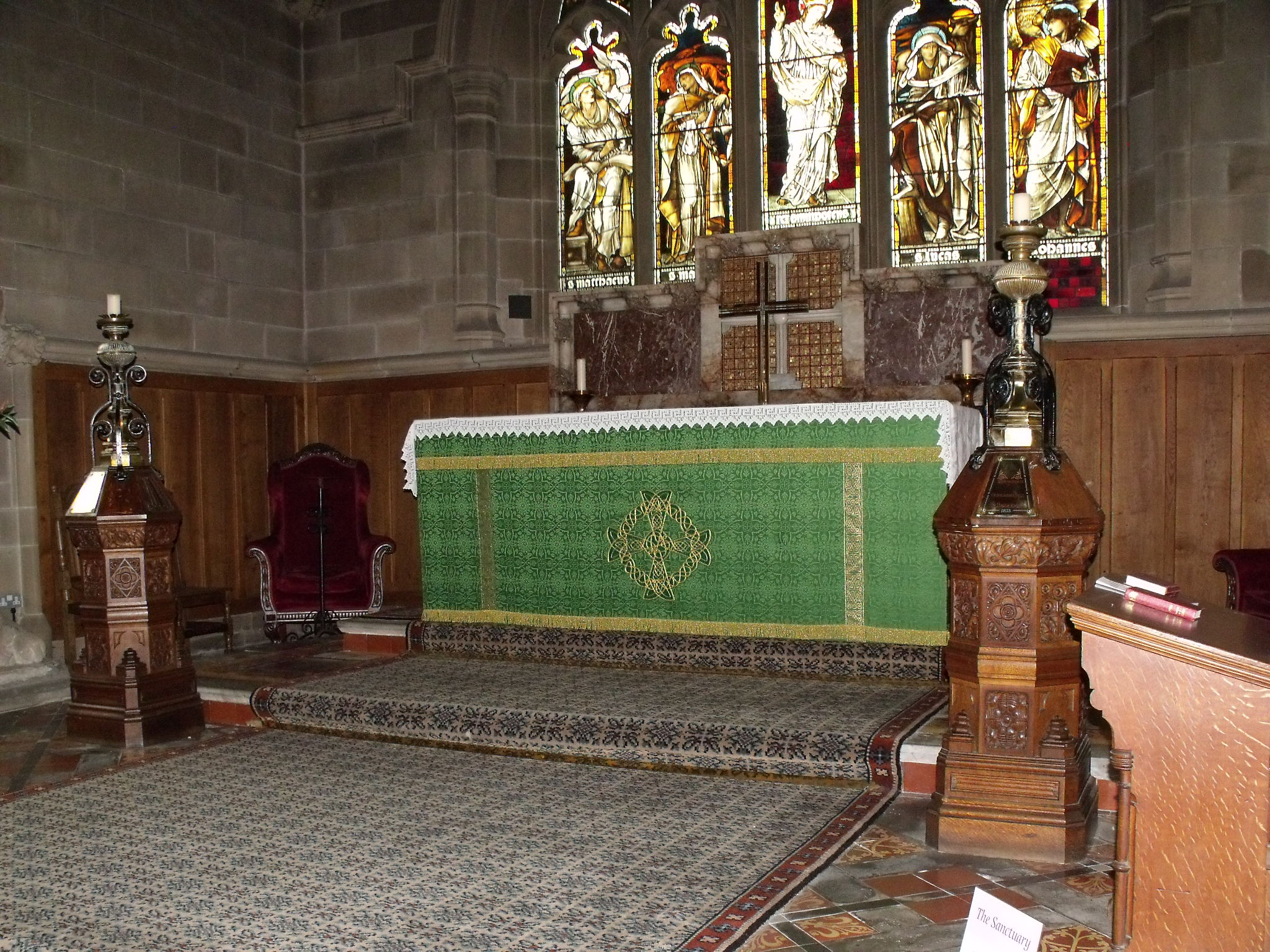 In the sanctuary are some rather strange ‘candlesticks’ dating from 1875. The East window is an Edward Burn-Jones design made by William Morris and co in 1876. It is worth a good look at.
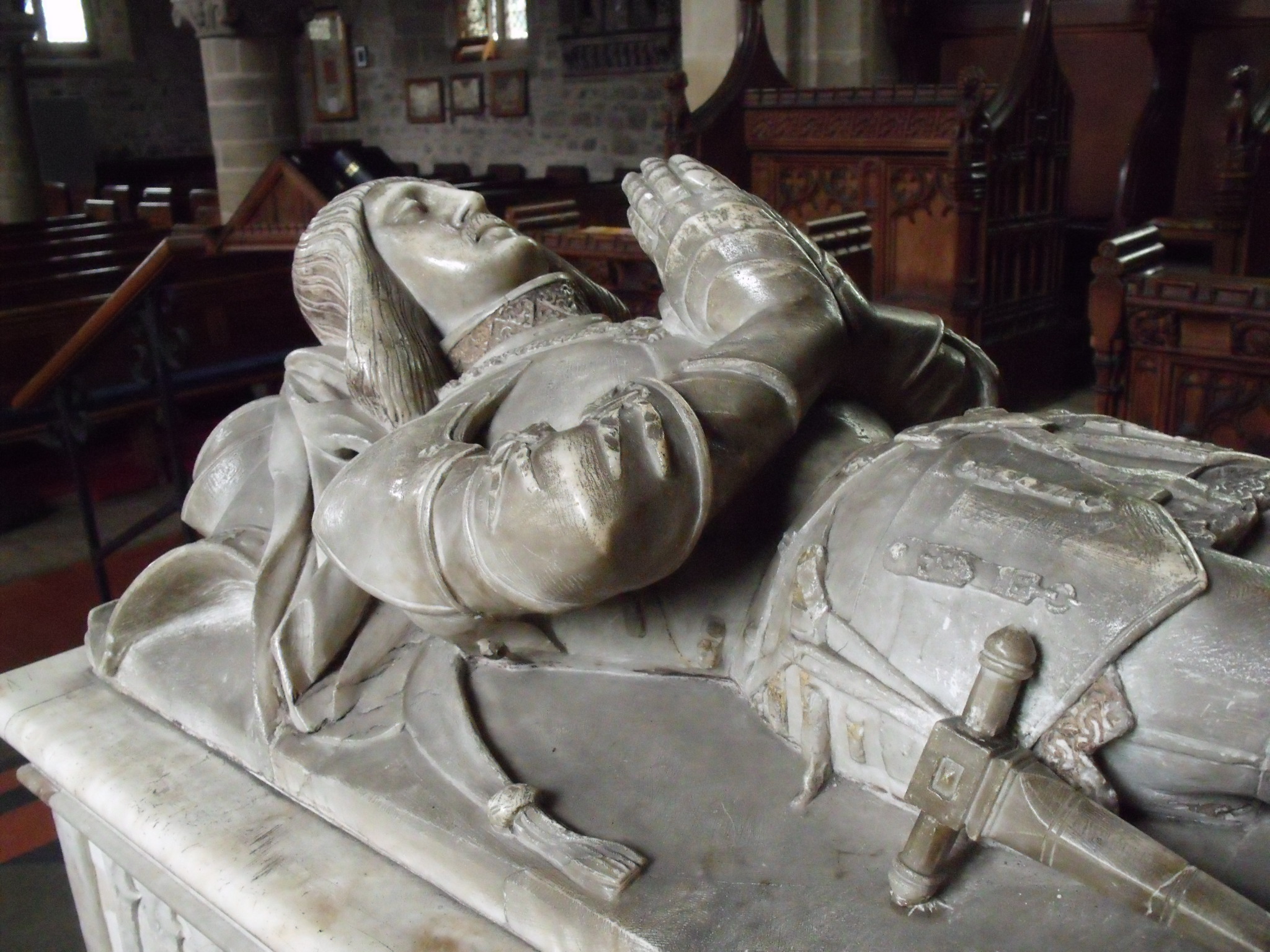 There is a WW1 display, as many churches have at the moment.
Prayer requests can be left in a book. I rate All Saints as OK for the purposes of this study.
All Saints, Ashford in the Water

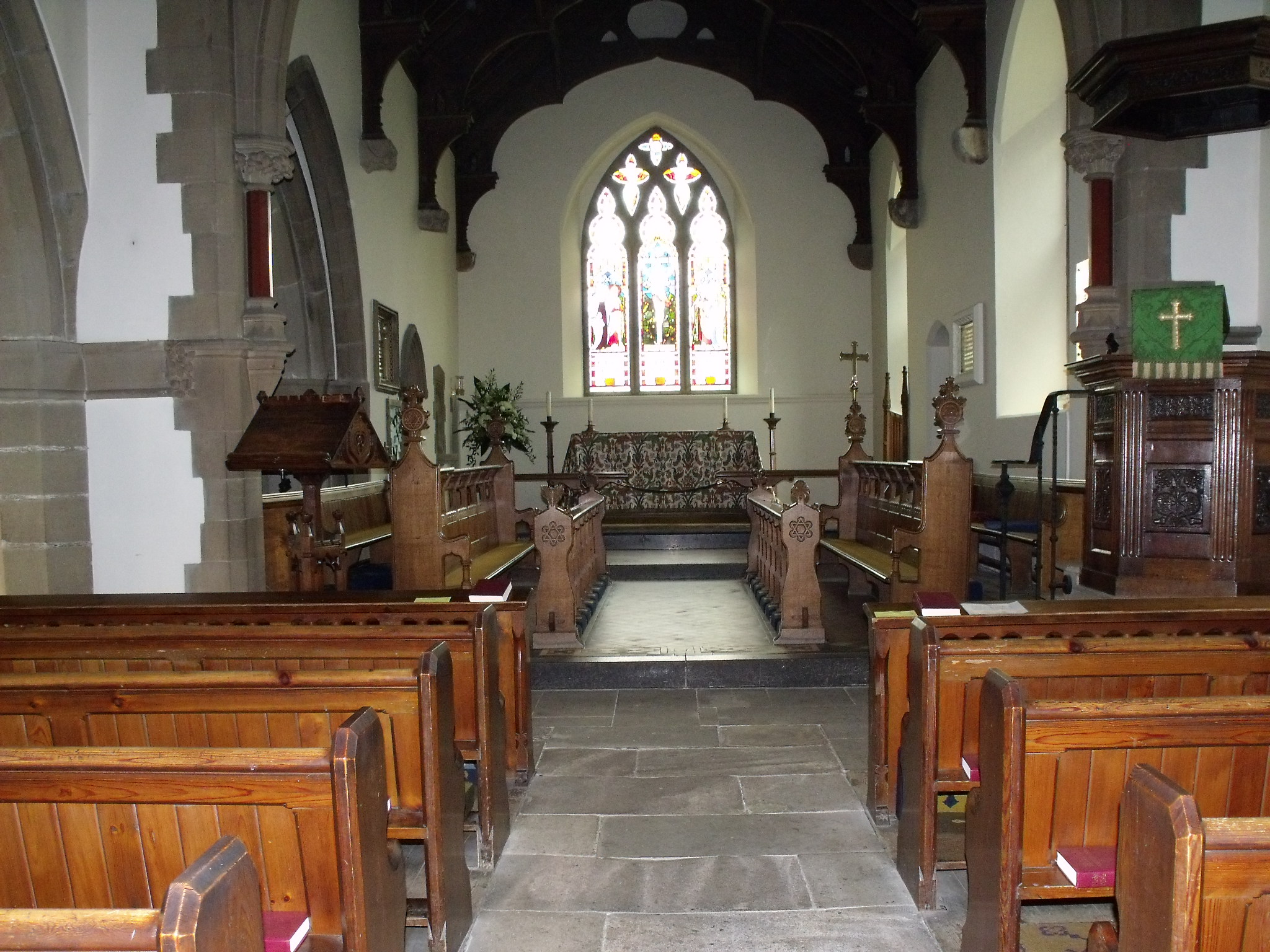
After the crowds and bustle of Bakewell it was good to escape to the tranquillity of Ashford in the Water and the lovely All Saints. The signboard only shows Sunday services but the church is open. Inside, I found cards and pens, bookmarks and prayer cards for sale. A guide and a Christian Faith leaflet as well. Everything is well polished again! For children there are packs of crayons and a Bessecarr guide to the church and village.
There was an open Bible and the burial records are on show. Prayer is covered by a ‘To help you pray’ leaflet and a place for prayer requests. There folders on the monuments, burial records and on the WW1 and WW2 dead.
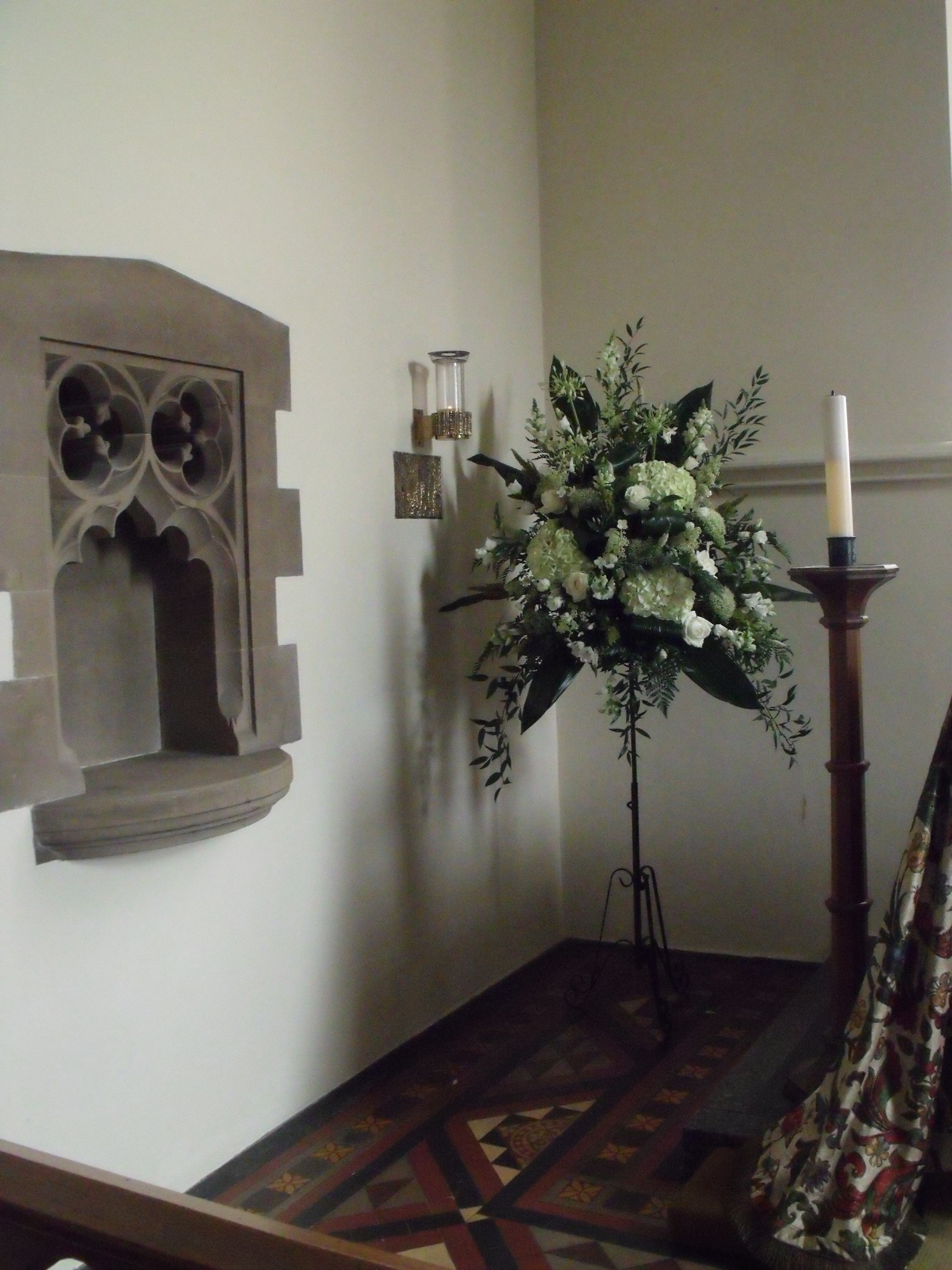 One thing that is very unusual here are the ‘Virgin Crants’. http://www.mandypattullo.co.uk/remember-me.html has this-
‘Maidens’ Garlands are a funerary memento for the death of a young chaste woman. They are also known as Virgin’s Crowns or Crants. The word Crant derives from the German “ kranz”, meaning wreath, garland or chaplet. The custom of hanging maidens’ garlands up in churches seems to have been common in the seventeenth, eighteenth and into the nineteenth centuries. It is even mentioned in William Shakespeare’s Hamlet where at the burial of Ophelia
“…. She is allowed her virgin crants, her maiden strewments”.
They were usually made on to a wicker work frame and appeared to be similar to, and reference, floral bridal wreaths. They could be decorated with gold and silver filigree work , blown birds’ eggs , shells and with ribbons, silk and paper flowers and rosettes.. Sometimes the flowers were made from paper which might be folded and crimped and then painted. In some places circular white parchment flowers are painted with black crosses. There was usually a centre piece made from paper such as a collar or handkerchief or a glove. Sometimes there is text present – an epitaph which might have been chosen by the maiden herself.
The garlands were carried before the corpses of young unmarried women at their funerals or placed on the top of the coffin. By the 17th century it was customary for the garland to be hung over the dead girl’s pew or in the chancel of the church till it disintergrated. The paper gloves which are commonly incorporated into the design of the garland are thought to represent the metaphorical gauntlet ready to be thrown down to defend the dead girl’s honour should anyone dare to question her reputation or virginity.’
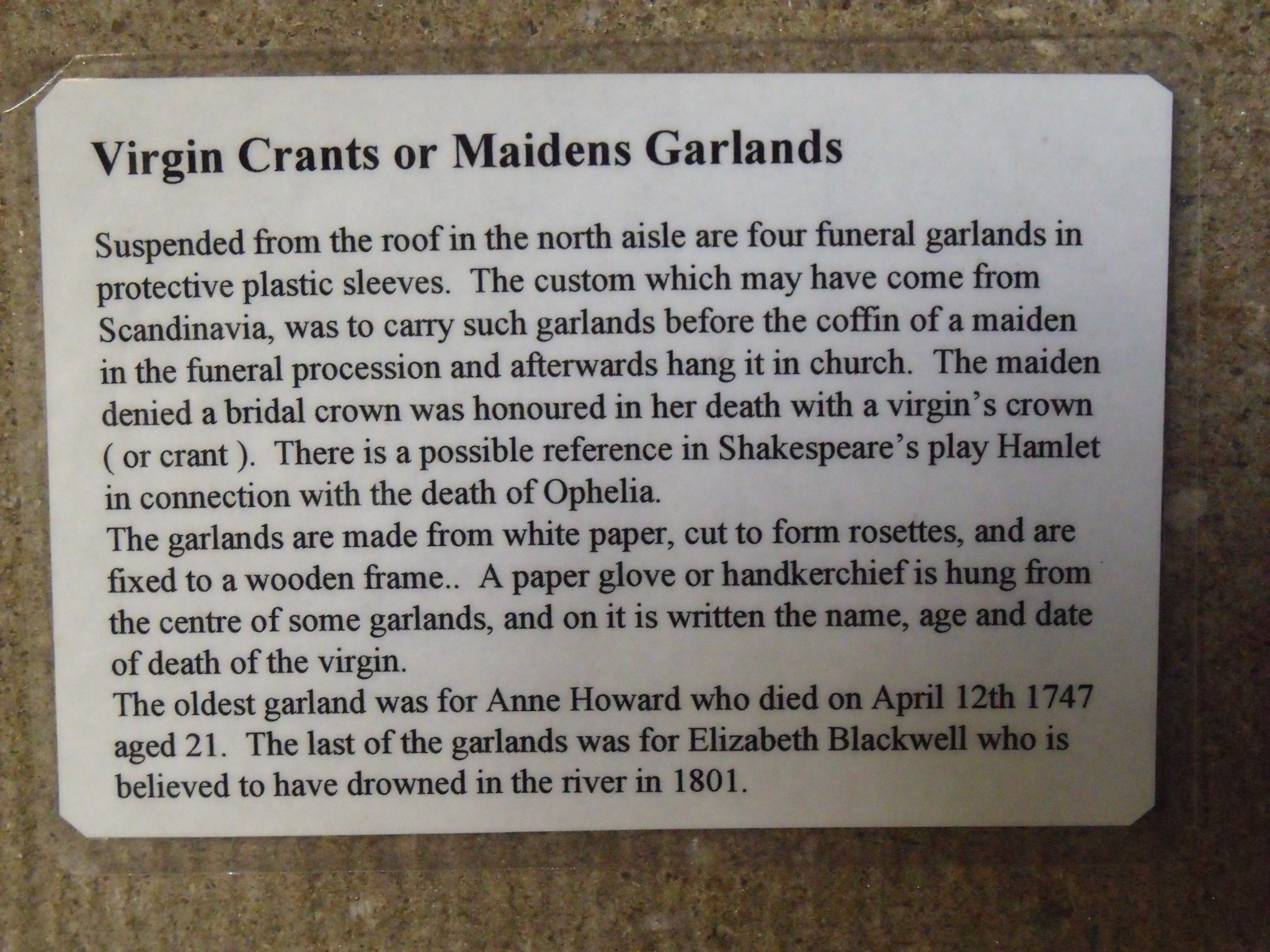
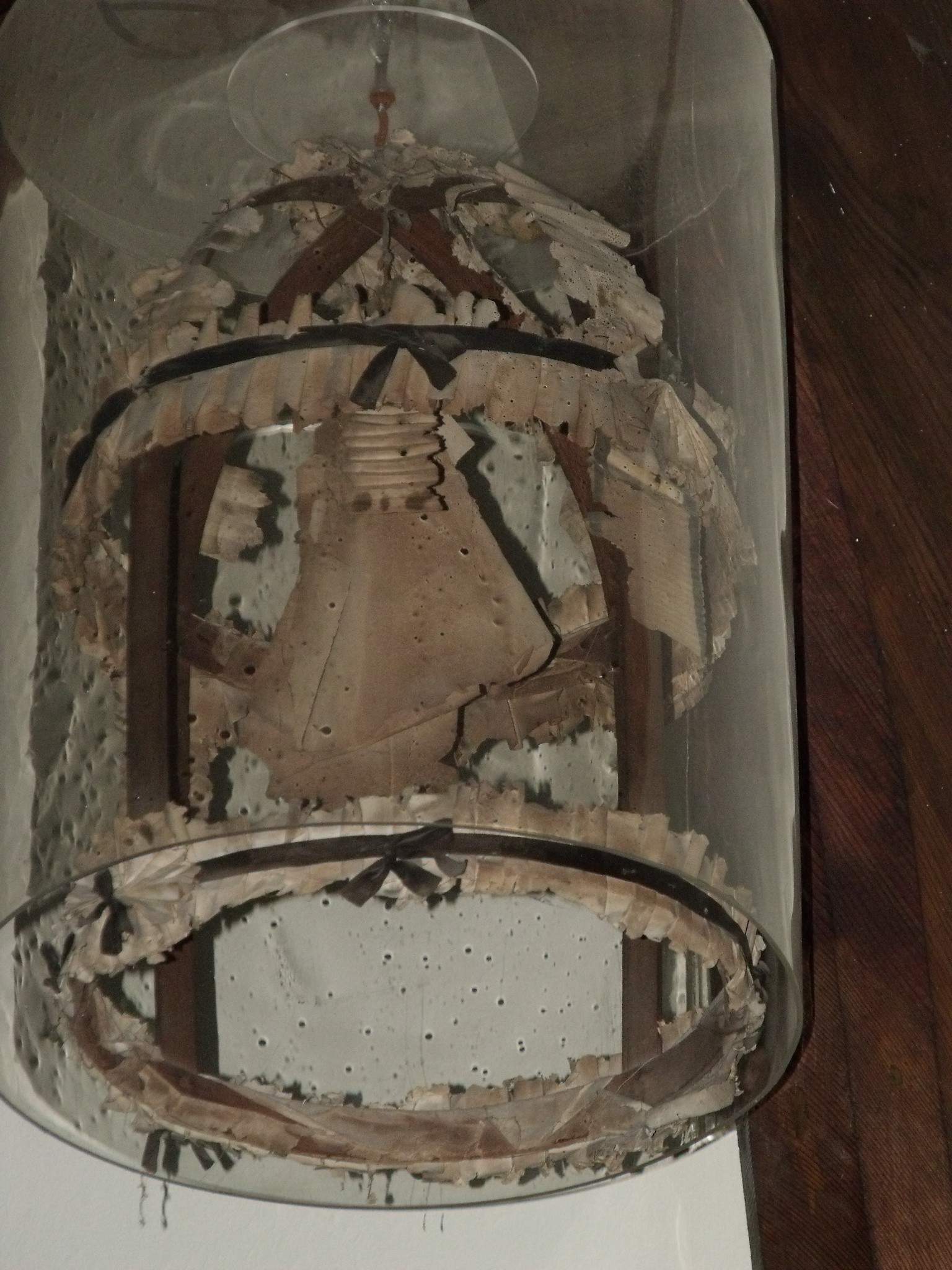
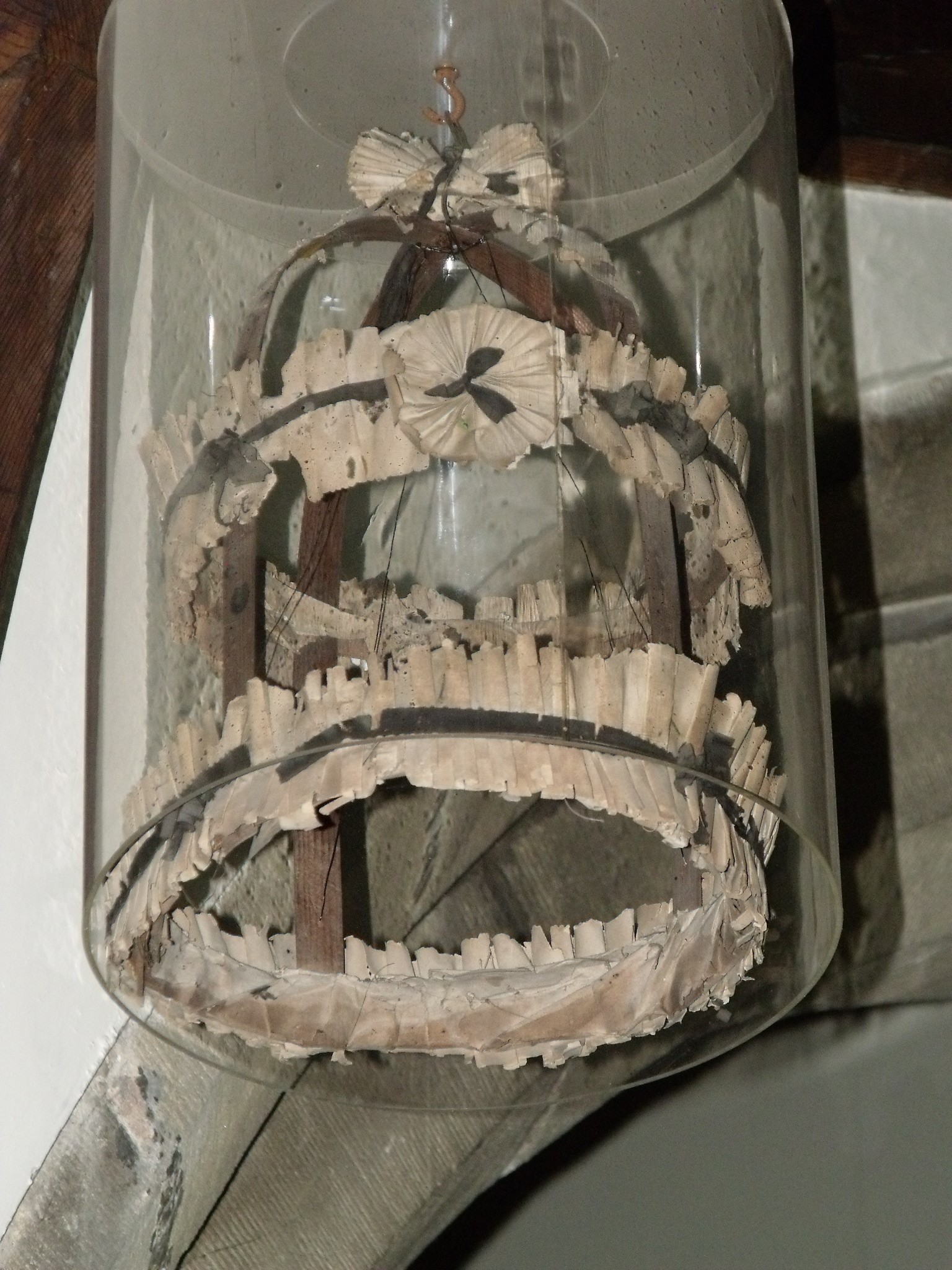
They are a moving site and not that easy to photograph successfully.
I rate All Saints as very good – a lot of effort has gone into providing for and welcoming visitors.
All Saints, Bakewell
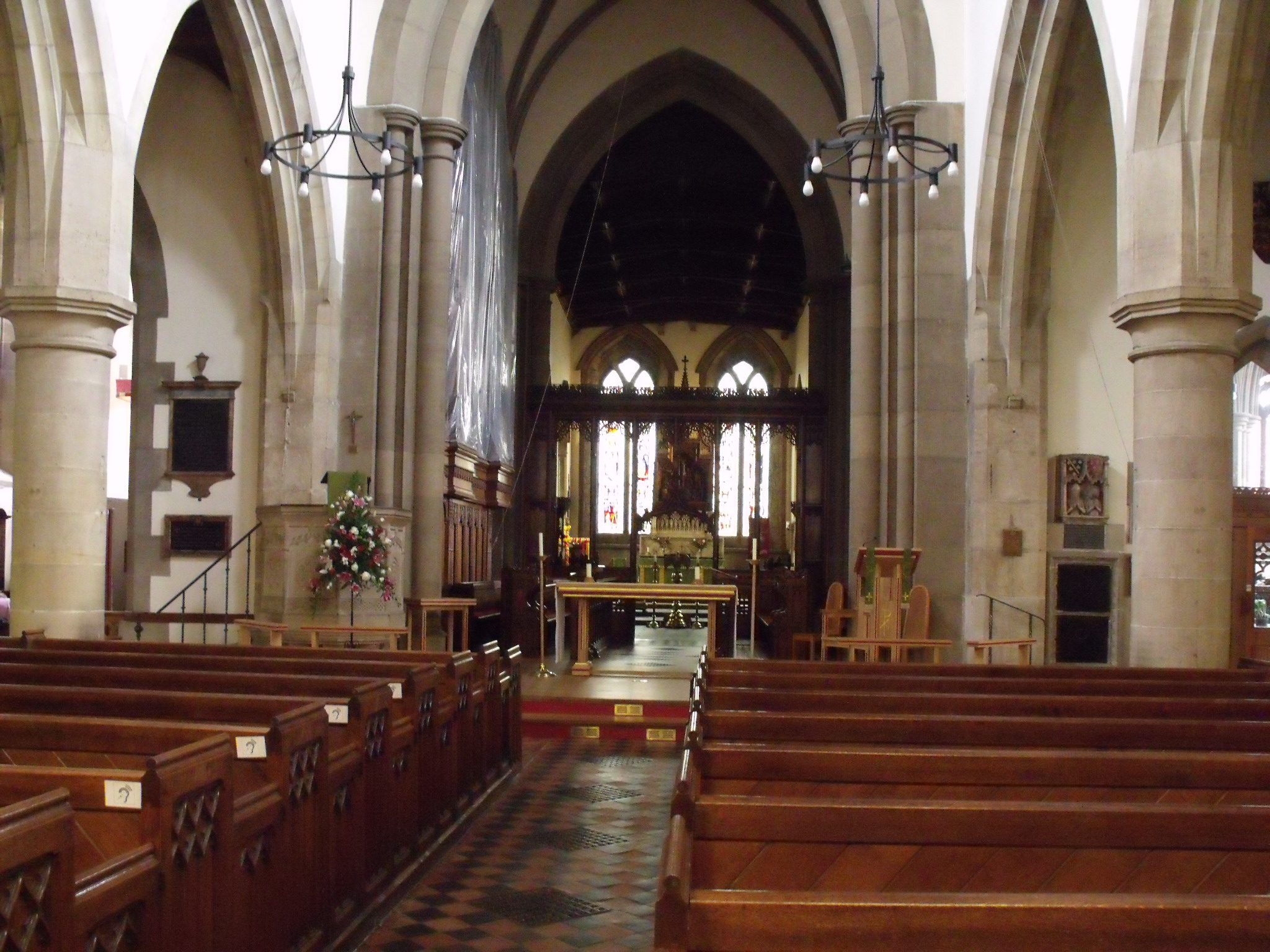
 Bakewell was heaving with visitors the day I went. It was pretty uncomfortable. But All Saints is a haven of peace and prayerfulness high above the town. It is quite a walk up the hill but well worth it. There is a clear welcome for visitors and is open every day.
 There is also much to see in this church from remnants of old stone work to pictures of baptism families (‘Rogues Gallery’!). This is both a living parish church and a visitor attraction and both seem to be carried out very well.
There is a simple 20p guide as well as a more extensive guide book. This seems a good idea as many visitors will buy the cheaper one and those who are really interested the dearer one. There are post cards to buy, books, cards a welcome leaflet (which is very well done) and a children’s quiz sheet ‘Monty Mouses Quiz Sheet and Trail’. This looked good also and it is so rare to find something aimed at younger visitors. I would have liked to have taken a copy but there was only one left…. Also several of the Gospel Imprint leaflets are available. Books are also available. Only 87 people had signed the visitors book in July but multiply that by 10 or more and that is a substantial number of people coming through the door of All Saints.
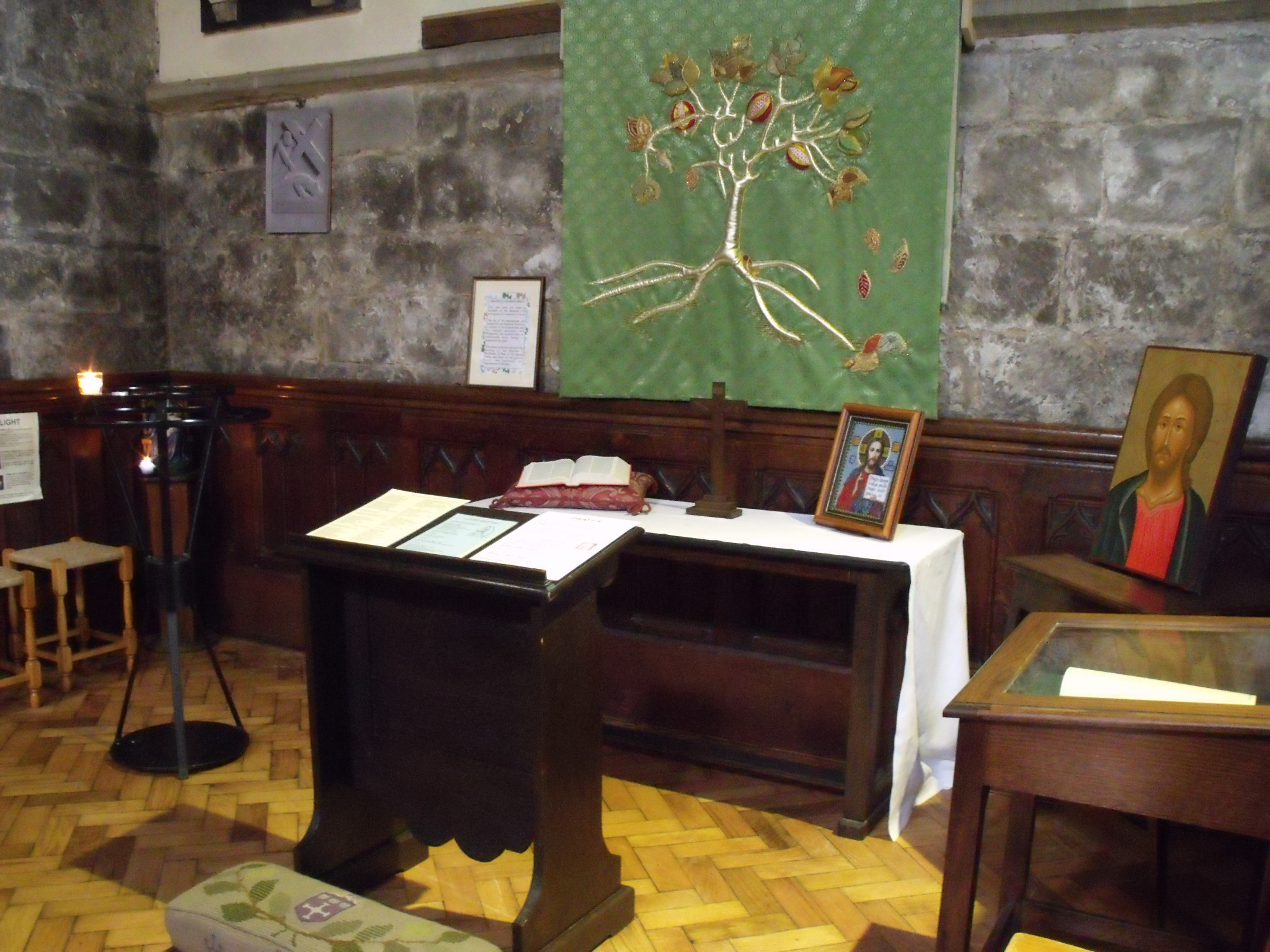


There is lots of history on display and interpretation of the artifacts and building to guide the casual visitor. The prayer corner is very good with the opportunity to leave prayers on a board, light a candle and suggestions on how and what to pray. Also pictures of people – church people and projects that this church supports. It all gives the visitor that here is a place which is not just a historic building but is a living, worshipping community which has a concern for others. Another ‘Breeches Bible ‘ is on show as well. A coffee shop is run in the church on Thurs, Friday & Saturday.
The church website is at http://www.bakewellchurch.co.uk/index.html but doesn’t give any visitor information. I rate All Saints as excellent for this study – well worth a look.
St. Martin’s, Stoney Middleton
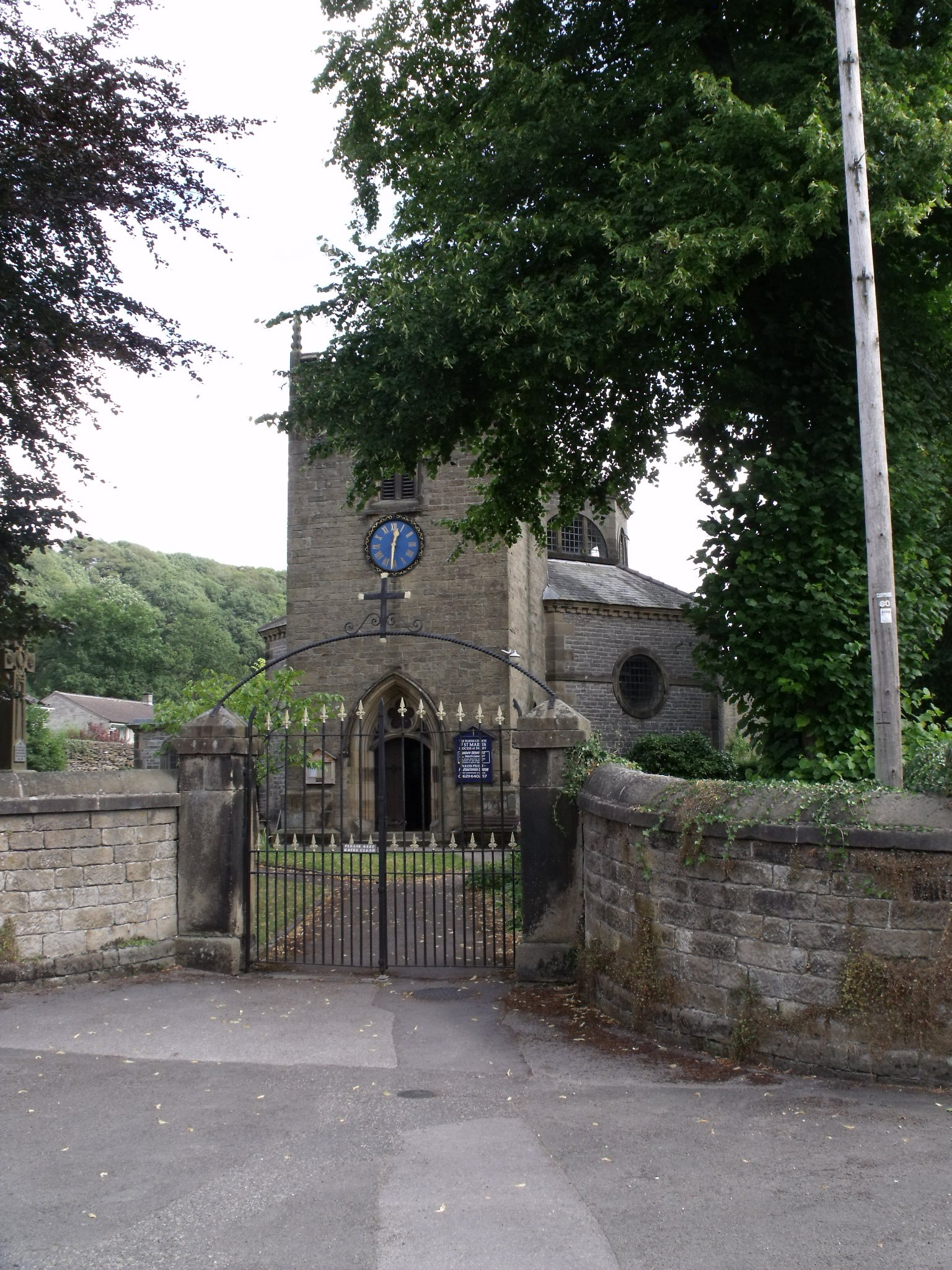 A very surprising church is this pretty village. From the west all looks pretty normal but step inside and the visitor is transported into a different world. It was originally built as a well chapel and the Parliamentary Commissions declared in 1650 that it was a ‘parochial chapel thought fitt (sic)to be made a parish church.’ In 1757 a fire destroyed the nave and two years later an octagonal nave was built.
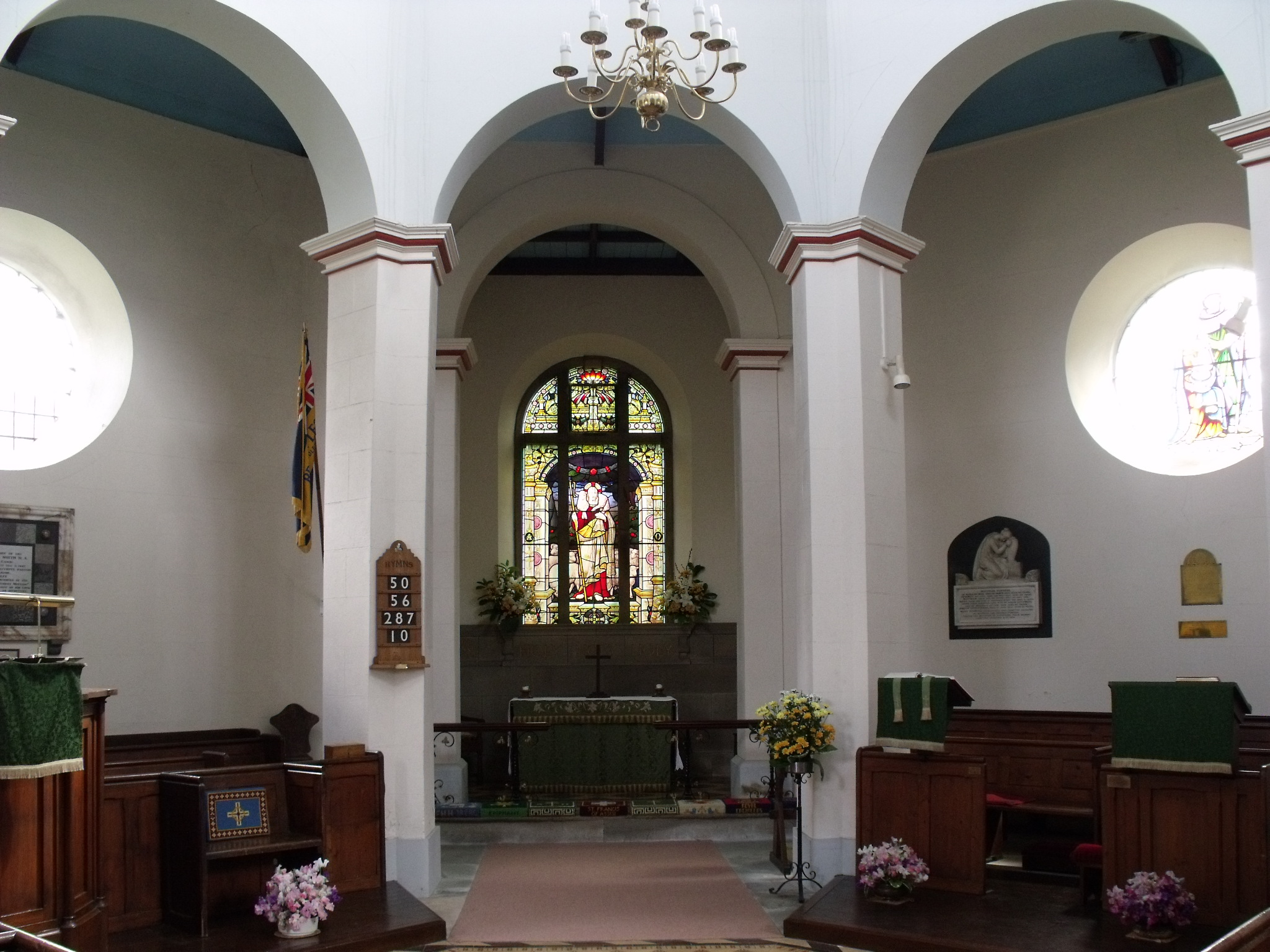
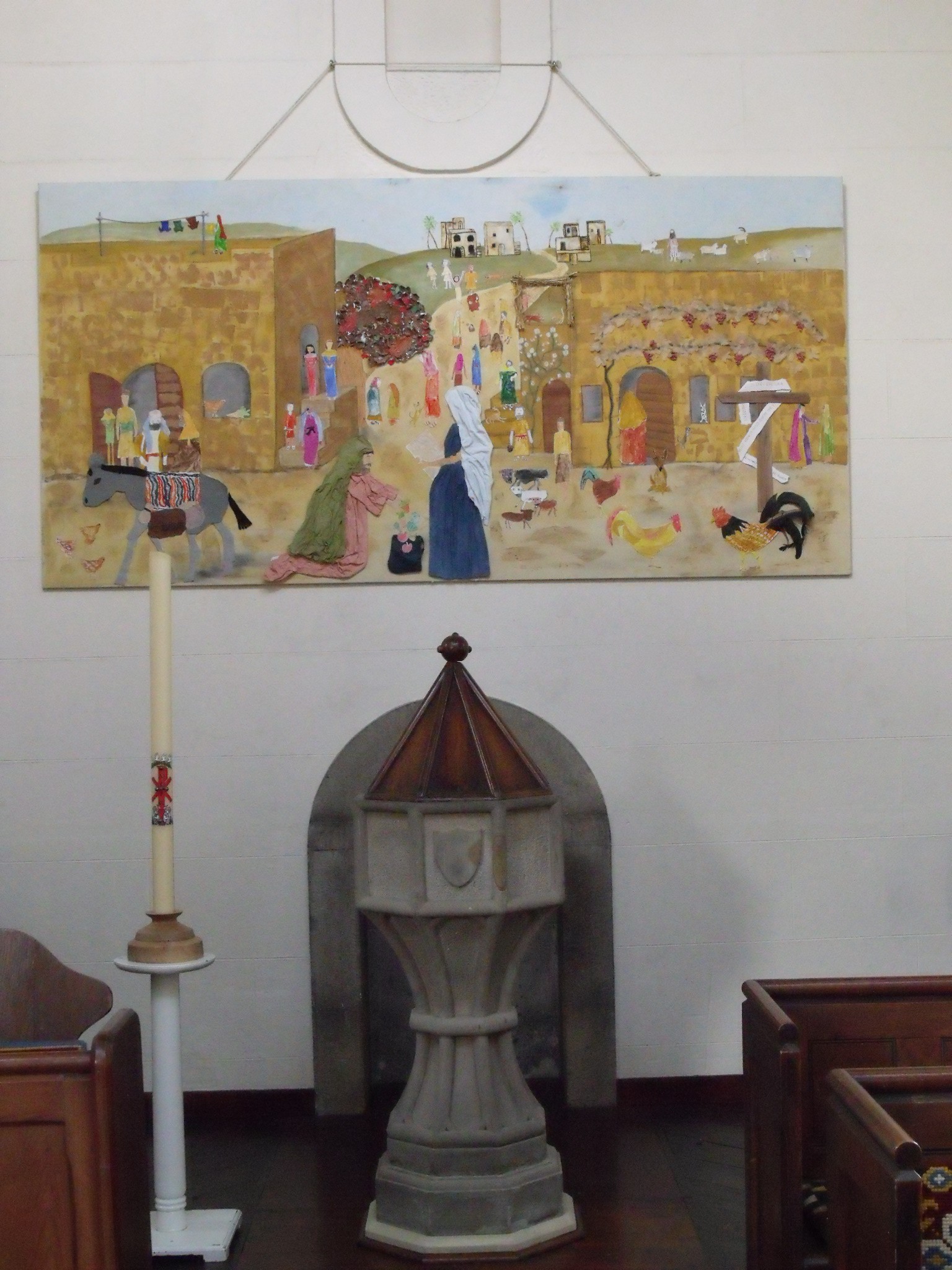 This gives St. Martin’s an intimate feel and it must be a good place to worship in. There are post cards for sale and a guide book. Above the font is a wonderful picture, presumably made by children. A lectionary was left open and this really does feel like a church which is prayed in. A man came in and told me something of the history of the church. He spoke with pride of this place and justifiably so. It is a lovely little church and so out of the ordinary.
It would be good if there was somewhere to leave prayer requests, especially as this is a church which receives a fair number of visitors – some 59 had signed the visitors book in July. There will be many more than that as only a small percentage ever enter their names. Also a votive stand would do well here and would suit the churchmanship of the church. Something about the Christian faith would be good to – the Gospel Imprint leaflets would be good here (http://www.gospelimprint.com/) these are free to download and look nice if printed on coloured stiff paper.
All in all, I like St. Martin’s very much – go and have a look and see if you agree. It is one of the nicest churches in Derbyshire. I rate it as OK for this study but it wouldn’t take much to make it very good.
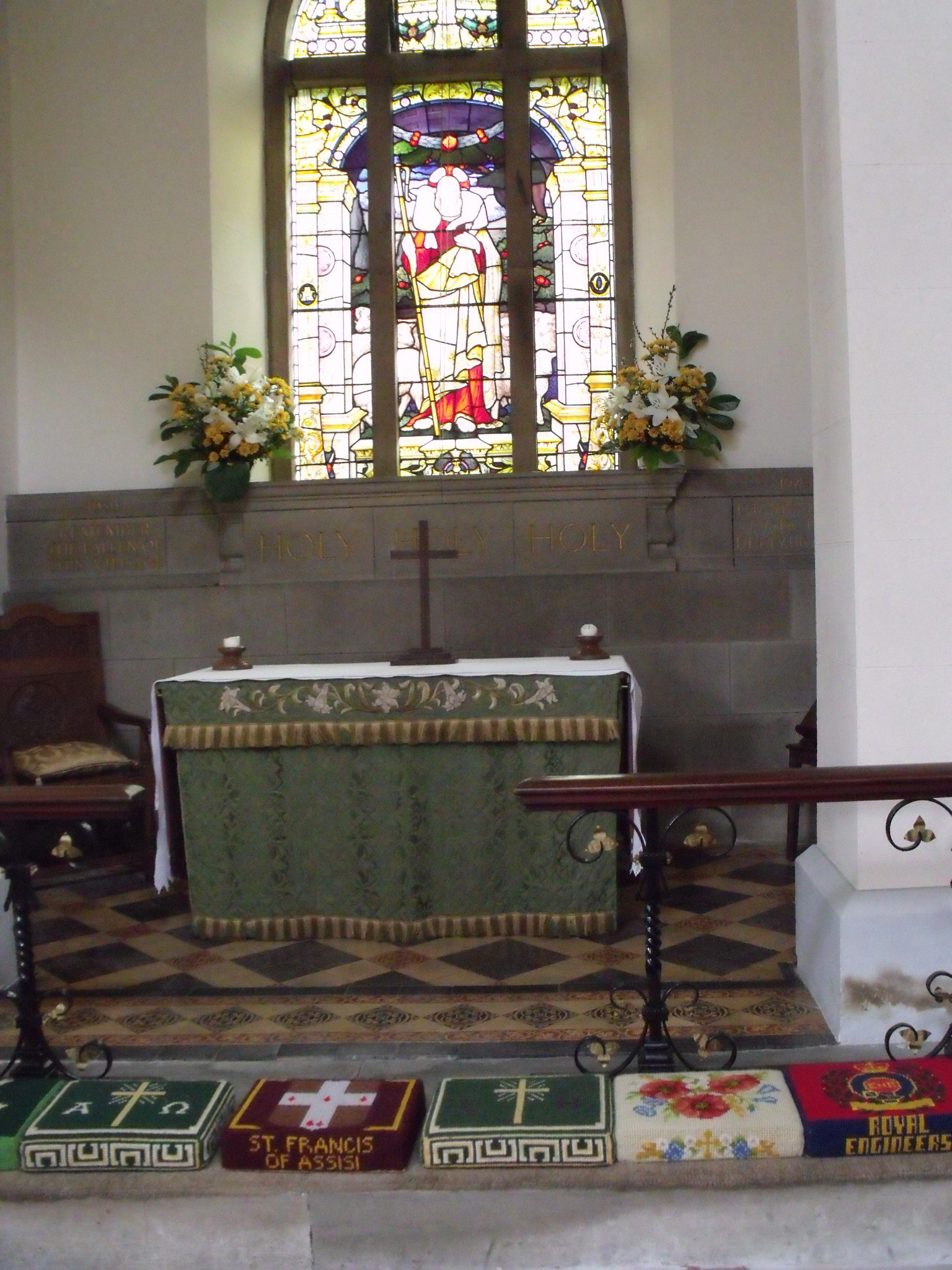
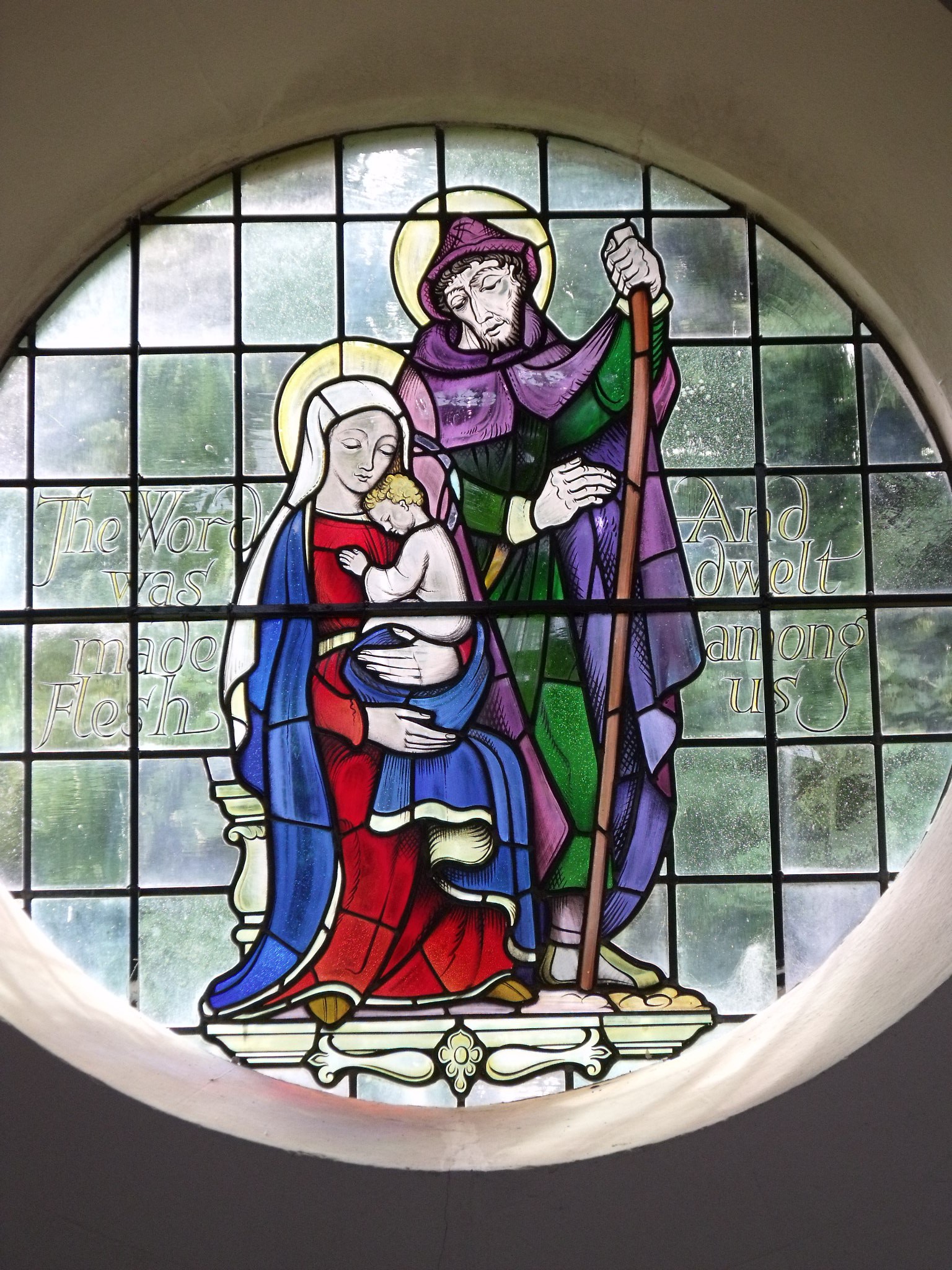
All Saints, Curbar
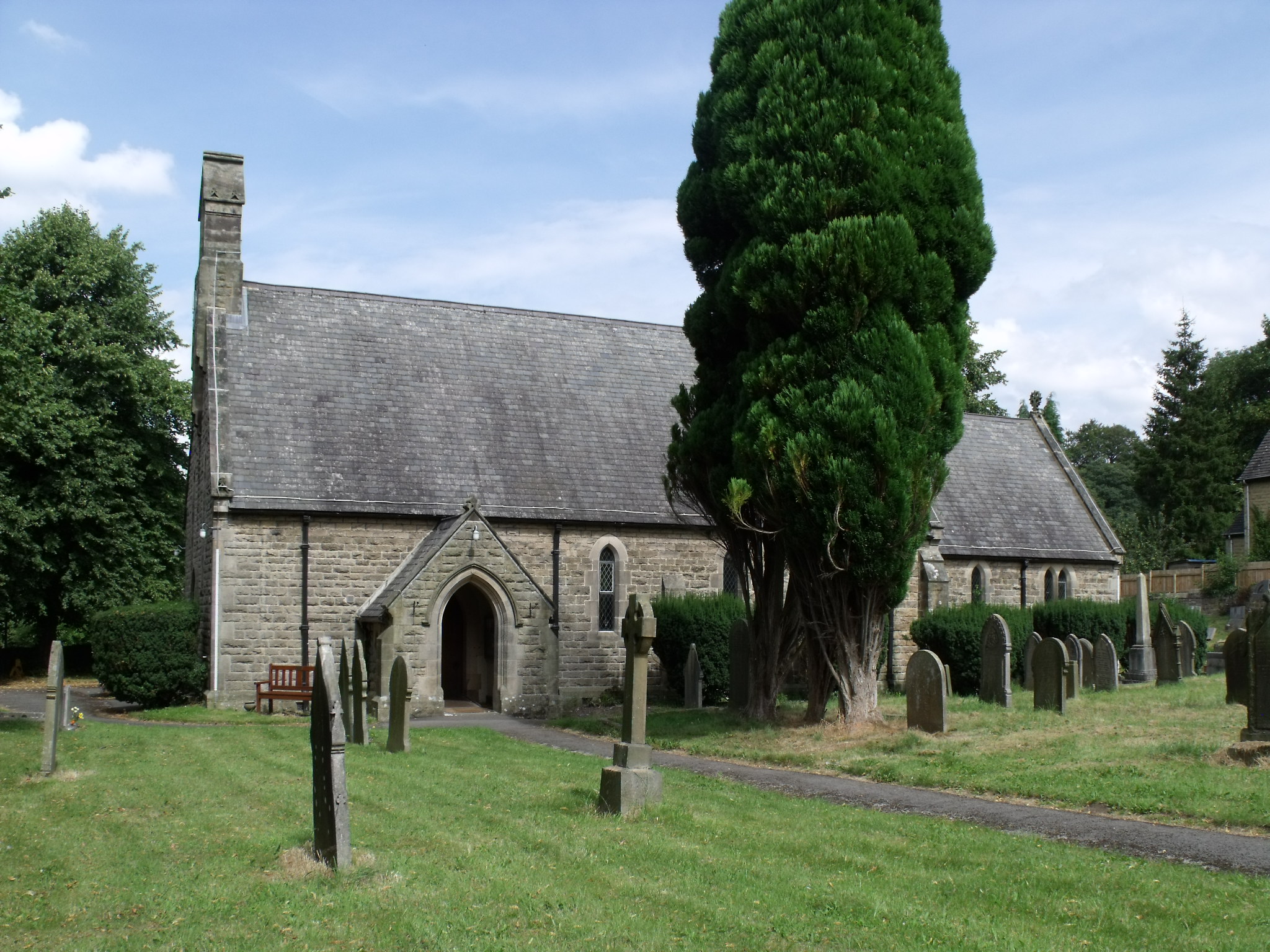 Another simple church in a large graveyard. It was built in 1868 and is open every day. The sign outside doesn’t say so though. This is quite a surprising church inside. There is a mix of old and new furnishings. Only 2 entries in the visitors book in July. There is no guide but there are some Gospel Imprint leaflets, ‘Living the Eucharist’, post cards and I Pray booklets. A prayer book is available to enter requests into.

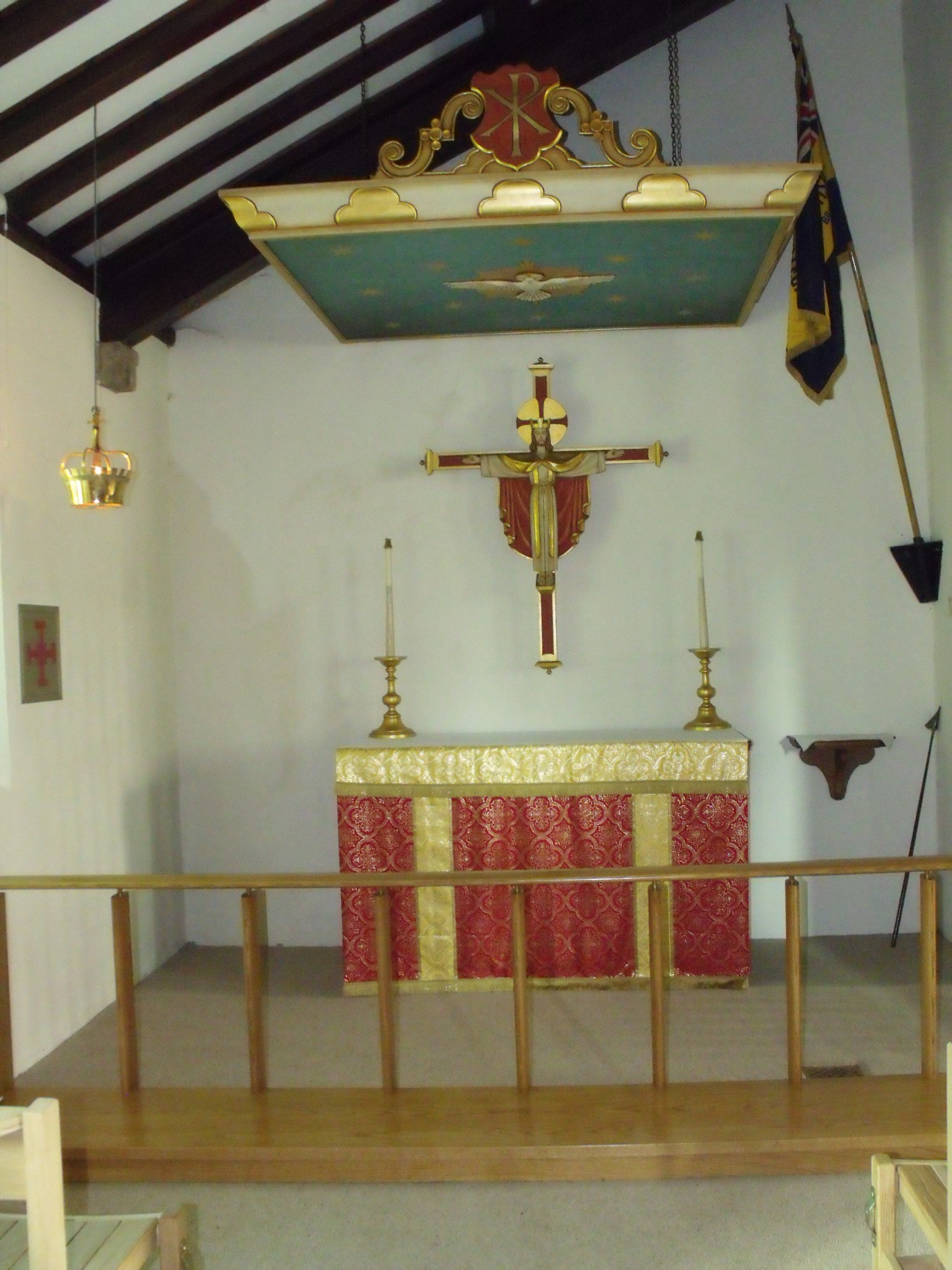
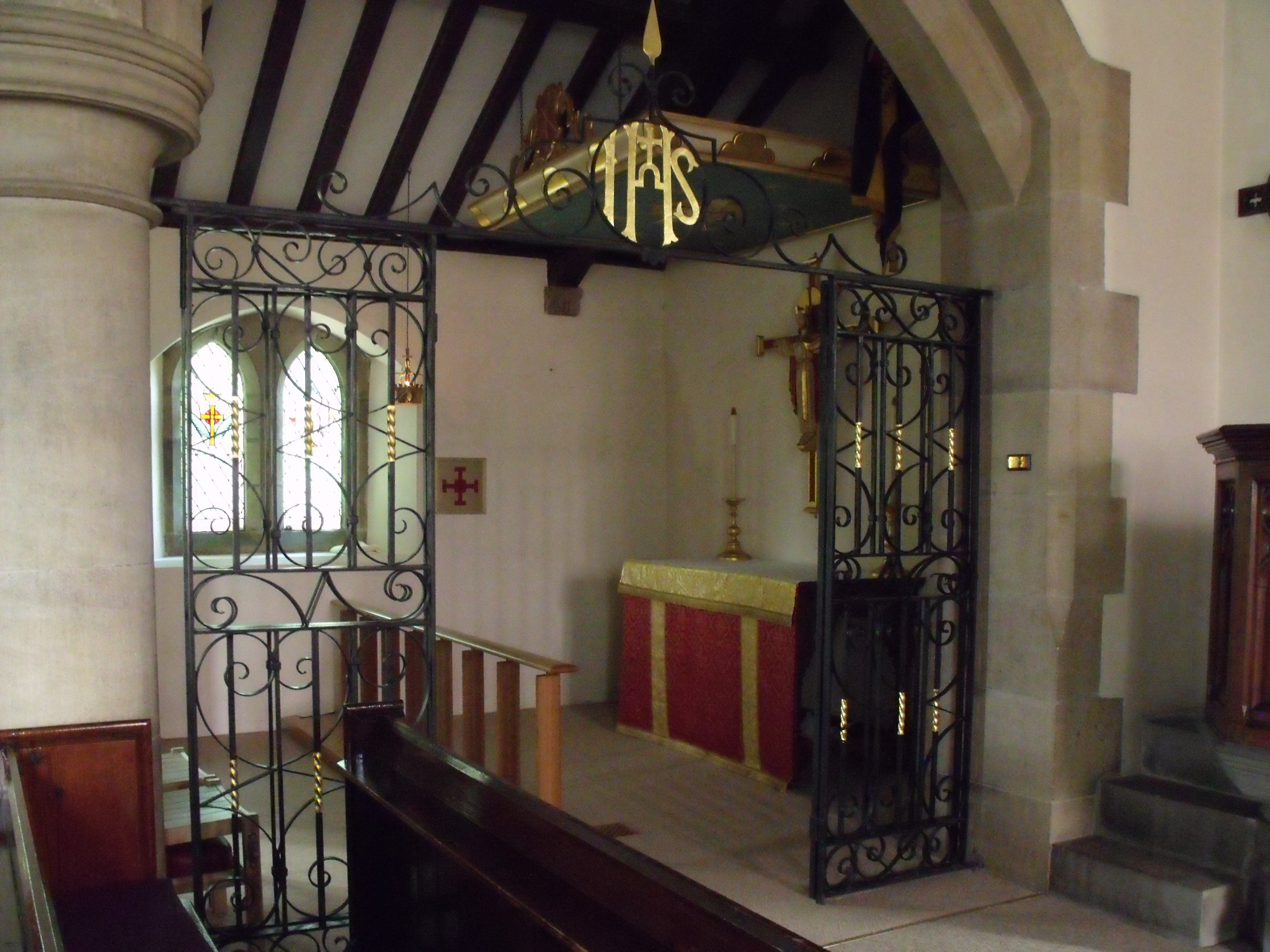
There is a delightful side chapel here. I rate All Saints as OK for this study but do have a look, you will not be disappointed it has a very prayerful atmosphere.
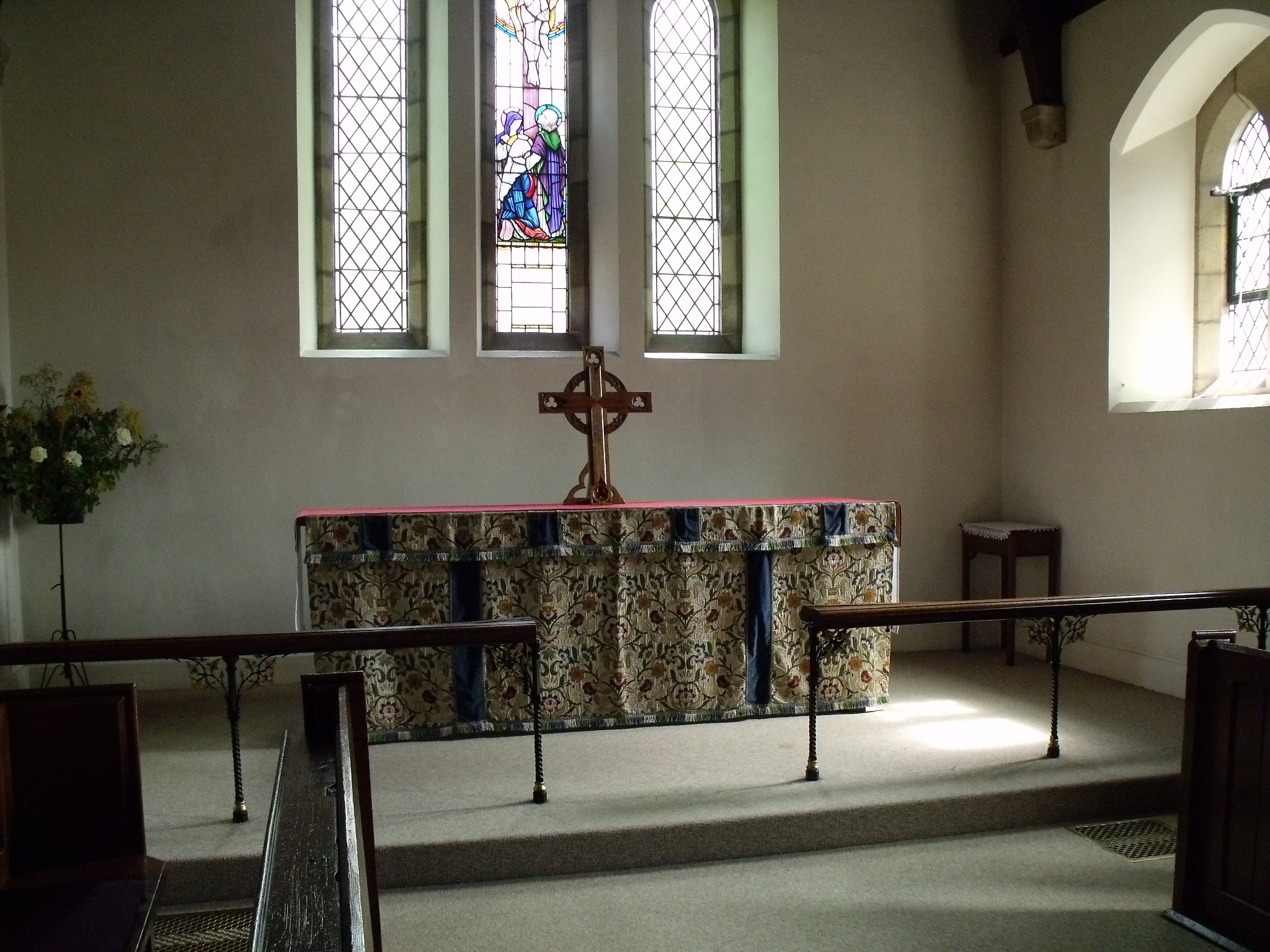
St. Anne’s, Baslow
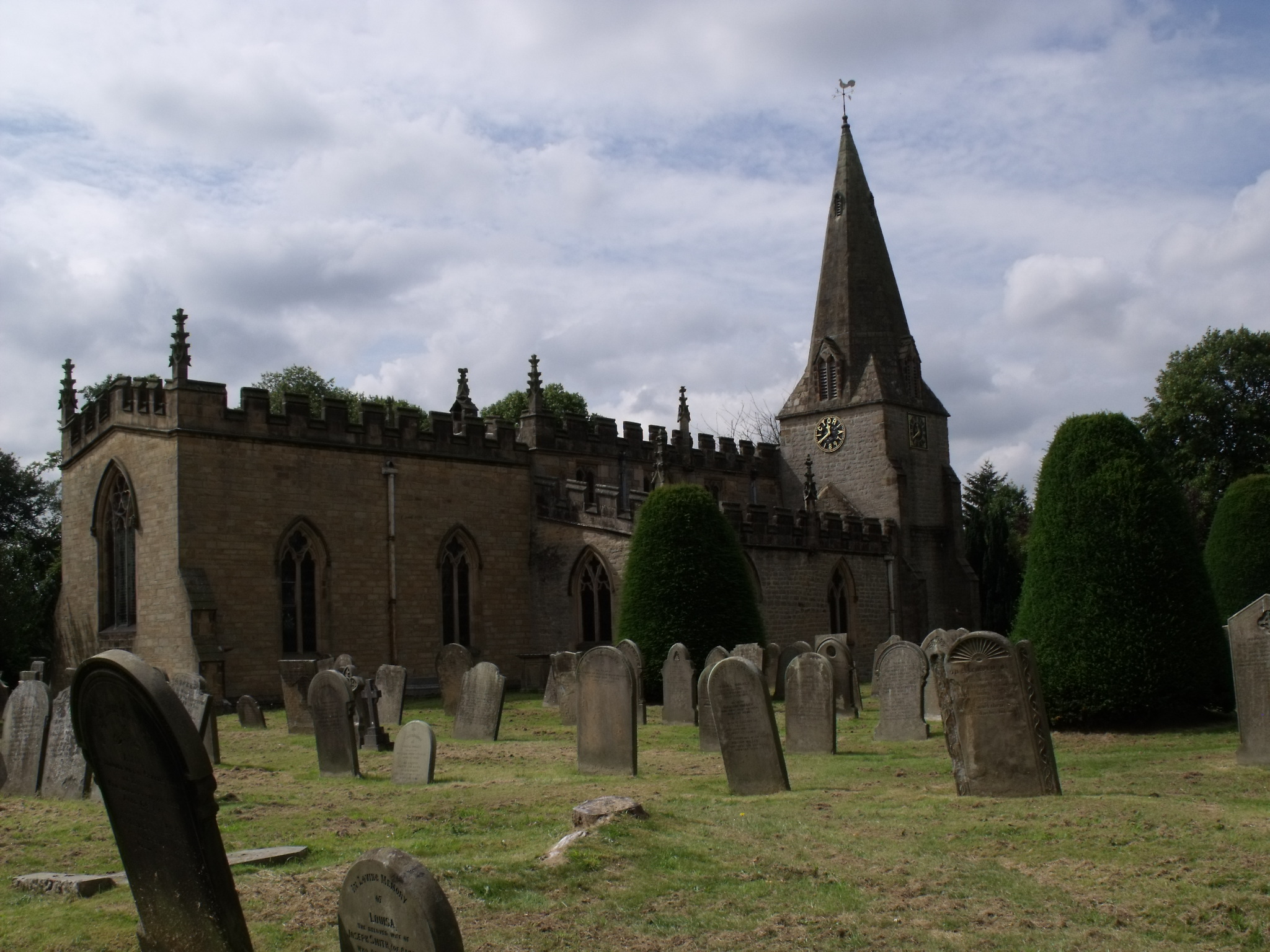 The sign outside this church just gives details of the services but does have a QR code on it which links to the website – http://www.stannesbaslow.org.uk This shows that much is happening here and it also gives a useful visitors guide.
Details of the bells are given in the porch. There are some ‘bats’ to carry around and folders for church history and the graveyard. Some Lord’s Prayer cards are available also. A prayer request book is on hand. A Bible was left open which is always good to see.
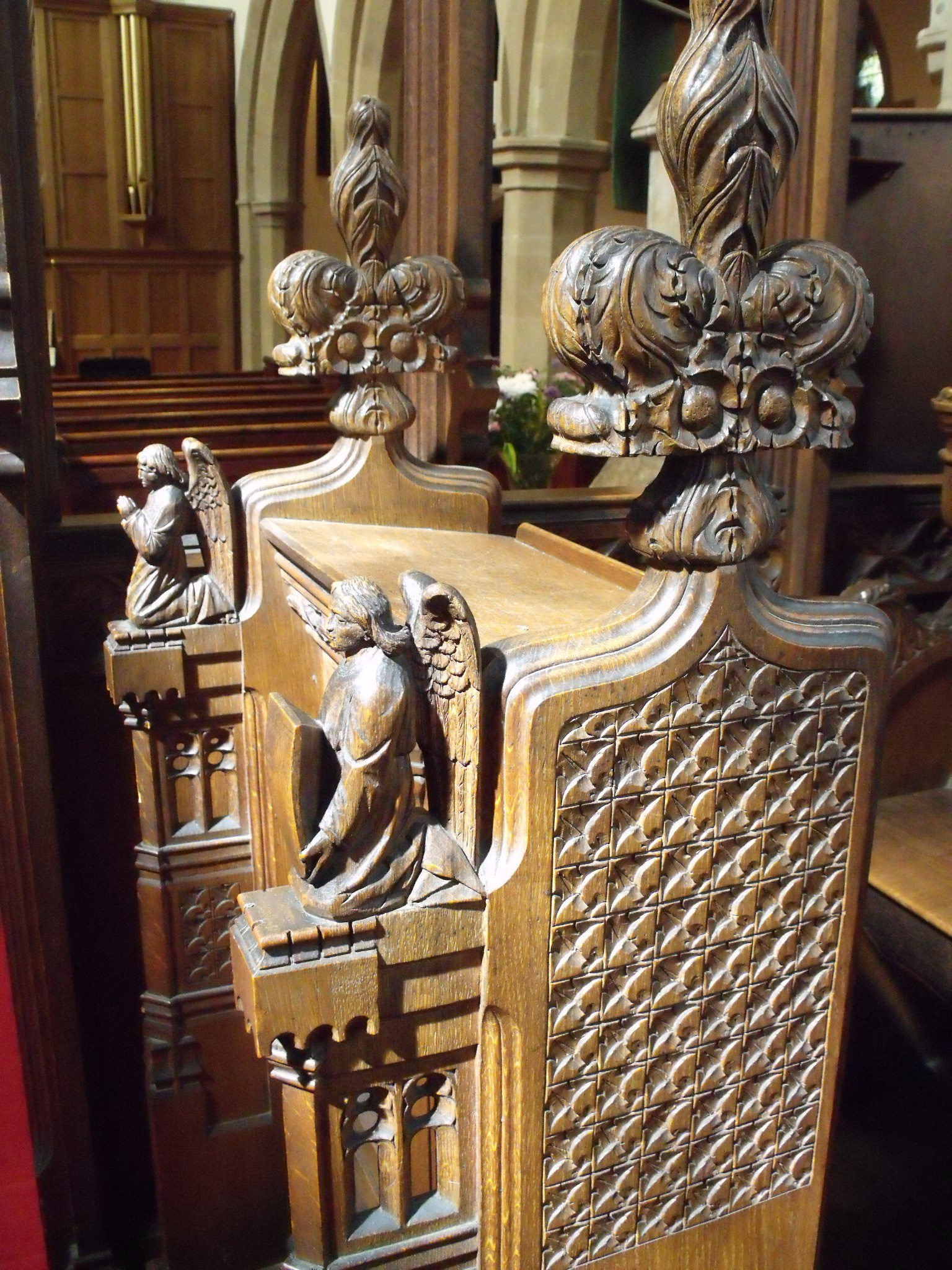
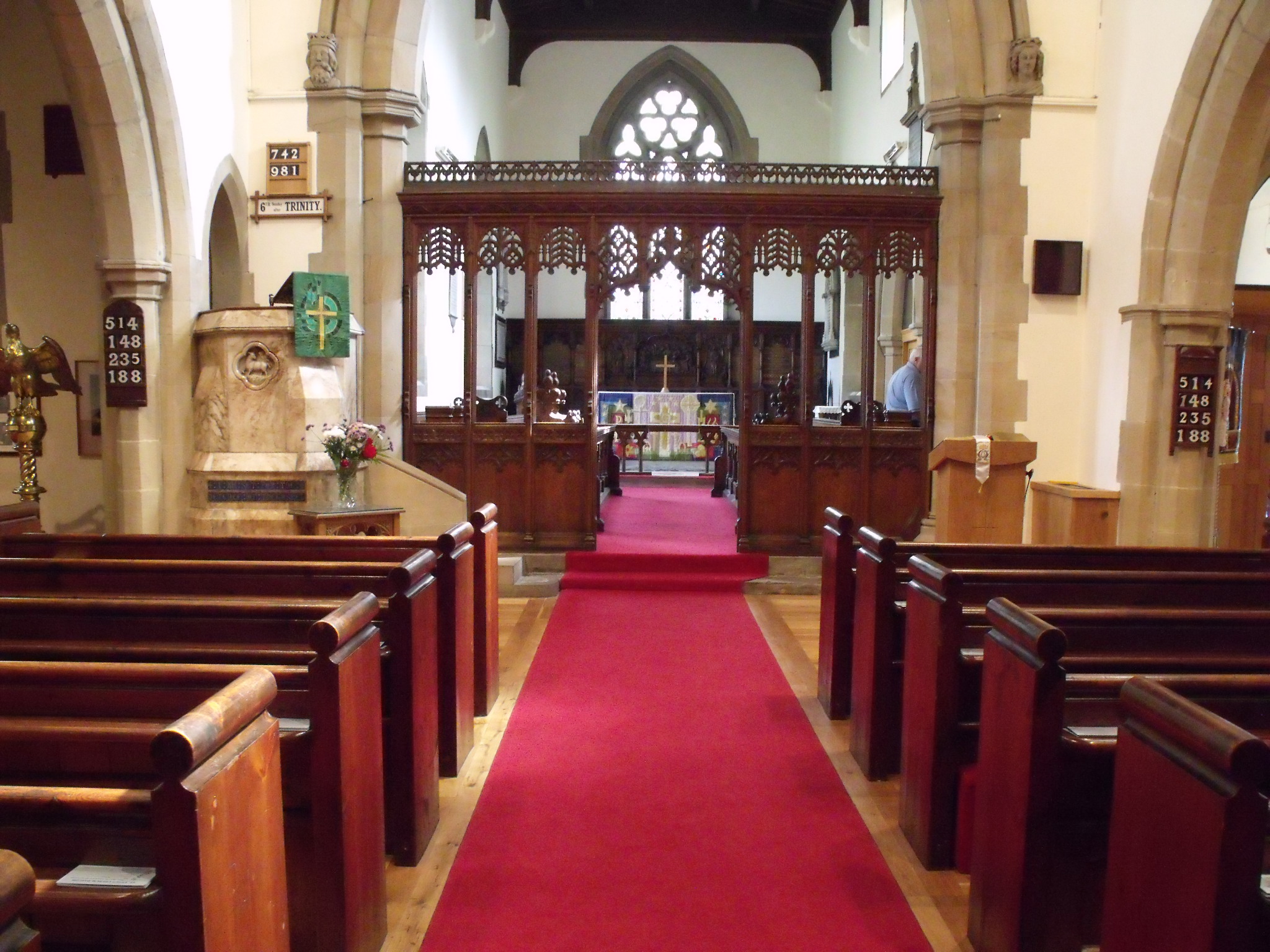 Again a very well cared for church – this has been very noticeable around Derbyshire. There are some fine wood carvings here also which repay careful study.
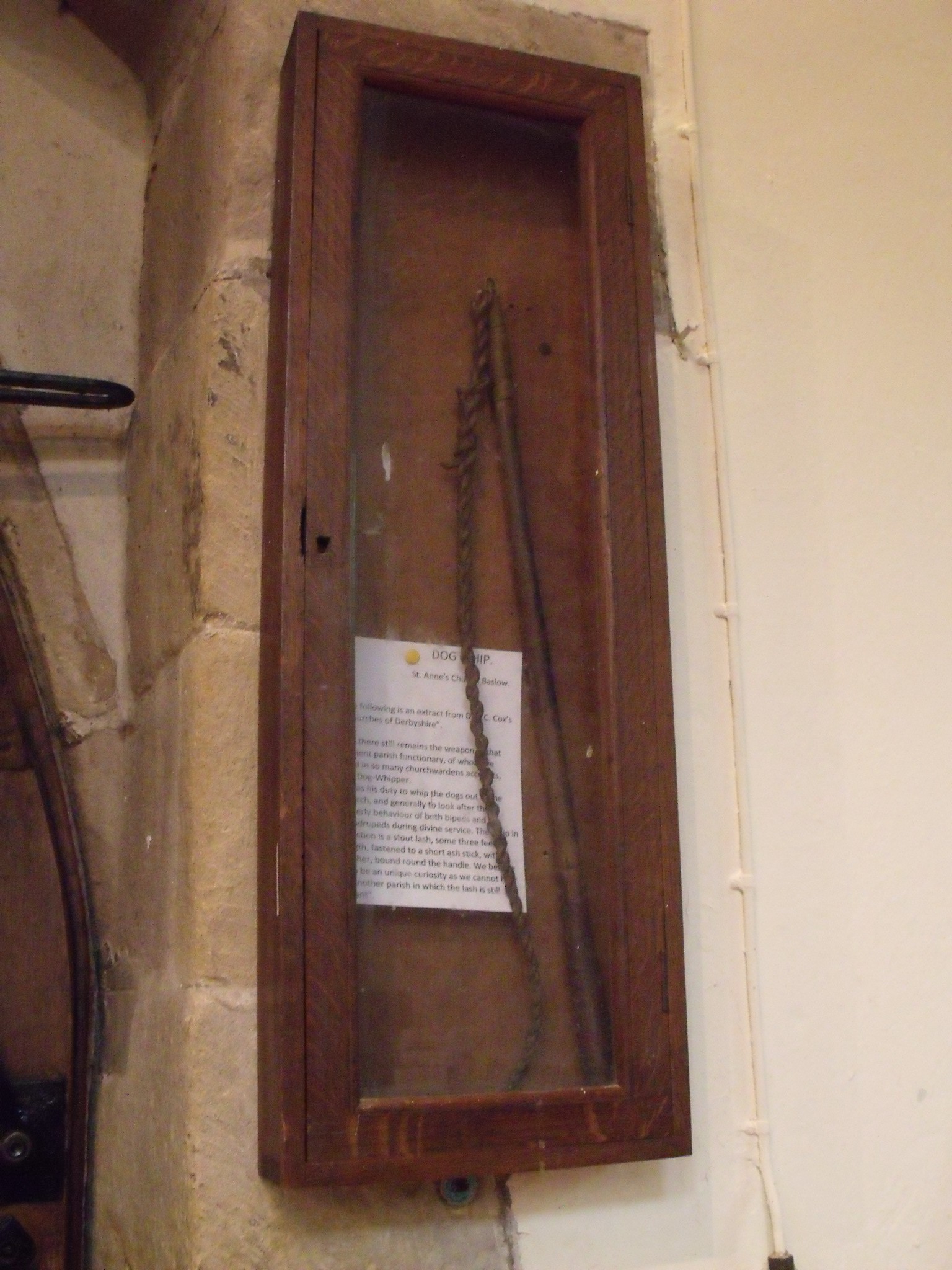 On the wall is preserved a very rare relic – a ‘Dog Whip’ this was to drive dogs out of church. 14 visitors in the book in July. I rate St. Anne’s as OK for the purposes of this study.
Our Lady & All Saints, Chesterfield
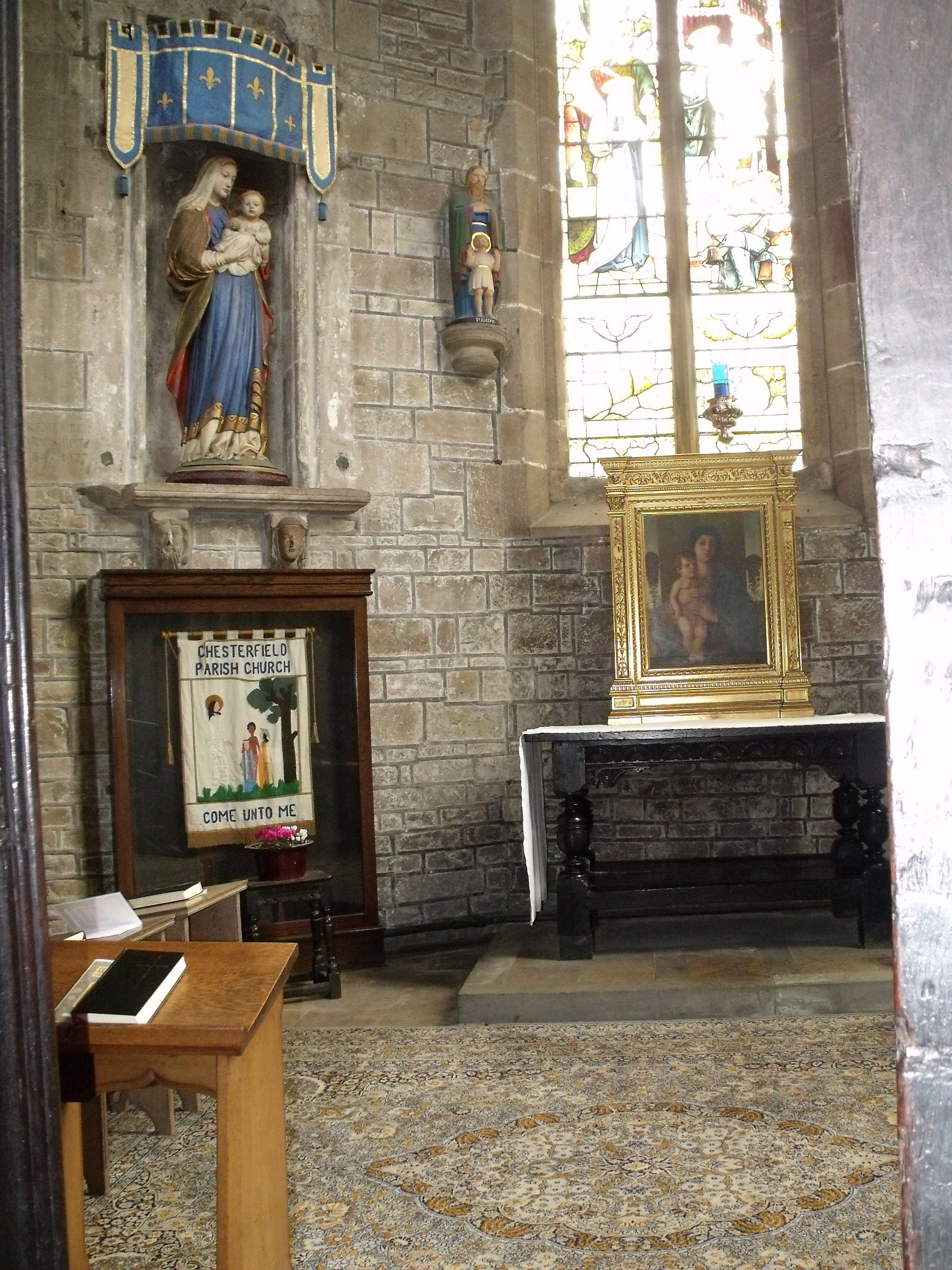
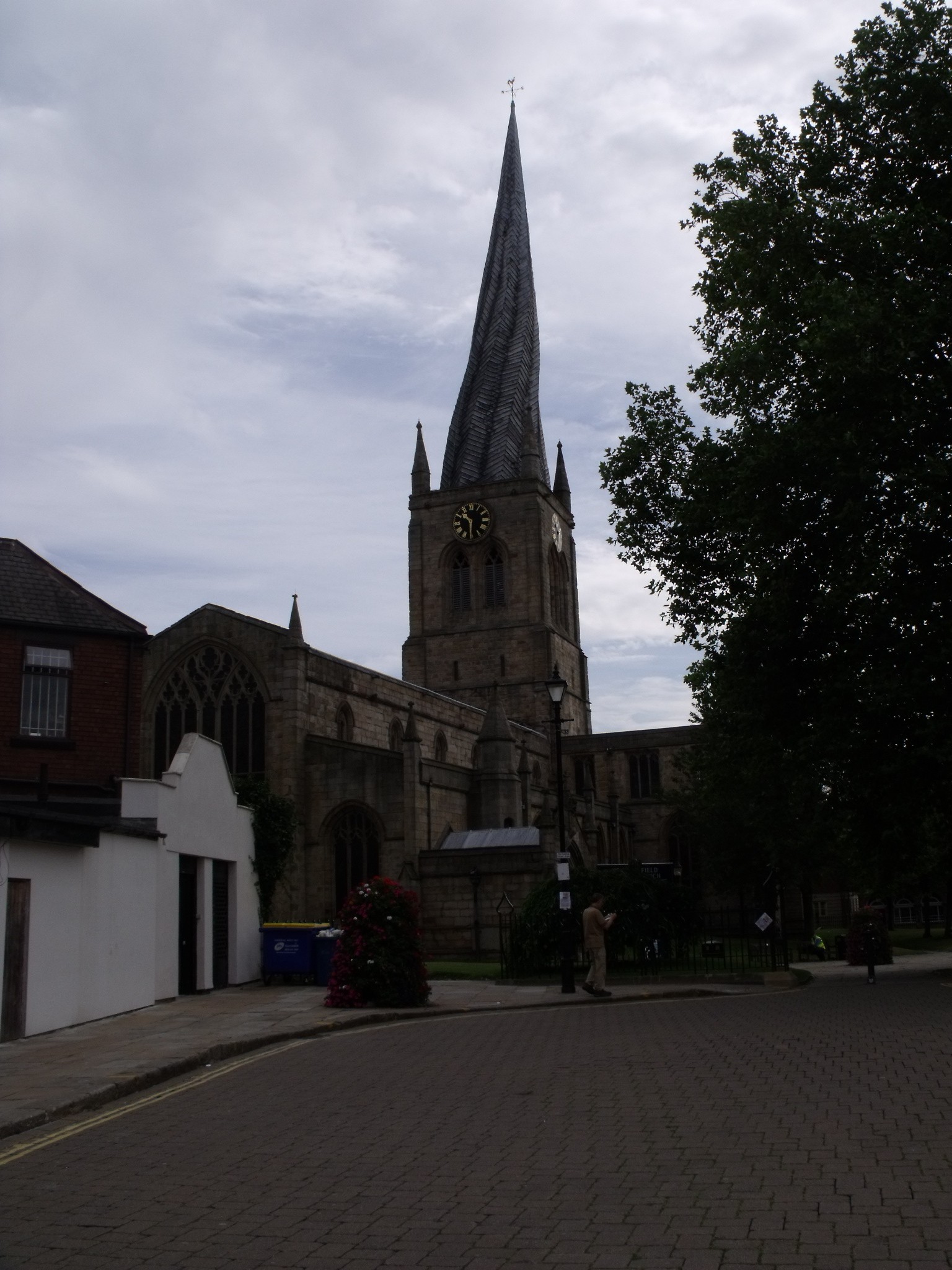 One of the most recognisable churches in the country with it’s famous twisted spire. Even the local football team are known as ‘The Spirites’ and feature the spire on their badge. This is a church well worth visiting and visitors receive a friendly welcome here. It is open every day and the signs outside say as much.
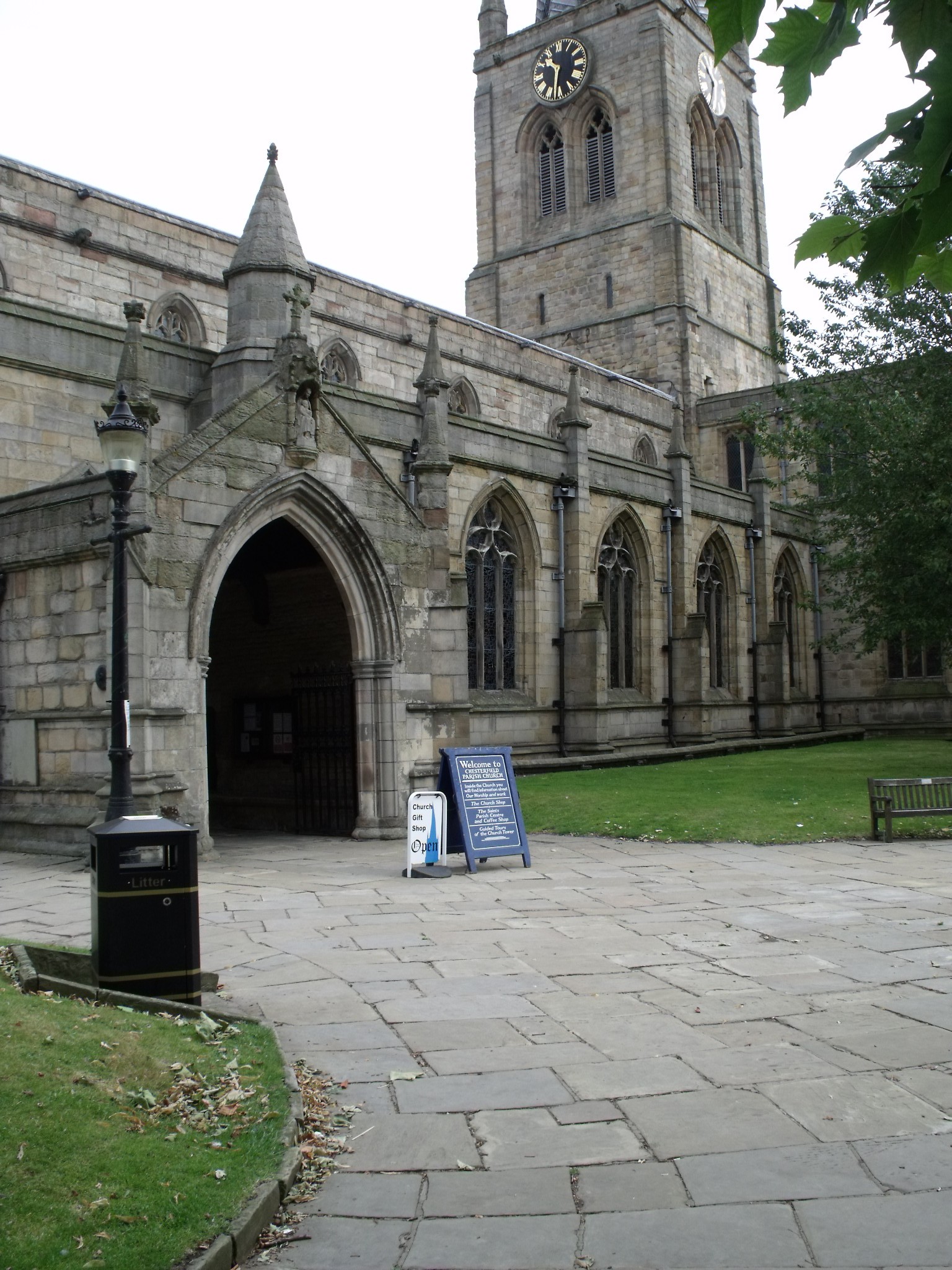 Inside there is a well stocked gift shop with a very friendly lady in attendance. They get many visitors here and are very well set up for them. The visitors book contained too many entries to count them. Guides and cards etc are on sale and a children’s guide by Bessacar also. There is a display of children’s work.
There are regular tours up the tower which is not suitable for those afraid of heights! These cost £4 and were well patronised at the time of my visit.
As it was St. Oswald’s day I said a prayer at his little chapel.
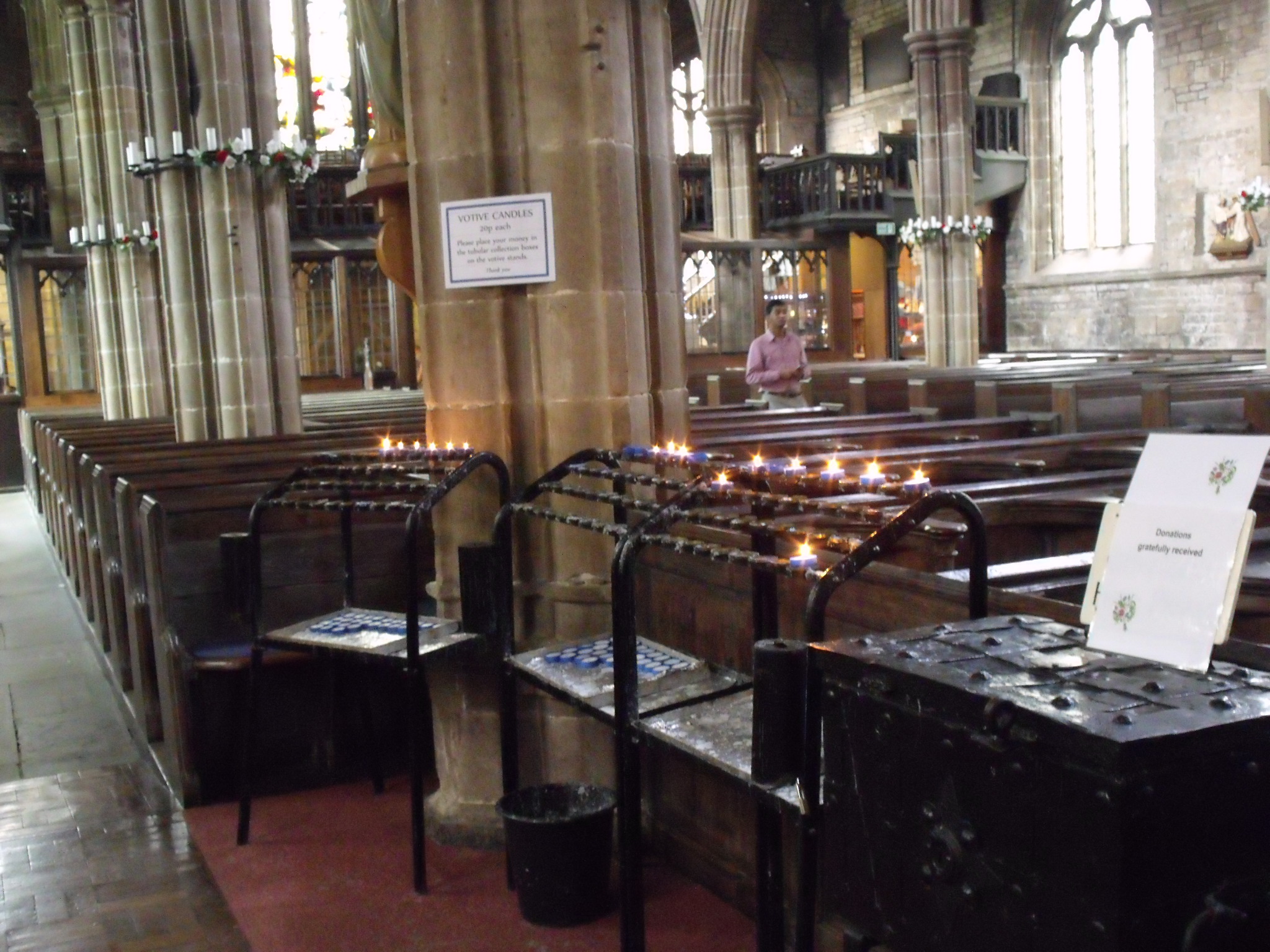
There is so much to see here that it is a job to sum it up in a few words. A votive stand can be used.
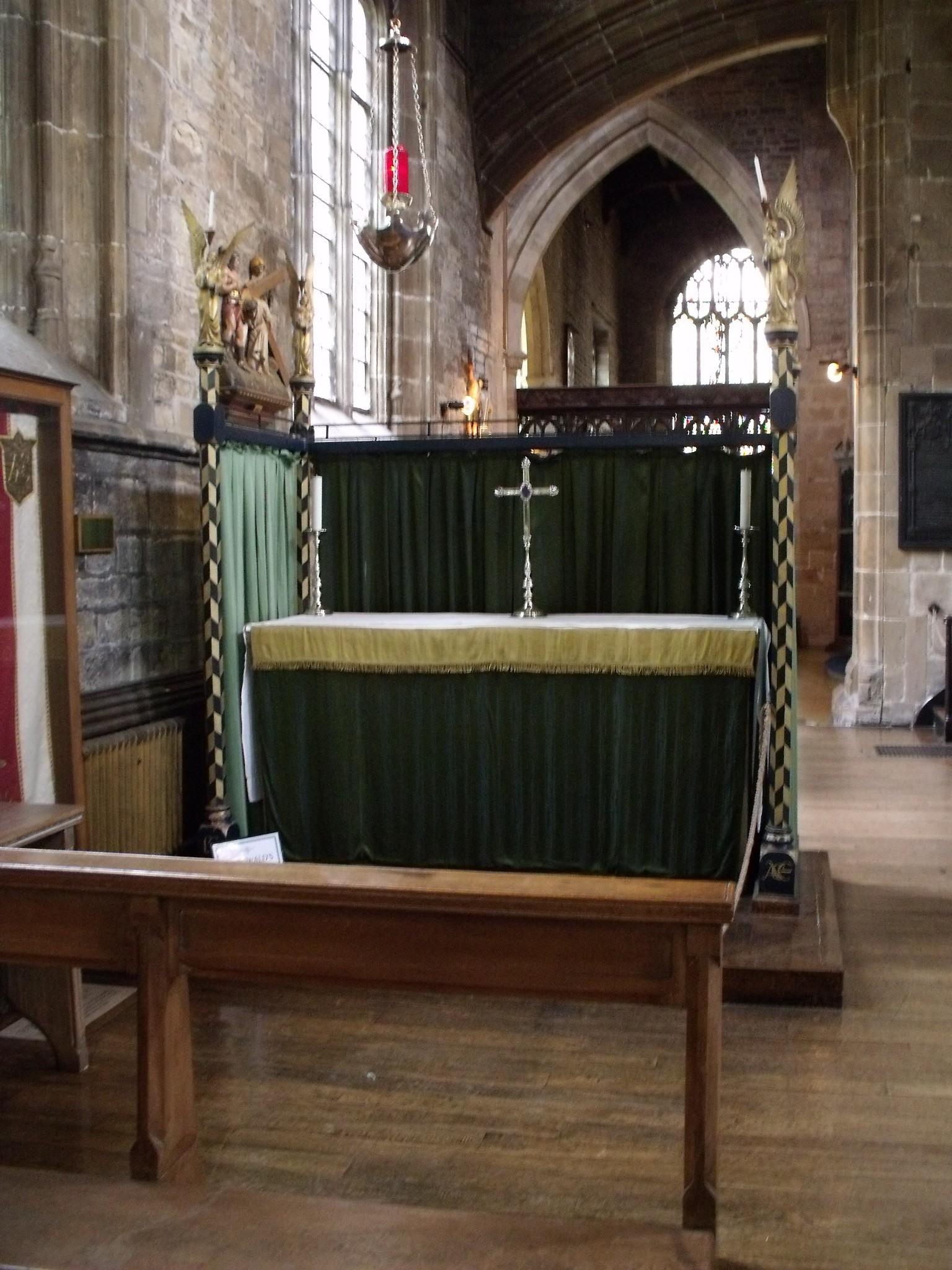
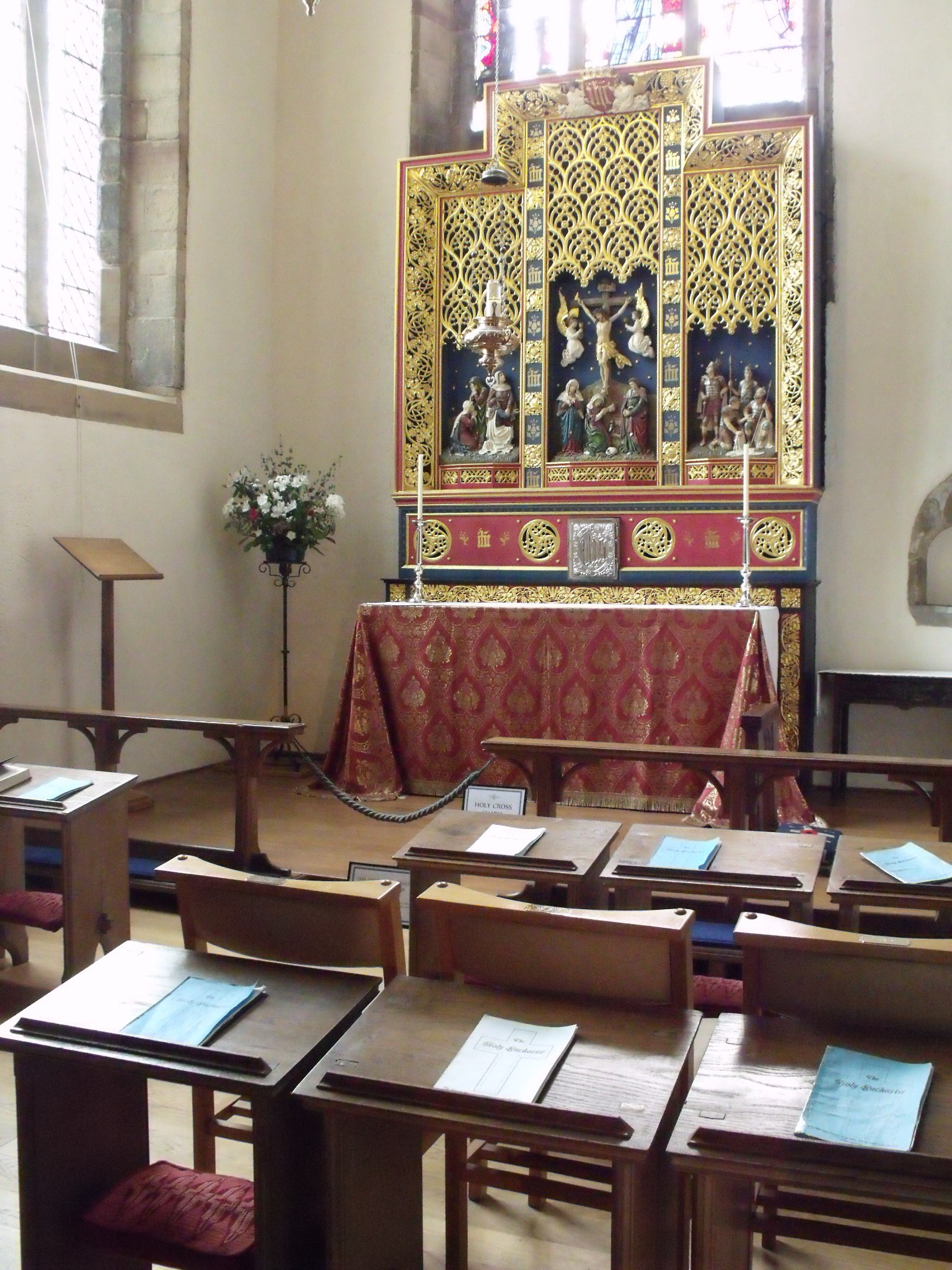
There are several chapels and one is called the Holy Cross Chapel. It is a peaceful place to sit and meditate.
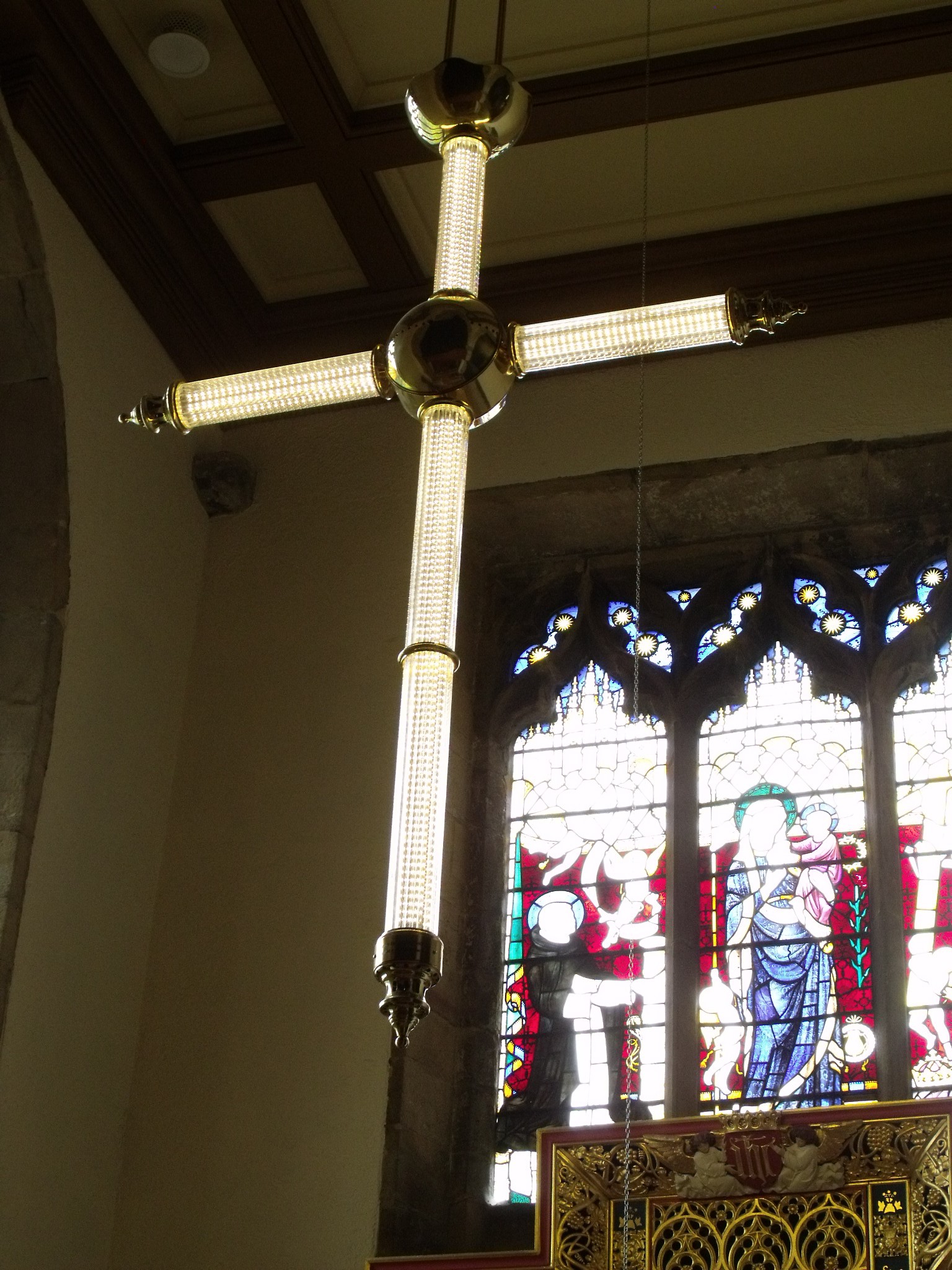 It also features a large LED cross – the first I have ever seen in a church.

The prayer board here is very well used.
There is much of interest here and I rate Our Lady & All Saints as excellent for visitors – a real example of what can be done in a large historic building.
All Saints, Ashover
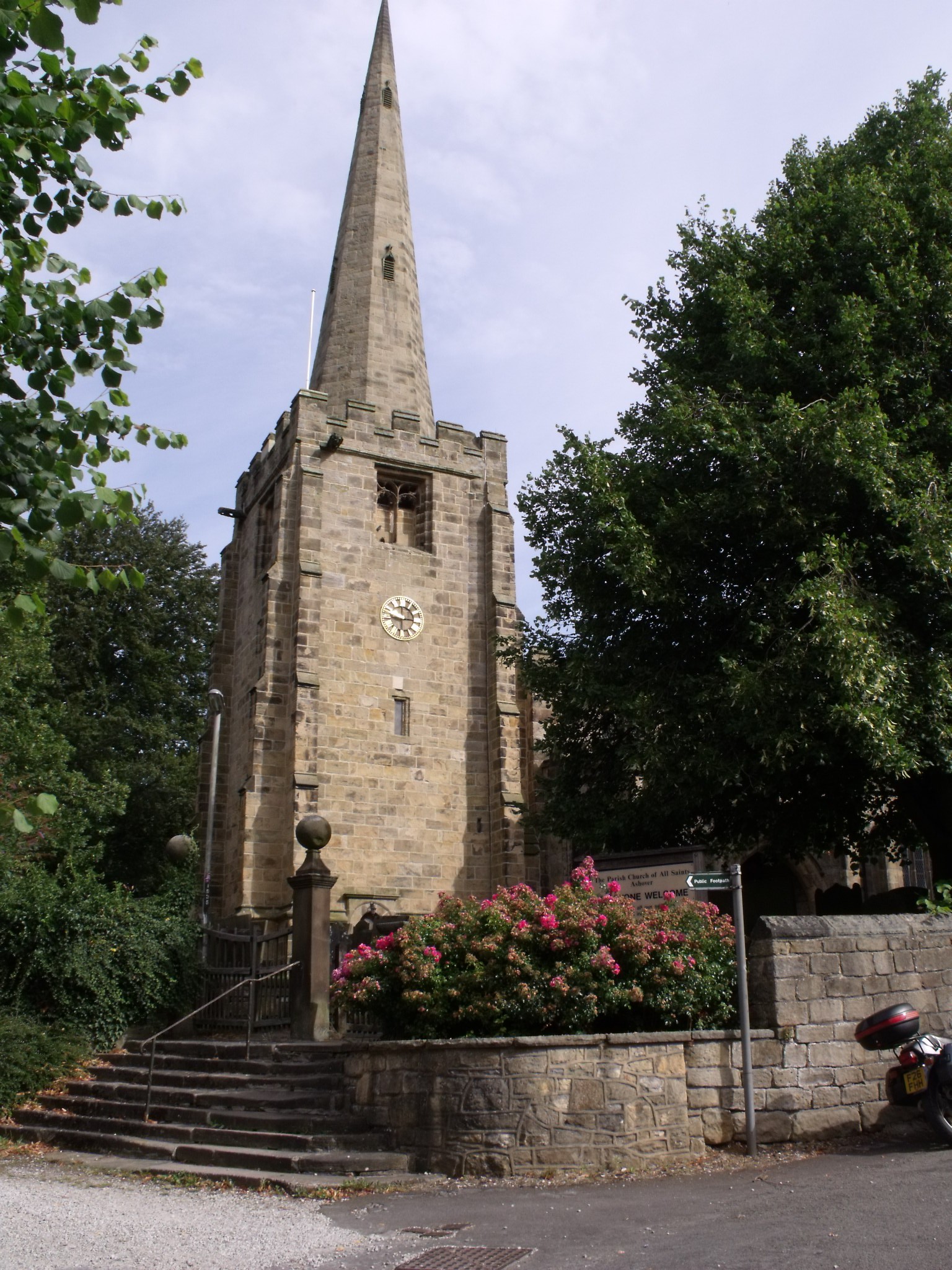 All Saints is open each day and the sign outside proudly says that all are welcome.
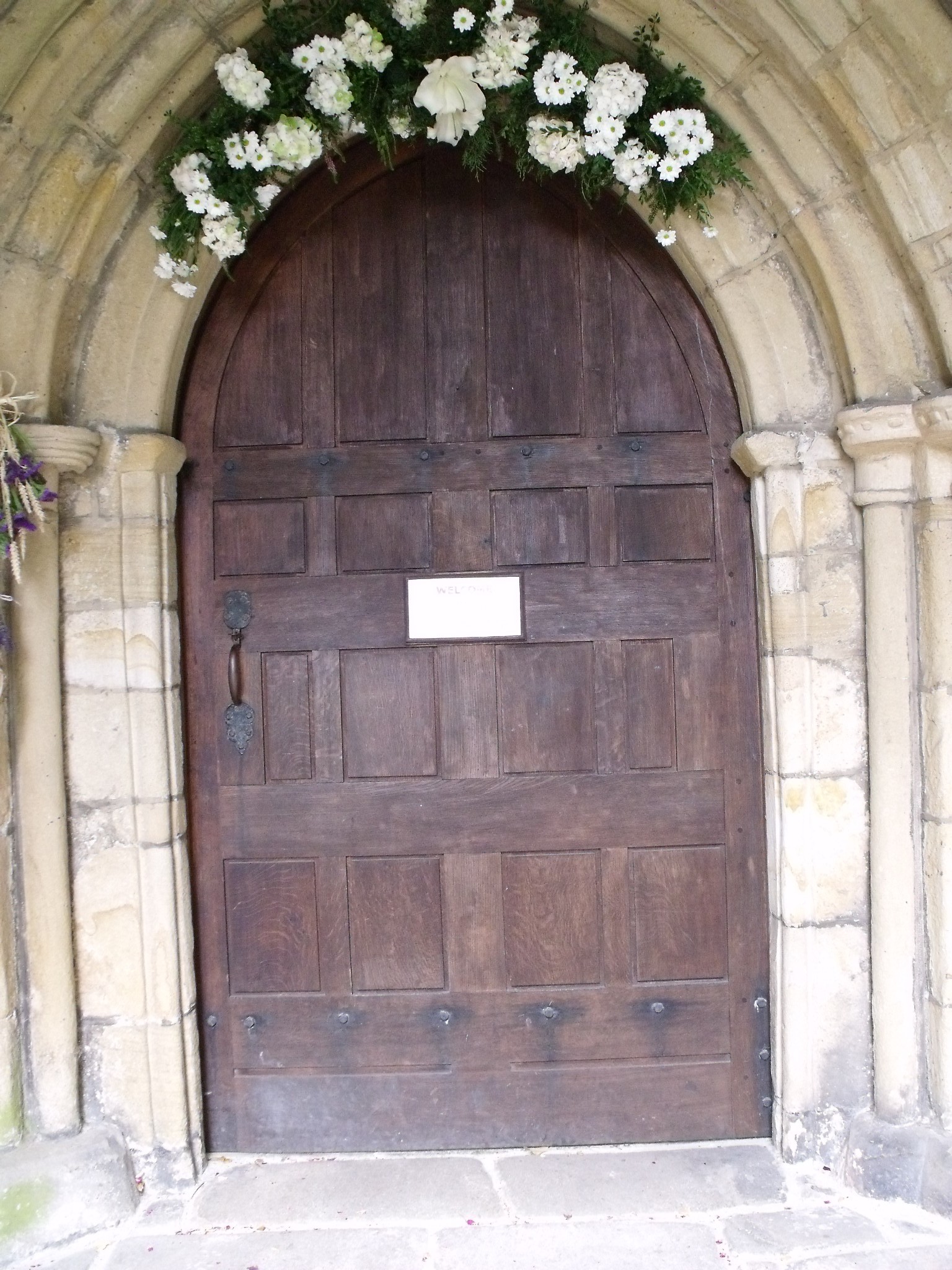 There is a selection of postcards inside as well as a guide and some pens for sale. Also various Nicky Gumbel books and booklets. 18 people had signed the visitors book in July. Some ‘bats’ are available to wander around with.
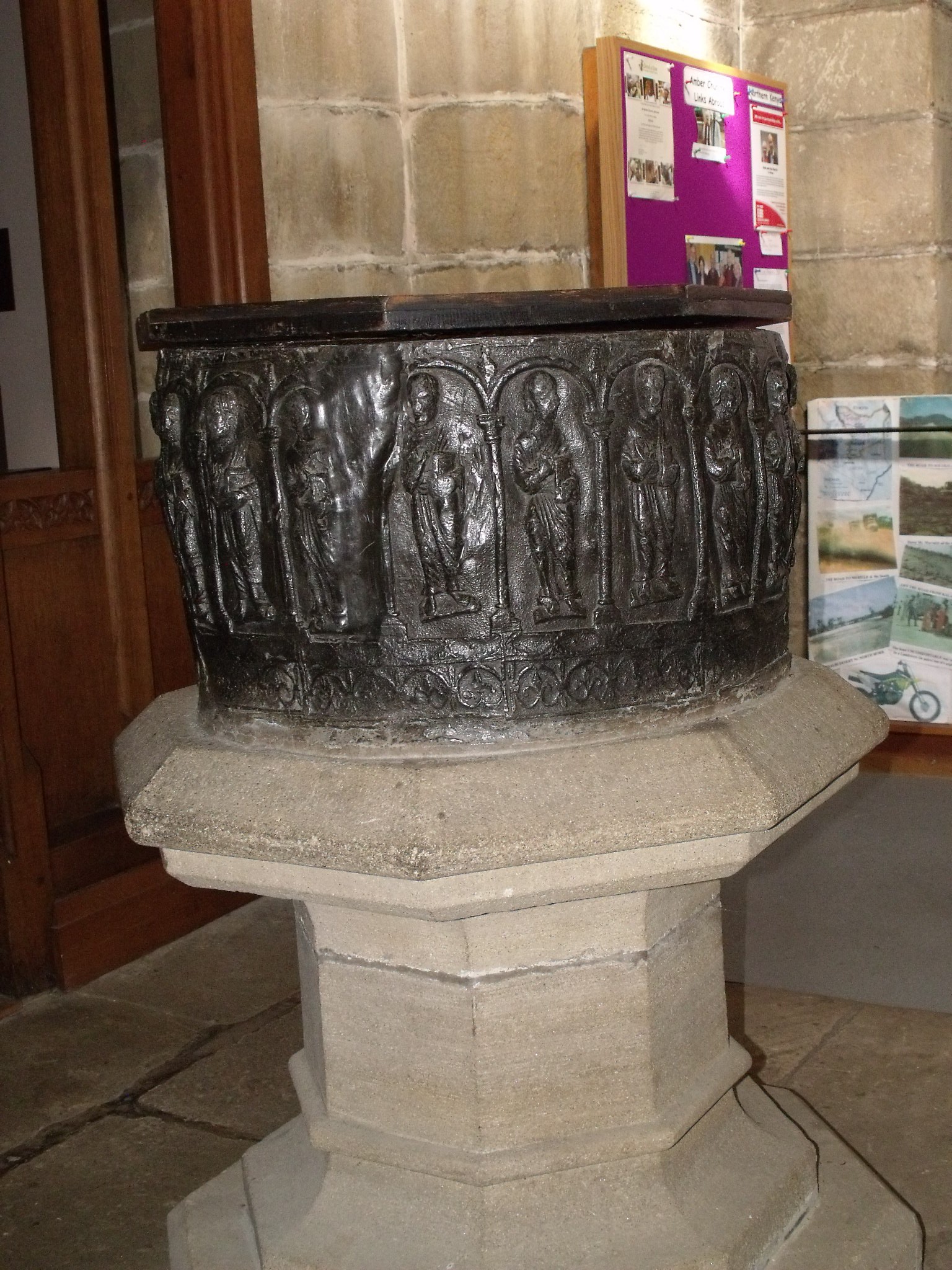 There is much shiny brass here too and one of only around 30 Norman lead fonts left in this country. Apparently many were melted down to make musket balls during the Civil War. The reverse of ‘swords into ploughshares’.
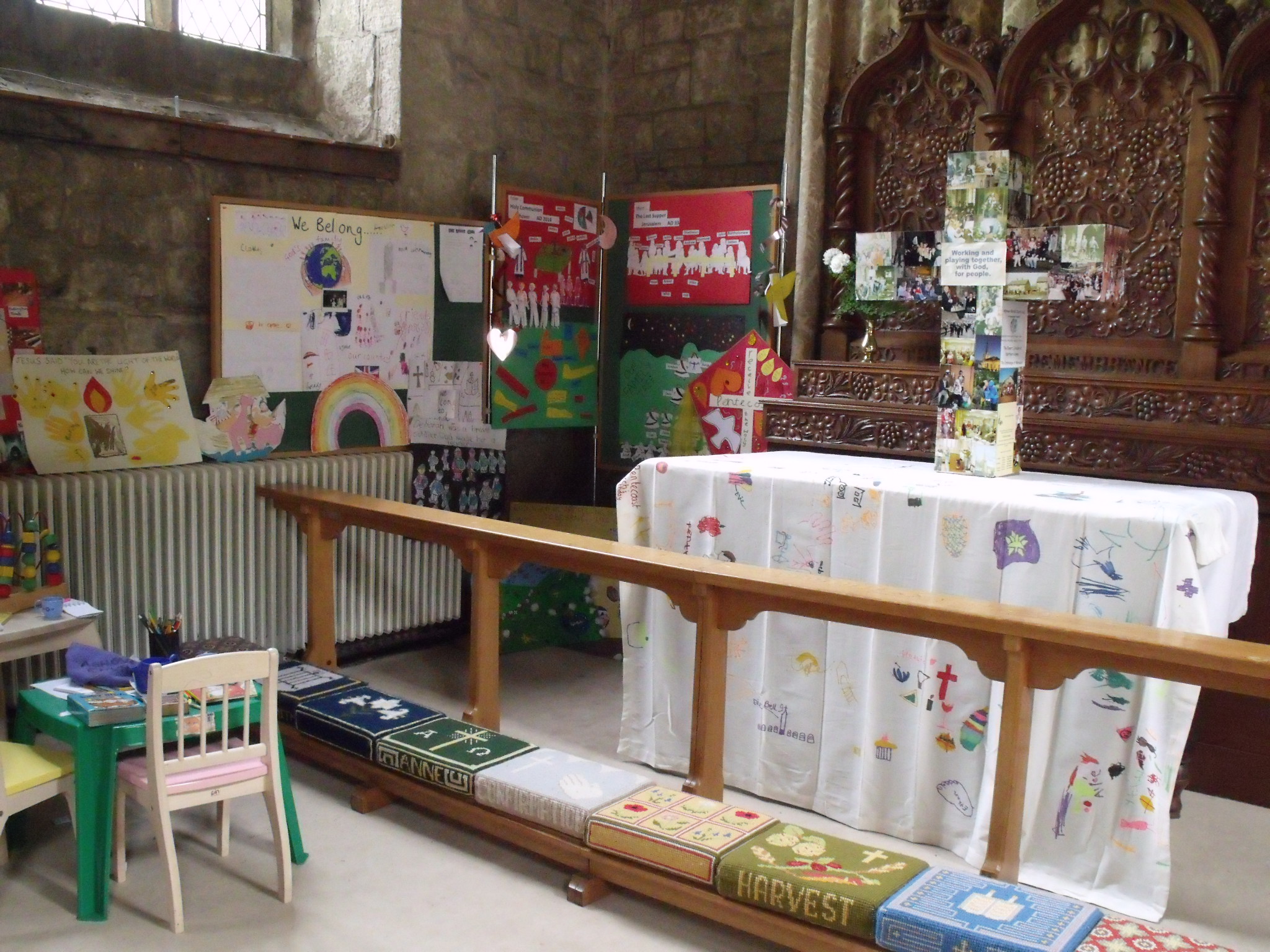
Here is also a display of church links and those the church supports overseas. There is a prayer request book and a prayer tree to use. A children’s corner is set up to amuse younger visitors. It also shows that there is a thriving group of children at All Saints.
There are some good memorials here – the one to Thomas and Editha Babington being especially fine.
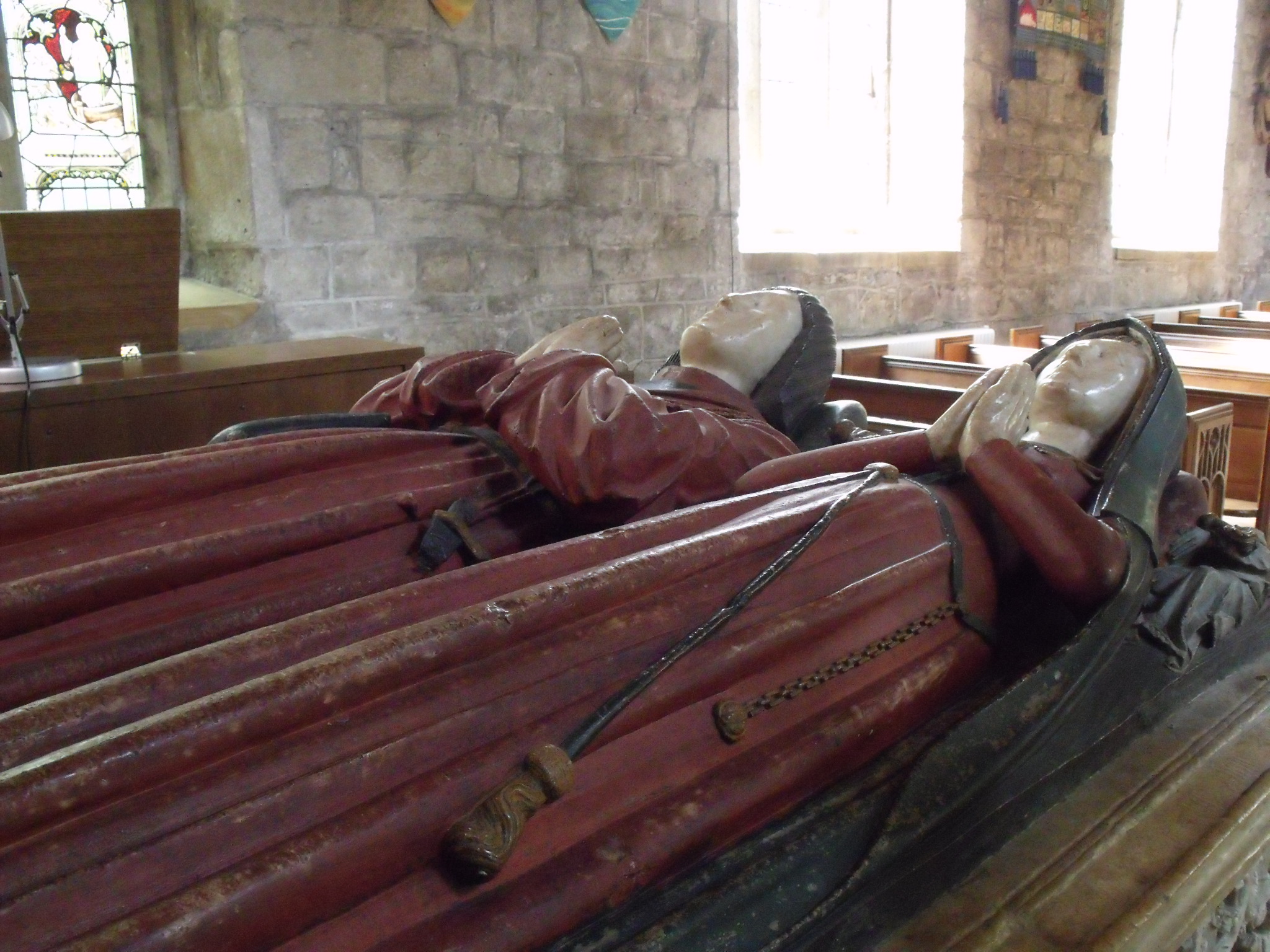
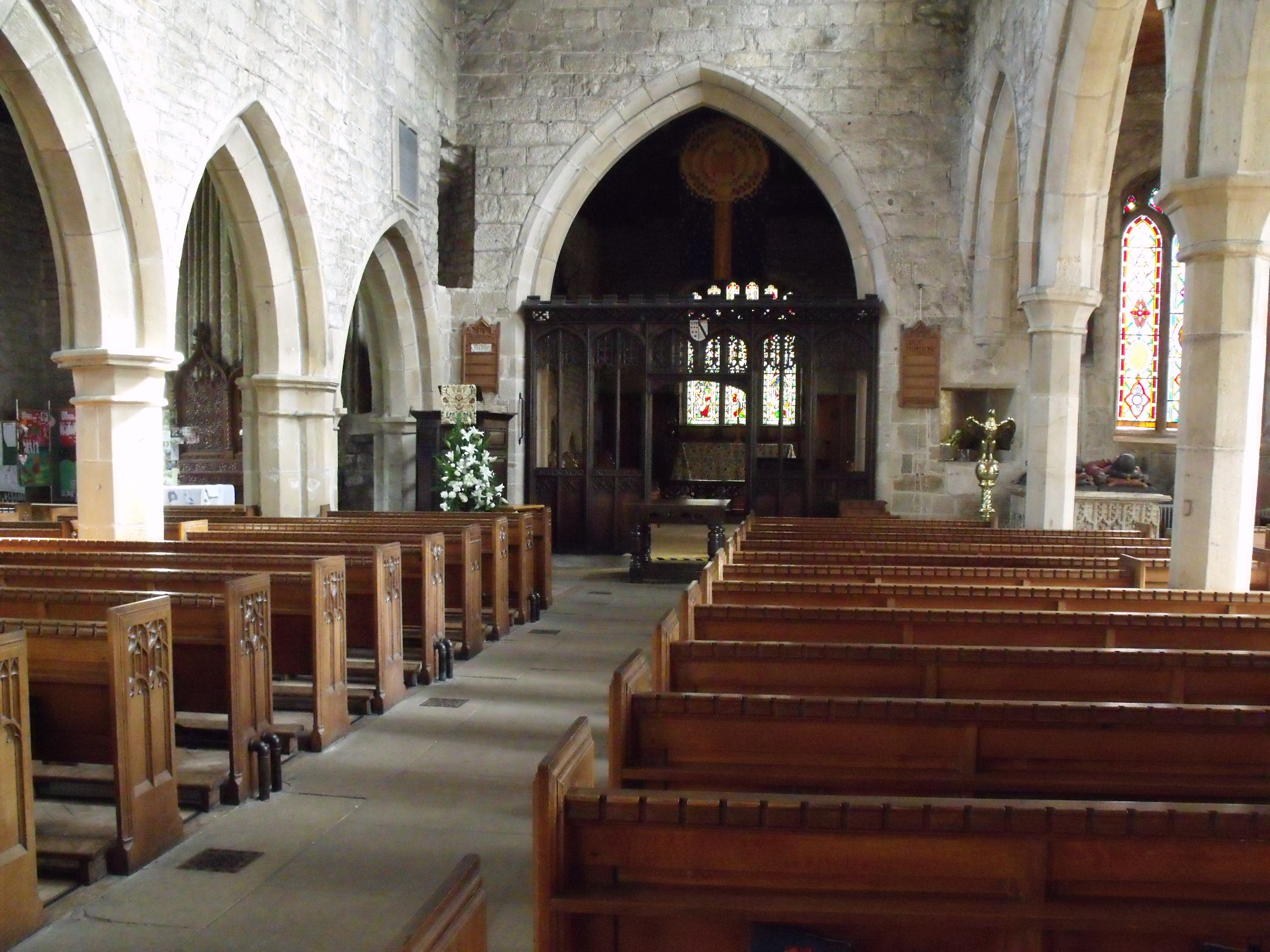
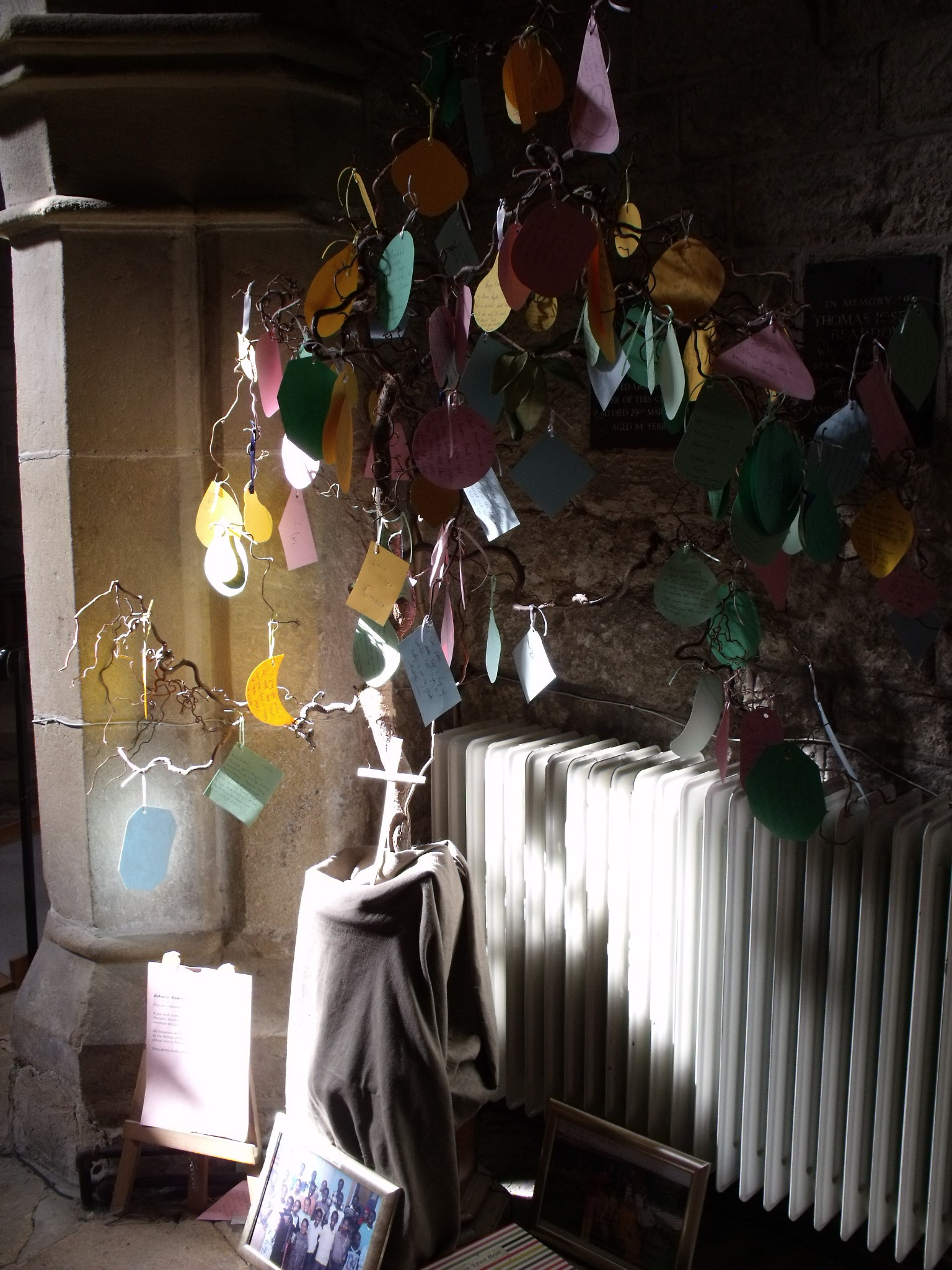
I rate All Saints as very good for the purposes of this study. There is a website at http://amberchurches.org/ashover.html
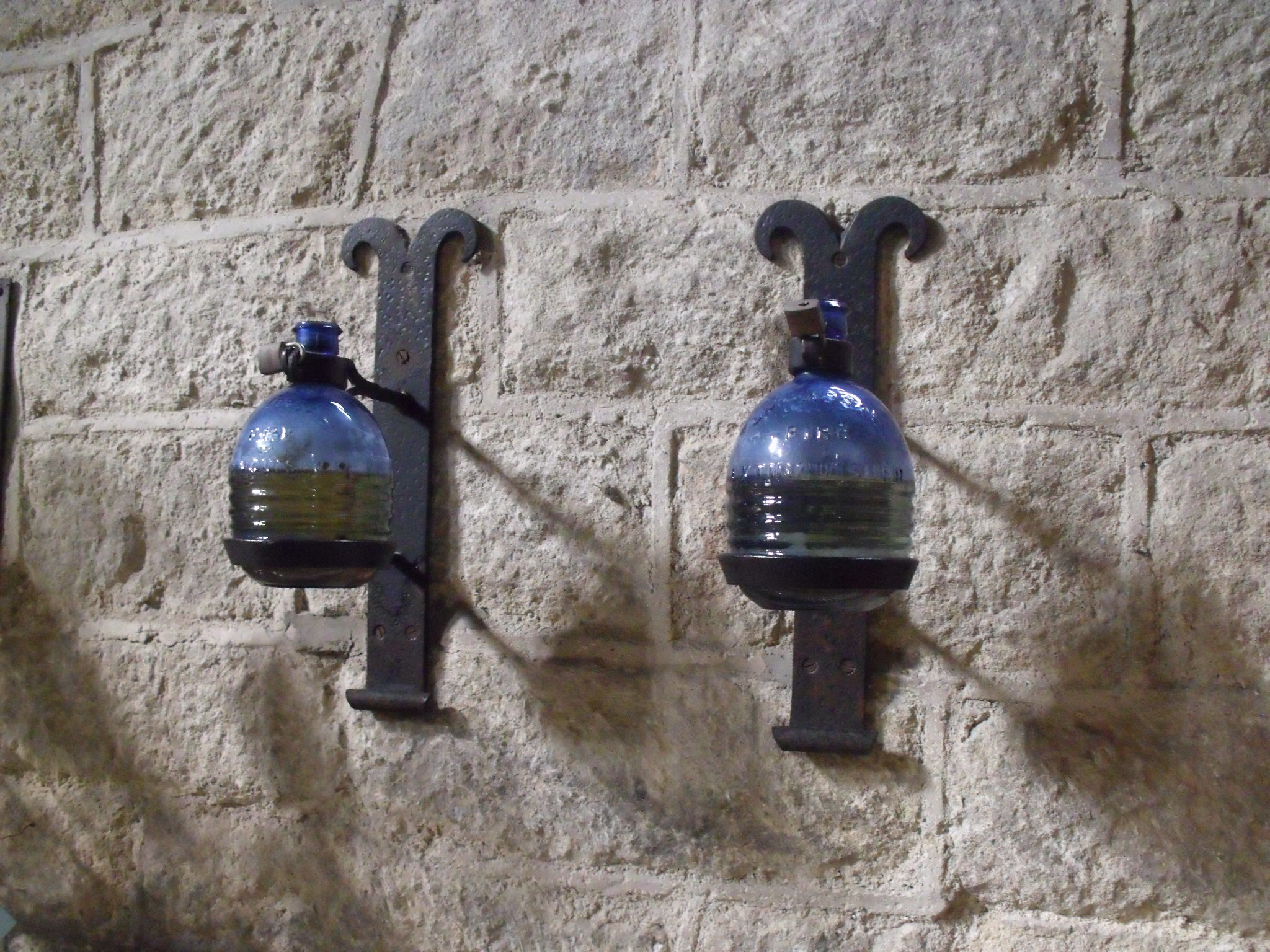
One last thing. On the west wall are mounted some wonderful fire extinguishers, filled with some sort of liquid. Does anyone know anything about these? They do look pretty old and I doubt that they would be very effective. They are labelled ‘Universal Fire Extinguisher’. They are not very big.
 churchtourismstudy